
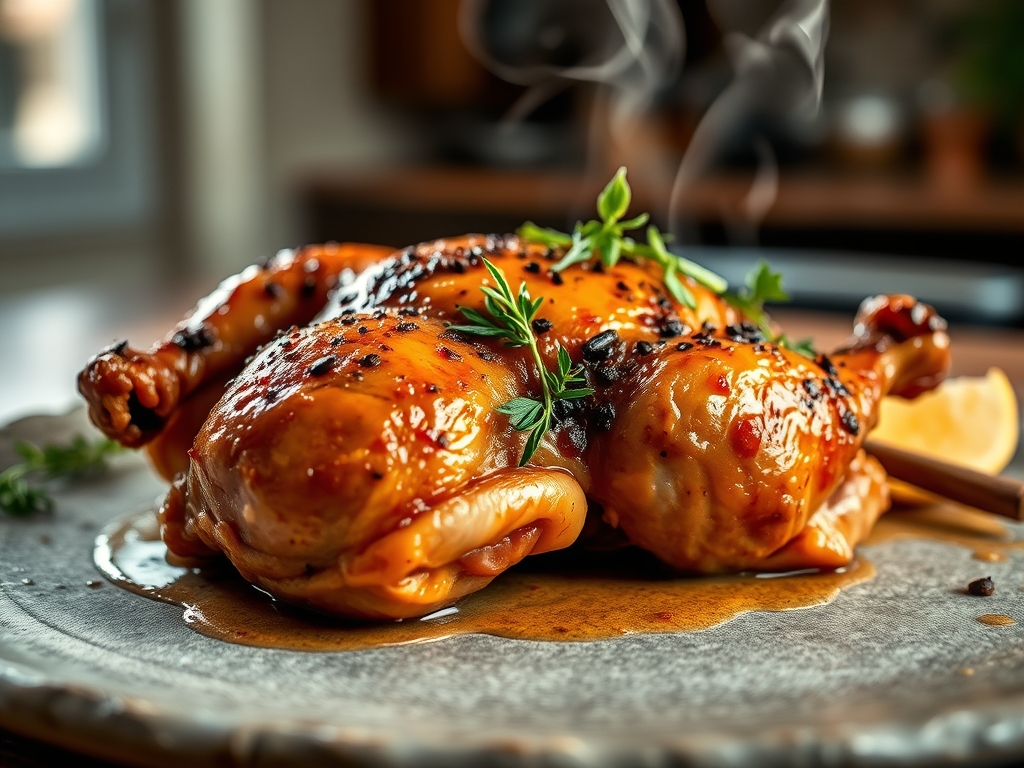
Picture this: you are standing in the grocery store checkout line, and that warm, savory perfume of roasted skin and rendered fat hits you. It is the siren song of the deli counter. We have all been there, grabbing that plastic dome of gold because we need a win. Finding versatile chicken recipes using rotisserie chicken is not just about convenience; it is about reclaiming your evening with a head start on flavor.
The magic of a rotisserie bird lies in the Maillard reaction. Those hours spent spinning under infrared heat have already done the heavy lifting of protein denaturation and browning for you. You are starting with a canvas that is already seasoned, tenderized, and rich with collagen that has turned into silky gelatin. Whether you are looking for a piquant Thai salad or a viscous, comforting pot pie, the shortcut is sitting right there in your reusable grocery bag. We are going to treat this bird like the high-end ingredient it is, using professional techniques to ensure it never tastes like leftovers.
The Gathers:
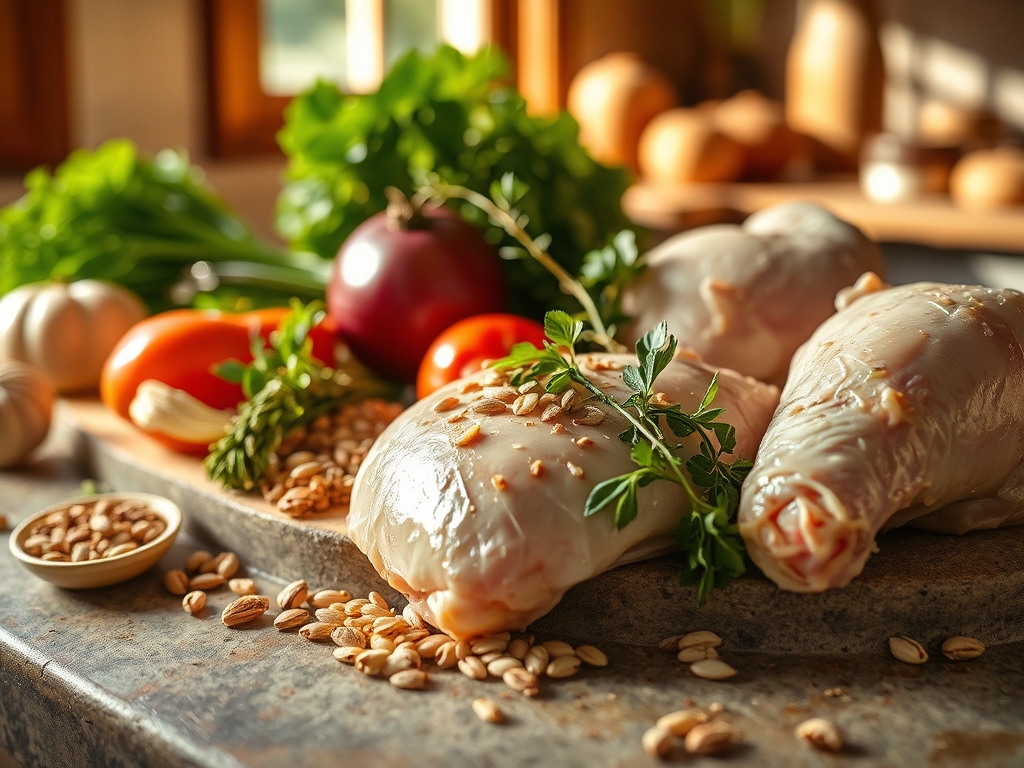
To maximize the potential of your bird, your mise-en-place must be precise. Start by setting out your heavy-bottomed skillet and a sharp chef's knife. You will need aromatic bases: translucent shallots, minced garlic, and perhaps a thumb of ginger for zing. For texture, gather crisp celery, toasted nuts, or vibrant microgreens.
Smart Substitutions are the secret to agility. If a recipe calls for heavy cream to create a viscous sauce, you can often swap in full-fat Greek yogurt or a splash of coconut milk for a lighter profile. No fresh herbs? A pinch of high-quality dried thyme or tarragon, rubbed between your palms to release the volatile oils, works wonders. If you lack a saucier for your reductions, a wide skillet increases surface area and speeds up evaporation.
The Clock:
Total Time: 15 to 40 minutes.
The "Chef's Flow" is all about parallel processing. While you are hand-shredding the chicken (which should take exactly five minutes), your aromatics should already be softening in the pan. Because the protein is pre-cooked, your "cook time" is actually just a "reheating and infusion" window. We are aiming for a 10-minute prep and a 15-minute execution. This prevents the meat from becoming stringy or over-processed.
The Masterclass:
1. The Breakdown and Shred
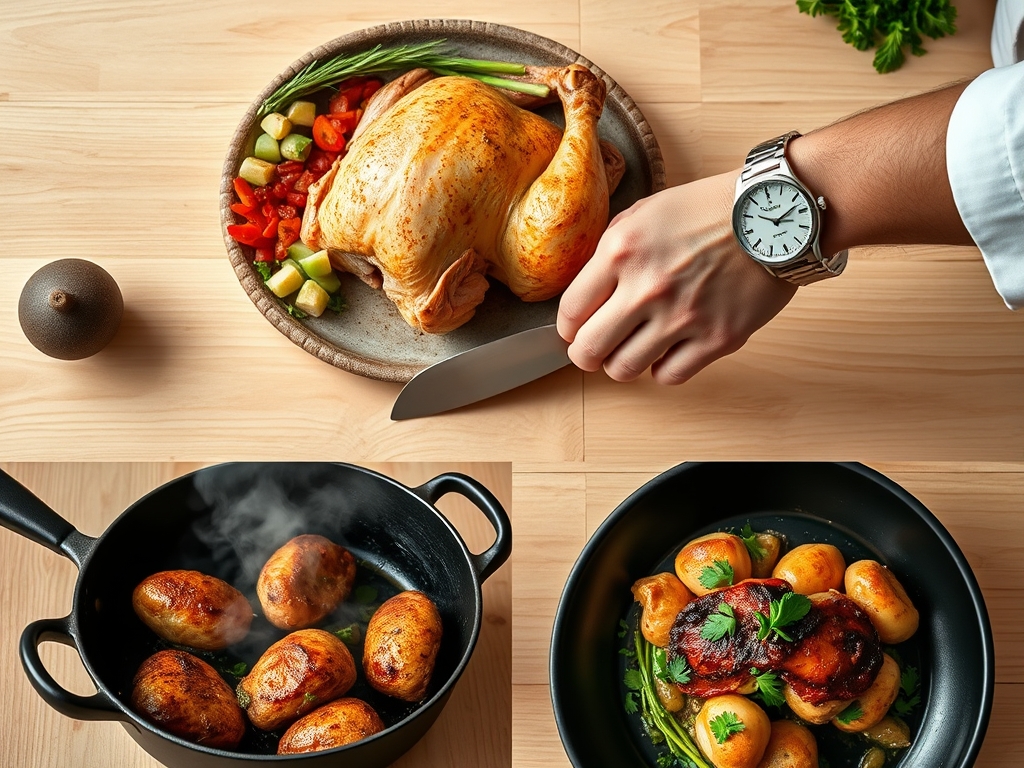
Use your hands or tongs to pull the meat from the bone while it is still slightly warm. This is when the connective tissue is most pliable. Separate the skin and bones to save for a quick stock later.
Pro Tip: This is the science of gelatinization. As the bird cools, the juices turn into a gel. Shredding while warm ensures the muscle fibers separate cleanly without tearing, preserving the succulent mouthfeel.
2. The Aromatic Base
Heat a tablespoon of neutral oil in your skillet. Add your mirepoix (onions, carrots, celery). Use a bench scraper to transfer your chopped veggies cleanly from the board to the pan.
Pro Tip: Adding a pinch of salt now draws out moisture through osmosis, allowing the vegetables to soften and sweat rather than brown too quickly, creating a deeper flavor base.
3. Deglazing for Depth
Once the vegetables are translucent, pour in a splash of dry white wine or chicken stock. Use a wooden spoon to scrape up the brown bits (fond) from the bottom of the pan.
Pro Tip: This is deglazing. Those brown bits are concentrated umami. By dissolving them into a liquid, you create a complex sauce that coats the chicken, preventing it from tasting dry.
4. The Gentle Fold
Add your shredded chicken to the simmering sauce. Do not boil it. You only want to bring the internal temperature of the meat back up to 165 degrees Fahrenheit.
Pro Tip: High heat causes protein coagulation, which squeezes out moisture. By gently folding the meat into a warm sauce, you maintain the tender texture achieved during the original roasting process.
5. Aerating the Finish
Turn off the heat and stir in a pat of cold butter or a squeeze of fresh lemon juice. Use a microplane to zest some citrus over the top for an immediate aromatic lift.
Pro Tip: This final step is called emulsification. The fat in the butter bonds with the liquid in the sauce, creating a glossy, velvety coating that clings to every piece of chicken.
The Deep Dive:
Macro Nutrition: A standard 4-ounce serving of rotisserie chicken provides roughly 25 grams of high-quality protein. While the skin adds saturated fat, it also carries the bulk of the fat-soluble vitamins and flavor. If you are tracking macros, use the breast meat for a lean profile and save the dark meat for richer stews.
Dietary Swaps:
- Keto: Replace flour-based thickeners with a whisked egg yolk or a touch of xanthan gum to keep the sauce thick and luscious.
- Vegan Alternative: If you are cooking for a mixed crowd, king oyster mushrooms shredded with a fork and sautéed in smoked paprika mimic the texture of pulled chicken remarkably well.
- Gluten-Free: Ensure your chicken was not basted in a soy-based glaze and use tamari or coconut aminos for seasoning.
The Fix-It:
- Too Dry: If your shredded meat feels parched, toss it in a bowl with a tablespoon of warm broth and a teaspoon of olive oil before adding it to your dish.
- Too Salty: Rotisserie chickens are often heavily brined. Balance excess salt with an acid like lime juice or a creamy element like avocado.
- Soggy Skin: If you want to use the skin, remove it first and crisp it up in a dry pan over medium heat until it becomes a "chicken crackling."
Meal Prep: To reheat without that "leftover" taste, avoid the microwave. Instead, use a heavy-bottomed skillet with a splash of water and a lid. The steam will rehydrate the fibers gently, maintaining "day-one" quality.
The Wrap-Up:
Mastering chicken recipes using rotisserie chicken is the ultimate culinary "life hack." It transforms a humble grocery store staple into a gourmet foundation for everything from spicy tacos to elegant pastas. By understanding the science of moisture retention and the power of a good deglaze, you can turn a ten-dollar bird into a five-star meal. Now, grab your tongs, fire up the stove, and let that pre-roasted magic work for you!
The Kitchen Table:
How do I stop rotisserie chicken from being dry?
Shred the chicken while it is still warm to preserve its natural juices. If it has already cooled, toss the pieces in a small amount of warm stock or olive oil before incorporating them into your final recipe.
Can I freeze rotisserie chicken for later?
Yes, you can freeze it. Remove the meat from the bones first and store it in an airtight, vacuum-sealed bag. This prevents freezer burn and ensures the protein remains tender for up to four months in the freezer.
Is rotisserie chicken healthy for meal prep?
It is an excellent source of lean protein. To keep it healthiest, remove the skin to reduce saturated fat and sodium. Pair it with complex carbohydrates like quinoa and plenty of fibrous green vegetables for a balanced, high-density meal.
What is the best way to reheat chicken?
Avoid the microwave, which can make protein rubbery. Instead, place the chicken in a skillet with a tablespoon of water or broth. Cover with a lid and heat over medium-low until the steam thoroughly warms the meat without drying it.