
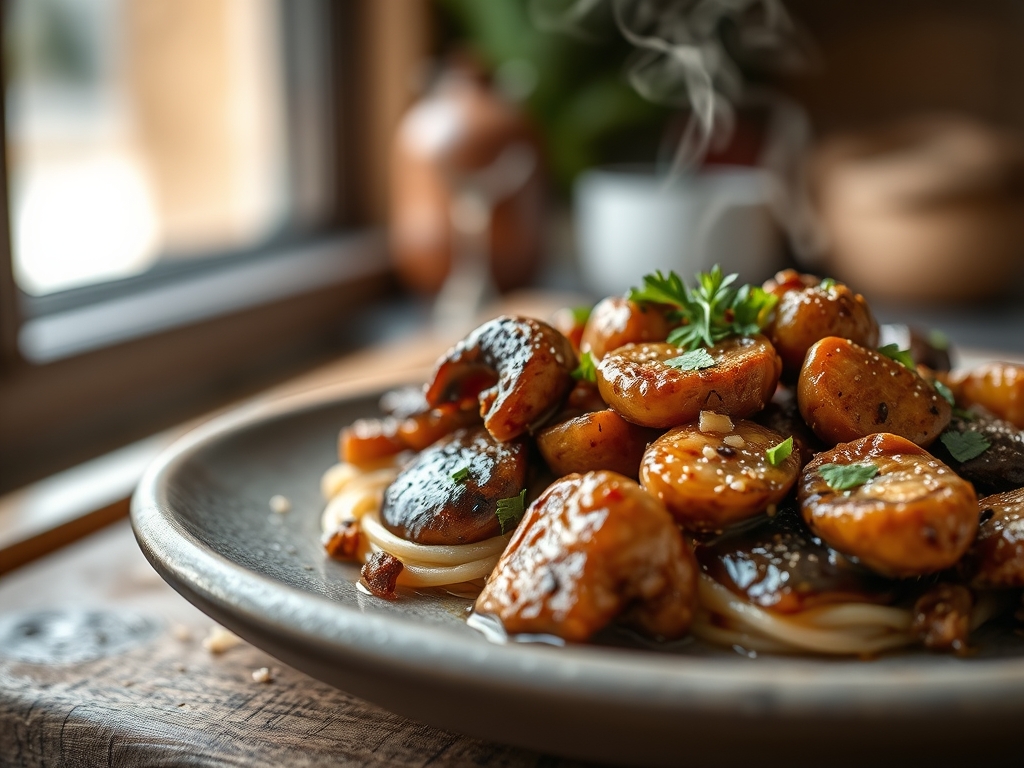
Imagine the scent of toasted sesame oil and searing ginger hitting a screaming hot wok; it is the olfactory equivalent of a warm hug from your favorite takeout box. When you are hunting for the ultimate panda express mushroom chicken recipes, you are likely looking for that specific balance of silky velveted poultry and earthy umami mushrooms. It is a dish that feels lighter than its orange-sauced cousins but packs a sophisticated punch.
The magic of this dish lies in the contrast between the tender chicken breast and the snap of fresh zucchini. Most home cooks fail because they overcrowd the pan or miss the crucial step of "velveting" the meat. We are going to fix that today. By understanding the molecular chemistry of a cornstarch slurry and the Maillard reaction on a high-heat surface, you will recreate that iconic piquant sauce in your own kitchen. This is not just a dinner; it is a masterclass in texture. Get your heavy-bottomed skillet ready because we are about to turn your kitchen into the best bistro on the block.
The Gathers:
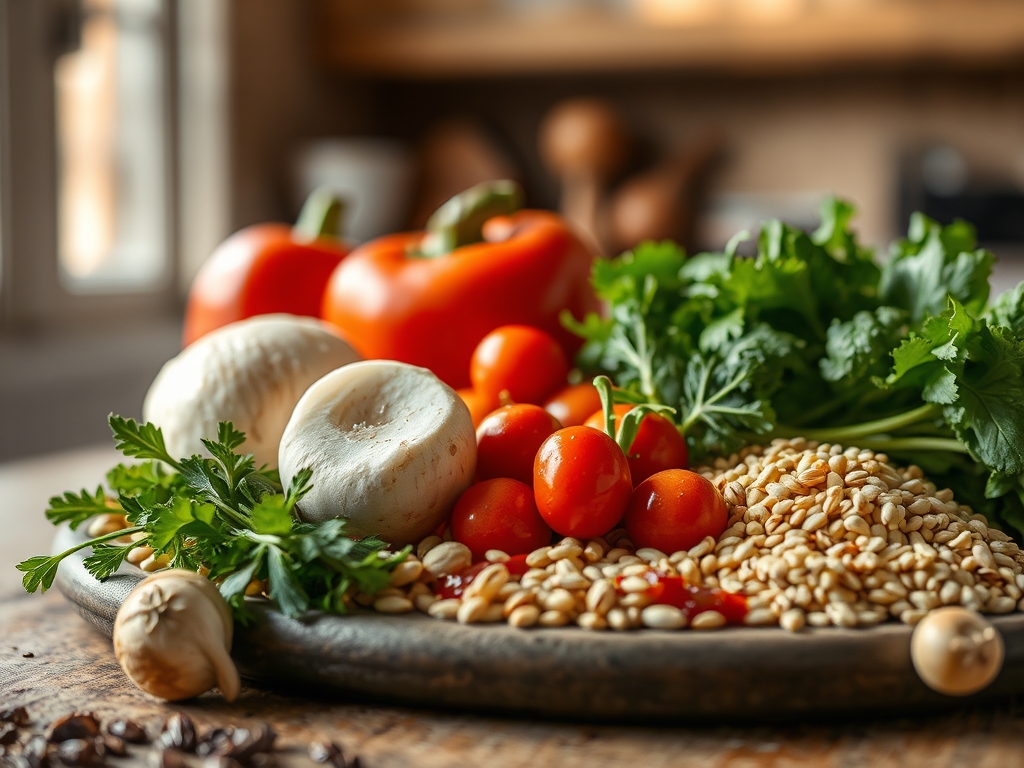
To achieve a professional result, your mise-en-place must be precise. Start with one pound of boneless, skinless chicken breast. You will need to slice this against the grain into thin, uniform strips to ensure even cooking. For the produce, gather eight ounces of white button mushrooms; their porous structure is designed to absorb the savory liquid. You also need two medium zucchinis, sliced into half-moons about a quarter-inch thick.
For the aromatics, use a microplane to grate fresh ginger and garlic until they form a paste. The sauce requires soy sauce, oyster sauce (the secret to that deep brown hue), rice vinegar for acidity, and a touch of brown sugar to balance the salt. You will also need cornstarch for the velveting process and a neutral oil with a high smoke point, like grapeseed or peanut oil.
Smart Substitutions: If you are watching your sodium, swap the soy sauce for liquid aminos. For a deeper earthy profile, use cremini mushrooms instead of white buttons. If you lack a wok, a wide heavy-bottomed skillet or a stainless steel saucier will provide the surface area necessary to prevent steaming.
The Clock
Preparation time for this dish is approximately 15 minutes, primarily focused on the knife work. The actual cooking time is a lightning-fast 10 minutes. This is what professional chefs call the "Chef's Flow." Because the cooking happens at such high temperatures, you cannot stop to chop a vegetable mid-way.
The flow follows a specific rhythm: marinate, sear, sauté, and emulsify. Total time from fridge to table is 25 minutes. If you are serving this with rice, start your rice cooker before you even touch the chicken to ensure the starch is ready the moment the wok hits the cooling rack.
The Masterclass
1. The Velveting Technique
Place your sliced chicken in a bowl with one tablespoon of soy sauce, one tablespoon of rice wine, and a teaspoon of cornstarch. Massage the mixture until the chicken is coated in a thin, translucent film. Let it rest for 10 minutes.
Pro Tip: This is the science of protein denaturation. The cornstarch creates a protective barrier that prevents the muscle fibers from tightening too quickly in the heat, ensuring the chicken stays "velvety" rather than rubbery.
2. Searing for Succulence
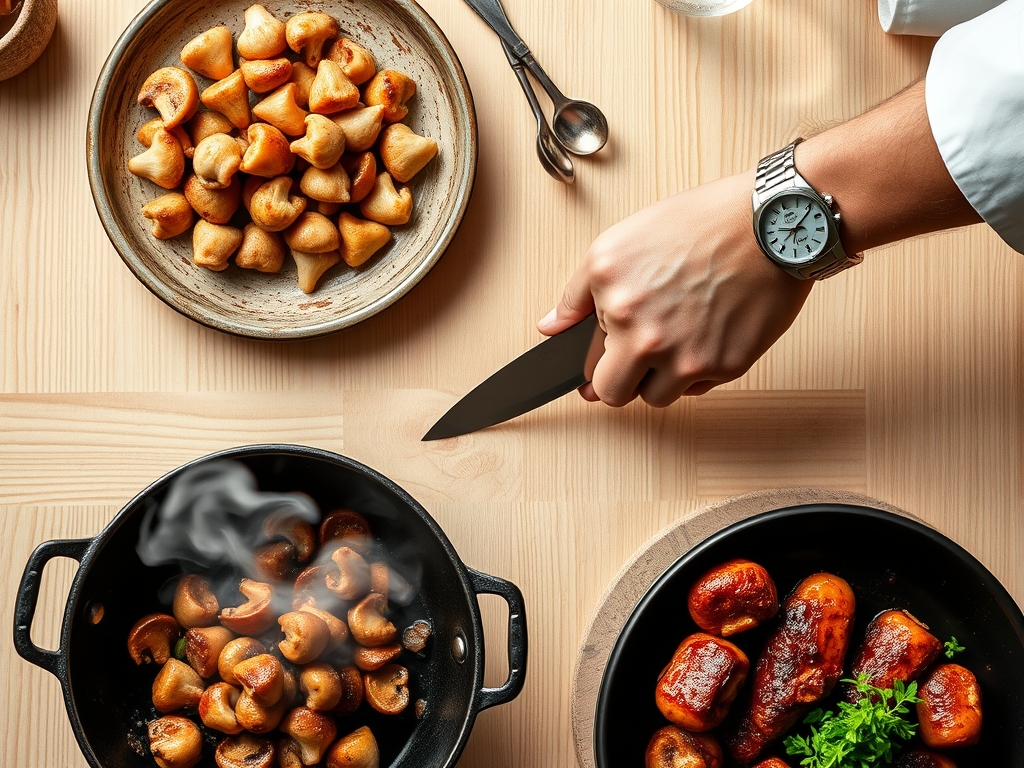
Heat your oil in the skillet until it shimmers. Use tongs to spread the chicken in a single layer. Let it sit undisturbed for 90 seconds to develop a golden crust, then flip. Remove the chicken while it is still slightly undercooked in the center.
Pro Tip: This utilizes thermal carryover. By removing the chicken at 155 degrees Fahrenheit, the internal residual heat will bring it to the food-safe 165 degrees without drying out the exterior.
3. The Mushroom Maillard
Add the mushrooms to the empty, hot pan. Do not add more oil immediately; let the mushrooms release their moisture and brown. Once they shrink and darken, add the zucchini and aromatics.
Pro Tip: Mushrooms are nearly 90 percent water. Waiting to salt them until they have browned prevents osmotic leaching, which would otherwise cause them to stew in their own juices instead of searing.
4. Deglazing and Emulsifying
Whisk your sauce ingredients (soy, oyster sauce, water, and cornstarch) and pour them into the pan. Use a bench scraper or spatula to scrape up the brown bits at the bottom. Toss the chicken back in.
Pro Tip: This is the process of deglazing. The liquid dissolves the fond (browned bits), which contains concentrated flavor compounds. The cornstarch then gelatinizes, creating a viscous sauce that clings to every surface.
The Deep Dive
Macro Nutrition: One serving of this mushroom chicken contains approximately 220 calories, 25g of protein, 9g of carbohydrates, and 10g of fat. It is one of the leanest options in the "panda express mushroom chicken recipes" category due to the high vegetable-to-meat ratio.
Dietary Swaps: For a Keto version, omit the cornstarch and sugar; use xanthan gum as a thickener and monk fruit sweetener. For Vegan diners, replace the chicken with extra-firm tofu that has been pressed and seared, and use a mushroom-based "vegetarian oyster sauce." For Gluten-Free needs, ensure you use Tamari and a GF-certified oyster sauce.
The Fix-It:
- Soggy Veggies: Your pan was too cold. Next time, cook in smaller batches to maintain high heat.
- Too Salty: Add a splash of rice vinegar or a squeeze of lime; acidity cuts through saltiness.
- Thin Sauce: The cornstarch didn't reach its "gelatinization point." Simmer for 30 more seconds until the sauce turns from cloudy to clear and shiny.
Meal Prep: To maintain "day-one" quality, store the sauce and solids together. When reheating, avoid the microwave if possible. Instead, use a small saucier with a tablespoon of water over medium heat to re-hydrate the starch molecules without making the chicken rubbery.
The Wrap-Up
You have just mastered the art of the stir-fry! By focusing on the science of velveting and the importance of high-heat searing, you have elevated a simple copycat recipe into a gourmet weeknight staple. This dish proves that fast food flavors can be recreated with wholesome ingredients and professional techniques. Now, grab your favorite bowl, pile it high over some fluffy jasmine rice, and enjoy the fruits of your culinary labor. You earned it!
The Kitchen Table
Why is my mushroom chicken sauce watery?
The sauce likely did not reach a high enough temperature. Cornstarch requires the liquid to reach a simmer to activate its thickening properties. Ensure the sauce bubbles for at least 30 seconds to achieve a thick, glossy consistency that coats the spoon.
Can I use chicken thighs instead of breasts?
Yes, chicken thighs are an excellent substitute. They contain more fat, which makes them more forgiving during high-heat cooking. They will result in a richer flavor and a juicier texture, though the calorie count will be slightly higher than breast meat.
How do I get the zucchini to stay crunchy?
The key is timing. Add the zucchini during the last two minutes of cooking. High heat will sear the outside while leaving the interior "al dente." Overcooking or low heat will cause the cell walls to collapse, resulting in mushiness.
What is the best oil for stir-frying?
Use an oil with a high smoke point, such as grapeseed, peanut, or canola oil. Avoid extra virgin olive oil or butter, as they will burn and turn bitter at the high temperatures required for a proper sear and Maillard reaction.