
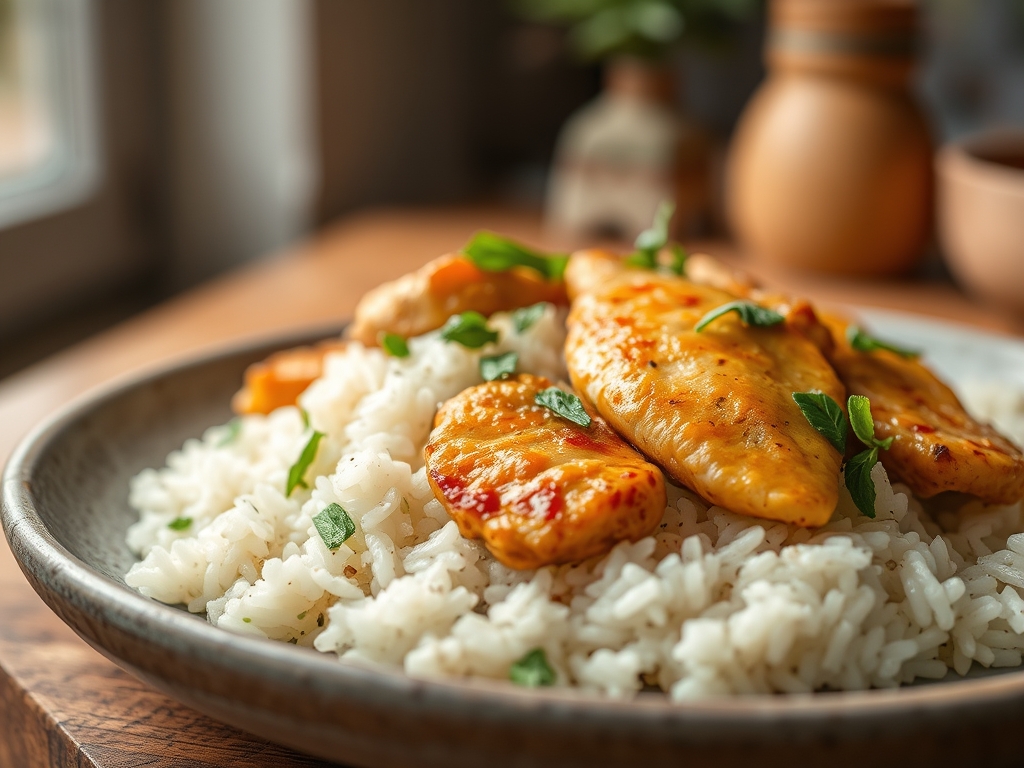
Picture the steam rising from a heavy-bottomed skillet; it carries the scent of toasted grain and savory fat. This is the ultimate comfort. Mastering white rice and chicken recipes is about more than just a quick meal. It is a lesson in texture and timing that transforms humble pantry staples into a high-end culinary experience right in your kitchen.
The beauty of this duo lies in the contrast between the fluffy, starch-rich grains and the succulent, protein-dense poultry. Whether you are searing a skin-on thigh to achieve perfect lipid rendering or simmering a breast in a piquant broth, the chemistry remains the same. We are looking for the Maillard reaction on the meat and the perfect hydration of the rice. This guide will walk you through ten distinct variations, from a silky lemon-butter emulsion to a fiery ginger-soy glaze. We will use professional techniques to ensure your rice never clumps and your chicken never dries out. Grab your favorite apron and a glass of wine; we are about to turn your kitchen into a laboratory of flavor.
The Gathers:
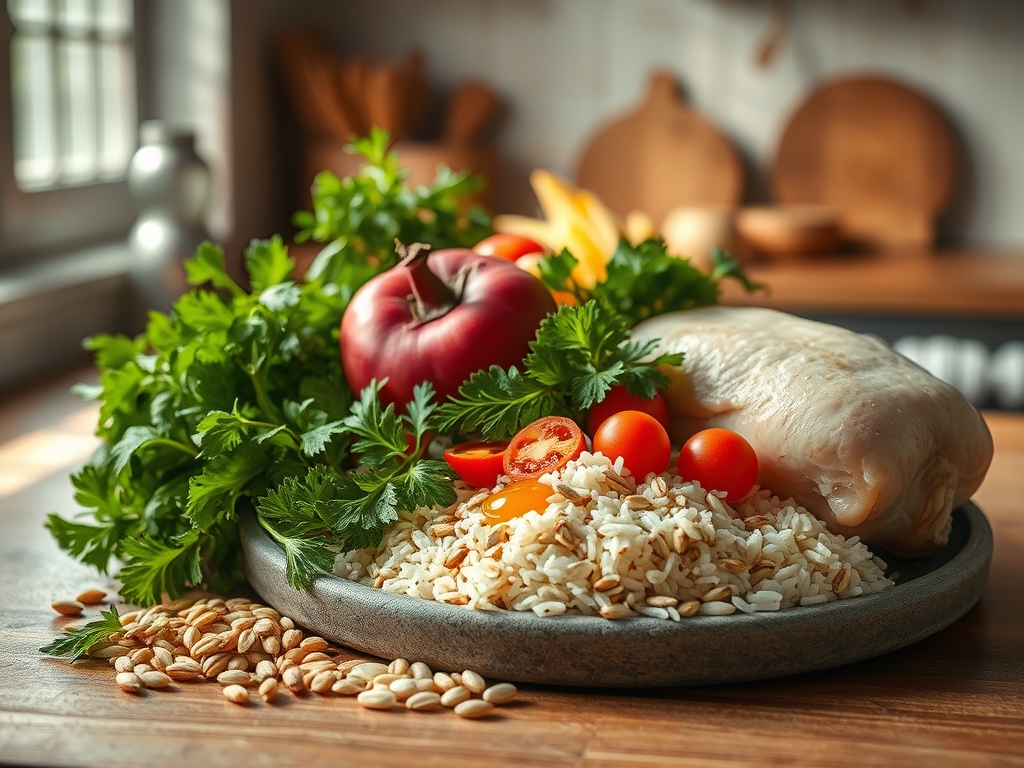
Before we ignite the burner, we must respect the mise-en-place. Our primary protein is the chicken. Use a digital scale to ensure portions are consistent; this guarantees even cooking times. For the rice, long-grain varieties like Basmati or Jasmine are preferred for their aromatic qualities and lower amylopectin content, which prevents excessive stickiness. You will need a high-quality fat source, such as unsalted butter or a neutral oil with a high smoke point, to facilitate heat transfer.
The aromatic base is non-negotiable. Gather fresh garlic, shallots, and ginger. Use a microplane to zest citrus or grate aromatics into a fine paste; this increases surface area and allows flavors to infuse the cooking liquid more rapidly. For the liquid component, a collagen-rich bone broth provides a viscous mouthfeel that water simply cannot match.
Smart Substitutions:
If you are out of fresh aromatics, high-quality dried spices can work, but remember that dried herbs are more concentrated. Use a one-to-three ratio. If you need a dairy-free alternative for creamy recipes, full-fat coconut milk offers the necessary lipids to mimic the richness of heavy cream. For a lower-glycemic option, you can substitute white rice with cauliflower rice, though you must adjust the liquid ratios significantly as cruciferous vegetables release water rather than absorbing it.
The Clock
Efficiency in the kitchen is governed by what professionals call the Chef's Flow. This is the art of overlapping tasks so that no second is wasted. Total prep time for these dishes usually clocks in at 15 minutes, with active cook times ranging from 20 to 30 minutes.
The flow begins with the rice. Since it requires a steady simmer and a subsequent rest period, start your grains first. While the rice undergoes gelatinization, you can focus on the chicken. By the time the chicken has reached its safe internal temperature and rested to allow for moisture redistribution, the rice will be perfectly aerated and ready for plating. This synchronized timing ensures that both components reach the table at their peak thermal state.
The Masterclass
1. The Rinse and Soak
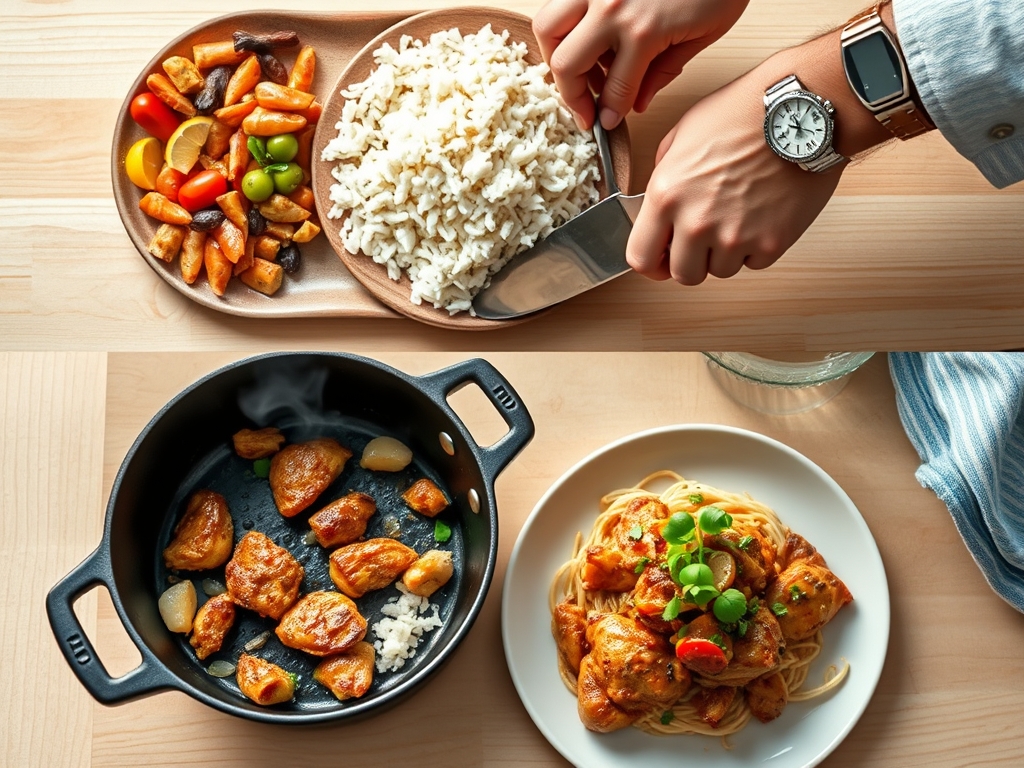
Place your rice in a fine-mesh strainer and rinse under cold water until the effluent runs clear. This removes excess surface starch that causes clumping. Soak the grains for ten minutes to initiate hydration.
Pro Tip: This step prevents the grains from fracturing during the boil. Scientifically, pre-hydration ensures the heat penetrates the core of the grain at the same rate as the exterior, resulting in a uniform bite.
2. The Sear and Render
Pat your chicken dry with paper towels. Moisture is the enemy of the Maillard reaction. Heat a heavy-bottomed skillet over medium-high heat, add oil, and place the chicken skin-side down. Use tongs to press the meat firmly against the metal.
Pro Tip: Do not move the meat for at least four minutes. This allows for enzymatic browning. If the meat sticks, the crust has not yet formed; the proteins will naturally release from the pan once the sear is complete.
3. The Deglaze
Once the chicken is removed, you will see brown bits stuck to the pan. This is called fond. Pour in a splash of white wine or broth and use a wooden spoon or bench scraper to lift these concentrated flavor particles.
Pro Tip: Deglazing is a chemical process where the liquid dissolves the caramelized proteins and sugars. This creates a complex base for any sauce, ensuring that no flavor is left behind on the steel.
4. The Aromatics Infusion
Lower the heat and add your minced garlic and shallots to the residual fat. Sauté until translucent and fragrant. This is the stage where you add dry spices to "bloom" them in the fat.
Pro Tip: Fat is a highly efficient flavor carrier. By heating spices in oil, you release fat-soluble volatile compounds that would otherwise remain trapped, significantly deepening the flavor profile of the final dish.
5. The Simmer and Steam
Combine the rice, liquid, and seared chicken back into the pot. Bring to a boil, then immediately drop to the lowest possible simmer and cover with a tight-fitting lid.
Pro Tip: Maintain a tight seal to create a pressurized steam environment. This ensures that the thermal energy is trapped, allowing the rice to absorb the liquid through capillary action without the bottom scorching.
6. The Rest and Fluff
Once the liquid is absorbed, remove from heat but keep the lid on for at least five minutes. Finally, use a fork or a rice paddle to gently aerate the grains.
Pro Tip: Resting allows for thermal carryover, finishing the center of the chicken without overcooking the exterior. It also allows the starch structures in the rice to firm up slightly, preventing the grains from mashing when stirred.
The Deep Dive
From a macro perspective, white rice and chicken recipes provide a balanced profile of complex carbohydrates and lean protein. A standard serving offers roughly 35 grams of protein and 45 grams of carbohydrates. To optimize this for different lifestyles, consider these swaps:
Vegan: Replace chicken with pressed extra-firm tofu or chickpeas and use vegetable bouillon.
Keto: Swap rice for konjac pearls or riced broccoli to drastically reduce net carbs.
Gluten-Free: Ensure your soy sauce is replaced with tamari or coconut aminos.
The Fix-It:
- Mushy Rice: You likely used too much liquid or over-stirred. Fix it by spreading the rice on a sheet pan and placing it in a low oven for five minutes to evaporate excess moisture.
- Dry Chicken: This happens when internal temps exceed 165 degrees Fahrenheit. Fix it by shredding the meat and tossing it in a viscous sauce or a bit of extra broth to rehydrate the fibers.
- Bland Flavor: Usually a lack of acidity. Add a squeeze of fresh lemon juice or a dash of rice vinegar at the very end to brighten the heavy fats and starches.
Meal Prep Science:
To maintain "day-one" quality when reheating, add a teaspoon of water to the container before microwaving. Cover it tightly to create a mini-steam chamber. This re-gelatinizes the rice starches, which often undergo retrogradation (turning hard and gritty) in the refrigerator.
The Wrap-Up
You are now equipped with the technical prowess to turn a simple bag of rice and a package of chicken into a gourmet rotation. By focusing on the science of the sear and the precision of the simmer, you elevate your home cooking from basic sustenance to culinary art. Remember, the best recipes are those where you understand the "why" behind every flip of the tongs. Now, go forth and create something delicious!
The Kitchen Table
How do I keep my chicken from getting rubbery?
Avoid overcooking by using a meat thermometer. Pull the chicken at 160 degrees Fahrenheit; thermal carryover will bring it to the safe 165-degree mark while it rests, preserving the delicate moisture within the protein fibers.
Why should I rinse white rice before cooking?
Rinsing removes excess surface starch that causes grains to glue together. This process ensures each grain remains distinct and fluffy, providing a professional texture rather than a gummy, porridge-like consistency in your final dish.
What is the best ratio for fluffy white rice?
For most long-grain white rice, use a 1:1.5 ratio of rice to liquid. This provides enough moisture for full gelatinization without leaving excess water that would result in a soggy, over-saturated texture.
Can I cook the chicken and rice in one pot?
Yes, this is called the "pilaf method." Searing the chicken first, then toasting the rice in the rendered fat before adding liquid, creates a cohesive flavor profile and simplifies the cleanup process significantly.
How do I add more flavor to plain white rice?
Instead of water, use a savory bone broth or coconut milk. You can also toast the dry grains in butter or oil with aromatics like garlic or starches like cumin before adding your cooking liquid.