
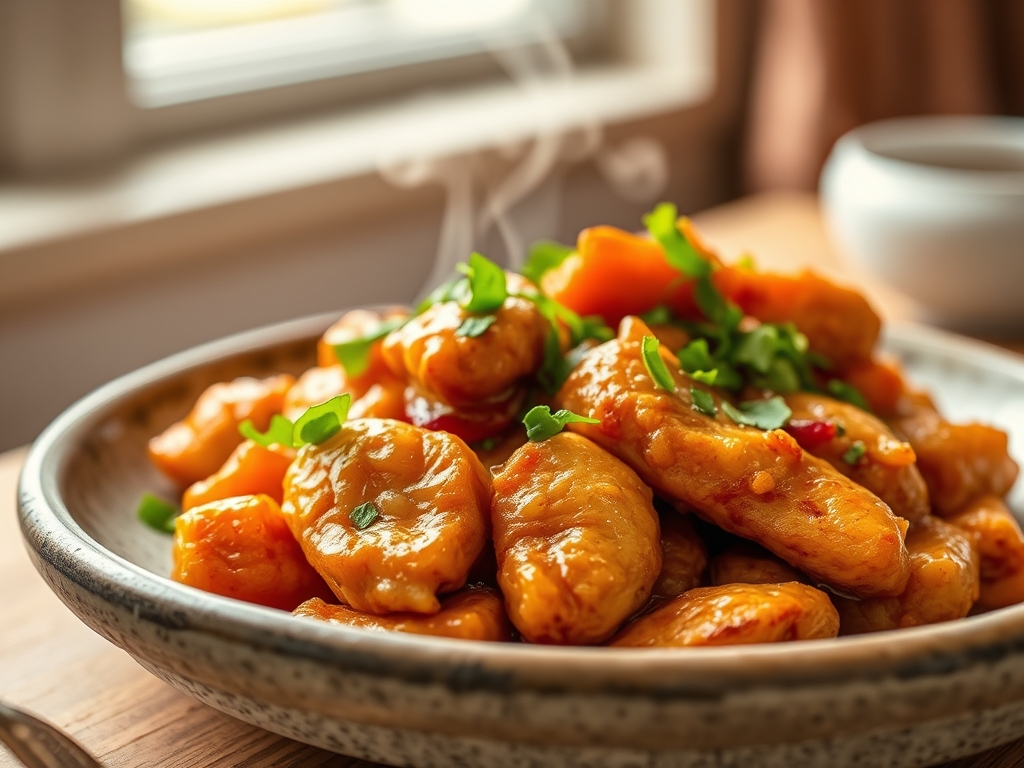
Close your eyes and listen for the rhythmic clatter of a heavy-bottomed skillet meeting a high-flame burner. That sound is the precursor to a symphony of scents: the sharp sting of toasted ginger, the deep musk of fermented soy, and the sweet, resinous cloud of sesame oil. When you are craving a takeout fix, these easy chinese chicken recipes are your secret weapon for a weeknight revolution. We are moving beyond the soggy, breaded cubes of the mall food court and stepping into a kitchen where high-heat chemistry creates restaurant-quality textures in under twenty minutes.
The magic of these dishes lies in the contrast between a crisp, seared exterior and a succulent, velvet-textured interior. You do not need a jet-engine wok to achieve this; you just need a basic understanding of how heat interacts with proteins and sugars. Whether you are whipping up a fiery Kung Pao or a silky Lemon Chicken, the goal is a balanced profile of salt, acid, and heat. This guide will walk you through the essential mechanics of Chinese home cooking so you can stop scrolling through delivery apps and start tossing your own culinary masterpieces.
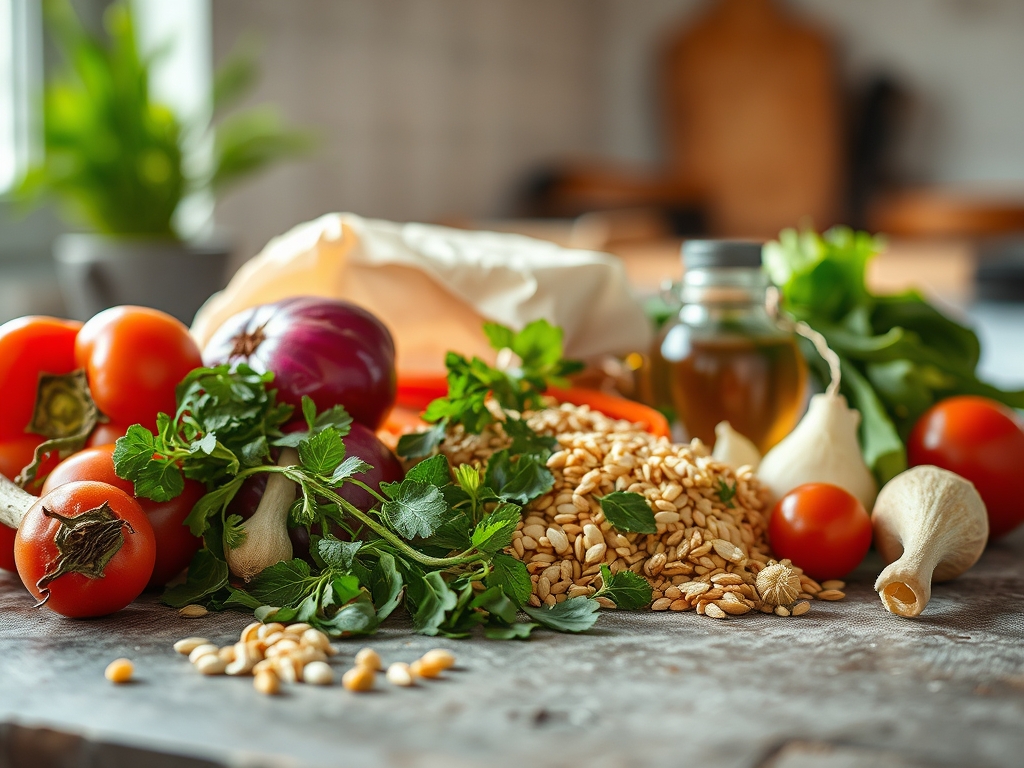
The Gathers:
Before you fire up the stove, you must master the art of mise-en-place. In Chinese cooking, the actual "cooking" part happens in a flash; the preparation is where the flavor is built. Your workstation should feature a digital scale for precise measurements of cornstarch and a sharp chef knife for uniform dicing. We are looking for high-surface-area cuts that allow for rapid heat transfer.
The core pantry for these easy chinese chicken recipes revolves around a few "heavy hitters." You will need light soy sauce for salt, dark soy sauce for that rich mahogany color, and Shaoxing wine to provide a complex, fermented backbone. If you cannot find Shaoxing wine, a dry sherry is a perfect Smart Substitution. For the aromatics, use a microplane to grate fresh ginger and garlic into a fine paste; this increases the surface area, allowing the essential oils to infuse into the cooking fat almost instantly.
If you are looking for a lighter touch, coconut aminos can replace soy sauce for a gluten-free alternative, while agave nectar can stand in for granulated sugar to provide a more viscous, floral sweetness. Always have a bowl of cornstarch slurry (a 1:1 ratio of starch to cold water) ready on the side. This is your primary thickening agent, turning a thin liquid into a glossy, lip-smacking glaze through the process of starch gelatinization.
The Clock
Efficiency in the kitchen is all about the "Chef's Flow." For these easy chinese chicken recipes, expect a total commitment of 30 minutes. The breakdown typically looks like 15 minutes of active prep (slicing, whisking, and grating) and 10 to 12 minutes of active cooking.
The flow begins with the marinade. Even a 10-minute soak in a mixture of egg white, cornstarch, and salt (a technique known as velveting) will change the protein structure of the chicken, protecting it from the harsh heat of the pan. While the chicken marinates, chop your vegetables and whisk your sauce. By the time your skillet is smoking hot, you should have nothing left to do but toss and stir. This prevents the dreaded "pan-scorch" that happens when you stop to chop an onion while the garlic is already browning.
The Masterclass
1. The Velvet Sear
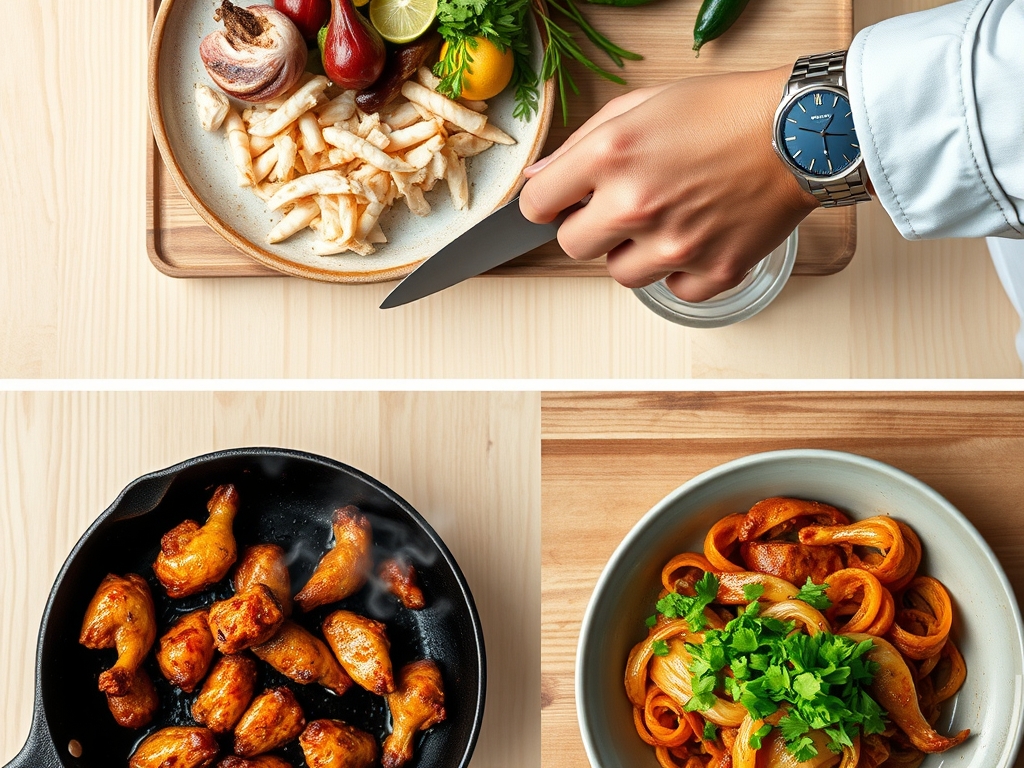
Start by heating a high-smoke-point oil (like peanut or avocado oil) in your skillet until it shimmers. Add your marinated chicken in a single layer, resisting the urge to stir immediately. Let the bottom develop a golden crust before using tongs to flip the pieces.
Pro Tip: This stage utilizes the Maillard reaction, a chemical reaction between amino acids and reducing sugars that creates hundreds of different flavor compounds. By not overcrowding the pan, you prevent the temperature from dropping, which would cause the chicken to steam in its own juices rather than sear.
2. The Aromatic Infusion
Once the chicken is 80 percent cooked, push it to the perimeter of the pan. Add your ginger, garlic, and scallion whites to the center. Use a bench scraper to quickly move any stray bits of garlic so they do not burn.
Pro Tip: This is called "blooming" the aromatics. The fat-soluble flavor compounds in garlic and ginger are released more effectively in hot oil than in water-based sauces. This creates a foundational layer of flavor that permeates the entire dish.
3. The Deglaze and Emulsify
Pour in your pre-mixed sauce. Use a wooden spoon or a saucier whisk to scrape up any browned bits (the fond) from the bottom of the pan. Bring the liquid to a vigorous simmer.
Pro Tip: As the liquid boils, the cornstarch molecules swell and trap water, a process called gelatinization. This creates a viscous coating that clings to the chicken. If the sauce looks broken or oily, add a tablespoon of water and stir rapidly to re-emulsify the fats and liquids.
4. The Final Toss and Garnish
Add your vegetables (like snap peas or bell peppers) during the last two minutes of cooking. You want them to retain their vibrant color and "snap." Finish with a drizzle of toasted sesame oil and a handful of fresh cilantro or scallion greens.
Pro Tip: Toasted sesame oil is a finishing oil, not a cooking oil. Its volatile aromatic compounds are destroyed by high heat, so adding it at the very end ensures the scent remains piquant and fresh.
The Deep Dive
From a macro perspective, these easy chinese chicken recipes are nutritional powerhouses. A standard serving provides approximately 35 grams of lean protein and is easily adjusted for caloric density. For a Keto version, swap the cornstarch for xanthan gum and use erythritol instead of sugar. For a Vegan twist, firm tofu or seitan can be velveted exactly like chicken, though you should press the tofu first to remove excess moisture.
The Fix-It: Technical Troubleshooting
- The Sauce is Gloopy: This happens when there is too much starch. Fix it by whisking in a splash of chicken broth or water over low heat until the desired consistency is reached.
- The Chicken is Tough: You likely skipped the velveting or overcooked the breast meat. Next time, use chicken thighs, which have more intramuscular fat and are more forgiving of high heat.
- The Dish is Too Salty: Do not add more water, which dilutes flavor. Instead, add a splash of rice vinegar or a squeeze of lime. The acid will balance the sodium perception on your palate.
Meal Prep Science
When reheating, avoid the microwave if possible, as it can make the chicken rubbery through uneven molecular agitation. Instead, use a small frying pan with a teaspoon of water. Cover the pan to create steam, which rehydrates the starch-based glaze and restores the "day-one" silkiness.
The Wrap-Up
You are now officially equipped to turn your kitchen into the best bistro in town. By mastering the science of the sear and the chemistry of the glaze, these easy chinese chicken recipes become more than just a meal; they are a showcase of your culinary prowess. Remember that cooking is a sensory dialogue. Listen to the sizzle, watch the sauce transform from opaque to translucent, and always taste as you go. Now, grab your favorite bowl, a pair of chopsticks, and enjoy the fruits of your labor!
The Kitchen Table
Can I use chicken breast instead of thighs?
Yes, but use the velveting technique. Coating the breast meat in a cornstarch and egg white slurry creates a protective barrier that prevents the lean protein from drying out during high-heat stir-frying.
What is the best oil for Chinese cooking?
Choose oils with a high smoke point, such as peanut, canola, or grapeseed oil. These fats can withstand temperatures over 400 degrees Fahrenheit without breaking down or releasing bitter-tasting compounds.
How do I make my sauce look shiny?
The "restaurant gloss" comes from a perfectly timed cornstarch slurry. Ensure the sauce reaches a full boil for at least thirty seconds to fully hydrate the starches and create a translucent, shimmering coating.
Why is my stir-fry soggy?
Sogginess occurs when the pan is overcrowded, causing the meat to steam rather than sear. Cook in small batches and ensure your skillet is smoking hot before adding ingredients to maintain a high evaporation rate.