
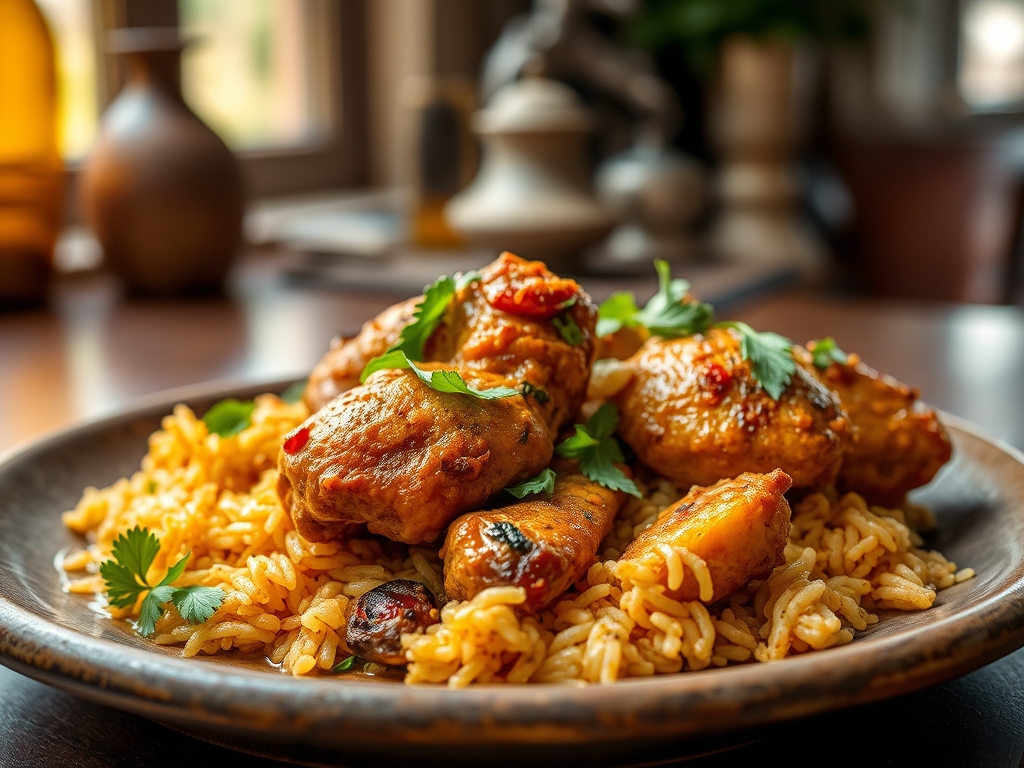
Imagine the air in your kitchen thickening with the scent of toasted cardamom and slow-rendered fat. That intoxicating aroma is the hallmark of the world's most regal comfort food. When you master biryani chicken recipes, you are not just cooking dinner; you are conducting a symphony of thermal layers and volatile aromatics. The perfect biryani is a study in contrast. You want long, individual grains of rice that feel like silk against the tongue, paired with chicken so tender it surrenders at the slightest pressure from a fork. It is a dish that demands respect for the process, but the rewards are visceral. We are chasing that elusive balance where the piquant heat of green chilies meets the cooling, creamy depth of a yogurt marinade. It is about the science of the steam, the precision of the soak, and the patience of the simmer. Put on your favorite apron and clear your counter. We are about to dive into the molecular magic that transforms humble poultry and grain into a masterpiece of spice and steam.
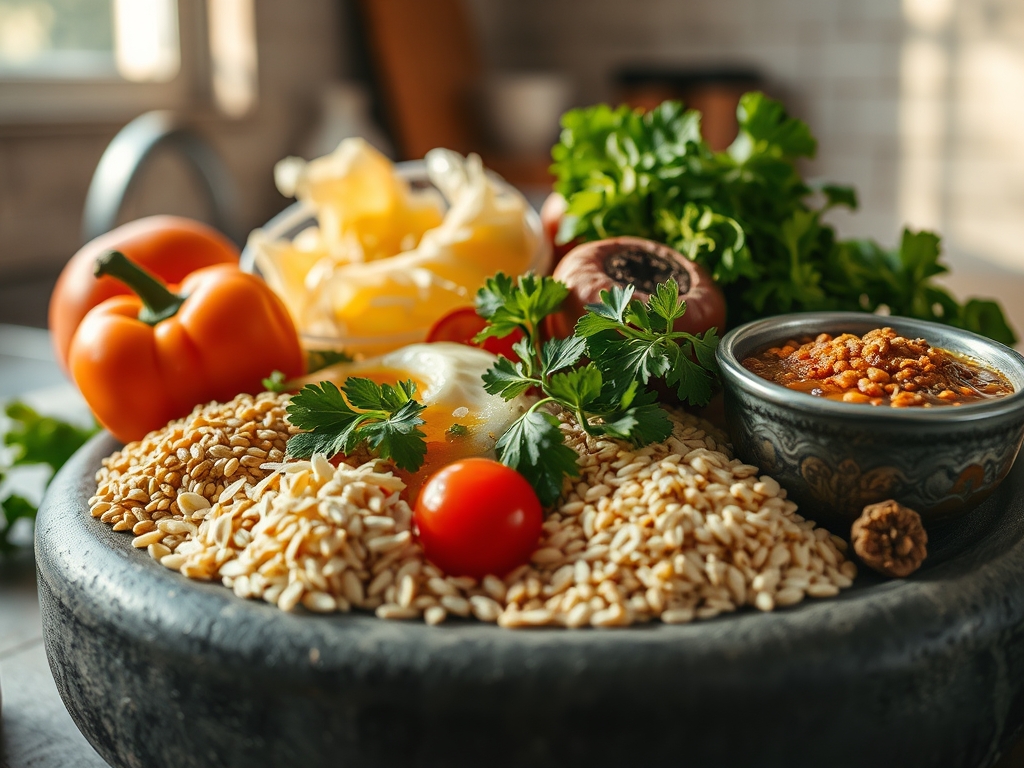
The Gathers:
To achieve a restaurant-quality result, your mise-en-place must be flawless. Start with long-grain Basmati rice, specifically aged varieties which have a lower moisture content and higher starch stability. For the protein, choose skinless, bone-in chicken thighs. The bone acts as a thermal conductor, ensuring the meat stays succulent during the high-heat transition.
Your spice kit is your laboratory. You will need whole green cardamom pods, cloves, cinnamon sticks, and star anise. These contain essential oils that only release when subjected to fat-soluble heat. For the wet base, use full-fat Greek yogurt; the lactic acid acts as a biological tenderizer by breaking down tough muscle fibers. Freshness is non-negotiable here. Use a microplane to grate ginger and garlic into a fine paste, ensuring they emulsify perfectly into the marinade without leaving fibrous chunks.
Smart Substitutions: If you cannot find saffron, a pinch of turmeric provides the golden hue, though you will miss the floral notes. For a dairy-free version, coconut milk yogurt offers a similar viscous quality, though it adds a tropical undertone. If you are short on time, a high-quality pre-made biryani masala can work, but always bolster it with fresh cilantro and mint to keep the flavors vibrant.
The Clock
Efficiency in the kitchen is about the Chef's Flow. Total preparation takes approximately 45 minutes, while the active cooking and "Dum" (steam) phase requires 60 minutes.
- The Marination (30-120 mins): This is passive time where the acid does the heavy lifting.
- The Par-Boil (10 mins): Precise timing is required to hit exactly 70 percent doneness for the rice.
- The Assembly (10 mins): Layering the components to create the steam chambers.
- The Dum (25 mins): The low-and-slow finish where the flavors fuse.
- The Rest (10 mins): Essential for moisture redistribution within the grain.
The Masterclass
1. The Acidic Marination
In a large glass bowl, toss your chicken with yogurt, ginger-garlic paste, chili powder, and salt. Use your hands to ensure every crevice is coated. This is where the flavor profile is anchored.
Pro Tip: This step utilizes enzymatic tenderization. The lactic acid in the yogurt gently denatures the proteins, allowing spices to penetrate deeper into the muscle tissue rather than just sitting on the surface.
2. The Golden Onion Render
Slice red onions into paper-thin rings using a mandoline. Fry them in a heavy-bottomed skillet with neutral oil until they reach a deep mahogany brown. Remove them with tongs and drain on paper towels.
Pro Tip: This is the Maillard reaction in its purest form. The browning creates complex sugars that provide the savory, umami backbone of the entire dish. Do not rush this; bitter, burnt onions will ruin the delicate rice.
3. The Scented Rice Par-Boil
Boil a large pot of water salted like the sea. Add whole spices to the water to infuse the grains from the inside out. Drop the soaked rice and cook for exactly 6 to 7 minutes. Use a digital scale to ensure your rice-to-water ratio for soaking was 1:2.
Pro Tip: We are aiming for starch gelatinization. By stopping at 70 percent, the rice retains a firm core that will absorb the chicken juices during the final steaming phase without turning into mush.
4. The Structural Layering
In a heavy pot or saucier, layer the marinated chicken at the bottom. Top with a generous handful of fried onions and fresh mint. Carefully spread the par-boiled rice over the top. Use a bench scraper to level the surface without crushing the grains.
Pro Tip: This creates a thermal gradient. The high heat at the bottom cooks the chicken and generates steam, which then rises through the rice layers, finishing them with flavored vapor.
5. The Saffron Infusion
Bloom saffron threads in warm milk for ten minutes. Drizzle this liquid in a circular motion over the top of the rice. Add small cubes of cold butter or ghee across the surface.
Pro Tip: This is about lipid-based flavor delivery. The fats in the ghee trap the volatile aromas of the saffron and spices, coating each grain of rice to prevent sticking while enhancing the mouthfeel.
6. The Dum Evolution
Seal the pot tightly with a heavy lid or a layer of foil to trap every bit of steam. Place on the lowest heat setting for 25 minutes. If using a thin pot, place a flat tawa or griddle underneath to distribute the heat evenly.
Pro Tip: This step relies on interstitial steam pressure. The sealed environment forces moisture back into the rice grains, ensuring they elongate to their maximum potential while the chicken reaches perfect internal temperature through carryover cooking.
The Deep Dive
Macro Nutrition: A standard serving of chicken biryani provides approximately 450 to 550 calories. It is a balanced meal, offering complex carbohydrates from the rice, high-quality protein from the chicken, and healthy fats from the ghee.
Dietary Swaps: For a Vegan version, swap chicken for extra-firm tofu or cauliflower florets and use coconut yogurt. For Keto enthusiasts, replace rice with riced cauliflower, though you must reduce the steaming time significantly to avoid a watery texture. This recipe is naturally Gluten-Free as long as your spice blends are pure.
The Fix-It:
- Mushy Rice: You overcooked the par-boil. Next time, drain the rice when it still has a "bite" in the center. To fix a current batch, uncover the pot and let the excess steam escape immediately.
- Burnt Bottom: The heat was too high. Always use a heat diffuser or a griddle under your pot. If it happens, do not scrape the bottom; serve only the top layers to avoid the scorched taste.
- Bland Meat: The salt was insufficient in the marinade. Salt is a flavor bridge; always taste your marinade before adding the raw chicken.
Meal Prep: Biryani actually improves the next day as the spices continue to hydrate. To reheat, avoid the microwave if possible. Instead, place a portion in a small pan with a teaspoon of water, cover, and steam on low heat. This restores the interstitial moisture without drying out the chicken.
The Wrap-Up
Mastering biryani chicken recipes is a rite of passage for any serious home cook. It is a dish that teaches you about patience, layering, and the delicate physics of steam. When you lift that lid and the first cloud of saffron-scented vapor hits your face, you will know exactly why this dish has endured for centuries. It is bold, it is complex, and it is designed to be shared. So, grab your largest platter, fluff those grains with a fork, and get ready for the standing ovation you deserve.
The Kitchen Table
Why is my biryani rice breaking?
Rice breaks when it is over-handled or soaked too long. Always use a gentle folding motion with a flat spoon. Ensure you only soak aged Basmati for 30 minutes to maintain the structural integrity of the grain.
Can I use chicken breast instead of thighs?
You can, but breasts dry out quickly during the long steaming process. If using breasts, cut them into larger chunks and increase the yogurt in the marinade to provide a protective moisture barrier against the heat.
What is the best way to get bright yellow rice?
Natural color comes from saffron bloomed in warm milk. For a more intense, "restaurant-style" yellow, add a tiny pinch of turmeric to the boiling water when you par-cook the rice for an even, golden hue.
How do I know when the chicken is fully cooked?
Since the pot is sealed, you cannot check visually. Trust the "Dum" timing of 25 minutes on low heat. The steam trapped inside creates an oven-like environment that consistently cooks bone-in pieces to a safe internal temperature.