
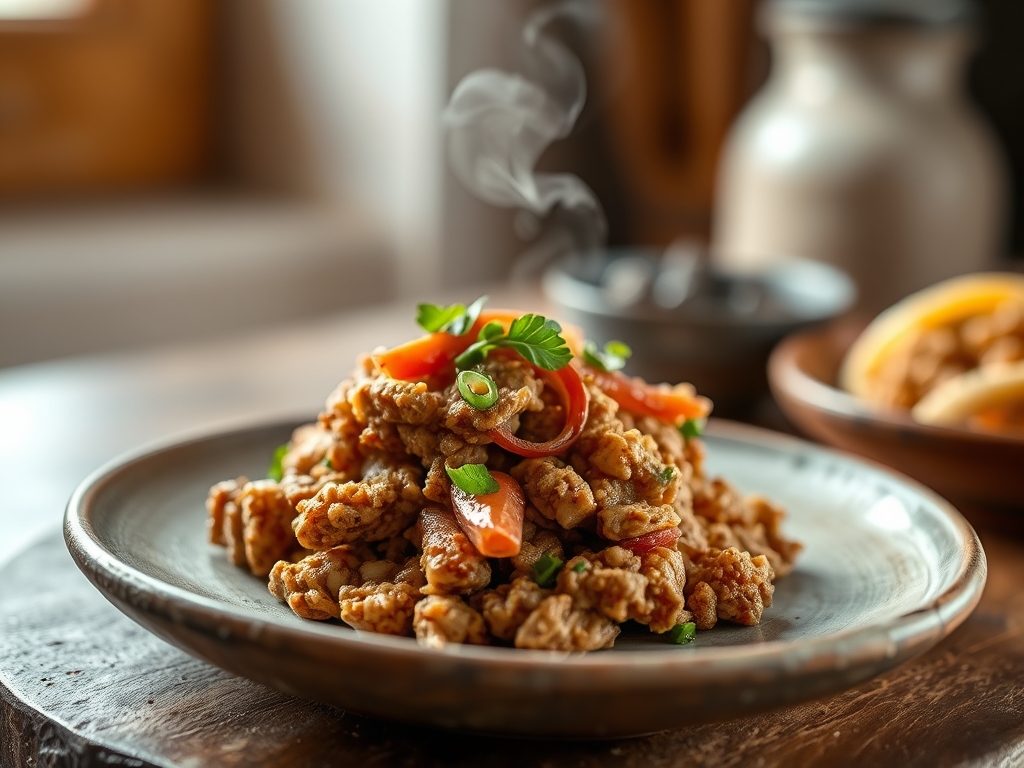
Picture the searing heat of a heavy-bottomed skillet meeting the cool, crisp snap of a butter lettuce cup. There is a specific, addictive magic in the way lean protein absorbs the deep umami of fermented soy and the bright zing of ginger. If you are hunting for versatile asian ground chicken recipes, you have found the ultimate culinary blueprint. We are moving beyond basic stir-fry into a world of high-velocity flavor and molecular precision.
Ground chicken is the ultimate blank canvas. Unlike beef, which carries a heavy fat profile, or pork, which can be overly sweet, chicken acts as a high-protein sponge for aromatic infusions. We are going to harness the power of the Maillard reaction to turn humble poultry into a caramelized masterpiece. Whether you are craving the spicy kick of a Thai Larb or the comforting depth of a Japanese Tsukune, these seven variations utilize a singular, mastered technique to ensure your weeknight dinner feels like a high-end bistro experience. Grab your apron and your favorite carbon steel wok; we are about to transform your kitchen into a center of gastronomic innovation.
The Gathers:
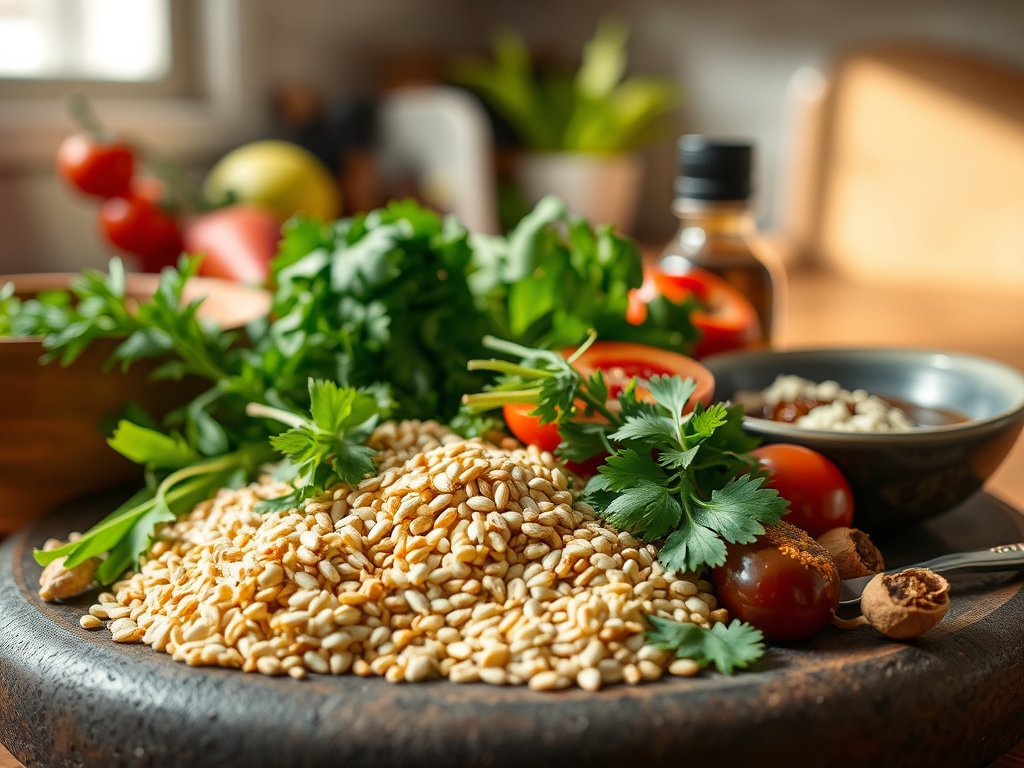
To execute these asian ground chicken recipes with professional finesse, your mise-en-place must be impeccable. We are looking for a balance of textures: the crunch of water chestnuts, the sharp bite of scallions, and the viscous coating of a well-emulsified sauce. Start with high-quality ground chicken, ideally a 90/10 lean-to-fat ratio to ensure the meat remains succulent without becoming greasy.
You will need your aromatic heavy hitters: fresh ginger root, garlic cloves, and lemongrass. Use a microplane to grate your ginger into a fine paste; this increases the surface area and allows the gingerols to infuse the oil more rapidly. For the liquid components, gather premium soy sauce (or tamari for a gluten-free profile), toasted sesame oil, and rice vinegar. The "Smart Substitution" secret? If you lack Shaoxing wine, a dry sherry provides the same acidic backbone and complex fermented notes. If you are watching sodium, coconut aminos offer a lower-salt alternative with a subtle, natural sweetness that mimics the profile of mirin.
The Clock
Efficiency in the kitchen is about "Chef's Flow." This refers to the logical sequencing of tasks to minimize downtime and maximize heat retention. Total preparation for these dishes averages 15 minutes of active chopping and 10 minutes of high-heat cooking.
The flow begins with the "Cold Prep": dicing aromatics and whisking your sauce components in a small saucier. Once the heat is applied, the process accelerates. Ground chicken cooks rapidly due to its high surface-area-to-volume ratio. By the time the meat reaches an internal temperature of 165 degrees Fahrenheit, your vegetables should still retain their structural integrity. Total time from fridge to table is roughly 25 minutes, making this the gold standard for high-density, low-effort nutrition.
The Masterclass
1. Temper and Prep the Protein
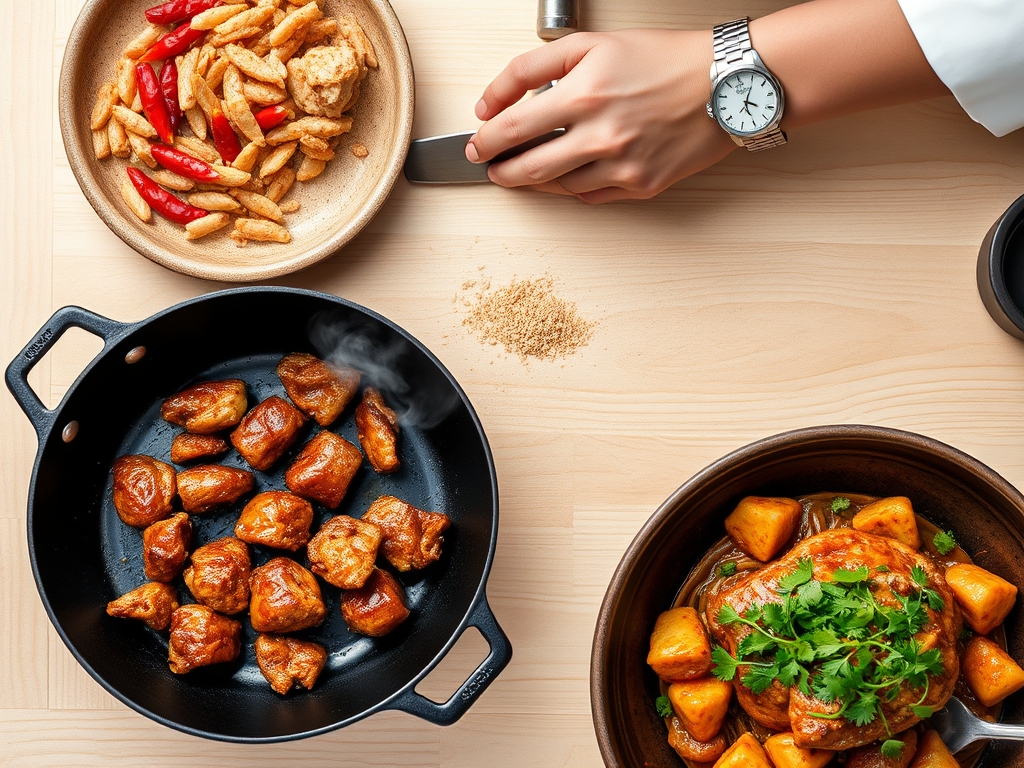
Remove the chicken from the refrigerator 10 minutes before cooking. Use a digital scale to portion your meat if you are meal prepping. Pat the surface dry with a paper towel to remove excess moisture.
Pro Tip: Reducing surface moisture is vital for enzymatic browning. If the meat is too wet, it will steam in its own juices rather than sear, resulting in a grey texture instead of a golden, flavorful crust.
2. The Aromatic Infusion
Heat your skillet or wok over medium-high heat until a drop of water flicked onto the surface dances and evaporates instantly. Add a high-smoke-point oil (like grapeseed or avocado) and toss in your minced garlic and ginger.
Pro Tip: This process is called blooming. The heat draws out the fat-soluble flavor compounds in the aromatics, seasoning the oil itself, which then coats every molecule of the chicken.
3. The High-Heat Sear
Increase the heat to high and add the chicken. Use a bench scraper or a sturdy wooden spoon to break the meat into small, uniform crumbles. Spread it into an even layer and leave it undisturbed for 2 minutes.
Pro Tip: Resisting the urge to stir allows for thermal carryover. The intense heat creates a concentrated layer of flavor on the bottom of the pan, known as the fond, which provides the base for your sauce.
4. Deglaze and Emulsify
Once the chicken is browned, pour in your prepared sauce mixture. Use your spoon to scrape up the browned bits from the bottom of the pan.
Pro Tip: This is deglazing. The liquid dissolves the caramelized proteins (fond), integrating them back into the sauce. As the sugars in the sauce reduce, they become more viscous, creating a glossy lacquer that clings to the meat.
5. The Fresh Finish
Turn off the heat and fold in your delicate ingredients: sliced scallions, cilantro, or a squeeze of fresh lime juice. The residual heat is enough to soften them without destroying their vibrant color.
Pro Tip: Adding acids like lime juice at the very end prevents the heat from dulling the flavor. This provides a piquant contrast to the salty, savory elements of the dish.
The Deep Dive
When we look at the macro profile of these asian ground chicken recipes, we see a nutritional powerhouse. A standard serving provides approximately 25 grams of protein with minimal carbohydrates, depending on your choice of wrap or base.
For those following specific dietary paths, these recipes are incredibly flexible. To make them Keto, swap the sugar in any sauce for liquid monk fruit and serve the chicken in cabbage leaves. For a Vegan twist, crumbled extra-firm tofu or tempeh can be treated with the exact same searing technique.
The Fix-It: Common Pitfalls
- The Meat is Rubbery: You likely over-crowded the pan. Cook in batches to maintain high heat.
- The Sauce is Too Salty: Balance the salinity with a splash of rice vinegar or a teaspoon of honey.
- The Garlic Burnt: You added it too early. Always add garlic after the pan has slightly cooled or right before the meat to prevent bitterness.
Meal Prep Science
To maintain "day-one" quality, store the chicken and the "crunchy" elements (like lettuce or sprouts) in separate containers. When reheating, add a teaspoon of water to the chicken and cover it loosely. This creates a steam chamber that rehydrates the proteins without toughening them.
The Wrap-Up
Mastering asian ground chicken recipes is like gaining a superpower for your weekly menu. You have the technical knowledge to balance umami, acidity, and heat while maintaining the perfect texture. These dishes prove that "healthy" does not have to mean "bland." By focusing on the science of the sear and the art of the infusion, you are creating meals that are as sophisticated as they are satisfying. Now, get into that kitchen and let the aromatics fly!
The Kitchen Table
Can I use ground turkey instead of chicken?
Yes, ground turkey is an excellent substitute. It has a similar fat content and neutral flavor profile. However, turkey can be slightly drier, so ensure you do not overcook it past the 165 degree Fahrenheit safety mark.
How do I get the chicken extra crispy?
The secret is a hot pan and patience. Do not stir the meat immediately after adding it to the skillet. Let it sit undisturbed for several minutes to allow the Maillard reaction to create a deep, flavorful crust.
What is the best way to store leftovers?
Store the cooked chicken in an airtight container in the refrigerator for up to four days. Keep any fresh toppings, like herbs or lettuce cups, in separate containers to prevent them from wilting or becoming soggy.
Can I freeze these chicken recipes?
Absolutely. Ground chicken stir-fries freeze beautifully. Allow the meat to cool completely before placing it in a freezer-safe bag. It will stay fresh for up to three months. Thaw in the refrigerator overnight before reheating.