
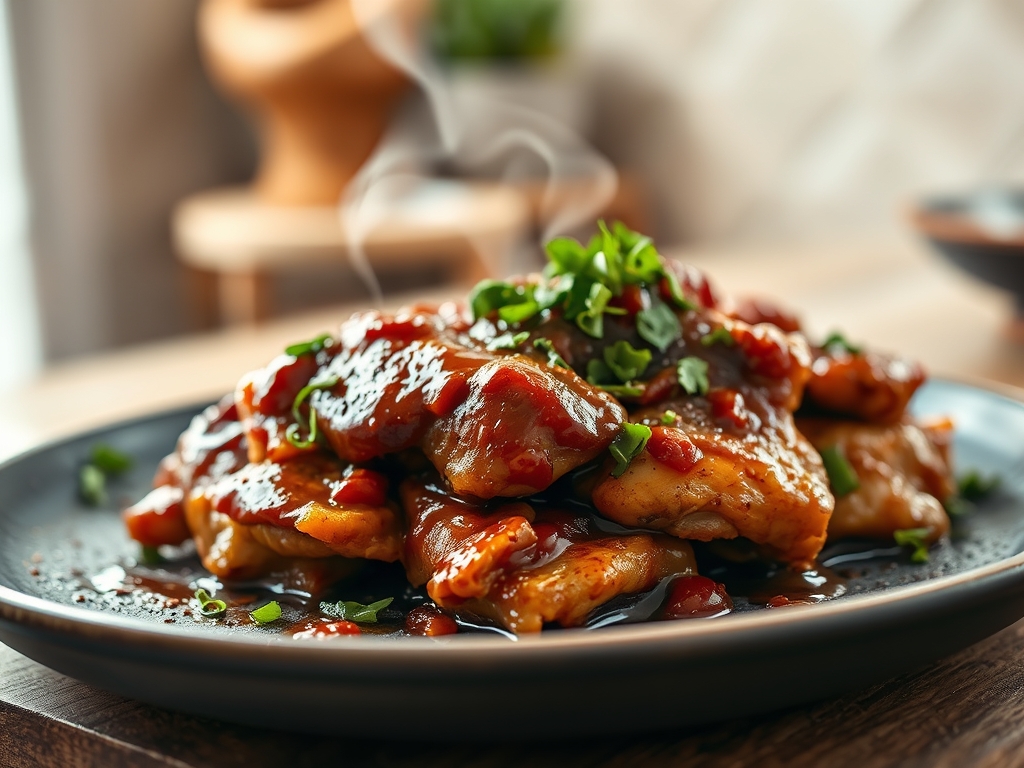
Imagine the scent of caramelized molasses and smoky hickory wafting through your kitchen at 4:00 PM while you are still finishing your last Zoom call. That is the magic of mastering crock pot bbq chicken recipes. It is not just about dumping sauce over poultry; it is about the chemistry of low and slow heat transforming humble protein into a succulent, fork tender masterpiece that practically melts.
The secret to a truly elite result lies in the balance of acidity and sugar. When you cook chicken in a slow cooker, you are essentially performing a long form braise. The collagen in the connective tissues begins to break down into gelatin at approximately 160 degrees Fahrenheit. This process creates that luxurious, lip smacking mouthfeel we crave. If you have ever suffered through dry, stringy shredded chicken, it is likely because the pH balance of your sauce was off or the internal temperature spiked too quickly. Today, we are fixing that with a blend of culinary precision and cozy kitchen vibes. We are going to dive deep into the mechanics of the Maillard reaction and moisture retention to ensure your weeknight dinner feels like a five star barbecue pit performance.
The Gathers:
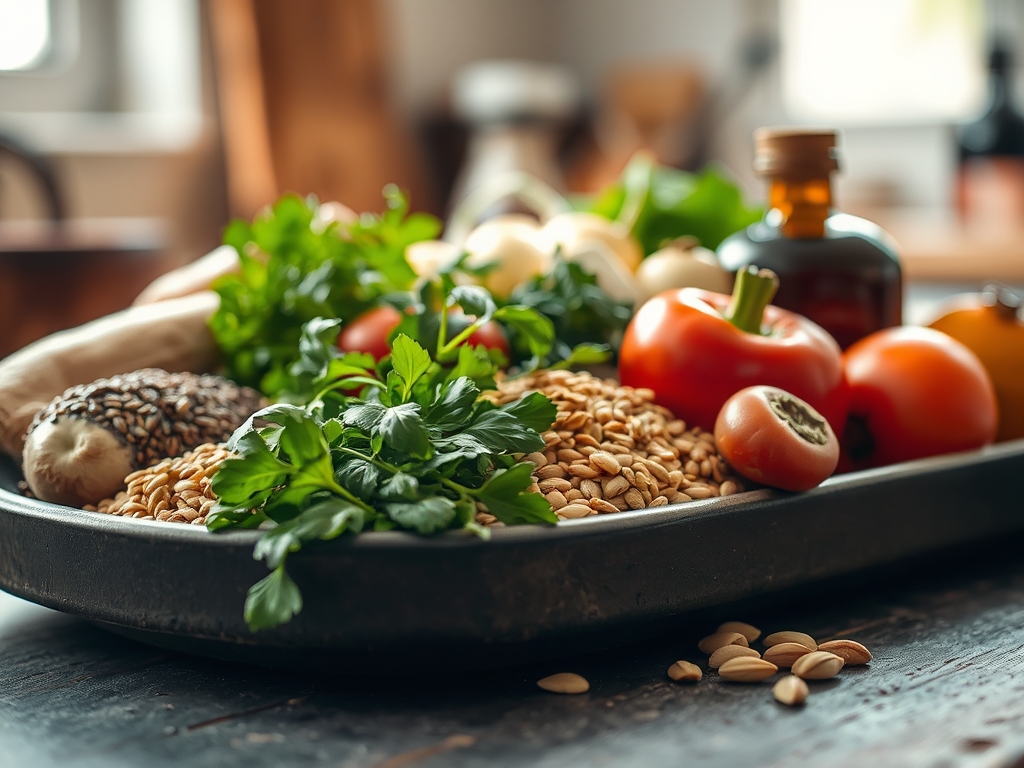
To begin, clear your workspace with a bench scraper to ensure a pristine surface for your mise-en-place. We are looking for high quality, organic chicken breasts or thighs; thighs are preferable for beginners due to their higher fat content and resistance to overcooking. You will need a digital scale to measure out 2.5 pounds of meat. For the sauce, gather a high quality ketchup base, apple cider vinegar for that piquant snap, brown sugar for caramelization, and a dash of liquid smoke for depth.
Do not forget the aromatics. Use a microplane to grate fresh garlic and yellow onion directly into the pot. This creates a fine paste that integrates into the sauce rather than leaving chunky bits. Smart Substitutions: If you are dodging refined sugar, swap the brown sugar for coconut sugar or a touch of honey. If you want a deeper umami profile, add a tablespoon of Worcestershire sauce or even a splash of dark soy sauce. The goal is to create a viscous liquid that will cling to the fibers of the meat once it is shredded.
The Clock
Efficiency is the hallmark of a great home chef. Your active prep time should be exactly 15 minutes. This is the Chef's Flow: spend five minutes trimming the silverskin from your chicken with a sharp boning knife, five minutes whisking your sauce in a saucier, and five minutes layering everything into the ceramic insert.
The cooking duration is non-negotiable for texture. Set your crock pot to "Low" for 6 to 7 hours. While "High" for 3 to 4 hours is tempting, the rapid heat causes the muscle fibers to contract violently, squeezing out the moisture before the collagen has a chance to melt. Slow and steady wins the texture race every single time.
The Masterclass
1. The Dry Brine and Sear
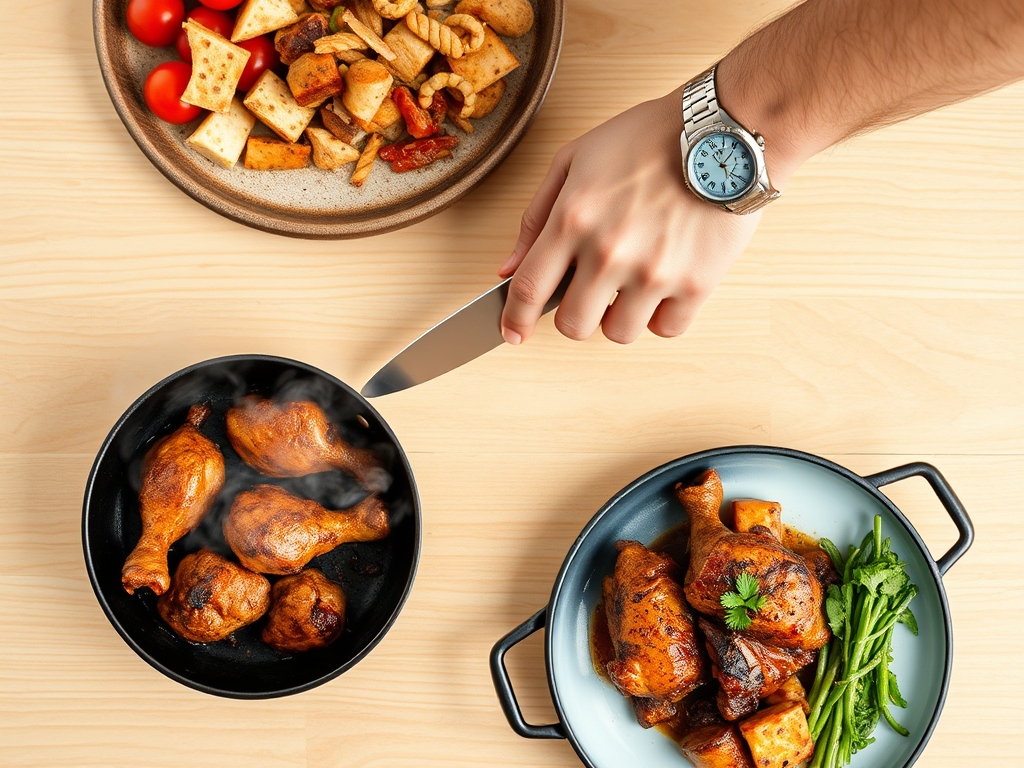
Before the chicken ever touches the slow cooker, pat it dry with paper towels. Season aggressively with kosher salt and smoked paprika. If you have the time, sear the meat in a heavy-bottomed skillet for two minutes per side.
Pro Tip: This triggers the Maillard reaction, a chemical reaction between amino acids and reducing sugars that creates hundreds of flavor compounds you simply cannot get from boiling or steaming alone.
2. Layering the Aromatics
Place your grated onion and garlic at the bottom of the crock pot. This creates a "flavor bed" that prevents the chicken from sticking to the ceramic and allows the aromatics to infuse the rendered juices from the bottom up.
Pro Tip: Onions contain natural sugars that undergo enzymatic browning even at low temperatures, providing a savory foundation for the entire dish.
3. The Sauce Emulsification
Whisk your BBQ sauce components in a separate bowl before pouring. Do not just dump them in layers. You want a homogenous mixture to ensure the acidity is evenly distributed.
Pro Tip: Using a whisk helps to aerate the sauce slightly and ensures that the spices are suspended evenly, preventing "spice clumps" in the final shred.
4. The Low and Slow Braise
Cover the pot and resist the urge to peek. Every time you lift the lid, you lose significant heat and moisture, which can add 20 minutes to your cook time.
Pro Tip: Maintaining a consistent internal atmosphere allows for thermal equilibrium, ensuring the thickest part of the breast reaches the safe zone without the edges becoming "chalky."
5. The Strategic Shred
Once the timer hits, remove the chicken to a large bowl. Use two forks or a stand mixer with the paddle attachment to shred the meat while it is still piping hot.
Pro Tip: Shredding while hot utilizes capillary action, allowing the meat fibers to soak up the residual sauce like a sponge before the proteins tighten up as they cool.
6. The Reduction Phase
If your sauce looks too thin, pour it into a saucier and simmer it on the stove for ten minutes to reduce. This concentrates the sugars and creates a glossy finish.
Pro Tip: This is called evaporative concentration. By removing water, you intensify the flavor profile and create a more viscous coating that sticks to the chicken.
7. The Final Marriage
Toss the shredded meat back into the concentrated sauce and let it sit on the "Warm" setting for 20 minutes before serving.
Pro Tip: This final rest allows for moisture redistribution, ensuring every single bite is as juicy as the first.
The Deep Dive
From a nutritional standpoint, this dish is a protein powerhouse. A standard 4 ounce serving contains roughly 25 grams of protein and 180 calories, depending on your sauce's sugar content.
Dietary Swaps: For a Keto version, use a monk fruit sweetened BBQ sauce and skip the honey. For a Vegan twist, swap the chicken for canned young green jackfruit; the texture is shockingly similar when shredded. To keep it Gluten Free, always double check your Worcestershire sauce and liquid smoke labels for hidden barley malt.
The Fix-It:
- Too Salty? Add a teaspoon of apple cider vinegar or a squeeze of lime. Acidity cuts through salt perception.
- Too Runny? Whisk a teaspoon of cornstarch with cold water to create a slurry, then stir it into the hot sauce.
- Too Tough? You likely cooked it on "High" for too long. Next time, add a splash of chicken bone broth to help rehydrate the fibers.
Meal Prep: To reheat, avoid the microwave if possible as it rubberizes the protein. Instead, use a small skillet over low heat with a tablespoon of water to create steam, restoring that "day-one" tenderness.
The Wrap-Up
Mastering crock pot bbq chicken recipes is your ticket to stress free hosting and delicious, high protein meal prepping. By understanding the science of the Maillard reaction and the patience of a low temperature braise, you have elevated a simple pantry staple into a culinary triumph. Grab your tongs, get that slow cooker humming, and enjoy the most effortless gourmet meal of your week!
The Kitchen Table
Can I put frozen chicken in the crock pot?
It is not recommended for safety. Frozen meat stays in the "danger zone" (40 to 140 degrees Fahrenheit) for too long, allowing bacteria to multiply. Always thaw your poultry completely in the refrigerator before starting your slow cooker recipe.
How do I prevent the chicken from becoming mushy?
Mushiness usually results from overcooking or adding too much liquid. Stick to the 6 to 7 hour window on "Low" and avoid adding extra water or broth; the chicken will release its own natural juices during the rendering process.
What is the best way to shred the chicken quickly?
For the most efficient shred, use a stand mixer with the paddle attachment on low speed for 30 seconds. If you prefer a more rustic, chunky texture, use two large forks or specialized "meat claws" to pull the fibers apart manually.
Can I use chicken thighs instead of breasts?
Absolutely. Thighs are actually more forgiving in a slow cooker because they contain more fat and connective tissue. This results in a richer flavor and a more moist texture that is nearly impossible to overcook compared to leaner breast meat.