
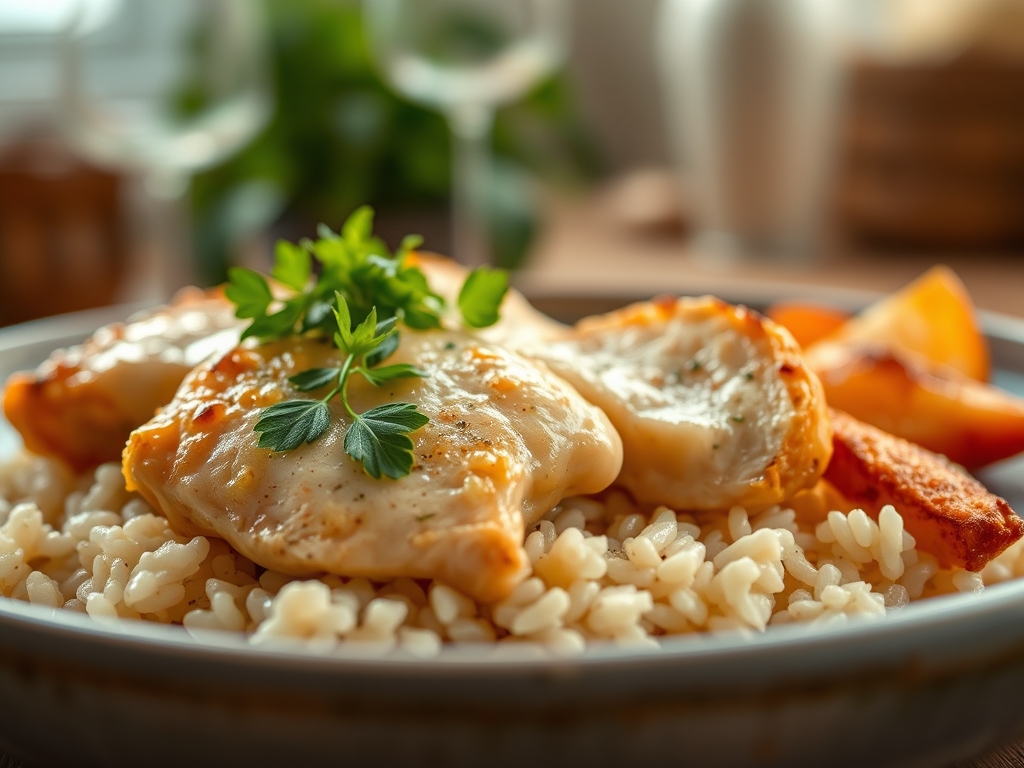
Imagine the steam rising from a heavy bottomed skillet; it carries the scent of roasted poultry and savory aromatics. When life gets chaotic, chicken recipes with rice and cream of chicken soup offer the ultimate culinary hug. This combination relies on a thick emulsion and starch to create a texture that is both velvety and deeply satisfying.
The beauty of these dishes lies in their structural simplicity. You are essentially building a flavor foundation through protein browning and then suspending that intensity in a creamy, starch-stabilized matrix. It is the perfect marriage of convenience and classic French-inspired sauce techniques. Whether you are using a digital scale to portion out your long grain rice or relying on a reliable saucier to keep your liquids moving, the results are consistently luxurious. We are moving beyond basic casseroles into the realm of intentional, high-flavor comfort food.

The Gathers:
To achieve a restaurant-quality finish, your mise-en-place must be precise. Start with high-quality chicken breasts or thighs; thighs are preferred for their higher fat content, which ensures the meat remains succulent during the simmering process. You will need a concentrated cream of chicken soup, which acts as a pre-emulsified base. For the rice, choose a variety that suits your texture preference. Long-grain white rice offers a fluffy separation, while Arborio provides a starchy, risotto-like cling.
Your aromatics are the backbone of this dish. Have your yellow onions, garlic cloves, and celery stalks ready on your cutting board. Use a sharp chef knife to achieve a fine dice, ensuring even heat distribution. You will also need a high-smoke-point oil or unsalted butter to render the fats and begin the Maillard reaction. Fresh herbs like thyme or rosemary add a piquant brightness that cuts through the heavy creaminess of the canned soup.
Smart Substitutions: If you are out of cream of chicken, a cream of mushroom or celery soup works beautifully as a structural replacement. For a lighter profile, swap half of the soup for Greek yogurt to add a tangy acidity. If you find yourself without rice, pearl barley or farro can provide a nutty, chewy alternative that stands up well to long cook times.
The Clock
Efficiency in the kitchen is about mastering the "Chef's Flow." Total preparation time for these chicken recipes with rice and cream of chicken soup usually clocks in at fifteen minutes, with a cook time of thirty to forty minutes. The goal is to overlap tasks so that no heat is wasted. While your chicken is searing in the skillet, use that time to rinse your rice. This removes excess surface starch, preventing the dish from becoming a gummy mass.
The "Chef's Flow" dictates that you should always prep your aromatics before the pan touches the flame. Once the chicken begins to brown, the clock starts. You want to time your rice absorption perfectly so the grains reach peak hydration just as the chicken hits an internal temperature of 165 degrees Fahrenheit. Using a digital thermometer ensures you never cross the line into dry, overcooked territory.
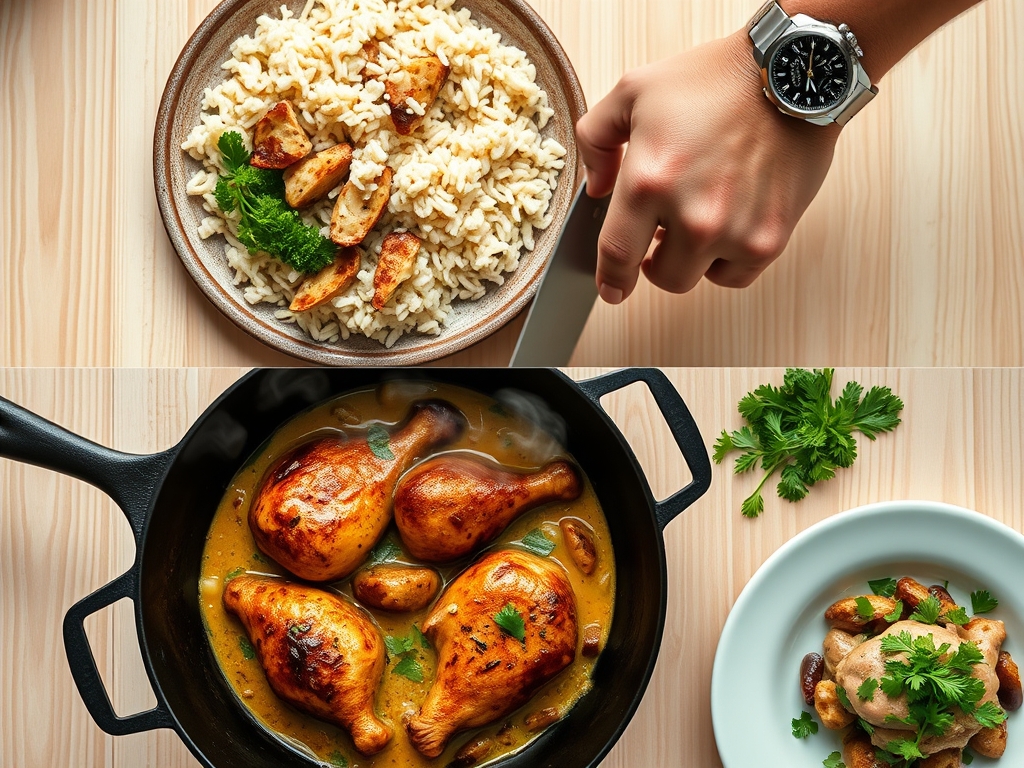
The Masterclass
1. Sear the Protein
Place your seasoned chicken in a preheated heavy-bottomed skillet with a splash of oil. Do not crowd the pan; this allows the moisture to evaporate quickly, facilitating the Maillard reaction. Use stainless steel tongs to flip the pieces once a golden-brown crust forms.
Pro Tip: This browning is not just for color. It creates "fond," the caramelized protein bits stuck to the bottom of the pan, which provide a deep, savory base for your sauce through deglazing.
2. Sauté the Aromatics
Remove the chicken and add your diced onions and celery to the residual fat. Use a wooden spoon or a bench scraper to agitate the vegetables until they become translucent. This process, known as sweating, releases the natural sugars without burning them.
Pro Tip: Adding a pinch of salt now draws out moisture via osmosis, which speeds up the softening process and prevents the garlic from scorching later.
3. Toast the Rice
Add your dry rice directly to the pan with the vegetables. Stir constantly for two minutes until the edges of the grains become translucent and a nutty aroma fills the air. This coat of fat helps each grain remain distinct after cooking.
Pro Tip: Toasting the rice creates a physical barrier of dextrinized starch, which prevents the grains from absorbing water too quickly and turning into mush.
4. Integrate the Cream Base
Whisk your cream of chicken soup with a bit of chicken stock or water before pouring it into the pan. Use a whisk to ensure the mixture is smooth and viscous. Return the chicken to the pan, nestling it into the liquid.
Pro Tip: The emulsifiers in the soup (usually lecithin or modified starches) help bind the water and fats together, preventing the sauce from breaking or curdling under high heat.
5. Simmer and Hydrate
Lower the heat to a gentle simmer and cover the pan with a tight-fitting lid. This creates a closed thermal environment where steam cooks the rice and chicken simultaneously. Check the liquid levels halfway through to ensure the rice has enough hydration to fully expand.
Pro Tip: Keep the lid on to maintain "thermal carryover." Every time you lift the lid, you lose significant heat and moisture, which can lead to unevenly cooked rice.
The Deep Dive
From a nutritional standpoint, these chicken recipes with rice and cream of chicken soup are macro-dense. A standard serving provides roughly 35 grams of protein, 40 grams of carbohydrates, and 12 grams of fat. While high in sodium due to the canned soup, you can balance this by using low-sodium stocks and fresh, unseasoned poultry.
Dietary Swaps: To make this Gluten-Free, ensure your canned soup is certified GF, as many use wheat flour as a thickener. For a Keto-friendly version, replace the rice with cauliflower rice and use a heavy cream and xanthan gum reduction instead of the soup. For a Vegan twist, use soy curls and a cashew-based "cream of chicken" substitute.
The Fix-It:
- The Sauce is Too Thick: Whisk in warm chicken broth one tablespoon at a time until the desired viscosity is reached.
- The Rice is Crunchy: Add a quarter cup of boiling water, seal the lid tightly, and let it sit off the heat for ten minutes to finish steaming.
- The Dish is Bland: Use a microplane to zest a lemon over the top or add a dash of Worcestershire sauce to provide a hit of umami and acidity.
Meal Prep: When reheating, the rice will have absorbed most of the sauce. To restore "day-one" quality, add a splash of milk or water before microwaving. This creates steam that re-hydrates the starch molecules without making the chicken rubbery.
The Wrap-Up
Mastering chicken recipes with rice and cream of chicken soup is about understanding the chemistry of comfort. By focusing on the Maillard reaction, starch hydration, and emulsification, you transform pantry staples into a sophisticated meal. These dishes are forgiving, flavor-forward, and perfect for anyone looking to balance a busy schedule with a love for high-quality home cooking. Grab your favorite skillet and start simmering; your kitchen is about to smell incredible.
The Kitchen Table
Can I use brown rice in this recipe?
Yes; however, brown rice requires significantly more liquid and a longer cook time (about 45 minutes). Add an extra half cup of broth and ensure the chicken is added later so it does not overcook while the rice softens.
How do I prevent the cream soup from curdling?
Avoid boiling the sauce aggressively. Keep the heat at a low simmer. The starches in the soup act as stabilizers, but extreme heat can still cause the fats to separate from the liquid base, ruining the smooth texture.
What is the best way to store leftovers?
Store in an airtight container in the refrigerator for up to four days. Because rice is prone to bacterial growth, cool the dish quickly by spreading it in a shallow pan before transferring it to the fridge for safety.
Can I make this in a slow cooker?
Absolutely. Place the chicken and soup in the crockpot for 4-6 hours on low. Add the rice during the last 45 minutes of cooking to ensure it stays firm and does not turn into a thick, over-processed paste.