
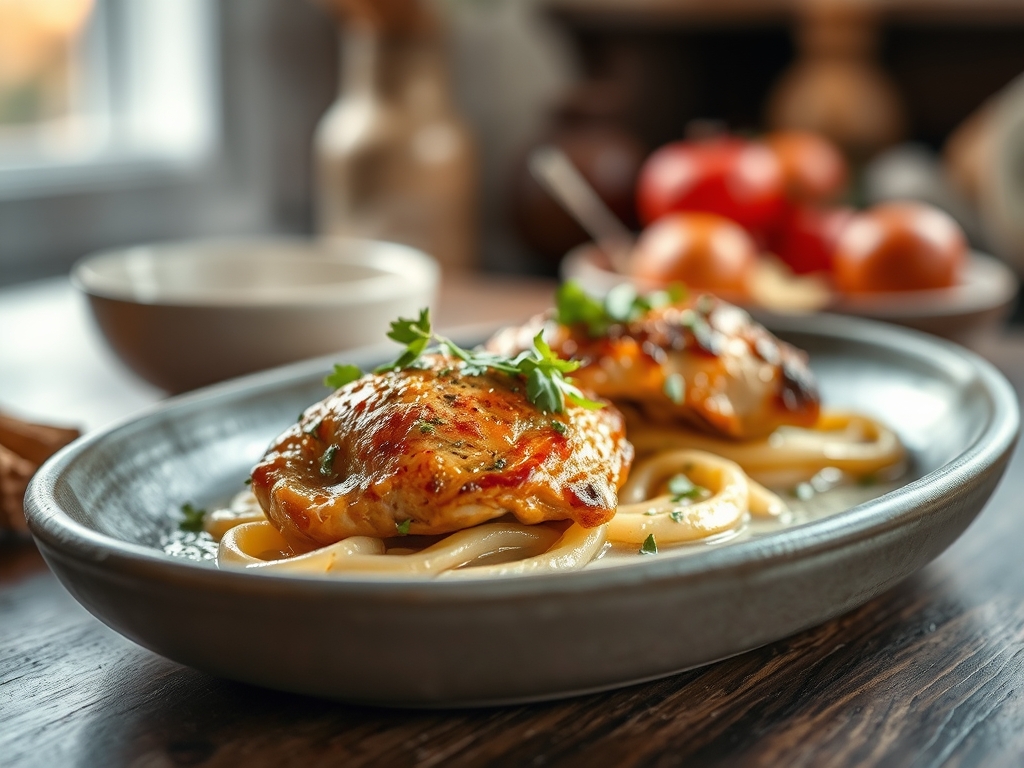
The scent of toasted cumin and charred poblano peppers is currently dancing through my kitchen; it is a fragrant, smoky invitation that signals one thing: we are mastering santa fe chicken recipes today. This is not just about throwing poultry in a pan. We are diving into the high-heat chemistry of the Southwest, where the piquant acidity of lime meets the deep, earthy richness of black beans and corn. Imagine chicken breasts that are shatter-crisp on the outside but yield to a succulent, tender interior. Whether you are looking for a thirty-minute weeknight rescue or a slow-simmered Sunday masterpiece, these nine variations on the Santa Fe theme provide the perfect balance of heat, smoke, and soul. Grab your favorite heavy-bottomed skillet and let us get technical with some flavor.
The Gathers:
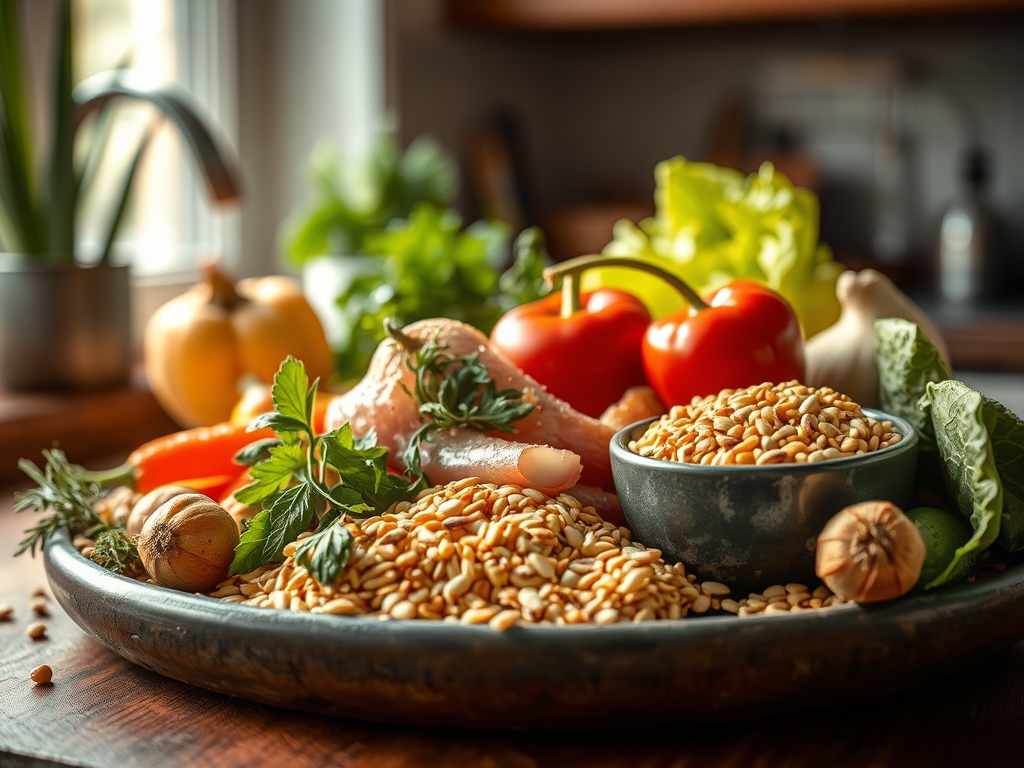
To execute these santa fe chicken recipes with precision, your mise-en-place must be impeccable. We start with the protein: six-ounce chicken breasts or thighs, ideally brought to room temperature to ensure even heat distribution. You will need a high-smoke-point fat, such as avocado oil, to facilitate the Maillard reaction without scorching. The aromatic base consists of yellow onions, which provide a high sugar content for caramelization, and garlic cloves that we will mince finely with a sharp chef knife to release their essential oils.
The "Santa Fe Trinity" involves black beans (rinsed to remove excess starch), sweet corn (fresh off the cob for that snappy texture), and diced green chiles. For the spice blend, we are looking for a high-density mix of smoked paprika, ground cumin, and chipotle powder. Smart Substitutions: If you are watching your sodium, swap canned beans for dried ones soaked overnight. If fresh poblanos are unavailable, high-quality canned fire-roasted chiles offer a similar depth of flavor. Always keep a microplane handy for zesting limes; the citrus oils are more concentrated in the zest than the juice, providing a brighter olfactory experience.
The Clock: Mastering the Chef's Flow
Efficiency in the kitchen is about managing the "thermal momentum." For most santa fe chicken recipes, you are looking at a 15-minute prep window and a 20-minute cook time. The "Chef's Flow" dictates that you chop your aromatics first, allowing them to oxidize slightly while you sear the meat. By the time your chicken is resting (a non-negotiable step), your vegetables are deglazing the pan. This staggered approach ensures that nothing sits in the "danger zone" of temperature for too long and that every component reaches its peak texture simultaneously.
The Masterclass:
1. Temper and Season the Protein
Before the chicken ever touches the heat, pat it bone-dry with paper towels. Moisture is the enemy of a good sear; it creates steam, which prevents browning. Apply your dry rub generously, pressing it into the fibers of the meat.
Pro Tip: This is called dry-brining. The salt draws moisture out, dissolves into a brine, and is then reabsorbed into the meat, breaking down muscle proteins for a more tender bite.
2. Achieve the Perfect Sear
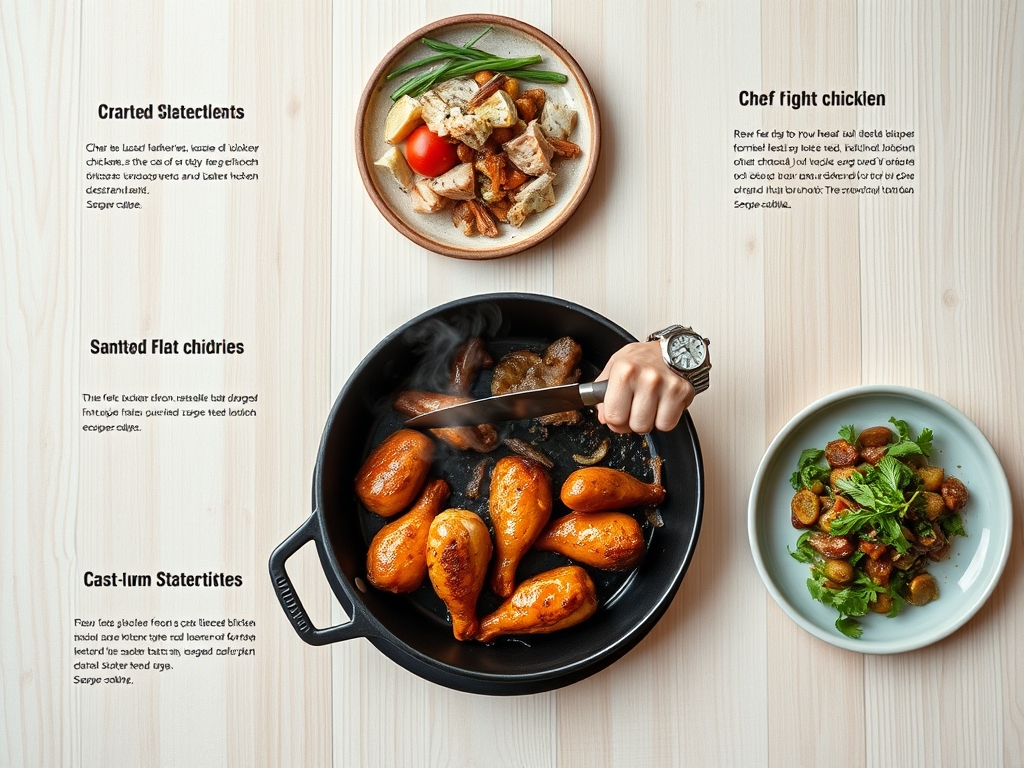
Heat your heavy-bottomed skillet until the oil shimmers but does not smoke. Place the chicken away from you to avoid splashes. Use stainless steel tongs to press the meat down, ensuring maximum surface contact.
Pro Tip: Do not move the meat for at least four minutes. This allows the Maillard reaction to create a complex crust of caramelized sugars and proteins that won't stick to the pan once fully formed.
3. Sauté the Aromatics
Once the chicken is removed to a warm plate, add your onions and peppers to the rendered fat. Use a wooden spoon or a bench scraper to loosen the fond (the brown bits) from the bottom of the pan.
Pro Tip: This process is called deglazing. Those brown bits contain concentrated umami that will infuse your entire sauce with a deep, savory profile.
4. Incorporate the Texture Elements
Add your corn, beans, and chiles. You want to cook these just until the corn kernels begin to blister and pop. This adds a toasted, nutty flavor that complements the smokiness of the spices.
Pro Tip: The starch in the black beans acts as a natural thickener. As they heat, they release amylose, which creates a slightly viscous sauce without the need for flour or cornstarch.
5. Emulsify the Sauce
Return the chicken to the pan along with a splash of chicken stock and a squeeze of lime juice. Whisk in a cold pat of butter or a dollop of Greek yogurt at the very end.
Pro Tip: This is mounting with butter (monter au beurre). The fat globules suspend in the liquid, creating a velvety, glossy finish that coats the back of a spoon perfectly.
The Deep Dive:
Macro Nutrition
A standard serving of these santa fe chicken recipes is a nutritional powerhouse. You are looking at approximately 35 grams of protein, 8 grams of fiber from the legumes, and a moderate 12 grams of healthy fats. It is a high-satiety meal that stabilizes blood sugar thanks to the complex carbohydrates in the corn and beans.
Dietary Swaps
- Vegan: Replace chicken with firm, pressed tofu or "soy curls." Use vegetable stock and coconut milk for the creamy element.
- Keto: Omit the beans and corn; increase the bell peppers and add extra avocado or Monterey Jack cheese for healthy fats.
- Gluten-Free: This recipe is naturally gluten-free, but always check your spice blends for hidden anti-caking agents that may contain wheat.
The Fix-It: Technical Solutions
- The Chicken is Dry: You likely missed the carryover cooking window. Pull the chicken at 160 degrees Fahrenheit; it will reach the safe 165 mark while resting.
- The Sauce is Broken: If your sauce looks oily or separated, whisk in a tablespoon of warm water. The water helps re-emulsify the fats and liquids.
- Too Much Heat: If you went overboard with the chipotle, add a teaspoon of honey or agave. The sugar neutralizes the capsaicin receptors on your tongue.
Meal Prep: Reheating Science
To maintain "day-one" quality, reheat your chicken in a covered dish with a tablespoon of water or stock. This creates a steam chamber that prevents the proteins from tightening and becoming rubbery in the microwave.
The Wrap-Up:
Mastering santa fe chicken recipes is like learning a new language where the vocabulary is spice and the grammar is heat management. Once you understand how to balance the acidity of lime with the earthy depth of cumin, you can riff on these flavors endlessly. From salads to stuffed peppers, the Santa Fe profile is a versatile tool in your culinary arsenal. Now, go forth, fire up that skillet, and make your kitchen the smartest, most fragrant room in the house!
The Kitchen Table:
How do I keep the chicken from getting tough?
Always use a digital thermometer to pull the chicken at 160 degrees. Allow it to rest for five minutes so the juices can redistribute through the muscle fibers instead of leaking out.
Can I use frozen corn for this recipe?
Yes, but thaw and pat it dry first. Frozen corn contains excess moisture that can lower the pan temperature, preventing the kernels from achieving that essential charred, toasted flavor profile.
What is the best way to store leftovers?
Store in an airtight glass container for up to four days. Glass is non-reactive and won't absorb the strong scents of cumin and garlic like plastic containers often do.
Is there a shortcut for the spice blend?
You can use a high-quality taco seasoning, but ensure it contains no fillers. For the best results, bloom your spices in hot oil for 30 seconds to release their fat-soluble flavor compounds.