
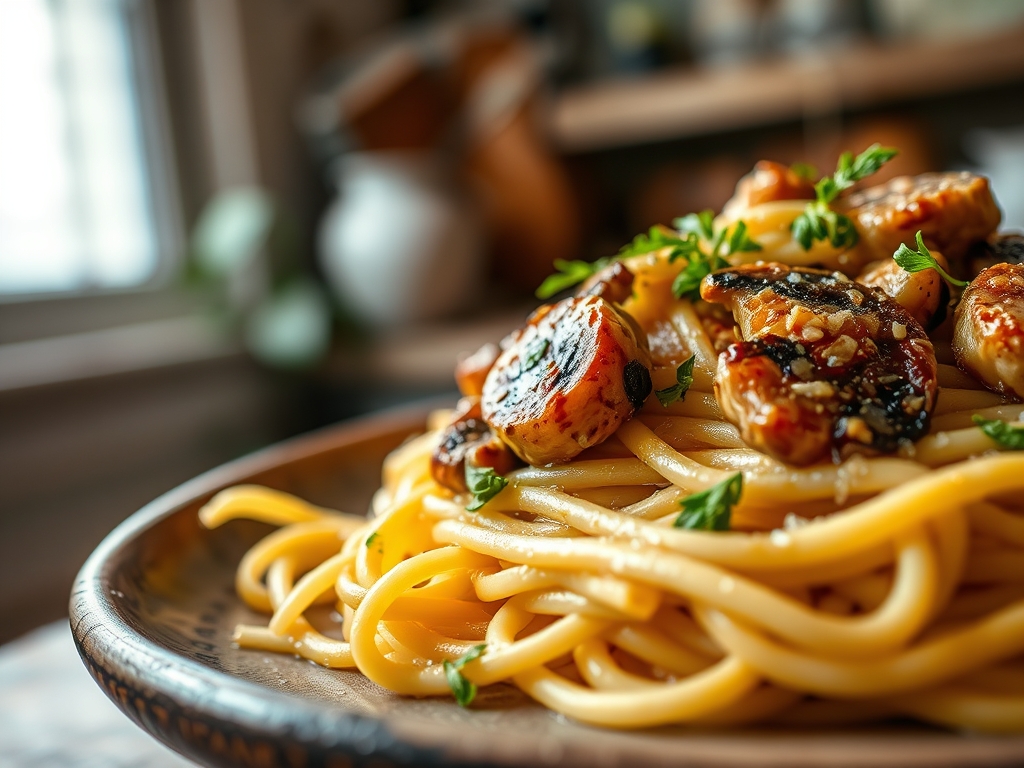
Picture this: a heavy bottomed skillet hissing as cold butter hits hot steel, sending up a cloud of nutty, toasted perfume. You are about to master the trinity of comfort. Finding the perfect balance in pasta mushroom and chicken recipes requires more than just tossing ingredients in a pan; it is a delicate dance of moisture control and flavor layering. We are chasing that elusive, velvety sauce that clings to every ridge of your rigatoni without breaking into an oily mess. It is about the snap of the fungi against the tender, seared protein.
The secret to why this trio works so well lies in the synergy of umami. Mushrooms provide a deep, earthy glutamate base while the chicken offers a clean protein profile. When you marry them with the starch of a high quality pasta, you create a complete sensory experience. We are going to move beyond basic boiling and searing. We are diving into the molecular magic of emulsification and the Maillard reaction to ensure your dinner party guests wonder if you secretly attended culinary school over the weekend. Grab your apron; we have some serious flavor to build.
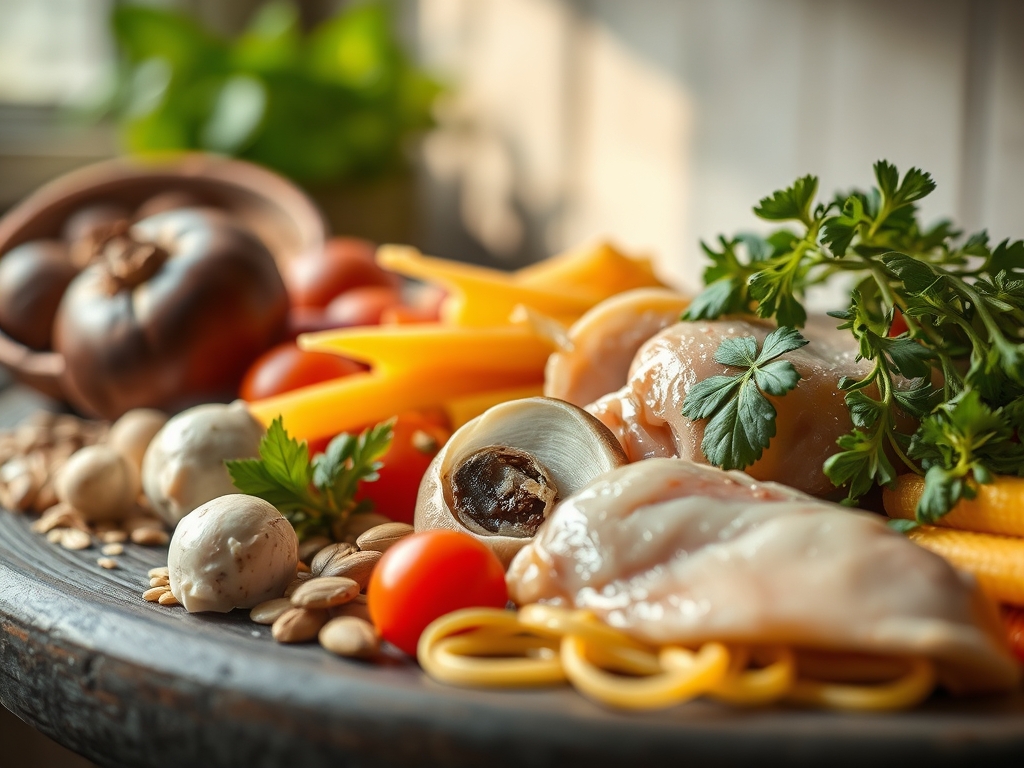
The Gathers:
Before we ignite the burners, we must respect the mise-en-place. Use a digital scale for your pasta to ensure the starch-to-water ratio is pinpoint accurate. For your fungi, look for Cremini or Shiitake; they have a lower water content than white buttons, which means they will brown rather than steam. Your chicken should be room temperature and patted bone-dry with paper towels to ensure a crisp, golden exterior.
Smart Substitutions:
If you are out of heavy cream, a dollop of full-fat Greek yogurt adds a piquant tang, though you must whisk it in off the heat to prevent curdling. Swap traditional wheat pasta for chickpea or lentil varieties for a protein boost, but reduce your boil time by two minutes to avoid a mushy texture. For a dairy-free richness, use a cashew cream infused with nutritional yeast to mimic the savory depth of Parmesan.
The Clock
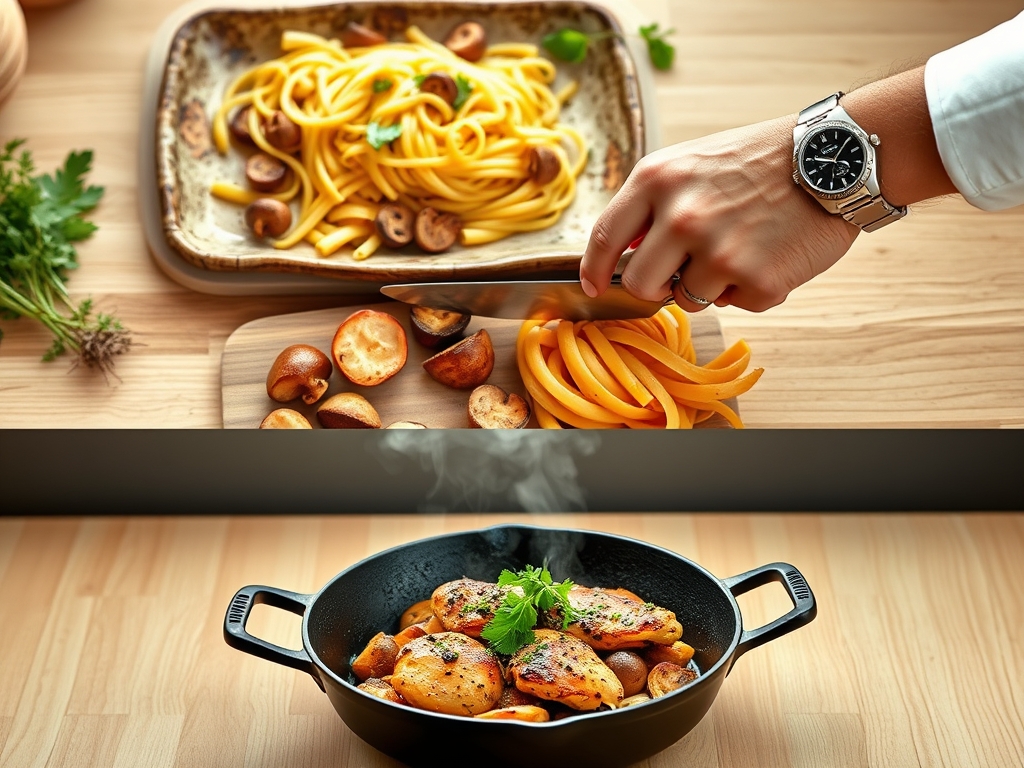
Efficiency in the kitchen is about "Chef's Flow." This is the art of overlapping tasks so no heat is wasted. Your total active time will be approximately 40 minutes. Spend the first 10 minutes on prep: slicing mushrooms with a sharp chef's knife and cubing your chicken. While the pasta water reaches a rolling boil (about 8 minutes), you will be searing your protein. The final 12 minutes are dedicated to the "marriage" where the sauce is built and the pasta is finished directly in the skillet. This synchronized timing ensures the chicken remains succulent while the pasta stays perfectly al dente.
The Masterclass
1. The Sear and Render
Heat your heavy-bottomed skillet over medium-high heat with a splash of high-smoke-point oil. Add your seasoned chicken in a single layer. Do not crowd the pan; crowding drops the temperature and causes the meat to boil in its own juices.
Pro Tip: This stage utilizes the Maillard reaction, a chemical reaction between amino acids and reducing sugars that creates hundreds of different flavor compounds. If you move the chicken too soon, you lose that golden crust.
2. The Fungi Transformation
Remove the chicken and add your mushrooms to the residual fat. Resist the urge to salt them immediately. Let them release their moisture and brown deeply. Once they have shrunk and darkened, toss in minced garlic and shallots using a bench scraper to move them from board to pan.
Pro Tip: Mushrooms are like sponges. By waiting to salt them, you allow the cellular structure to collapse and the water to evaporate first, leading to a concentrated, meaty flavor rather than a rubbery texture.
3. Deglazing the Fond
Pour in a splash of dry white wine or chicken stock. Use a wooden spoon to scrape up the brown bits (the fond) stuck to the bottom of the pan. This is liquid gold.
Pro Tip: This process is called deglazing. The acidity in the wine helps dissolve the caramelized proteins, incorporating those complex flavors directly into your sauce base for a more cohesive profile.
4. The Emulsion Bridge
Lower the heat and add your cream or pasta water. Gradually whisk in freshly grated Parmesan using a microplane. The goal is a viscous, glossy coating that looks like silk.
Pro Tip: This is the science of emulsification. The starches from the pasta water act as a stabilizer, binding the fats from the cheese and cream to the water-based liquids, preventing the sauce from separating.
5. The Final Toss
Add your under-cooked pasta and the seared chicken back into the skillet. Use tongs to vigorously toss the mixture for 60 seconds. This allows the pasta to finish cooking inside the sauce, absorbing flavor into its core.
Pro Tip: Account for thermal carryover. The chicken and pasta will continue to cook for several minutes after being removed from the heat. Pulling them slightly early ensures they reach perfection exactly when they hit the plate.
The Deep Dive
From a macro perspective, these pasta mushroom and chicken recipes are powerhouses. A standard serving provides roughly 35g of protein and 45g of complex carbohydrates. To keep it light, focus on the vegetable-to-pasta ratio; increasing the mushrooms adds volume and fiber without spiking the caloric density.
Dietary Swaps:
For a Keto version, swap the pasta for roasted spaghetti squash or zoodles. For a Vegan profile, use "chicken" seitan and a coconut milk base with a splash of lemon juice to cut the sweetness. Gluten-free eaters should look for brown rice pasta, which holds its structural integrity better in heavy sauces than corn-based alternatives.
The Fix-It:
- Broken Sauce: If the sauce looks oily, whisk in a tablespoon of hot pasta water. The starch will re-emulsify the fats.
- Bland Flavor: Add a squeeze of fresh lemon juice. Acidity brightens the heavy fats and brings out the earthiness of the mushrooms.
- Dry Chicken: If you overcooked the breast, slice it thinly and toss it in the sauce for two minutes to allow the fibers to rehydrate.
Meal Prep:
When reheating, the science of "day-one" quality depends on moisture. Pasta absorbs sauce as it sits. Before microwaving or reheating on the stovetop, add a splash of milk or water to loosen the proteins and fats. Heat covered to create a steam chamber, which prevents the chicken from becoming "rubbery" due to protein denaturation.
The Wrap-Up
Mastering pasta mushroom and chicken recipes is a gateway to becoming a more intuitive cook. Once you understand how to control heat and manage emulsions, you can riff on these flavors with endless variations. Whether you add a handful of spinach for color or a pinch of red pepper flakes for heat, the foundation remains the same: quality ingredients handled with technical precision. Now, go grab your saucier and turn your kitchen into the best bistro in town!
The Kitchen Table
How do I prevent my mushrooms from getting slimy?
Avoid washing them under running water. Instead, wipe them with a damp paper towel. High heat and avoiding early salting ensures they sear and brown rather than steaming in their own released moisture.
Can I use chicken thighs instead of breasts?
Absolutely. Thighs have more connective tissue and fat, making them more forgiving and flavorful. They require a slightly longer sear to render the fat, but they stay much juicier during the final simmering stage.
What is the best pasta shape for this recipe?
Choose a shape with "nooks" like Penne, Fusilli, or Rigatoni. These shapes are designed to capture the viscous sauce and small bits of mushroom, ensuring every bite is perfectly balanced.
How do I make the sauce extra creamy without more cream?
Use the "Mantegatura" technique. Vigorously toss the pasta with a splash of starchy pasta water and cold butter at the very end. The mechanical action creates a natural, creamy emulsion without excess heavy dairy.