
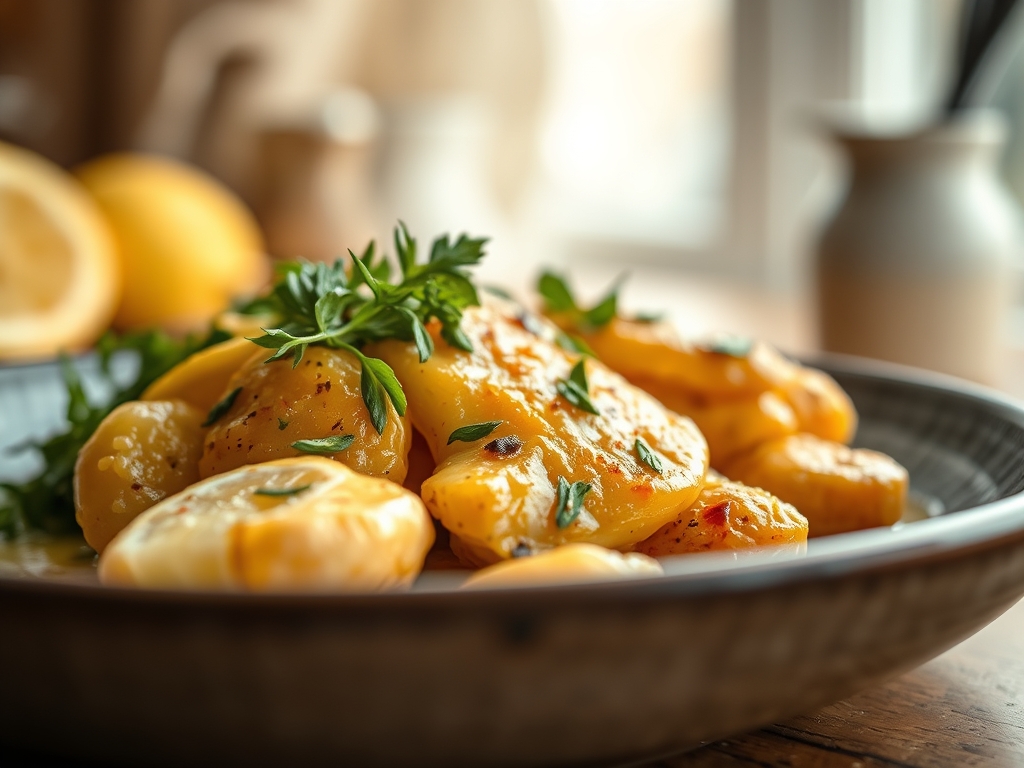
Picture the sound of a cold, heavy-bottomed skillet meeting a high-heat burner. The moment that first medallion of butter hits the stainless steel, it begins to foam and hiss; this is the sound of water evaporating, leaving behind the rich milk solids that will soon turn a deep, nutty mahogany. When you are craving a meal that feels like a warm hug but tastes like a five-star bistro, lemon butter chicken recipes are the undisputed champions of the kitchen. This dish is a masterclass in balance. You have the high-octane acidity of fresh citrus cutting through the luxurious, velvet weight of a butter-based sauce. It is piquant, it is indulgent, and it is surprisingly simple once you understand the molecular dance happening in the pan. We are not just making dinner; we are engineering a symphony of flavor where every ingredient has a specific, scientific job to do. Whether you are a seasoned home cook or a weekend warrior, mastering these lemon butter chicken recipes will transform your Tuesday nights into a culinary event.
The Gathers:
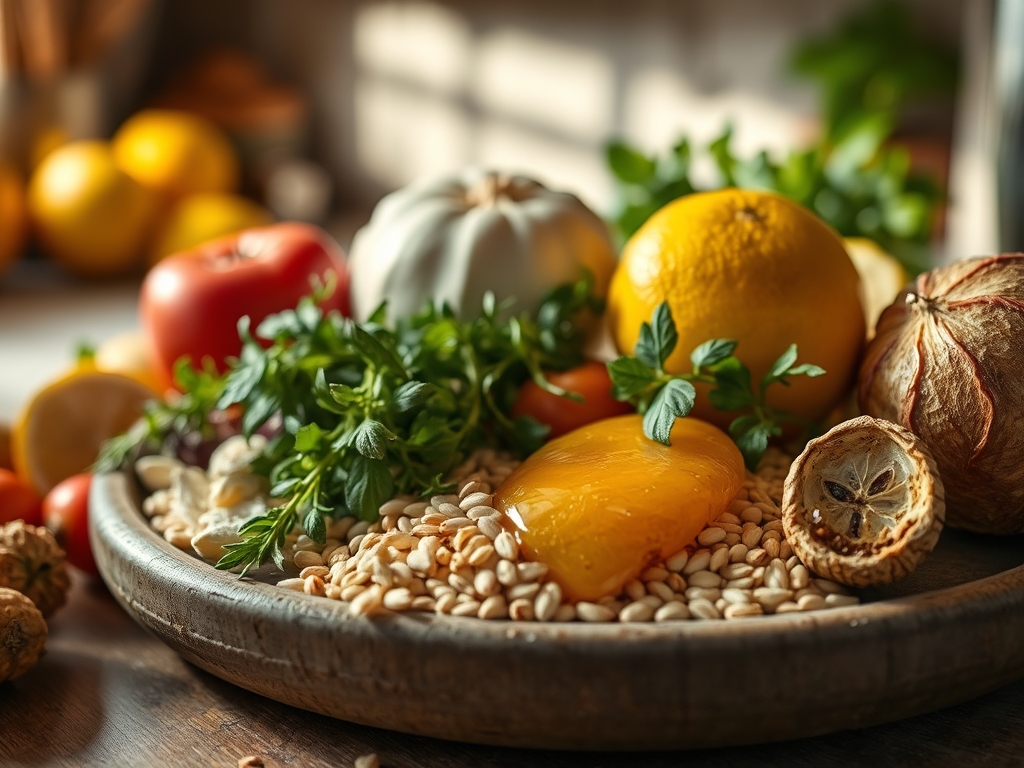
To achieve the perfect plate, your mise-en-place must be precise. Start with high-quality poultry; look for air-chilled chicken breasts or thighs. Air-chilled meat has less water content, which is vital for a superior sear. You will need a microplane to harvest the zest, which contains the essential oils (limonene) that provide that bright, floral aroma without the harshness of the juice. For the fat, choose unsalted European-style butter. It has a higher butterfat percentage and lower water content than standard sticks, allowing for a more stable emulsion.
Your aromatics are the backbone here. Fresh garlic, finely minced with a sharp chef's knife to release its sulfuric compounds, and shallots for a subtle, onion-like sweetness are non-negotiable. You will also need a high-smoke-point oil, like avocado or grapeseed oil, to jumpstart the browning process before the butter is introduced.
Smart Substitutions:
If you are avoiding dairy, a high-quality vegan butter substitute with a high oil-to-water ratio works best. For the acid, if lemons are out of reach, a splash of dry white wine like Sauvignon Blanc or a dash of champagne vinegar can mimic that necessary brightness. If you want to swap the protein, firm tofu or thick-cut cauliflower steaks respond beautifully to this exact butter-basting technique.
The Clock
Efficiency in the kitchen is about "Chef's Flow." This is the art of overlapping tasks so that no heat is wasted. Prep time for these lemon butter chicken recipes usually clocks in at 15 minutes, while the actual cook time is a swift 20 minutes.
The flow works like this: while your chicken is tempering on the counter (never cook meat straight from the fridge), you perform all your knife work. By the time your digital scale has measured the butter and your aromatics are prepped, the skillet should be preheating. The goal is to have the chicken resting while you whisk the final sauce. This ensures the meat fibers relax and reabsorb their juices while the sauce is at its peak emulsified state. Total time from pantry to plate is roughly 35 to 40 minutes.
The Masterclass
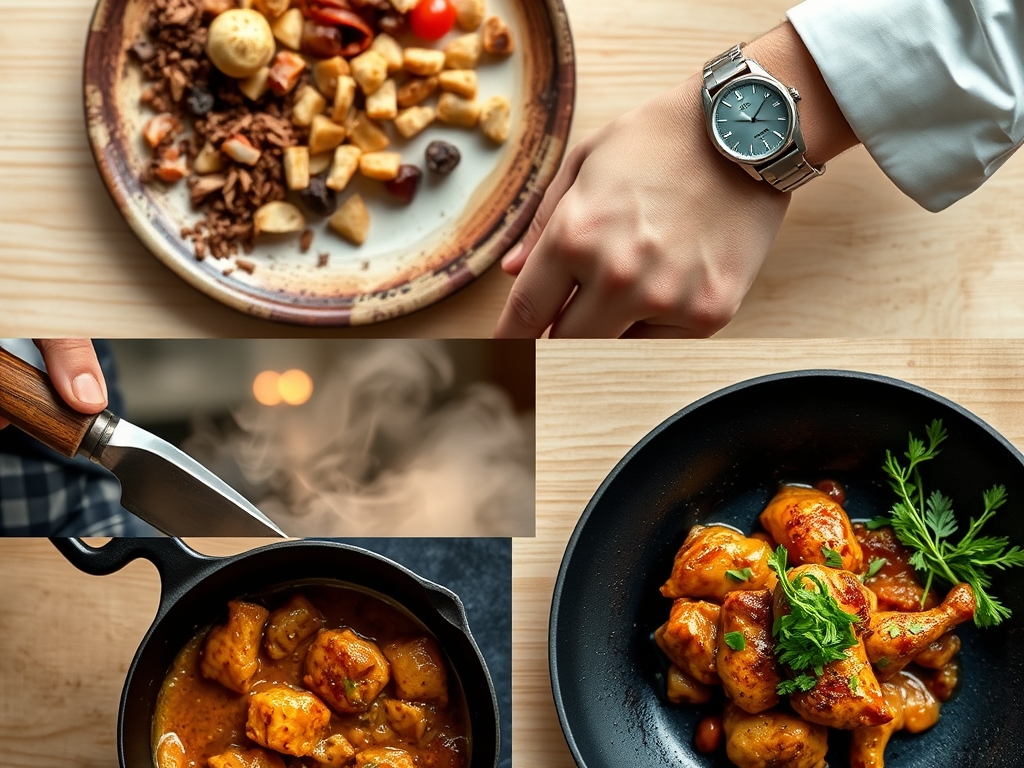
1. The Prep and Temper
Pat the chicken dry with paper towels until the surface is matte. Season aggressively with kosher salt and cracked black pepper. Let the meat sit at room temperature for 15 minutes.
Pro Tip: This encourages surface dehydration. If the meat is wet, the energy from the pan goes into evaporating surface moisture rather than browning the meat. Dry meat equals a better crust.
2. The Sear and Maillard Reaction
Heat your skillet with a thin layer of high-smoke-point oil. Once shimmering, lay the chicken away from you. Use tongs to press the meat down, ensuring maximum surface contact. Sear until a golden-brown crust forms.
Pro Tip: This is the Maillard Reaction. It is a chemical reaction between amino acids and reducing sugars that creates hundreds of different flavor compounds. Do not move the chicken until it releases naturally from the pan.
3. The Deglaze
Remove the chicken and set it aside. Toss in your minced garlic and shallots, stirring for 30 seconds until fragrant. Pour in a splash of chicken stock or white wine, using a bench scraper or wooden spoon to lift the brown bits from the bottom.
Pro Tip: Those brown bits are called fond. They are concentrated nuggets of flavor. Deglazing dissolves them into the liquid, forming the flavor base for your sauce.
4. The Reduction
Add your fresh lemon juice and zest. Let the liquid simmer and reduce by half. You want the liquid to become slightly viscous.
Pro Tip: Reducing the liquid concentrates the solutes. As water evaporates, the flavors of the lemon and aromatics become more intense and the texture thickens naturally.
5. The Emulsion (Mounting the Sauce)
Turn the heat to low. Add cold cubes of butter one at a time, whisking constantly with a saucier whisk until the sauce is creamy and opaque.
Pro Tip: This is called monter au beurre. By adding cold butter to a warm liquid and whisking, you are creating a stable emulsion of fat and water. If the heat is too high, the butter will "break" and turn greasy.
6. The Finish and Rest
Return the chicken to the pan, spooning the sauce over the top to glaze. Garnish with fresh parsley or thyme.
Pro Tip: Pay attention to thermal carryover. Remove the chicken from the heat when it is 5 degrees below your target temperature; the internal heat will finish the cooking while the meat rests.
The Deep Dive
Macro Nutrition:
A standard serving of lemon butter chicken provides roughly 35g of protein and 22g of fat. While it is a calorie-dense dish due to the butter, it is naturally low in carbohydrates, making it an excellent anchor for various dietary lifestyles.
Dietary Swaps:
For a Keto version, ensure your chicken stock has no added sugars. For Gluten-Free needs, this recipe is naturally safe as long as you do not dredge the chicken in flour. For Vegan diners, use a plant-based butter and replace the chicken with oyster mushrooms, which have a meaty texture that holds the sauce beautifully.
The Fix-It:
- The Sauce Broke: If the sauce looks oily and separated, whisk in a teaspoon of heavy cream or a splash of warm water very quickly to re-emulsify the fats.
- The Garlic is Bitter: If you burned the garlic, do not proceed. Wipe the pan and start the sauce over. Burnt garlic creates an irreversible acrid flavor.
- Tough Chicken: This usually means the heat was too high for too long. Next time, use a meat thermometer and pull the chicken at 160 degrees Fahrenheit.
Meal Prep and Reheating:
To maintain "day-one" quality, store the sauce and chicken together. When reheating, avoid the microwave. Instead, place the chicken in a small pan with a tablespoon of water or stock, cover it, and heat on low. This creates a steam chamber that prevents the butter from breaking and keeps the poultry moist.
The Wrap-Up
Mastering lemon butter chicken recipes is like learning a secret handshake in the culinary world. It proves you understand the delicate balance of acidity and fat, the importance of the Maillard reaction, and the finesse required for a perfect emulsion. This dish is versatile, elegant, and deeply satisfying. Now that you have the science down, grab your skillet and get to work. Your kitchen is about to smell incredible, and your dinner guests are in for a serious treat.
The Kitchen Table
Can I use bottled lemon juice for this recipe?
Fresh is always superior. Bottled juice is pasteurized and lacks the bright, volatile oils found in fresh zest. For the best flavor profile in lemon butter chicken recipes, always use a fresh lemon and a microplane.
Why did my butter sauce turn clear and greasy?
Your sauce "broke" because the heat was too high. When butter melts too quickly without enough whisking or at high temperatures, the fat separates from the milk solids and water. Keep the heat low when adding butter.
What is the best way to get a crispy skin?
Ensure the chicken skin is bone-dry before it hits the pan. Use a heavy-bottomed skillet to maintain consistent heat and do not crowd the pan, which creates steam and prevents the skin from crisping properly.
How do I keep the chicken from sticking to the pan?
Wait for the pan to get hot before adding oil, then wait for the oil to shimmer before adding the meat. The chicken will naturally release from the surface once a proper crust has formed through the Maillard reaction.
Can I make this dish ahead of time?
You can prep the ingredients early, but the sauce is best served immediately. Emulsions are fragile and can separate over time. If you must make it ahead, reheat very gently on the stovetop while whisking.