
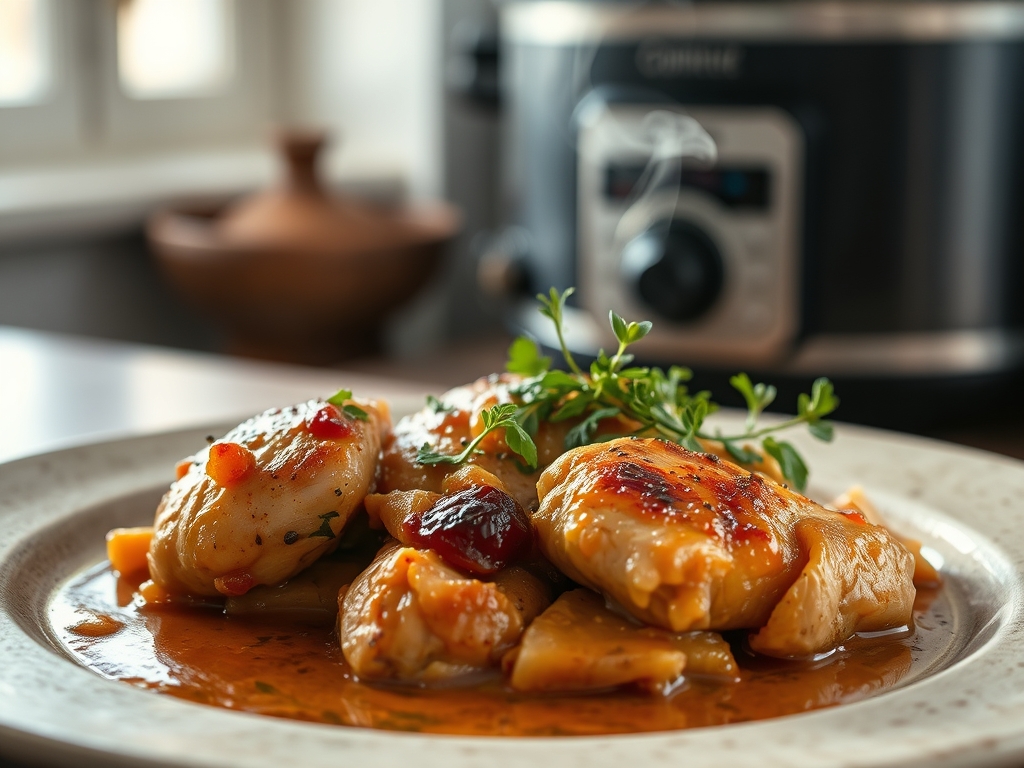
Picture this: you walk through your front door after a grueling ten-hour day, and instead of the stale scent of recycled office air, you are hit with a wave of aromatic garlic, slow-rendered chicken fat, and bright citrus. This is the magic of the best crockpot chicken recipes ever. We are moving far beyond the watery, beige stews of the nineties. We are talking about deep, complex sauces and meat that maintains its structural integrity while remaining impossibly succulent.
The secret to a truly elite slow cooker meal is understanding that the crockpot is not just a heater; it is a pressurized environment for flavor extraction. When we select the best crockpot chicken recipes ever, we are looking for dishes that utilize low-and-slow heat to break down tough connective tissues into rich, silky gelatin. Whether it is a zesty lime-infused carnitas or a velvety butter chicken, the goal is a perfect marriage of convenience and culinary precision. Grab your favorite mug of coffee and let us dive into the molecular mechanics of why these six recipes will change your Tuesday nights forever.
The Gathers:
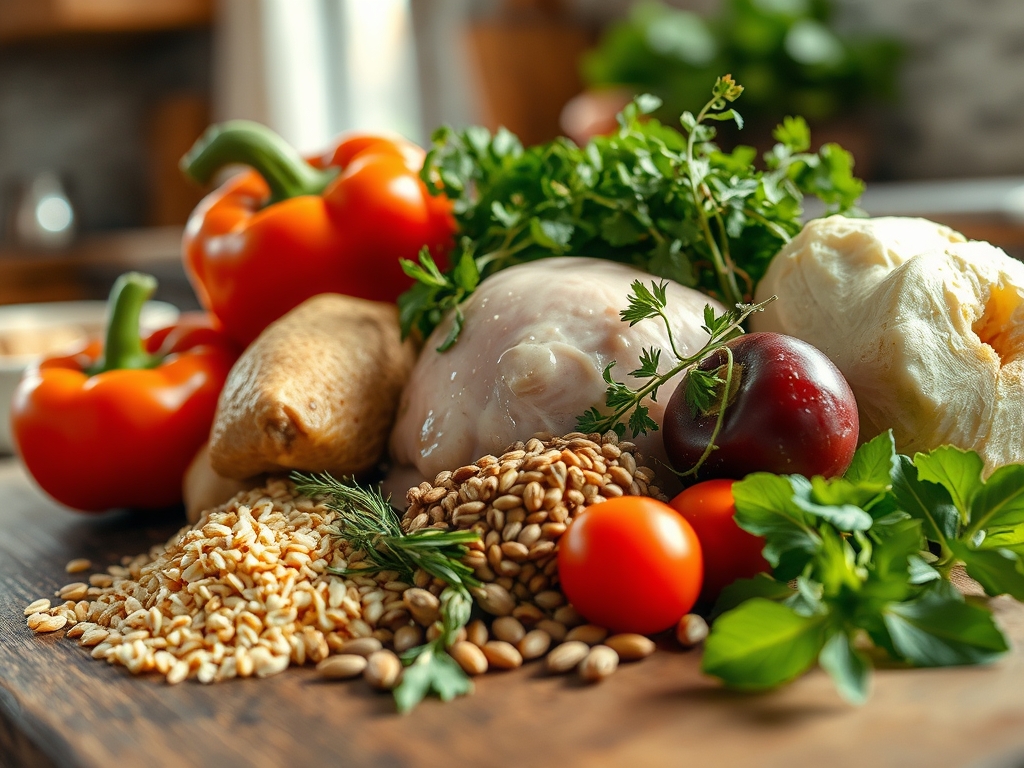
Before we flip the switch, we must assemble our mise-en-place with the precision of a chemist. For these six masterpieces (ranging from Honey Garlic to Creamy Tuscan), your workstation should be organized by density and moisture content. You will need high-quality chicken thighs; the higher fat content ensures the meat does not desiccate during the long thermal cycle. Use a digital scale to measure your aromatics. We are looking for pungent garlic cloves, sharp ginger, and shallots that offer a more sophisticated flavor profile than standard yellow onions.
Smart Substitutions:
If you find yourself without heavy cream for the more decadent recipes, a full-fat coconut milk provides the same viscous mouthfeel with a subtle tropical undertone. For those watching sodium, swap standard soy sauce for liquid aminos or tamari; they offer the same piquant punch without the salt bloat. If a recipe calls for white wine to deglaze, but your pantry is bare, a splash of apple cider vinegar mixed with a pinch of sugar mimics that essential acidity perfectly.
The Clock
Efficiency in the kitchen is all about the "Chef's Flow." While the crockpot does the heavy lifting, your active prep time should never exceed twenty minutes. The "Flow" starts with the hardest textures first. Chop your root vegetables and aromatics using a sharp chef's knife, then move to your proteins.
Most of these recipes follow a 4-hour "High" or 8-hour "Low" cadence. However, the golden rule of slow cooking is that "Low" almost always wins for texture. The gentle rise in temperature prevents the protein fibers from tightening too quickly, which can squeeze out the internal juices. Plan to start your prep during your morning coffee ritual; by the time the sun sets, the chemical transformation will be complete.
The Masterclass
1. The Sear and Deglaze
Before the chicken ever touches the ceramic insert, heat a heavy-bottomed skillet over medium-high heat. Pat the chicken dry with paper towels to ensure maximum surface contact. Sear the skin side down until it reaches a deep golden brown.
Pro Tip: This is the Maillard reaction in action. By browning the meat first, you create complex flavor compounds that a slow cooker cannot produce on its own due to the presence of steam. Use a splash of chicken stock to deglaze the pan, scraping up those brown bits (the fond) to pour into the crockpot.
2. Layering the Aromatics
Place your densest vegetables, like carrots or potatoes, at the very bottom of the pot. These require the most direct heat from the element located at the base. Place the seared chicken on top, followed by your delicate aromatics like minced garlic or herbs.
Pro Tip: This layering creates a thermal buffer. The vegetables act as a rack, allowing heat to circulate around the chicken evenly while they soften in the rendered fats dripping from above.
3. Emulsifying the Sauce
Halfway through the cooking process, you may notice the fats separating from the liquids. Use a whisk or a saucier to integrate a cornstarch slurry or a cold butter cube into the liquid.
Pro Tip: This is called emulsification. Adding a thickening agent mid-way prevents the sauce from becoming "broken" or greasy. The starch molecules swell and trap the fat droplets, resulting in a glossy, professional finish.
4. The Acid Finish
Just before serving, use a microplane to zest a fresh lemon or lime over the dish, followed by a squeeze of the juice.
Pro Tip: Heat dulls acidity over time. By adding citrus at the very end, you brighten the heavy, savory notes of the slow-cooked meat. This creates a "flavor bridge" that wakes up the palate and balances the richness.
5. Resting the Protein
Once the timer goes off, resist the urge to shred the chicken immediately inside the pot. Transfer the pieces to a warm platter using tongs and let them sit for five minutes.
Pro Tip: This allows for thermal carryover. As the meat rests, the internal pressure drops, allowing the muscle fibers to reabsorb the juices. If you cut it too soon, the moisture will evaporate instantly, leaving you with dry threads.
6. The Final Aeration
If your recipe includes a creamy element, give the sauce one final vigorous stir with a whisk before adding the chicken back in.
Pro Tip: This step will aerate the sauce, making it lighter and more velvet-like. It also ensures that any spices that settled at the bottom are redistributed evenly for a consistent flavor in every bite.
The Deep Dive
Macro Nutrition: On average, these chicken-based slow cooker meals provide a powerhouse of nutrition. You are looking at approximately 35-45 grams of protein per serving, with fats varying based on your choice of thigh versus breast. Because we are using fresh aromatics, the micronutrient profile is high in Vitamin C and Allicin.
Dietary Swaps: To make these recipes Vegan, swap the chicken for extra-firm tofu or jackfruit and use vegetable bouillon. For Keto enthusiasts, eliminate all starches and use heavy cream or cream cheese to thicken sauces. All these recipes are naturally Gluten-Free as long as you use tamari instead of soy sauce and cornstarch instead of flour.
The Fix-It:
- Too Salty? Drop in a peeled, halved potato for the last 30 minutes; it acts as a sponge for excess sodium.
- Too Watery? Remove the lid and cook on high for the final 45 minutes to allow for evaporation.
- Bland? You likely missed the sear. Add a teaspoon of Worcestershire sauce or fish sauce to provide an instant umami boost.
Meal Prep Science: When reheating, do not use the microwave on high power. This vibrates water molecules too fast, toughening the chicken. Instead, reheat on the stove in a small pot with a splash of water to create steam, which re-hydrates the protein fibers to "day-one" quality.
The Wrap-Up
Mastering the best crockpot chicken recipes ever is about more than just "dump and go" cooking; it is about respecting the chemistry of heat and time. By incorporating professional techniques like the Maillard sear and late-stage acid integration, you elevate a humble kitchen appliance into a gourmet tool. These six meals are designed to provide comfort without sacrificing sophistication. Now, go forth, grab your bench scraper to tidy up that prep station, and let the slow cooker work its magic. Your future self will thank you at dinner time.
The Kitchen Table
Can I put frozen chicken directly in the crockpot?
It is not recommended for safety. Frozen meat stays in the "danger zone" temperature range (40-140°F) for too long, risking bacterial growth. Always thaw your chicken completely in the refrigerator before starting your slow cooker recipe.
How do I prevent my chicken from getting mushy?
Mushiness usually happens from overcooking or adding too much liquid. Stick to the recommended cook times and remember that chicken releases its own juices. Use a digital thermometer to pull the chicken once it hits 165°F.
Why is my slow cooker sauce always so thin?
Slow cookers trap steam, which prevents evaporation. To thicken a sauce, whisk a tablespoon of cornstarch with cold water to create a slurry. Stir this into the pot during the last 30 minutes of cooking on the "High" setting.
Can I use chicken breasts instead of thighs?
Yes, but be cautious. Breasts are leaner and dry out significantly faster than thighs. If using breasts, reduce the cooking time by about an hour and ensure they are fully submerged in liquid to maintain as much moisture as possible.