
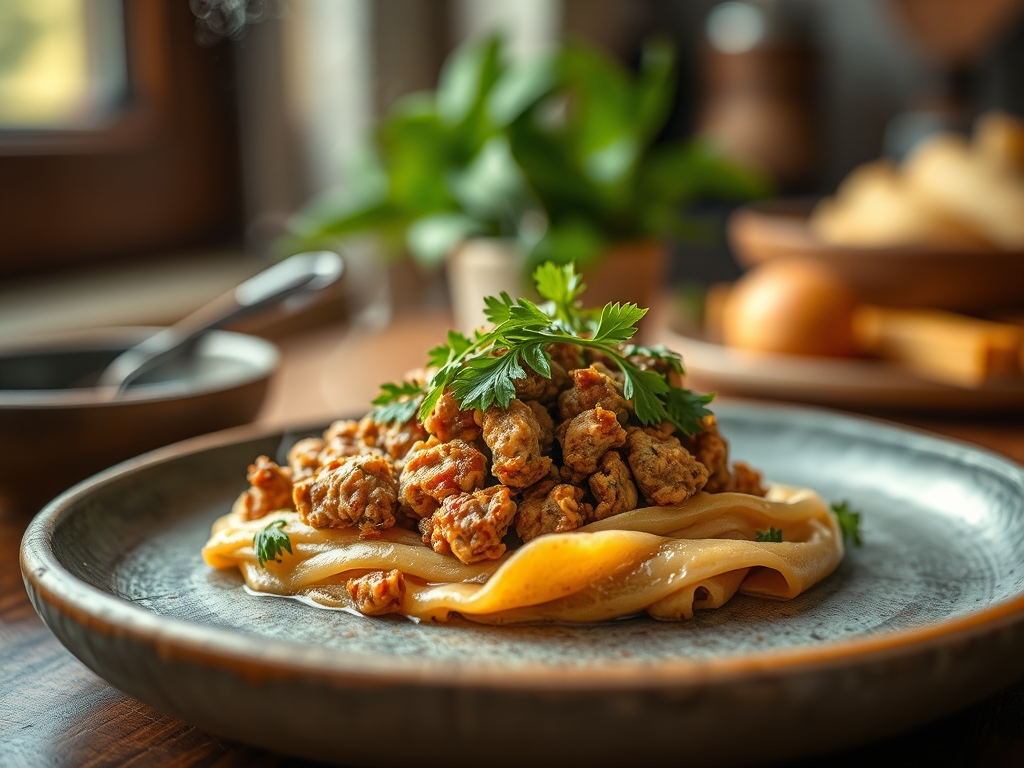
Picture the scene in your kitchen right now. The air carries a piquant aroma of toasted sesame and searing garlic as a heavy bottomed skillet begins to hum with heat. You are looking for the best ground chicken recipes that actually deliver on texture and depth; not the dry, bland pucks of poultry history. Ground chicken is the ultimate culinary chameleon. It is a blank canvas that absorbs flavor faster than beef or pork because its lower fat content allows water based marinades to penetrate the protein fibers more effectively. Whether you are craving a sticky ginger glaze or a spicy Mediterranean herb profile, the versatility of this protein is unmatched. We are moving beyond the basic burger. We are diving into a world where high heat meets precision seasoning to create meals that are both lean and luxurious. By the time we are done, you will have mastered seven distinct flavor profiles that prove ground chicken is the secret weapon of the modern, efficient kitchen.
The Gathers:
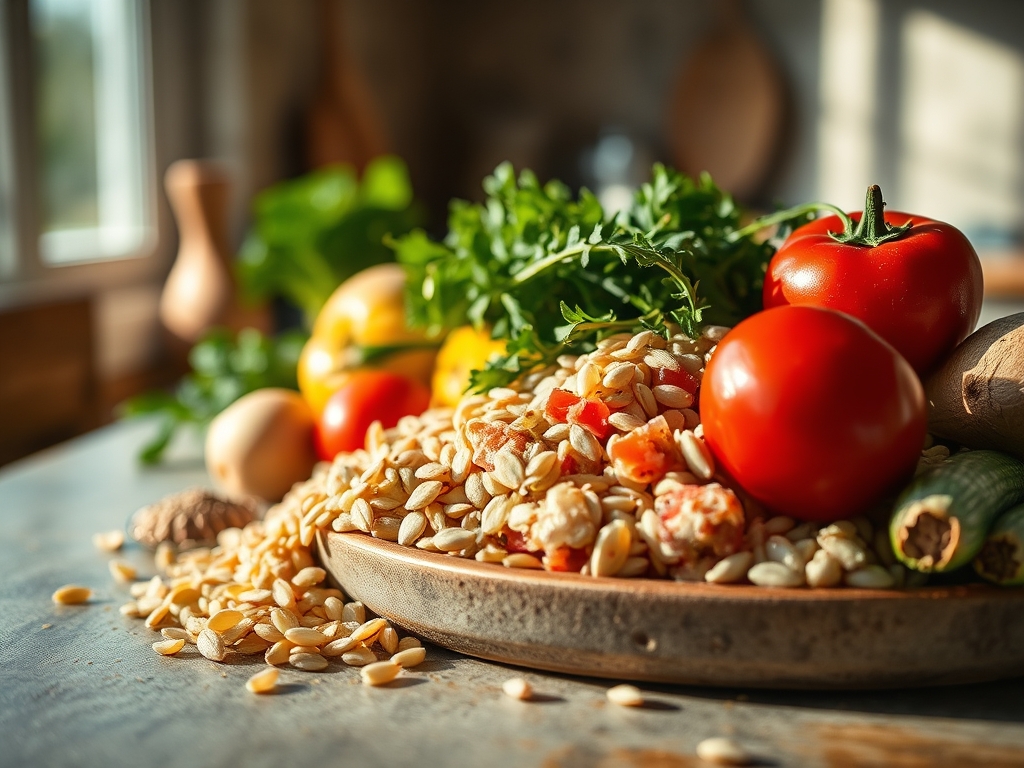
To execute the best ground chicken recipes, your mise en place must be precise. Ground chicken has a high moisture content, which means it can turn from tender to rubbery if you do not manage the liquid levels. Start with your aromatics. Use a microplane to grate fresh ginger and garlic into a paste; this increases the surface area for maximum flavor infusion. You will need a viscous binder like Greek yogurt or a splash of heavy cream if you are making meatballs, as this prevents the lean proteins from over tightening.
Smart Substitutions are your best friend here. If you find the chicken too lean, grate frozen butter directly into the meat to mimic the fat marbling of beef. If you are avoiding grains, use almond flour instead of breadcrumbs to maintain structural integrity without the gluten. Always keep a bottle of high quality fish sauce or liquid aminos nearby. These provide the essential umami punch that chicken naturally lacks. Finally, ensure your salt is kosher. The larger grains allow for better control and even distribution across the protein surface.
The Clock
Efficiency in the kitchen is about the Chef's Flow. This is the art of overlapping tasks so that no second is wasted. For these seven meals, expect a total prep time of fifteen minutes and a cook time of twenty minutes. The trick is to utilize the thermal transition periods. While your heavy bottomed skillet preheats, you should be dicing your vegetables. While the meat is browning, you are whisking your finishing sauce.
Ground chicken cooks faster than beef because it lacks dense connective tissue. You are looking for an internal temperature of 165 degrees Fahrenheit. However, to maintain juiciness, you must account for thermal carryover. Pull your chicken off the heat when it hits 160 degrees; the residual energy trapped in the meat will finish the job while it rests. This five minute rest period is non negotiable. It allows the muscle fibers to relax and reabsorb the juices that were pushed to the center during the searing process.
The Masterclass
1. The High Heat Sear
Place your chicken in a ripping hot cast iron skillet. Do not crowd the pan. If you add too much meat at once, the temperature drops and the chicken will steam in its own juices rather than brown. Use a stiff metal spatula to press the meat down for maximum contact.
Pro Tip: This promotes the Maillard reaction, a chemical reaction between amino acids and reducing sugars that creates the complex, savory flavors associated with browned meat. Without this, your chicken will taste boiled.
2. Deglazing the Fond
Once the meat is browned and removed, you will see brown bits stuck to the bottom of the pan. This is called fond. Pour in a splash of dry white wine or chicken stock and use a wooden spoon to scrape those bits up.
Pro Tip: Deglazing captures concentrated flavor molecules that would otherwise be lost. This creates a deeper flavor profile by incorporating caramelized proteins back into your sauce.
3. Emulsifying the Sauce
Lower the heat and whisk in a cold fat, like butter or coconut cream, into your deglazing liquid. Use a small whisk or a saucier to keep the liquid moving until it becomes glossy and thick.
Pro Tip: This is the science of emulsification, where you force two immiscible liquids to combine. Cold fat prevents the sauce from breaking, ensuring a velvety mouthfeel that coats every piece of chicken.
4. The Aromatics Infusion
Push your meat to the edges and drop your ginger, garlic, and scallions into the center with a touch of oil. Toast them only until they become fragrant, usually about thirty seconds.
Pro Tip: Heat triggers the release of essential oils in aromatics. Overcooking them destroys these volatile compounds, turning garlic bitter and losing the bright notes of the ginger.
5. Managing Moisture
If you are making a stir fry or lettuce wraps, add your liquid seasonings at the very end. Use a cornstarch slurry (cornstarch mixed with cold water) to tighten the sauce instantly.
Pro Tip: Cornstarch granules swell and gelatinize when heated, absorbing excess water and turning a thin liquid into a rich glaze that clings to the protein.
6. The Rest and Carryover
Transfer the finished meal to a warm platter. Cover it loosely with foil for three to five minutes before serving.
Pro Tip: This allows for thermal equilibrium. As the temperature evens out, the protein structures stabilize, meaning the first bite will be just as moist as the last.
7. The Acid Finish
Just before serving, squeeze fresh lime or lemon juice over the dish. A microplane can also be used to add fresh zest for a hit of citrus oil.
Pro Tip: Acid acts as a flavor enhancer by balancing the pH of the dish. It cuts through the richness of the fats and brightens the overall palate.
The Deep Dive
From a macro nutrition perspective, ground chicken is a powerhouse. It typically contains about 24 grams of protein per 4 ounce serving with significantly lower saturated fat than ground chuck. For those on a Keto diet, focus on adding healthy fats like avocado oil or sesame oil. For a Vegan swap, though we are focusing on chicken, many of these techniques apply to crumbled firm tofu or tempeh. Gluten free enthusiasts should reach for tamari or coconut aminos instead of traditional soy sauce.
The Fix-It: If your chicken is too dry, fold in a tablespoon of chicken bone broth; the collagen will add instant moisture. If the meat is clumping too much, use a potato masher to break it into fine crumbles while it is still raw in the pan. If the dish is too salty, add a splash of rice vinegar or a pinch of sugar to neutralize the intensity.
For meal prep, reheating science is key. To avoid the "warmed over" flavor, reheat your chicken in a skillet with a teaspoon of water rather than using a microwave. This creates a small steam chamber that rehydrates the protein without toughening the fibers.
The Wrap-Up
Mastering the best ground chicken recipes is about understanding that lean meat requires a gentle touch and bold flavors. By utilizing the Maillard reaction, proper deglazing, and the science of emulsification, you can turn a humble pound of poultry into a gourmet experience. These seven meals are designed to fit into your busy life while satisfying your inner foodie. So, grab your heavy bottomed skillet and start searing. Your kitchen is about to become the best restaurant in town.
The Kitchen Table
Can I use ground turkey instead of chicken?
Yes, you can substitute ground turkey 1:1 in these recipes. However, turkey is often even leaner than chicken, so you may need to add an extra teaspoon of oil to the pan to prevent the meat from sticking and drying.
How do I prevent ground chicken from becoming rubbery?
Avoid overworking the meat when mixing in seasonings. Over handling develops the proteins too much, leading to a dense, rubbery texture. Use a light touch or a fork to gently combine ingredients until just incorporated for the best results.
What is the best way to store leftovers?
Store leftovers in an airtight glass container for up to four days. Glass is superior to plastic for maintaining flavor integrity and prevents the chicken from absorbing any lingering odors from the refrigerator, ensuring a fresh taste when reheated.
Why does my ground chicken look grey instead of brown?
Grey meat is usually a result of overcrowding the pan or using a temperature that is too low. This causes the meat to steam. To fix this, cook in smaller batches and ensure your skillet is preheated until it is shimmering.