
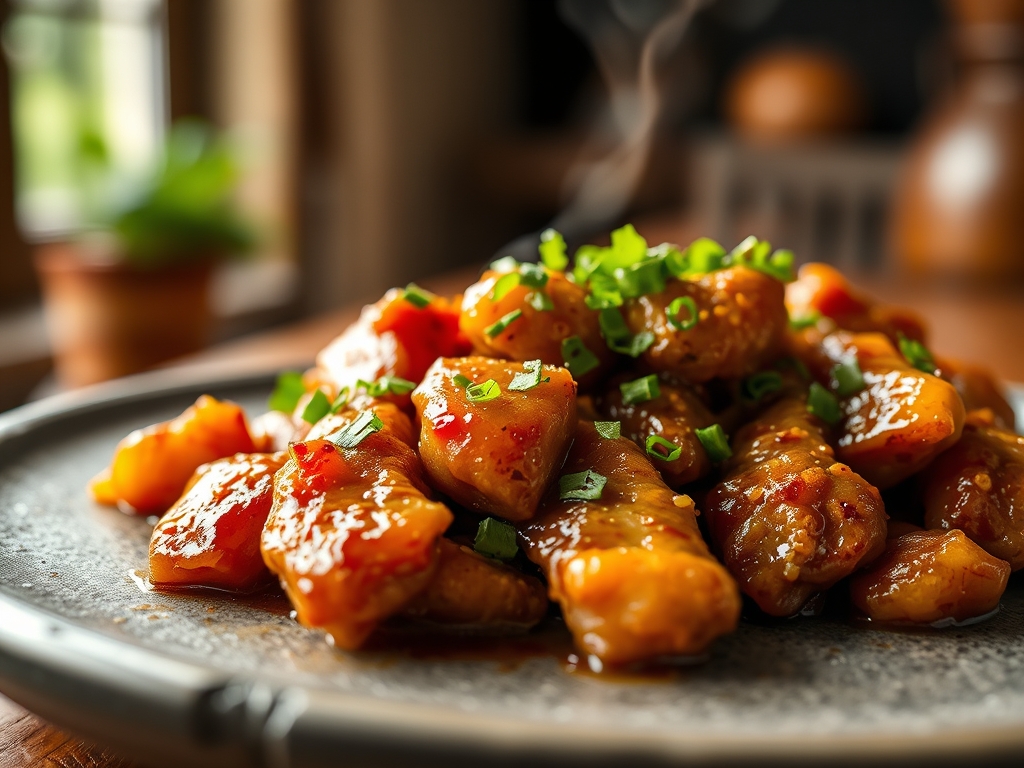
Imagine a kitchen filled with the scent of fermented soybeans, five-spice powder, and toasted sesame oil. That deep, mahogany glaze clinging to succulent poultry is the hallmark of the best hoisin chicken recipes. It is a sensory explosion where salty meets sweet; a culinary alchemy that transforms a simple weeknight dinner into a high-end bistro experience.
Whether you are craving a sticky stir-fry or a slow-roasted thigh, the versatility of this Cantonese staple is unmatched. We are diving into nine distinct ways to master these hoisin chicken recipes, ensuring every bite is a masterclass in balance and texture. Forget bland takeout; we are building layers of flavor that hit every corner of your palate.
The Gathers:
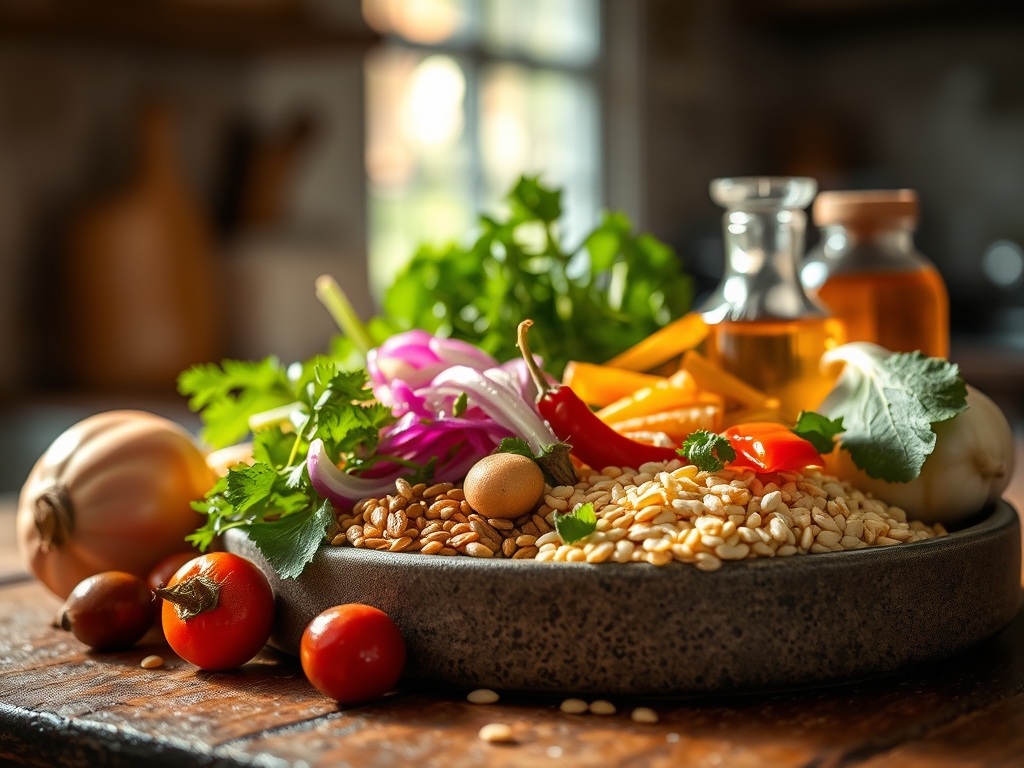
To execute these hoisin chicken recipes with precision, your mise-en-place must be impeccable. Start with your protein. I recommend air-chilled chicken thighs for their superior fat content and moisture retention. You will need a heavy-bottomed skillet or a seasoned carbon steel wok to handle the high heat required for the Maillard reaction.
The star ingredient, hoisin sauce, is a viscous blend of fermented soy, garlic, vinegar, and sugar. It acts as both a marinade and a glaze. You will also need aromatics: fresh ginger and garlic. Use a microplane to grate these into a fine paste; this increases the surface area and allows the essential oils to infuse the oil instantly without burning.
Smart Substitutions:
If you are out of traditional hoisin, you can mimic its profile by whisking together soy sauce, creamy peanut butter, honey, and a dash of Chinese five-spice. For those watching their sodium, look for "Lower Sodium" labels or thin the sauce with a splash of rice vinegar to brighten the piquant notes without losing the body.
The Clock
Efficiency in the kitchen is about "Chef's Flow." This is the psychological state where your movements are deliberate and your timing is synchronized. For most hoisin chicken recipes, the active prep time is approximately 15 minutes, while the cooking phase lasts between 10 and 20 minutes depending on the cut of meat.
The flow begins with the "Cold Prep" phase: dicing vegetables and whisking the sauce. Next is the "Heat Phase," where you render the chicken fat. Finally, the "Glaze Phase" occurs in the last 120 seconds. This prevents the high sugar content in the hoisin from scorching, ensuring a glossy finish rather than a bitter, carbonized crust.
The Masterclass
1. The Sear and Render
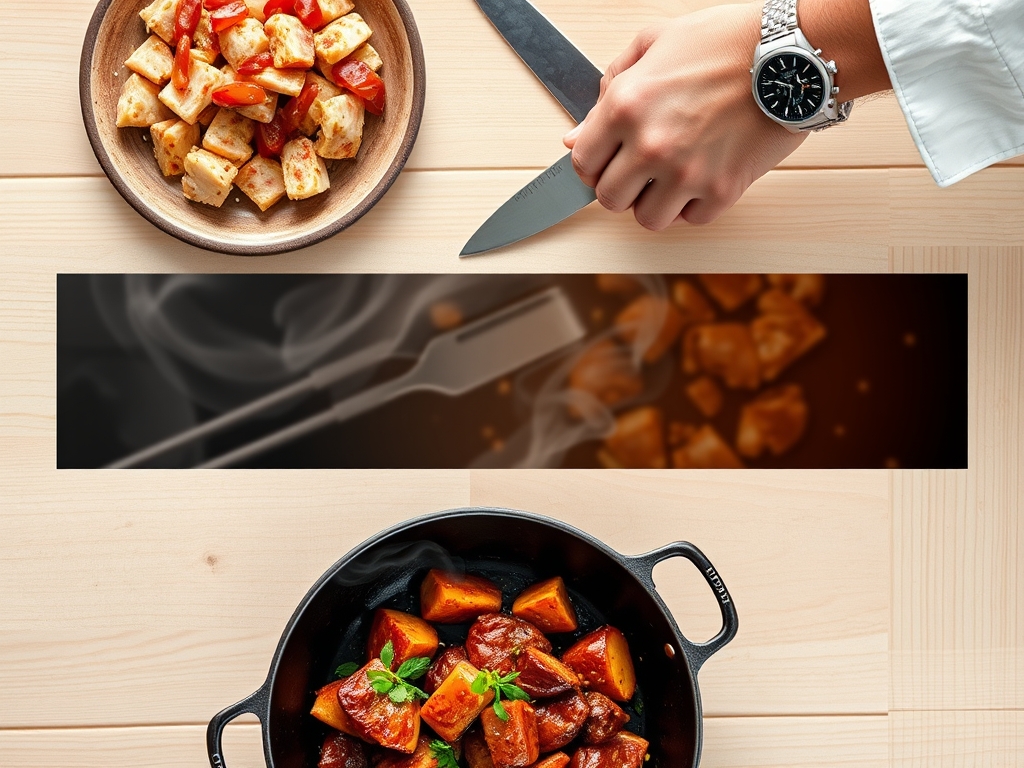
Place your chicken pieces in a preheated saucier or skillet with a high-smoke-point oil like grapeseed. Do not crowd the pan. Crowding lowers the surface temperature and causes the meat to steam in its own juices rather than sear.
Pro Tip: This step relies on the Maillard reaction, a chemical reaction between amino acids and reducing sugars that creates hundreds of different flavor compounds. Achieving a deep golden crust provides the structural foundation for the sauce to cling to later.
2. The Aromatic Infusion
Once the chicken is 80 percent cooked, push it to the perimeter of the pan. Add your grated ginger, garlic, and white parts of scallions to the center. Use tongs to move them rapidly until they become fragrant, usually about 30 to 45 seconds.
Pro Tip: This is known as blooming the aromatics. By heating them in the rendered fat, you are extracting fat-soluble flavor compounds that water-based liquids cannot reach, creating a more complex flavor profile.
3. The Deglaze and Emulsify
Pour in your hoisin mixture along with a splash of water or chicken stock. Use a wooden spoon or bench scraper to lift the browned bits (the fond) from the bottom of the pan. Stir constantly as the liquid begins to bubble and thicken.
Pro Tip: As the water evaporates, the sugars and starches in the hoisin begin to emulsify with the rendered chicken fat. This creates a stable, glossy coating that stays on the chicken rather than pooling at the bottom of your plate.
4. The Carryover Finish
Turn off the heat when the sauce reaches the consistency of warm maple syrup. Toss the chicken one last time to ensure total coverage. Transfer the contents to a serving platter immediately to stop the cooking process.
Pro Tip: Account for thermal carryover. The internal temperature of the chicken will continue to rise by 5 to 10 degrees after being removed from the heat. Pulling it slightly early ensures the breast meat remains juicy rather than stringy.
The Deep Dive
Hoisin chicken recipes are surprisingly balanced when it comes to macro nutrition. A standard serving provides roughly 30 grams of protein and 12 grams of carbohydrates. While the sauce contains sugar, the inclusion of ginger and garlic provides anti-inflammatory benefits.
Dietary Swaps:
For a Vegan version, swap the chicken for extra-firm tofu or seitan. Press the tofu for 20 minutes with a weight to remove excess moisture for a better sear. For Keto enthusiasts, use a sugar-free hoisin substitute and serve over cauliflower rice. For Gluten-Free diners, ensure your hoisin is labeled GF, as many traditional brands use wheat flour as a thickener.
The Fix-It:
- The Sauce is Too Thick: Add a tablespoon of hot water or rice wine to thin it out without altering the flavor profile.
- The Chicken is Dry: You likely skipped the carryover rule. Next time, use a digital scale to ensure even portion sizes for consistent cooking.
- The Flavor is Flat: Add a squeeze of fresh lime juice at the end. The acid cuts through the heavy sugars and "wakes up" the fermented notes.
Meal Prep:
To maintain "day-one" quality when reheating, avoid the microwave if possible. Instead, use a small skillet over medium-low heat with a teaspoon of water. This creates a mini-steam environment that re-hydrates the protein without toughening the fibers.
The Wrap-Up
Mastering hoisin chicken recipes is about more than just following a list of ingredients; it is about understanding the tension between heat and sugar. By controlling your sear and timing your glaze, you create a dish that is both sophisticated and comforting. Now that you have the scientific blueprint, go forth and turn your kitchen into the ultimate flavor lab. Your taste buds (and your friends) will thank you.
The Kitchen Table
Can I use chicken breasts instead of thighs?
Yes; however, breasts have less fat and dry out quickly. Slice them thinly and cook over high heat for a shorter duration to maintain moisture. Use a meat thermometer to ensure they hit exactly 165 degrees Fahrenheit.
Is hoisin sauce the same as oyster sauce?
No; hoisin is plant-based and sweet, made from fermented soybeans. Oyster sauce is savory and made from oyster extracts. They have different viscosities and flavor profiles; hoisin is much thicker and significantly sweeter than oyster sauce.
How do I make the sauce extra glossy?
The secret is a "cornstarch slurry." Mix one teaspoon of cornstarch with two teaspoons of cold water. Whisk this into the simmering sauce at the very end. The starch granules swell and create a professional, mirror-like sheen.
How long does leftover hoisin chicken last?
Stored in an airtight container, it remains delicious for up to four days. The flavors actually deepen overnight as the aromatics continue to infuse the protein. Always reheat thoroughly to an internal temperature of 165 degrees Fahrenheit.