
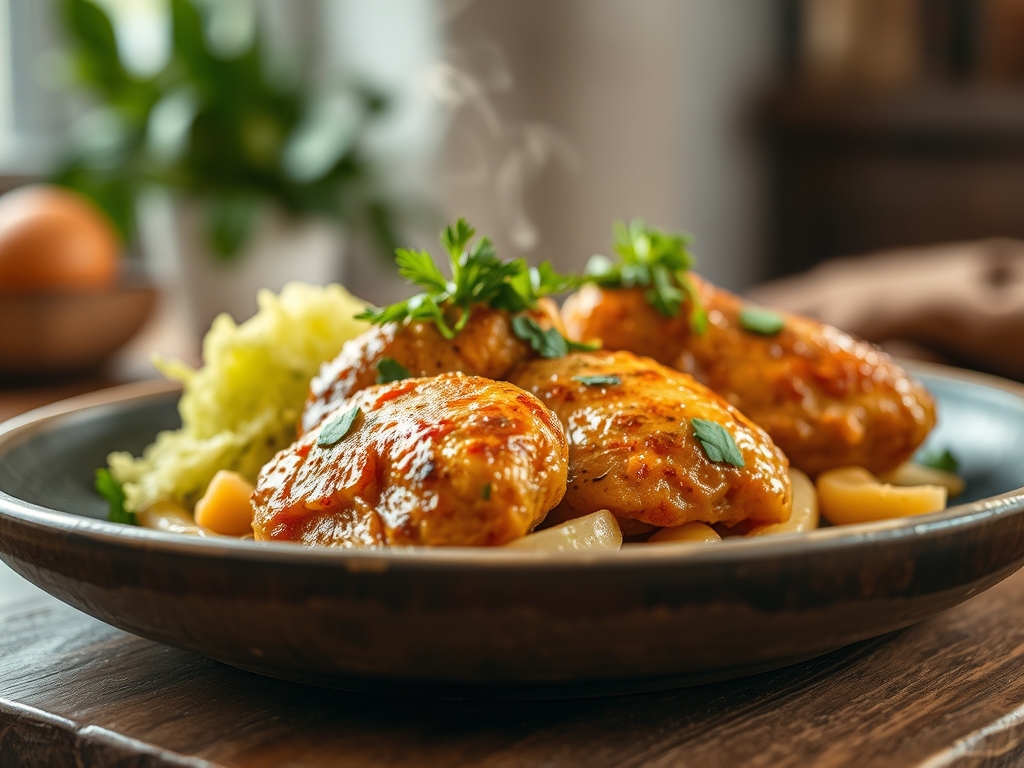
Picture the air in a San Juan kitchen at dusk; it is heavy with the scent of toasted oregano, rendered chicken fat, and the sharp, sulfuric bite of crushed garlic. When you dive into the world of puerto rican chicken recipes, you are not just cooking dinner; you are performing a sensory alchemy that transforms humble poultry into a masterpiece of Caribbean soul.
The secret lies in the foundation. Puerto Rican cuisine relies on the "holy trinity" of flavor: sofrito, adobo, and sazon. These are not mere seasonings; they are chemical catalysts. Whether you are simmering a bone-in thigh for Pollo Guisado or crisping skin for Arroz con Pollo, the goal is to achieve a deep, resonant umami that lingers on the palate long after the last bite. We are talking about dishes that have sustained generations, refined through the lens of modern culinary science to ensure every molecule of flavor is extracted and celebrated.
The Gathers:
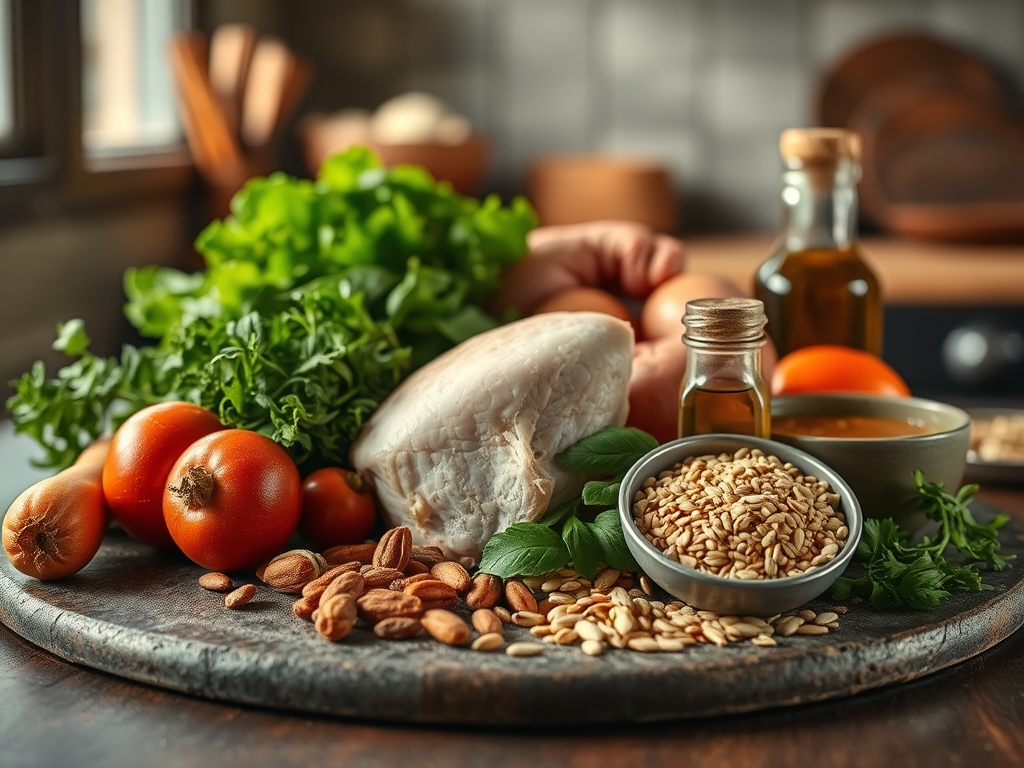
To master these puerto rican chicken recipes, your mise-en-place must be precise. Start with your aromatic base: fresh culantro (not just cilantro), bell peppers, sweet aji dulce peppers, and yellow onions. When pulsed in a food processor, these ingredients release volatile oils that create a viscous green paste known as sofrito.
For the chicken, prioritize bone-in, skin-on cuts. The collagen in the connective tissue breaks down into gelatin during slow cooking, providing a luxurious mouthfeel that boneless breasts simply cannot replicate. You will also need "liquid gold" aka achiote oil. This is made by infusing neutral oil with annatto seeds until it reaches a vibrant, sunset orange.
Smart Substitutions:
If you cannot find aji dulce peppers, use a combination of red bell pepper and a tiny pinch of habanero (minus the seeds) to mimic the floral notes without the heat. If culantro is unavailable, triple the amount of fresh cilantro and add a squeeze of lime to replicate that earthy, pungent profile. For a lower-sodium profile, swap store-bought adobo for a homemade blend of garlic powder, turmeric, oregano, and black pepper, allowing you to control the salinity with a digital scale.
The Clock (H2):
Efficiency in the kitchen is about "Chef's Flow." For these recipes, expect a prep time of 30 minutes and a cook time ranging from 45 to 90 minutes. The flow is simple: marinate first to allow enzymatic breakdown, prepare your sofrito while the meat rests, and use the simmering time to clean your station with a bench scraper. This ensures that by the time the chicken reaches its internal safety temperature, your kitchen is as clean as your plate will soon be.
The Masterclass (H2):
1. The Sear and Render
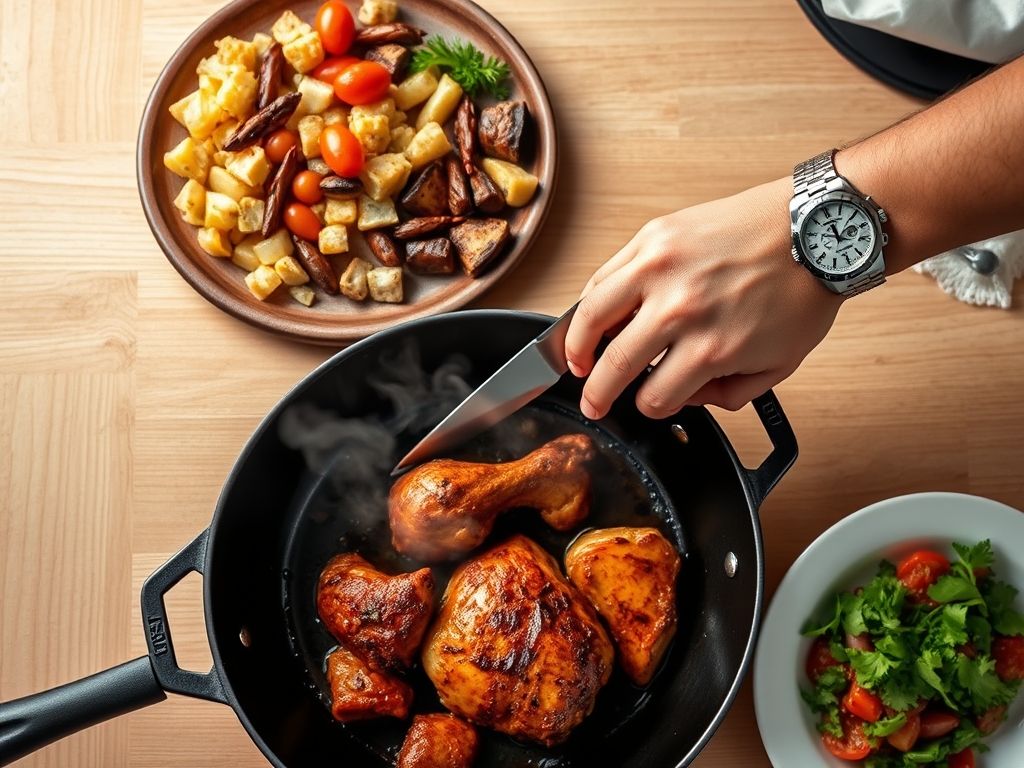
Place your chicken skin-side down in a heavy-bottomed skillet or a caldero. Do not crowd the pan; overcrowding drops the surface temperature and leads to steaming rather than browning. Use tongs to flip only once a deep golden crust has formed.
Pro Tip: This is the Maillard reaction in action. By browning the proteins and sugars, you create hundreds of new flavor compounds. The brown bits stuck to the bottom (the fond) are concentrated flavor packets waiting to be released.
2. The Sofrito Infusion
Remove the chicken and most of the fat, leaving about two tablespoons. Add your sofrito to the hot pan. The water content will evaporate, and the aromatics will begin to "fry" in the chicken fat, turning the paste from a bright green to a deep, olive hue.
Pro Tip: This stage is about lipid-soluble flavor extraction. Many of the aromatic compounds in garlic and peppers are fat-soluble, meaning they need to be heated in oil to fully permeate the entire dish.
3. Deglazing the Caldero
Add a splash of dry white wine or chicken stock. Use a wooden spoon to scrape the bottom of the pan, lifting the fond into the liquid. This creates a piquant base for your sauce.
Pro Tip: Deglazing uses thermal shock to loosen caramelized proteins. This ensures that the flavor developed during the sear is redistributed into the braising liquid rather than being left behind on the pan.
4. The Low and Slow Simmer
Return the chicken to the pan along with tomato sauce, olives, capers, and potatoes. Cover and reduce the heat to a whisper. The liquid should barely bubble, creating a gentle convection current that cooks the chicken evenly.
Pro Tip: This is the collagen conversion phase. At temperatures between 160F and 180F, tough connective tissues melt into gelatin. This keeps the meat succulent even if it technically "overcooks" past the standard safety mark.
5. The Final Reduction
Remove the lid for the last ten minutes of cooking. This allows excess moisture to escape, concentrating the sauce until it is thick enough to coat the back of a spoon.
Pro Tip: As water evaporates, the solute concentration increases. This intensifies the salt and spice levels, so always do your final seasoning adjustments at this very last stage to avoid an over-salted dish.
6. The Rest and Aerate
Turn off the heat and let the dish sit for five minutes before serving. Use a fork to gently aerate the rice if you are making Arroz con Pollo, ensuring the grains stay separate and fluffy.
Pro Tip: This allows for thermal carryover and moisture redistribution. The muscle fibers relax, reabsorbing the flavorful juices so they do not run out onto the plate when you cut into the meat.
The Deep Dive (H2):
Macro Nutrition:
A standard serving of Puerto Rican chicken (like Pollo Guisado) provides roughly 350-450 calories, 30g of protein, and 15g of healthy fats. By using skinless thighs, you can reduce the fat content by nearly 40% without sacrificing significant flavor.
Dietary Swaps:
- Vegan: Use "soy curls" or king oyster mushrooms in place of chicken. Use vegetable bouillon and extra smoked paprika to mimic the savory depth.
- Keto: Omit the potatoes and rice; serve over cauliflower rice or with sliced avocado.
- GF: Naturally gluten-free, just ensure your sazon packet does not use wheat-based anti-caking agents.
The Fix-It:
- Too Salty: Add a peeled, halved potato. The starch acts as a molecular sponge, absorbing excess salt.
- Too Thin: Whisk a teaspoon of cornstarch with cold water (a slurry) and stir it into the boiling sauce to create an instant emulsification.
- Bland: Add a "pop" of acidity. A microplane of lime zest or a teaspoon of apple cider vinegar can brighten the entire flavor profile instantly.
Meal Prep:
When reheating, the "warmed-over flavor" is caused by lipid oxidation. To prevent this, reheat your chicken in a saucier on the stove with a splash of water or stock. This creates a steam-jacket effect that restores moisture without "cooking" the meat further.
The Wrap-Up (H2):
Mastering puerto rican chicken recipes is a journey through history and chemistry. By understanding how to properly render fat, deglaze a pan, and balance aromatics, you are doing more than following a recipe; you are honoring a vibrant culinary tradition. So, grab your caldero, sharpen your knives, and let the scent of garlic and oregano fill your home. Your kitchen is now the best restaurant in town.
The Kitchen Table (H2):
What is the best chicken cut for Puerto Rican recipes?
Bone-in, skin-on thighs are superior. They contain more collagen and fat than breasts, which prevents the meat from drying out during the long simmering process required for traditional stews and rice dishes.
Can I make sofrito in advance?
Yes. You can blend a large batch and store it in the refrigerator for one week or freeze it in ice cube trays. This allows for instant flavor extraction whenever you begin cooking.
How do I get the yellow color in the rice?
The iconic yellow-orange hue comes from annatto seeds (achiote) or turmeric. Most home cooks use sazon packets containing culantro and achiote to provide both the distinct color and a punch of savory umami.
What is a caldero and do I need one?
A caldero is a cast-aluminum pot with rounded sides and a tight lid. It distributes heat evenly for browning and steaming. While a Dutch oven works, a caldero is the traditional tool for perfect rice.
Is Puerto Rican chicken spicy?
Traditional Puerto Rican chicken is savory and aromatic, not spicy. It relies on peppers like aji dulce, which provide a sweet, floral flavor. Any "heat" is usually added at the table with "pique," a local hot sauce.