
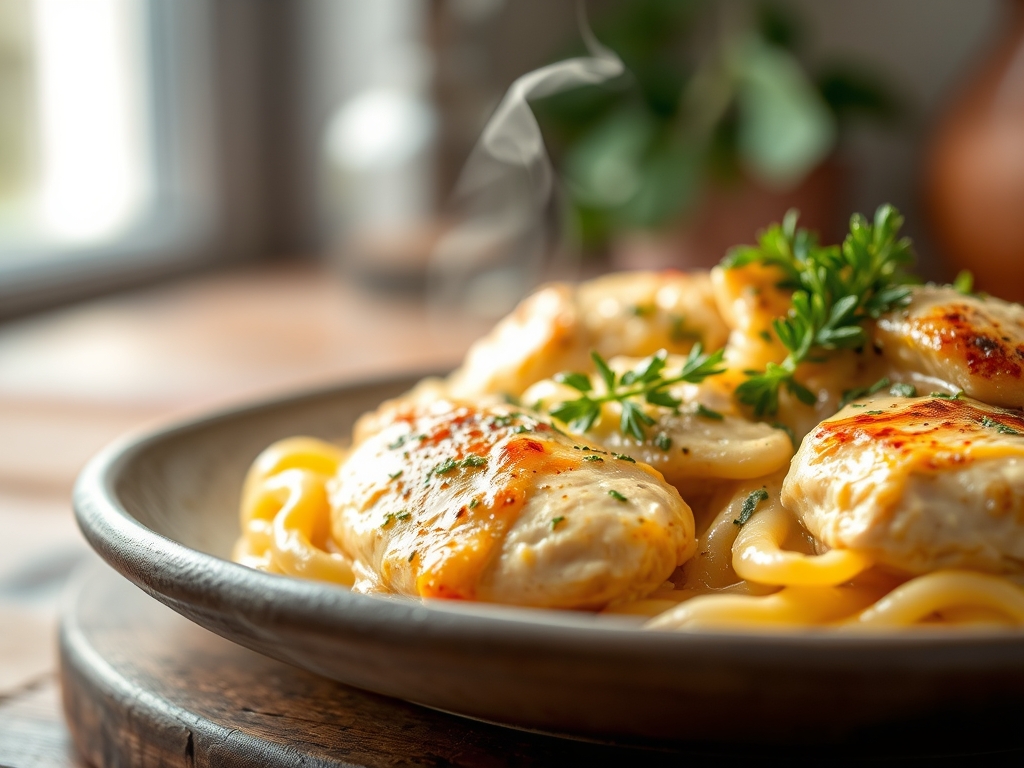
The scent of searing poultry hitting a hot pan is the universal siren song of a home cook who knows exactly what she is doing. There is something deeply primal and comforting about the marriage of high quality protein and a velvet sauce. When you search for creamy chicken recipes easy enough for a Tuesday but elegant enough for a Saturday, you are really looking for the intersection of chemistry and soul. We are talking about that specific, glossy sheen that only comes from a perfectly emulsified pan sauce. It is the kind of meal that makes you want to scrape the skillet with a piece of crusty bread until the metal shines. Forget the thin, watery sauces of your past. We are diving into the mechanics of fat, heat, and salt to create a rotation of nine masterpieces that will make your kitchen feel like a high end bistro.
The Gathers:
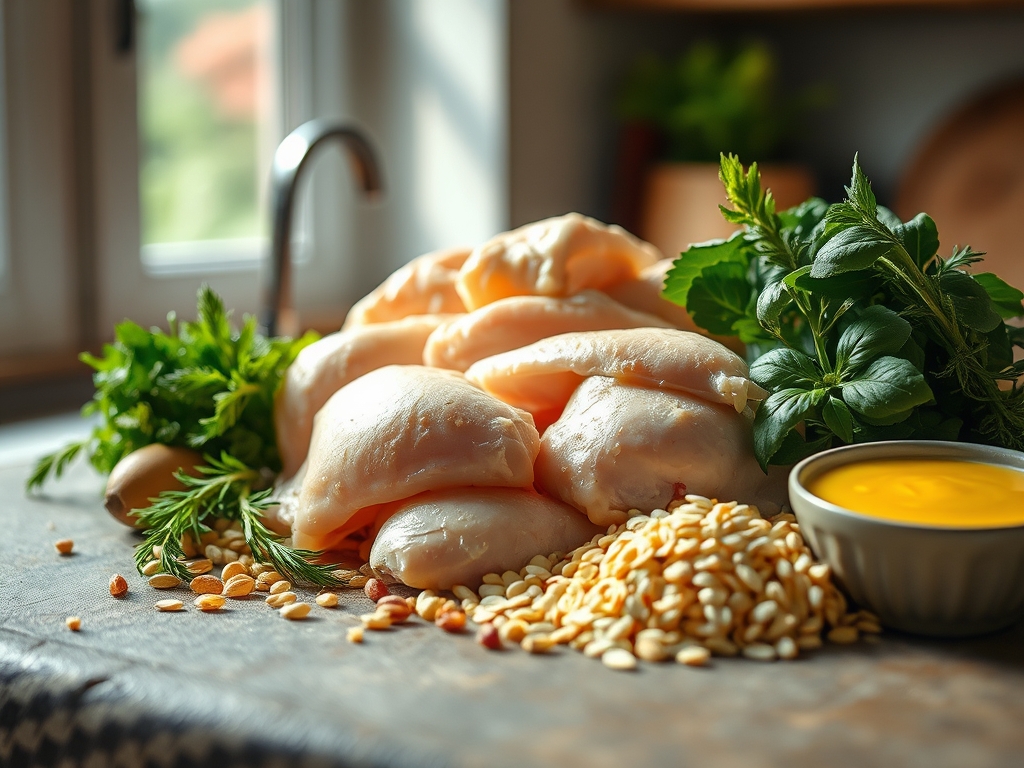
Before we ignite the burners, we must respect the mise-en-place. To achieve the best creamy chicken recipes easy style, you need ingredients that offer a balance of high fat content and bright acidity. Start with organic chicken thighs or breasts; thighs are more forgiving due to their higher intramuscular fat, while breasts require precision to avoid desiccation. You will need a viscous heavy cream with at least 36 percent milkfat to ensure the sauce does not break when it hits the heat.
Your aromatics are the backbone here. Fresh garlic, shallots, and herbs like thyme or tarragon provide the piquant notes that cut through the richness. Use a microplane to zest a lemon directly into your prep bowl; those essential oils are volatile and vanish quickly. For the fat, a combination of high smoke point avocado oil for the sear and cold, unsalted European butter for the finish is non-negotiable.
Smart Substitutions: If you are dodging dairy, full fat coconut milk or a cashew cream base can mimic the mouthfeel of traditional cream. For a lower calorie punch of umami, try adding a teaspoon of white miso paste to your sauce base. It provides a depth of flavor that mimics long simmered stocks in a fraction of the time.
The Clock: Mastering the Flow
Efficiency in the kitchen is about understanding the Chef's Flow. This is the art of overlapping tasks so that no second is wasted. For these recipes, expect a total commitment of 30 to 40 minutes. The active prep time is roughly 15 minutes, which includes trimming the protein and mincing aromatics with a sharp chef knife.
The cooking phase is where the magic happens. You spend 8 to 10 minutes on the initial sear to develop color. While the chicken rests, you spend 5 minutes building the sauce in the same pan to capture the fond. The final 5 minutes are for "marrying" the chicken back into the sauce. This sequence ensures that the chicken stays juicy while the sauce reaches its peak thickness.
The Masterclass:
1. The High Heat Sear
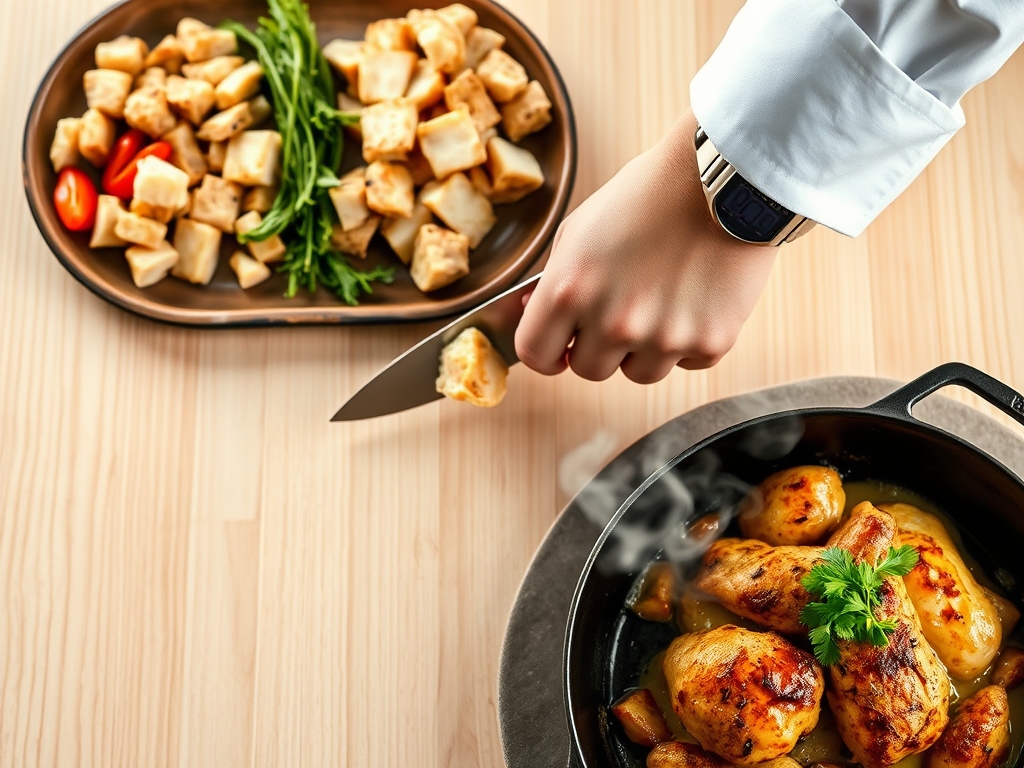
Pat your chicken bone-dry with paper towels. Moisture is the enemy of the Maillard reaction. Heat your heavy-bottomed skillet until the oil shimmers but does not smoke. Lay the chicken away from you to avoid splashes. Do not move it for at least four minutes.
Pro Tip: This is about enzymatic browning. When amino acids and reducing sugars react under heat, they create hundreds of flavor compounds. If you move the meat too early, you tear the fibers and lose those savory brown bits known as fond.
2. Deglazing the Pan
Once the chicken is golden, remove it with tongs. The pan will have dark spots on the bottom. Pour in a splash of dry white wine or chicken stock. Use a wooden spoon or bench scraper to lift those caramelized bits into the liquid.
Pro Tip: This process uses solvent extraction. The alcohol or water dissolves the flavor molecules stuck to the pan, incorporating them back into the liquid base for a more complex profile.
3. Building the Emulsion
Lower the heat and add your cream and aromatics. Use a saucier or whisk to stir constantly. You want the water in the cream to evaporate slightly, concentrating the fats and proteins until the liquid coats the back of a spoon.
Pro Tip: You are creating a colloidal suspension. By whisking steadily, you prevent the fat globules from coalescing, which ensures your sauce remains smooth and glossy rather than oily and separated.
4. The Flavor Infusion
Add your herbs and finishing acids, like lemon juice or a dash of Dijon mustard. This is the stage where you season with kosher salt and freshly cracked black pepper. Always taste your sauce before adding the chicken back in.
Pro Tip: This is called layering flavors. Adding fresh herbs at the end preserves their volatile aromatics, which would otherwise be destroyed by the high heat of the initial sear.
5. The Rest and Return
Place the chicken back into the simmering sauce. Let it sit for two to three minutes to ensure it reaches an internal temperature of 165 degrees Fahrenheit.
Pro Tip: Account for thermal carryover. The internal temperature of the meat will continue to rise by about 5 degrees after you remove it from the heat. Pulling it just before the target prevents the fibers from tightening and becoming tough.
The Deep Dive: Science and Solutions
When we look at the macro nutrition of these creamy chicken recipes easy lovers adore, we see a profile high in protein and healthy fats. A standard serving provides roughly 35 grams of protein and 25 grams of fat. To keep it Keto, serve over roasted cauliflower. For Gluten-Free needs, ensure your chicken stock is certified and avoid using flour as a thickener; the reduction method is naturally GF and tastes better anyway.
The Fix-It: Troubleshooting Your Sauce
- The Sauce Broke: If you see oil separating, the heat was too high. Add a teaspoon of very cold heavy cream and whisk vigorously off the heat to re-emulsify.
- The Chicken is Dry: You likely skipped the resting phase. Next time, use a digital scale to ensure even portion sizes for consistent cooking times.
- The Flavor is Dull: It needs acid. A tiny splash of apple cider vinegar or a squeeze of lime can "wake up" the fats and make the flavors pop.
Meal Prep and Reheating:
Reheating cream sauces is a delicate science. If you microwave it on high, the proteins will tighten and squeeze out the fat, leaving you with a greasy mess. Instead, reheat on the stovetop over low heat with a tablespoon of water or milk to rehydrate the emulsion.
The Wrap-Up:
You are now armed with the technical prowess to turn a simple bird into a culinary event. These creamy chicken recipes easy methods are not just about following a list; they are about understanding how heat transforms fat and protein into comfort. Go grab your favorite skillet and start searing. Your kitchen is about to smell like a dream, and your dinner guests will think you have been hiding a culinary degree in your apron pocket.
The Kitchen Table:
How do I keep my cream sauce from curdling?
Always use full-fat dairy and avoid boiling the sauce once the cream is added. High heat causes the proteins to clump. Instead, maintain a gentle simmer and add acidic ingredients like lemon juice at the very end of the process.
Can I use milk instead of heavy cream?
Milk lacks the fat content to create a stable emulsion on its own. If you must use milk, whisk in a teaspoon of cornstarch first to create a slurry. This helps thicken the liquid and prevents it from breaking under heat.
What is the best way to store leftovers?
Store in an airtight glass container for up to three days. Glass is non-reactive and won't hold onto odors. When reheating, add a splash of liquid and use low heat to prevent the sauce from separating into an oily mess.
Why is my chicken rubbery?
Rubbery chicken is usually the result of overcooking or cooking straight from the fridge. Let your chicken sit at room temperature for 15 minutes before searing. This ensures even heat distribution and prevents the muscle fibers from seizing up and becoming tough.