
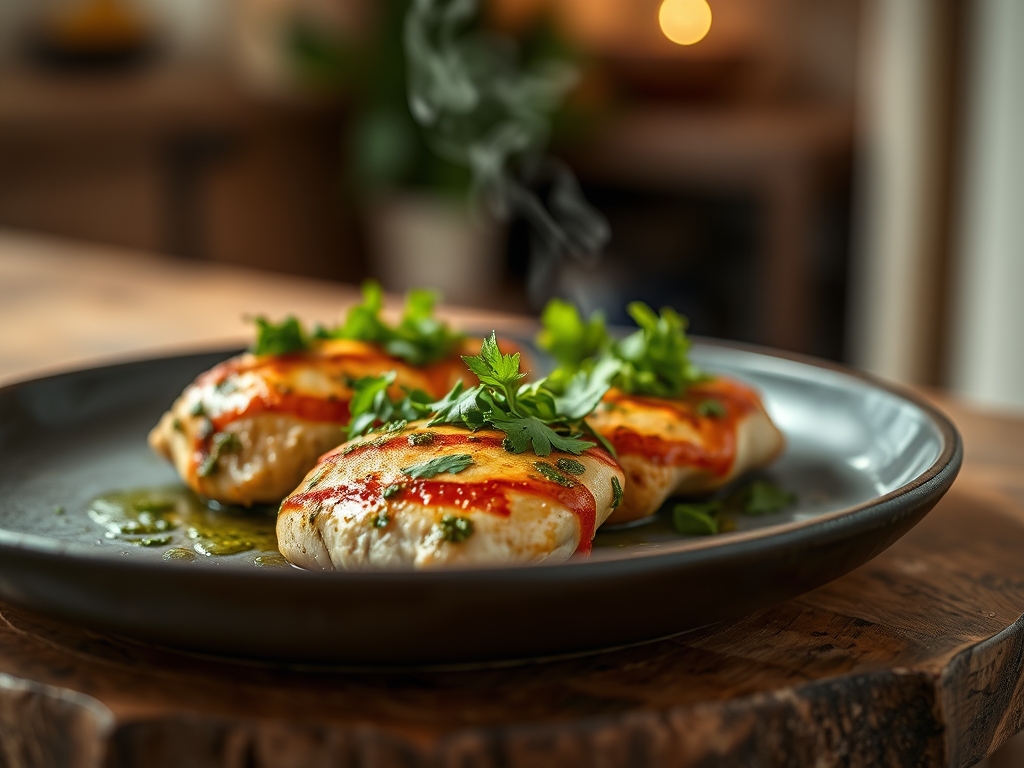
Close your eyes and imagine the sharp, electric scent of crushed garlic colliding with the grassy brightness of fresh parsley. That is the soul of the best chimichurri chicken recipes. It is a sensory explosion that transforms a humble bird into a masterpiece of Argentine flair. We are talking about a sauce so vibrant it practically vibrates on the plate; a perfect marriage of high-acid vinegar and rich, cold-pressed oils.
When you master chimichurri chicken recipes, you are not just cooking dinner; you are conducting a symphony of volatile aromatics. The secret lies in the contrast between the charred, smoky exterior of the protein and the raw, piquant punch of the herb oil. It is a dish that demands attention and rewards precision. We are going to dive deep into the molecular mechanics of this sauce to ensure your kitchen smells like a high-end steakhouse in Buenos Aires by sunset.
The Gathers:
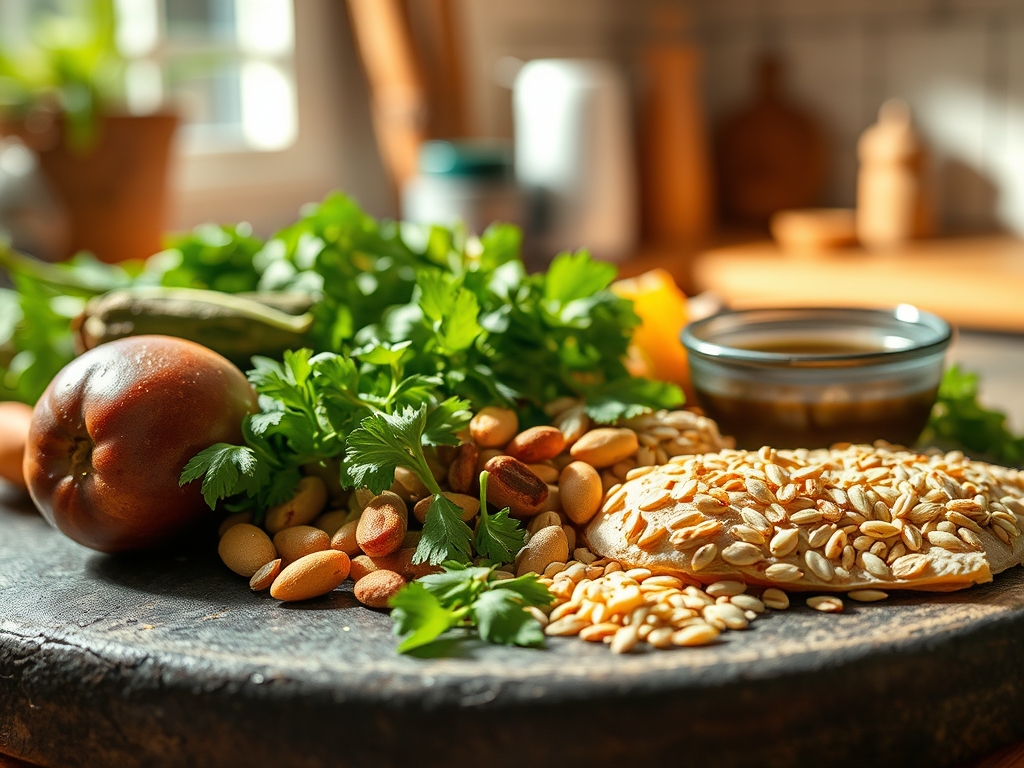
To achieve the ultimate flavor profile, your mise-en-place must be impeccable. Start with two pounds of organic chicken thighs; the higher fat content ensures the meat remains succulent during high-heat searing. For the sauce, you need two packed cups of Italian flat-leaf parsley and one cup of fresh cilantro. Do not reach for the dried stuff. We need the living chlorophyll and essential oils found only in fresh leaves.
You will also need four cloves of garlic, a teaspoon of dried oregano for an earthy backbone, and a pinch of red pepper flakes for a subtle capsaicin kick. The liquid gold here is a high-quality extra virgin olive oil and red wine vinegar. A digital scale is your best friend here to ensure the 3-to-1 oil-to-acid ratio is perfect. If you are out of red wine vinegar, a splash of lemon juice or apple cider vinegar works as a smart substitution, though it will alter the pH and the final bite. Use a microplane for the garlic to create a fine paste; this increases the surface area and releases more allicin for that signature sharp flavor.
The Clock
Efficiency in the kitchen is all about "Chef's Flow." Expect a total active prep time of 20 minutes, with a 30-minute marination window. The actual cook time on a heavy-bottomed skillet or grill will take roughly 12 to 15 minutes.
The flow works like this: start by prepping your herbs and emulsifying your sauce. While the chicken bathes in half of that glorious green mixture, you can clean your station and prep your side dishes. This staggered approach ensures that by the time your skillet is screaming hot, your chicken has reached the ideal temperature for a perfect sear.
The Masterclass
1. The Herb Reduction
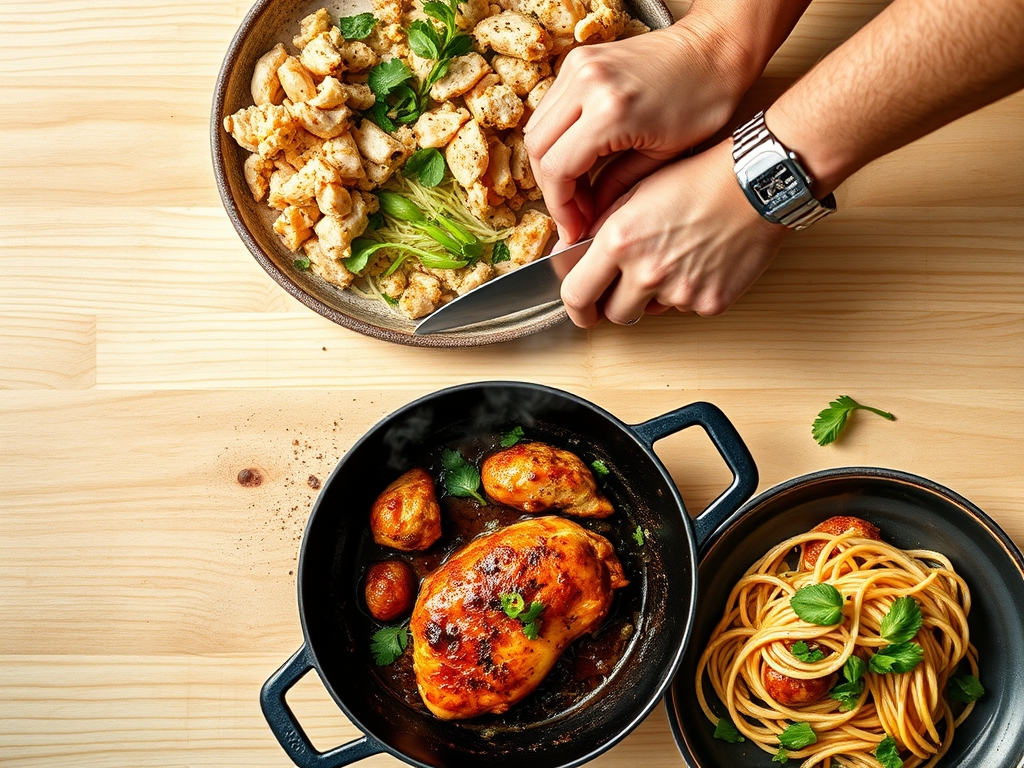
Finely mince your parsley, cilantro, and garlic. Avoid the food processor if you can; a sharp chef's knife prevents the herbs from bruising and oxidizing too quickly. Place the herbs in a small saucier or bowl and whisk in the oil and vinegar.
Pro Tip: This is called mechanical reduction. By hand-chopping, you preserve the cellular structure of the herbs, which keeps the sauce viscous rather than watery. If you over-process in a machine, you risk creating a bitter emulsion due to the rapid oxidation of the polyphenols in the olive oil.
2. The Acidic Infusion
Place your chicken in a glass bowl and pour over half of the chimichurri. Use tongs to toss the meat, ensuring every crevice is coated. Let it sit at room temperature for 30 minutes.
Pro Tip: This is a short-term brine. The acetic acid in the vinegar begins to break down the tough protein fibers, a process known as denaturation. This ensures the final result is tender while allowing the garlic and herb oils to infuse deep into the muscle tissue.
3. The High-Heat Sear
Heat your heavy-bottomed skillet until a drop of water dances and evaporates instantly. Add a high-smoke-point oil, then lay the chicken down away from you. Do not crowd the pan; work in batches if necessary.
Pro Tip: You are aiming for the Maillard reaction. This chemical reaction between amino acids and reducing sugars occurs at temperatures above 285 degrees Fahrenheit. It creates hundreds of different flavor compounds and that gorgeous brown crust we crave.
4. The Rendering Phase
Flip the chicken once a deep golden crust has formed. Lower the heat slightly to allow the internal fats to render out without burning the exterior herb bits.
Pro Tip: Fat is a flavor carrier. As the subcutaneous fat melts, it bashes the meat from the inside out. Using a digital thermometer, pull the chicken when it hits 160 degrees Fahrenheit.
5. The Rest and Carryover
Move the chicken to a warm plate or wooden board. Use a bench scraper to clear any charred bits from your board if you are slicing immediately, but wait at least five minutes.
Pro Tip: This allows for thermal carryover. The internal temperature will rise another 5 degrees while resting, reaching the safe 165-degree mark. More importantly, it allows the muscle fibers to relax and reabsorb the juices, preventing a dry bird.
6. The Final Glaze
Drizzle the remaining fresh chimichurri over the rested, sliced chicken. The heat from the meat will slightly aerate the fresh herbs, releasing a final burst of aroma just as you serve.
Pro Tip: This double-application technique provides two layers of flavor: the deep, caramelized notes from the marinade and the bright, raw punch from the fresh topper. It creates a complex, multi-dimensional profile.
The Deep Dive
From a nutritional standpoint, chimichurri chicken recipes are a powerhouse. A standard serving of thigh meat provides roughly 25g of protein and 15g of healthy fats. It is naturally Gluten-Free and Keto-friendly. To make it Vegan, swap the chicken for thick-cut cauliflower steaks or firm tofu, following the same marination and searing steps.
If you encounter "The Fix-It" moments, stay calm. If your sauce is too acidic, whisk in a tiny pinch of sugar or more oil to balance the pH. If the chicken is sticking to the pan, it is likely not ready to flip; the meat will naturally release once the crust has formed. If your herbs are turning brown, your vinegar might be too reactive; add the acid only right before serving next time.
For meal prep, store the sauce and chicken separately. When reheating, use a low-wattage setting on the microwave or a quick flash in a pan. Science says high heat during reheating will "cook" the fresh herbs in the sauce, turning them dull and bitter. Add a fresh splash of vinegar to "wake up" the flavors on day two.
The Wrap-Up
There you have it! You are now equipped to dominate the world of chimichurri chicken recipes with the precision of a scientist and the soul of a chef. Remember, the magic is in the details: the sharp knife, the hot pan, and the patience to let the meat rest. Go forth, get messy with those herbs, and turn your kitchen into the most fragrant spot in the neighborhood. You have got this!
The Kitchen Table
Can I make chimichurri in a blender?
Yes, but pulse briefly. High-speed blades can oxidize olive oil, making it bitter. For the best texture and flavor, hand-chopping with a sharp knife is superior to maintain the sauce's signature viscous consistency.
How long does fresh chimichurri last?
Stored in an airtight container, it stays vibrant for about 2 to 3 days. The acid will eventually dull the green chlorophyll. For long-term storage, freeze the herb and oil mixture in ice cube trays without the vinegar.
What is the best cut of chicken to use?
Boneless, skin-on chicken thighs are ideal. The higher fat content prevents the meat from drying out during the high-heat searing required for the Maillard reaction. Breasts work but require careful temperature monitoring to avoid becoming rubbery.
Why is my chimichurri sauce too watery?
This usually happens if you wash your herbs and do not dry them completely. Excess water prevents the oil from clinging to the leaves. Use a salad spinner or pat them thoroughly with paper towels before chopping.