
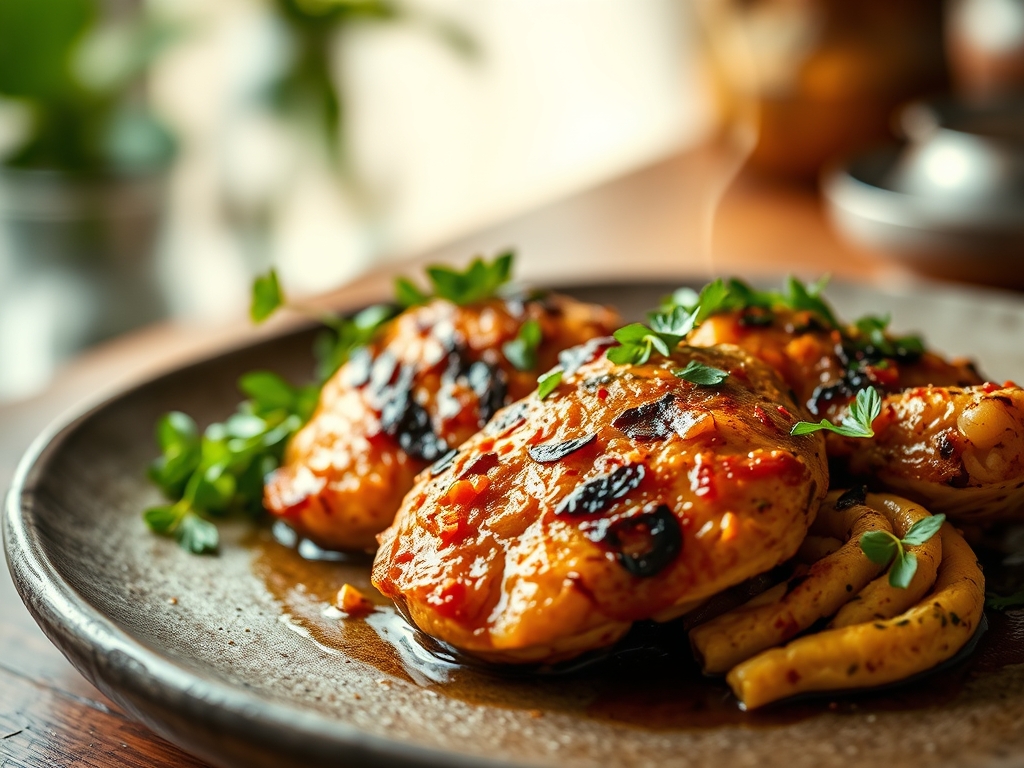
Imagine the air thick with the scent of charred allspice and fermented scotch bonnet peppers. Your kitchen is about to transform into a high heat laboratory where the humidity of the islands meets the precision of a professional galley. When you dive into chicken recipes caribbean style, you are not just cooking; you are managing complex chemical reactions involving capsaicin and wood smoke. We are moving beyond the standard roast to embrace the piquant, citrus forward profiles that define the West Indies. This is a journey through eight distinct flavor profiles that utilize acidic marination to denature proteins, ensuring every bite is as tender as it is vibrant. Get your heavy bottomed skillet ready because we are about to marry soulful tradition with molecular accuracy.
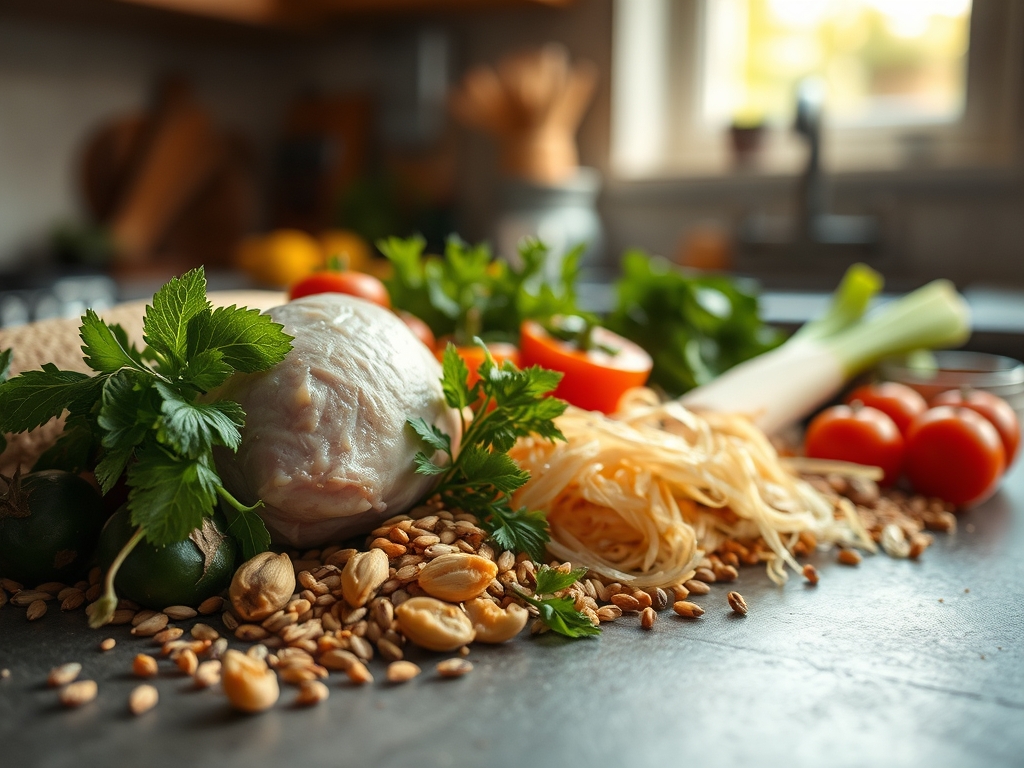
The Gathers:
The mise en place for these chicken recipes caribbean depends on a balance of volatile aromatics and stabilizing fats. You will need bone-in, skin-on thighs for maximum collagen conversion. On your workspace, gather fresh thyme sprigs, scallions, and whole allspice berries. Use a microplane to grate fresh ginger and nutmeg; this increases the surface area for flavor extraction during the simmering process. You will also need a high quality browning sauce or dark brown sugar to initiate the caramelization process that gives Caribbean stews their characteristic deep amber hue.
Smart Substitutions: If scotch bonnets are too aggressive for your palate, use habaneros for a similar fruity profile with slightly less heat. If you lack fresh pimento wood for smoking, a drop of high quality liquid smoke or a teaspoon of smoked paprika can mimic that earthy depth. For a lighter profile, swap coconut milk for cashew cream to maintain a viscous mouthfeel without the high saturated fat content of traditional tropical creams.
The Clock:
Mastering these chicken recipes caribbean requires an understanding of the Chef's Flow. Total active prep time sits at roughly 45 minutes, but the passive time is where the magic happens. You must account for a minimum four hour marination window. This allows the citric acid from lime juice to begin breaking down connective tissues. The actual cook time varies from a quick 20 minute sear for jerk skewers to a low and slow 60 minute braise for brown stew chicken.
The "Flow" involves prepping your aromatics while the chicken reaches room temperature. Never drop cold meat into a hot pan; it causes the muscle fibers to seize and eject moisture. By the time your heavy-bottomed skillet is shimmering with oil, your chicken should be tempered and ready to achieve a perfect sear.
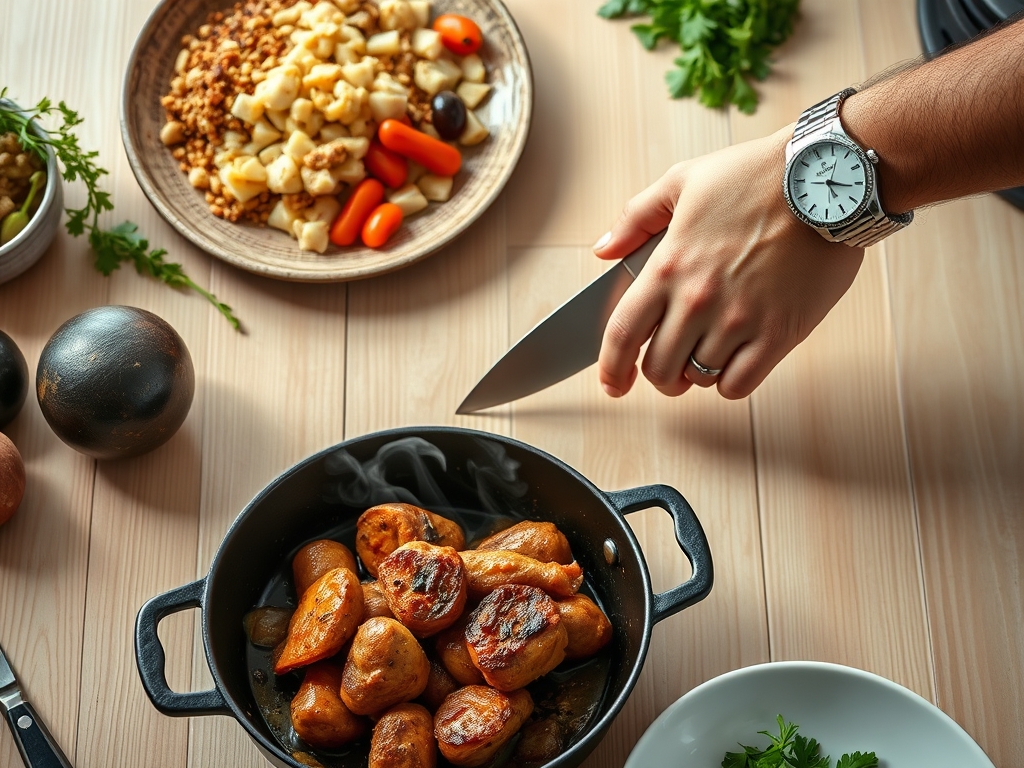
The Masterclass:
1. The Acidic Infusion
Begin by cleaning your chicken with lime and vinegar. This is not just tradition; it is a way to adjust the surface pH of the meat. Submerge the pieces in a marinade of blended aromatics.
Pro Tip: This process uses enzymatic tenderization. The acids in the citrus break down the tough exterior proteins, allowing the spices to penetrate deeper into the muscle fibers rather than just sitting on the surface.
2. Achieving the Maillard Reaction
Heat your cast iron skillet until the oil reaches its smoke point. Place the chicken skin side down. Do not crowd the pan; this leads to steaming rather than searing.
Pro Tip: The Maillard Reaction occurs between 285 and 330 degrees Fahrenheit. It is a chemical reaction between amino acids and reducing sugars that creates hundreds of different flavor compounds. Use tongs to flip only once the skin releases naturally from the pan.
3. Rendering the Fat
As the chicken sears, the subcutaneous fat begins to render. This liquid gold becomes the base for your sauce.
Pro Tip: Slow rendering prevents the skin from becoming rubbery. By starting at a medium high heat and then slightly lowering it, you allow the fat to liquefy and escape, resulting in a glass like crispness.
4. Deglazing the Fond
Once the chicken is browned, remove it and look at the brown bits stuck to the bottom of the pan. This is called the fond. Pour in a splash of chicken stock or coconut water to loosen these bits.
Pro Tip: Deglazing captures concentrated flavors that would otherwise be lost. The liquid acts as a solvent, lifting the caramelized proteins and incorporating them into your final sauce for a richer profile.
5. The Low and Slow Braise
Return the chicken to the pan and add your liquids. Cover with a tight fitting lid to create a pressurized steam environment.
Pro Tip: This stage focuses on collagen conversion. At sustained temperatures around 160 degrees Fahrenheit, tough collagen transforms into silky gelatin, which provides the succulent "fall off the bone" texture.
6. Aerating the Sauce
In the final ten minutes, remove the lid to allow the sauce to reduce. Use a saucier if you are making a large batch to ensure even evaporation.
Pro Tip: As water evaporates, the sauce becomes more viscous. This concentrates the sugars and salts, creating a glaze that clings to the meat. Aerate the sauce by giving it a vigorous whisk to incorporate a bit of air for a lighter mouthfeel.
7. The Resting Phase
Transfer the chicken to a warm platter and let it sit for at least ten minutes before serving.
Pro Tip: This accounts for thermal carryover. The internal temperature will continue to rise by about five degrees. Resting allows the muscle fibers to relax and reabsorb the juices, ensuring they do not spill out when you take the first bite.
8. The Final Garnish
Finish with a burst of freshness. Add sliced scallions and a squeeze of fresh lime right before the plate hits the table.
Pro Tip: Adding fresh acid at the end provides a "top note" that cuts through the heavy, fatty flavors of the braise. It brightens the entire dish and reawakens the palate.
The Deep Dive:
Macro Nutrition: A standard serving of Caribbean chicken (thigh based) provides approximately 35g of protein, 18g of fat, and 8g of carbohydrates. To optimize for health, remove the skin after cooking to reduce caloric density while retaining the moisture provided by the fat during the rendering process.
Dietary Swaps:
- Vegan: Substitute chicken with extra firm tofu or young green jackfruit. Use liquid aminos instead of fish sauce or browning.
- Keto: Replace brown sugar with a monk fruit sweetener and serve over cauliflower rice.
- Gluten Free: Ensure your browning sauce is certified GF, as some brands use barley malt.
The Fix-It:
- Too Salty: Add a peeled potato to the simmering sauce; it acts as a sponge for excess sodium.
- Too Spicy: Incorporate a tablespoon of peanut butter or extra coconut cream to coat the tongue and neutralize the capsaicin.
- Thin Sauce: Create a slurry using arrowroot powder and cold water to thicken without altering the flavor profile.
Meal Prep: To maintain "day one" quality, reheat your chicken in a covered dish in the oven at 300 degrees Fahrenheit with a splash of water. This creates a mini steam chamber that prevents the meat from becoming stringy or dry, a common pitfall of microwave reheating.
The Wrap-Up:
You are now equipped to master chicken recipes caribbean with the technical prowess of a seasoned chef. By focusing on the science of the sear and the patience of the braise, you elevate a simple meal into a high fidelity culinary experience. Remember that cooking is as much about heat management as it is about seasoning. Go forth, use your digital scale for precision, and let the bold, piquant flavors of the islands take over your kitchen. Your friends will not just taste the food; they will feel the heat and the soul in every bite.
The Kitchen Table:
How do I make my chicken recipes caribbean more tender?
Always marinate your chicken in an acidic base like lime or vinegar for at least four hours. This denatures the proteins and breaks down connective tissue before the heat even touches the pan.
Can I use chicken breast for these recipes?
You can, but breasts dry out quickly. If using breast meat, reduce the simmering time by half and use a meat thermometer to pull the chicken exactly at 160 degrees Fahrenheit to ensure juiciness.
What is the best way to get crispy skin in a stew?
Sear the chicken skin side down in a very hot skillet before adding any liquid. Keep the skin above the liquid line during the braising process to maintain that structural integrity and crunch.
Why is my Caribbean sauce too thin?
You likely did not allow for enough evaporation. Remove the lid during the final stage of cooking and increase the heat to reduce the liquid, concentrating the flavors and thickening the consistency naturally.