
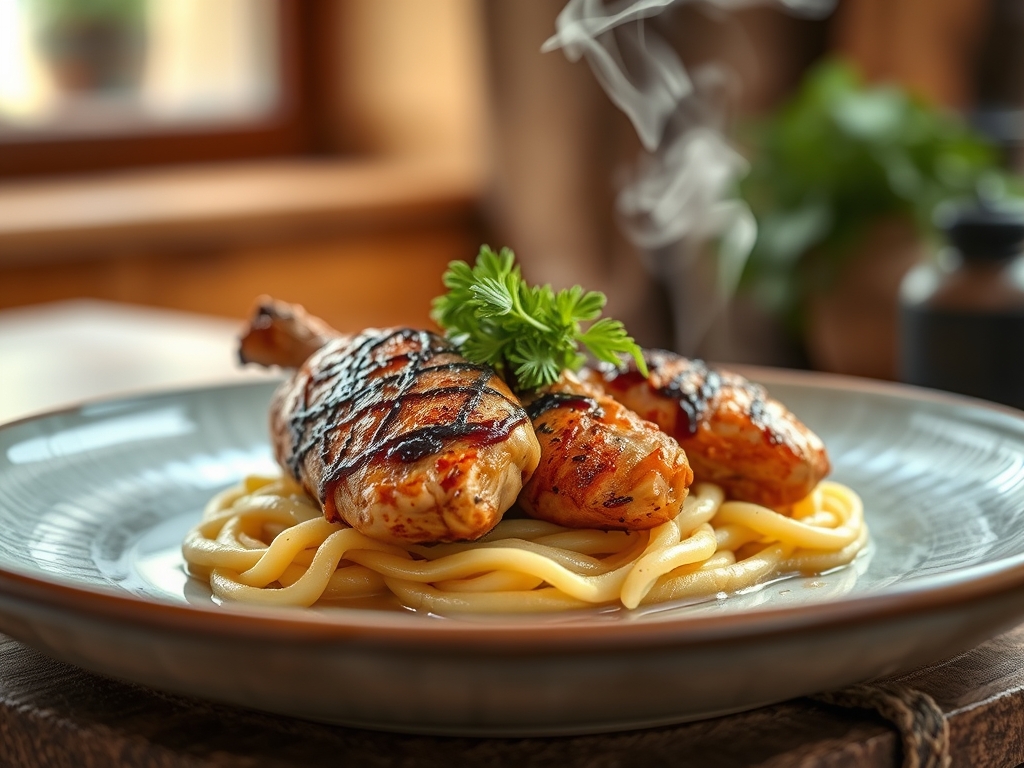
Imagine the sound of cold protein hitting a shimmering, stainless steel pan; that sharp, rhythmic hiss is the music of the Maillard reaction beginning its work. We have all scrolled through endless chicken recipes all recipes looking for that elusive balance of a shatteringly crisp exterior and a succulent, velvet interior. Chicken is our culinary blank canvas, but today, we are elevating it from a Tuesday night chore into a masterclass of texture and deep, resonant flavor. Whether you are craving a citrus-infused roast or a piquant pan sauce, the secret lies in understanding the molecular dance of heat and moisture.
We are moving beyond basic seasoning. We are talking about the science of brine, the geometry of the perfect sear, and the chemical magic of deglazing. By the time we are done, your kitchen will smell like a five-star bistro, and you will possess the technical prowess to turn a simple breast or thigh into a centerpiece that demands attention. Grab your favorite apron; we are about to transform your repertoire with ten strategies that redefine what poultry can be.
The Gathers:
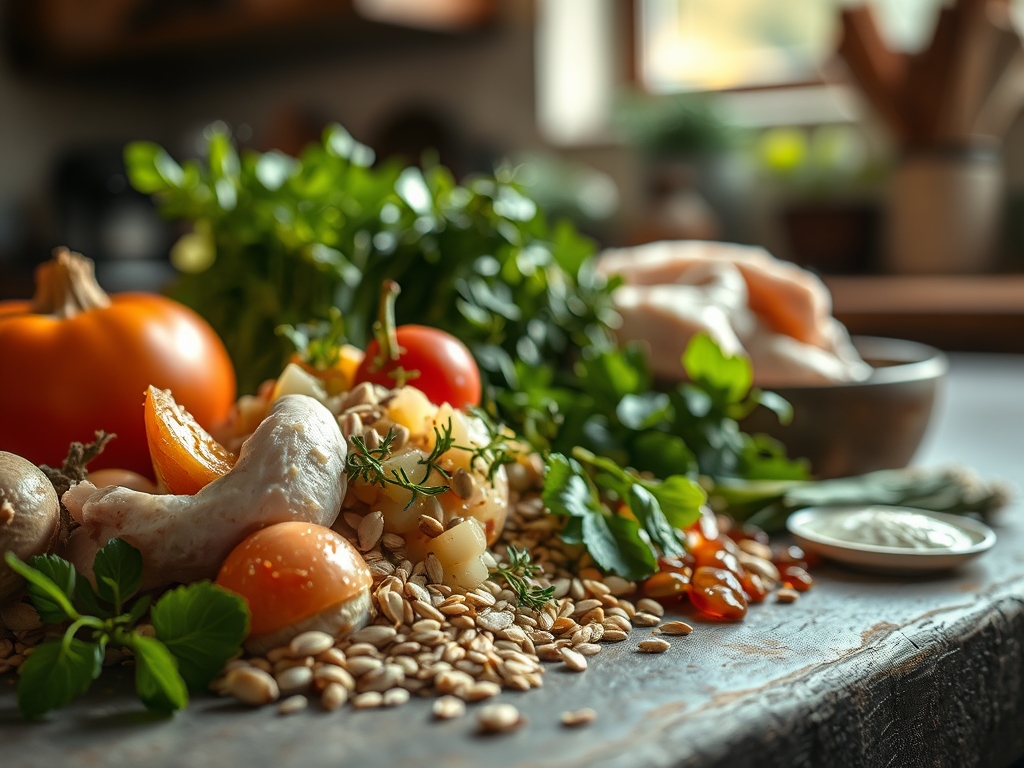
To achieve professional results, your mise-en-place must be precise. Start with high-quality chicken, preferably air-chilled to ensure the skin remains dehydrated for maximum crispness. You will need a viscous fat source, such as ghee or a high-smoke-point avocado oil, to facilitate heat transfer without burning. Aromatics are non-negotiable; think of crushed garlic cloves to infuse the fat and woody herbs like rosemary or thyme to release their essential oils into the pan.
For the seasoning, use a digital scale to ensure a consistent salt ratio. We are looking for coarse kosher salt, which allows for better tactile control when seasoning from a height. If you are aiming for a brighter profile, gather acidic components like fresh lemon zest or a splash of dry white wine to deglaze the fond.
Smart Substitutions: If you lack fresh shallots, use the white parts of green onions for a similar sulfurous bite. If you are avoiding dairy, a spoonful of tahini can mimic the creamy mouthfeel of a butter-finished sauce while adding a subtle nuttiness. For those seeking a deeper umami punch without soy, reach for coconut aminos or a dash of fish sauce; these provide the glutamates necessary to round out the flavor profile.
The Clock:
Efficiency in the kitchen is about "Chef's Flow," which is the art of overlapping tasks to minimize downtime. A standard high-flavor chicken dish requires about 15 minutes of active prep and 20 to 30 minutes of thermal application. The "flow" begins with tempering your meat; taking the chicken out of the refrigerator 20 minutes before cooking ensures the muscle fibers do not contract violently when hitting the heat, which prevents toughness.
While the chicken tempers, utilize your bench scraper to organize your chopped aromatics. The cooking phase is divided into the sear, the render, and the rest. Never rush the rest. Thermal carryover will continue to cook the chicken for several minutes after it leaves the pan. Budgeting five to ten minutes for resting is the difference between a dry bird and a masterpiece.
The Masterclass:
1. The Surface Dehydration
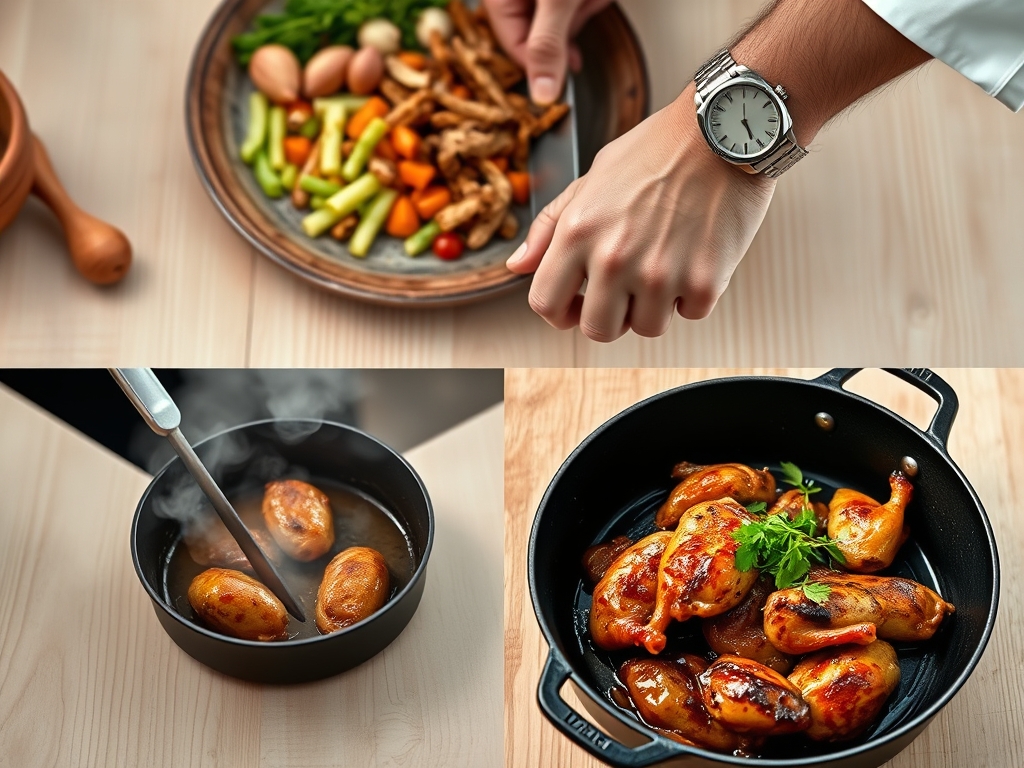
Pat the chicken extremely dry using paper towels. Moisture is the enemy of the sear; any surface water will turn to steam, preventing the temperature from rising high enough to trigger browning.
Pro Tip: This is known as preventing "evaporative cooling." By removing surface moisture, you allow the heat to immediately begin the Maillard reaction, creating those complex, savory flavor compounds.
2. The High-Heat Initiation
Place a heavy-bottomed skillet over medium-high heat until the oil shimmers. Lay the chicken away from you to avoid splashes. Do not crowd the pan, as this drops the temperature and leads to poaching rather than searing.
Pro Tip: Use your tongs to press the chicken flat. This ensures total surface contact, maximizing conductive heat transfer for an even, golden-brown crust.
3. The Aromatic Infusion
Once the chicken is flipped, add your butter, smashed garlic, and herbs. Use a large spoon to continuously douse the chicken in the bubbling, flavored fat.
Pro Tip: This technique, called arrosage, uses the hot fat to cook the top of the meat gently while infusing the exterior with fat-soluble flavor compounds from the herbs.
4. The Deglaze and Emulsification
Remove the chicken and pour off excess fat, leaving the brown bits (the fond). Add your liquid (stock or wine) and use a whisk to scrape the bottom of the pan.
Pro Tip: This is deglazing. The liquid dissolves the caramelized proteins, which you then whisk with a cold pat of butter to create a stable emulsion for a glossy, restaurant-quality sauce.
The Deep Dive:
From a macro perspective, chicken is a lean protein powerhouse, but the cooking method dictates the final profile. A standard 6-ounce breast provides roughly 50 grams of protein with minimal carbohydrates. To keep it Keto-friendly, lean heavily into the butter-basting and skin-on thighs. For a Vegan twist, these same flavor techniques (deglazing, aromatic infusion) work wonders on thick-cut cauliflower steaks or oyster mushrooms.
The Fix-It:
- Rubbery Skin: This happens when the fat hasn't rendered. Fix it by starting the chicken in a cold pan, skin-side down, to slowly melt the fat before the heat gets too high.
- Dry Breast Meat: You likely bypassed the rest phase. Fix it by pulling the chicken at 160 degrees Fahrenheit; the thermal carryover will bring it to the safe 165 mark while keeping the juices inside.
- Bland Sauce: It lacks acidity. Use a microplane to shave in fresh lemon zest at the very end to brighten the heavy fats.
Meal Prep Science: To reheat chicken without that "leftover" taste, avoid the microwave. Reheat gently in a saucier with a splash of water or stock over low heat. This creates a mini-steam chamber that rehydrates the protein fibers without overcooking them.
The Wrap-Up:
Mastering chicken recipes all recipes is less about following a rigid script and more about understanding the physics of your kitchen. When you focus on surface tension, heat distribution, and the delicate balance of an emulsion, you move from being a cook to being an artist. These ten approaches ensure that whether you are feeding a crowd or just yourself, every bite is a testament to your technical skill. Now, go grab that skillet and let the searing begin!
The Kitchen Table:
How do I get the skin extra crispy?
Air-dry the chicken uncovered in the fridge for four hours. This dehydrates the skin, allowing the heat to render the fat quickly and create a brittle, glass-like texture upon contact with the hot oil.
Why is my chicken always dry?
You are likely overcooking it or slicing it too soon. Always use a digital thermometer to pull the meat at 160 degrees and allow it to rest for ten minutes to redistribute the internal juices.
Can I use frozen chicken for these recipes?
Yes, but thaw it completely in the refrigerator first. Cooking from frozen causes the exterior to overcook and become fibrous before the center reaches a safe temperature, ruining the delicate protein structure.
What is the best pan for searing chicken?
A heavy-bottomed skillet, such as cast iron or stainless steel, is superior. These materials retain heat efficiently, preventing the temperature drops that lead to steaming rather than the desired Maillard browning.
How do I fix a broken pan sauce?
If your sauce separates, it has lost its emulsion. Remove from heat, add a teaspoon of warm water, and whisk vigorously. This helps the fats and liquids re-bind into a smooth, viscous coating.