
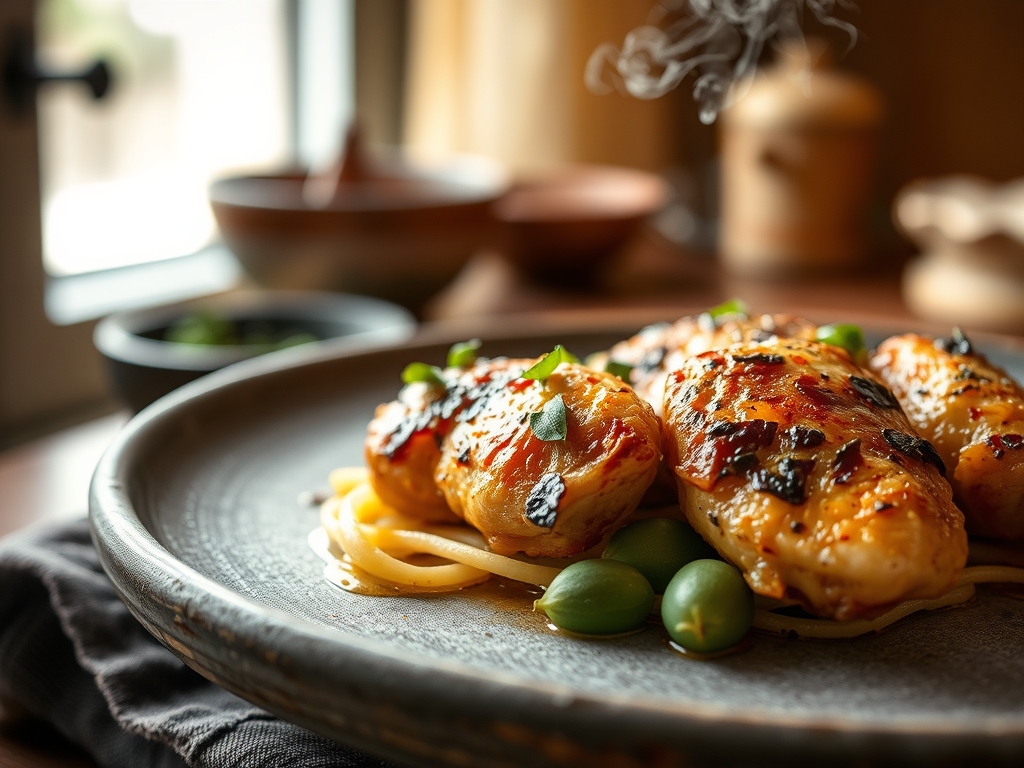
Picture the sound of a heavy-bottomed skillet meeting a high-flame burner; it is the percussion of a weeknight victory. You are tired, your fridge is a puzzle, and you need dinner in twenty minutes. This is why fast chicken recipes are the ultimate culinary cheat code for the modern, busy professional.
Whether you are searing a breast to a golden hue or tossing thighs into a piquant sauce, the goal is the same: maximum flavor with minimal friction. We are not just cooking; we are engineering a meal that respects your time and your palate. By understanding the molecular shifts that occur when heat hits protein, you can transform a humble bird into a five-star experience before the delivery driver could even find your house.
The Gathers:
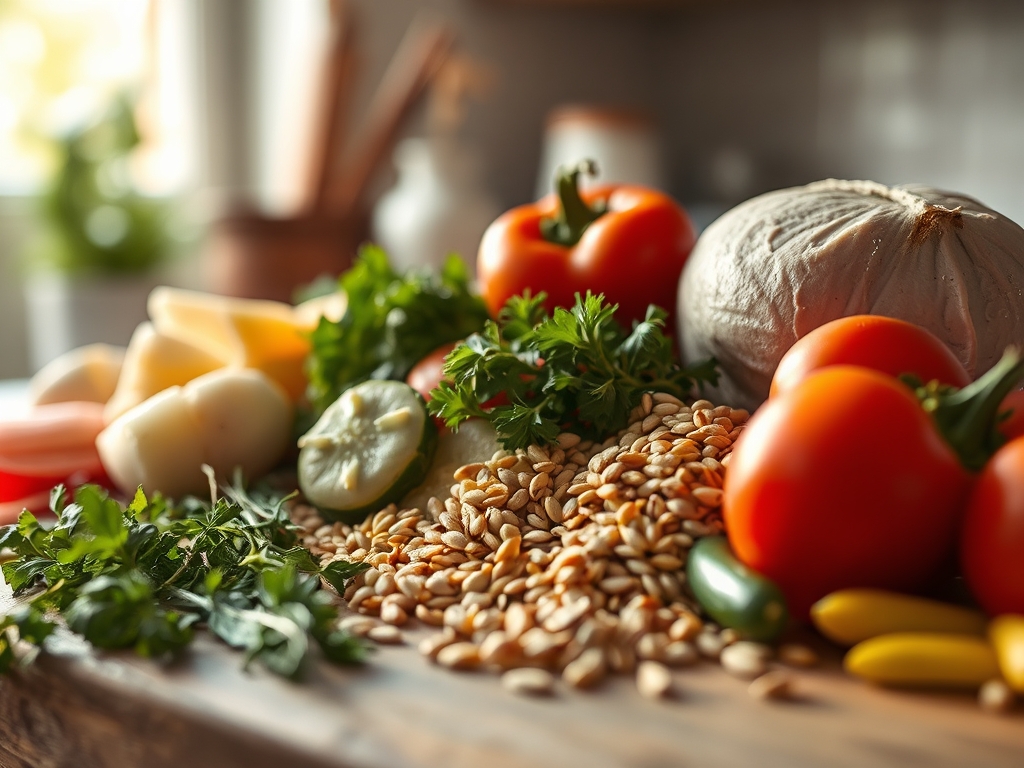
Before we ignite the range, we must curate our mise-en-place. For these fast chicken recipes, your ingredient list is a balance of high-impact aromatics and lean proteins. You will need skinless, boneless chicken breasts or thighs; the latter offers more intramuscular fat, which provides a viscous mouthfeel and resists drying out.
Gather your aromatics: fresh garlic, ginger, and shallots. Use a microplane to grate these into a fine paste; this increases the surface area, allowing the essential oils to infuse the cooking fat almost instantly. You will also need a high-smoke-point oil, such as avocado or grapeseed oil, to facilitate the Maillard reaction without the oil breaking down into acrid compounds.
Smart Substitutions:
If you lack fresh citrus, a splash of rice vinegar provides the necessary acidity to brighten the dish. No shallots? Use the white parts of green onions for a similar sulfurous depth. If you are dodging dairy, swap heavy cream for full-fat coconut milk; the medium-chain triglycerides provide a similar richness without the lactose.
The Clock: Mastering Chef's Flow
Efficiency in the kitchen is not about moving faster; it is about moving smarter. This is what professionals call "The Flow." For these recipes, the total active time is ten minutes, with a cook time of twelve.
Start by prepping your vegetables while the pan preheats. A cold pan is the enemy of texture. By the time your bench scraper has cleared the cutting board, the oil should be shimmering. We utilize a "staggered start" method: sear the protein first to develop a crust, then remove it to let the residual heat finish the job while you build your sauce in the same pan. This prevents the chicken from becoming rubbery while ensuring your sauce is infused with the fond; those caramelized brown bits stuck to the bottom of the skillet.
The Masterclass
1. The High-Heat Sear
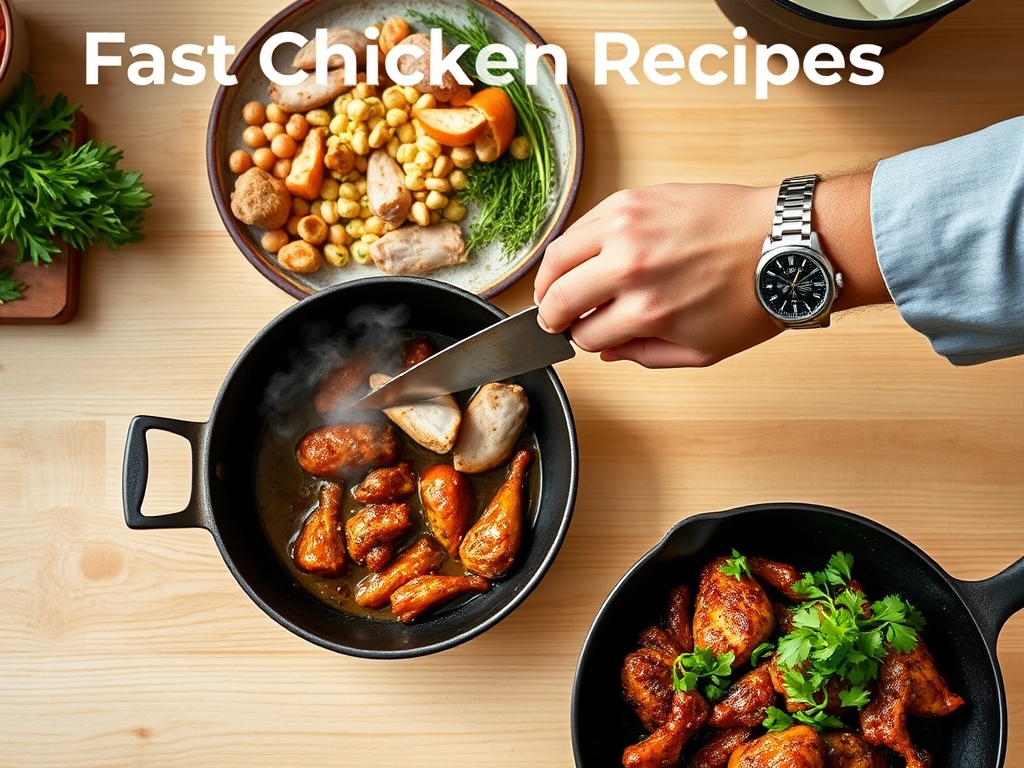
Place your seasoned chicken into the heavy-bottomed skillet. Do not crowd the pan; overcrowding drops the surface temperature and causes the meat to steam in its own juices rather than sear. Use tongs to press the meat down for maximum contact.
Pro Tip: This stage relies on thermal conduction. By ensuring the chicken is patted dry with a paper towel first, you remove surface moisture that would otherwise consume energy through evaporation, allowing the browning to start immediately.
2. Deglazing the Fond
Once the chicken is removed, the pan will be covered in concentrated flavor. Pour in a liquid like chicken stock, dry white wine, or even a splash of water. Use a wooden spoon to scrape the bottom.
Pro Tip: This is the process of deglazing. The liquid acts as a solvent, dissolving the caramelized proteins and sugars (the fond) and incorporating them into a cohesive, savory sauce base.
3. Emulsifying the Sauce
Reduce the heat and whisk in a cold fat source, like butter or a spoonful of tahini. Use a saucier if you are making a larger batch to ensure the whisk reaches every corner.
Pro Tip: This creates an emulsion. The fats and liquids, which usually repel each other, are forced into a stable mixture. Cold fat works best here because it melts slowly, allowing the milk solids or proteins to coat the fat droplets before they can break.
4. The Final Toss
Return the chicken to the pan along with any accumulated juices. Toss to coat until the sauce is glossy and clings to the protein.
Pro Tip: Watch for thermal carryover. Chicken continues to rise in temperature by about five degrees after being removed from the heat. Pulling the meat at 160 degrees Fahrenheit ensures it hits the food-safe 165 degrees without becoming stringy.
The Deep Dive
Macro Nutrition:
Chicken is a lean protein powerhouse. A standard four-ounce serving provides roughly 26 grams of protein with minimal saturated fat. When paired with fibrous greens and complex carbohydrates, these fast chicken recipes offer a balanced glycemic index, preventing the mid-evening energy crash.
Dietary Swaps:
- Vegan: Replace chicken with extra-firm tofu or seitan. Ensure you press the tofu for twenty minutes to achieve a similar sear.
- Keto: Focus on thigh meat and use heavy cream or grass-fed butter for the sauce. Avoid flour-based thickeners.
- GF: Use tamari instead of soy sauce and cornstarch or arrowroot powder as a thickening agent for your glazes.
The Fix-It:
- Tough Meat: You likely overcooked it. Next time, use a digital scale to ensure even portion sizes so everything cooks at the same rate.
- Bland Sauce: It needs acid. Add a squeeze of lemon or a drop of vinegar to "unlock" the flavors.
- Sticky Pan: Your pan wasn't hot enough before adding the oil. The protein bonded to the metal instead of searing.
Meal Prep Science:
To maintain "day-one" quality, store chicken in airtight glass containers. When reheating, add a teaspoon of water and cover the dish. This creates a steam chamber that rehydrates the muscle fibers, preventing the dreaded "warmed-over flavor" caused by lipid oxidation.
The Wrap-Up
Cooking doesn't have to be a marathon to be a masterpiece. By mastering the science of the sear and the art of the emulsion, you can turn basic ingredients into a high-octane meal in minutes. These fast chicken recipes are designed to fit into your chaotic, beautiful life without sacrificing the culinary standards you deserve. Now, grab your skillet and let's get to work; your kitchen is waiting.
The Kitchen Table
How do I keep chicken breast from drying out?
Use a digital thermometer to pull the chicken at 160 degrees Fahrenheit. Allow it to rest for five minutes. This permits the muscle fibers to reabsorb the internal juices, ensuring a succulent texture through capillary action.
What is the best oil for searing chicken?
Choose an oil with a high smoke point like avocado or refined light olive oil. These oils can withstand temperatures above 400 degrees without smoking, which is essential for achieving a deep, flavorful Maillard crust.
Can I cook frozen chicken quickly?
It is not recommended for high-heat searing. Frozen chicken releases excess moisture as it thaws in the pan, which steams the meat instead of browning it. For the best results, thaw in a cold water bath first.
Why does my sauce separate?
Separation occurs when the emulsion breaks. This usually happens if the heat is too high or the fat is added too quickly. To fix it, add a teaspoon of warm water and whisk vigorously to re-bind the molecules.