
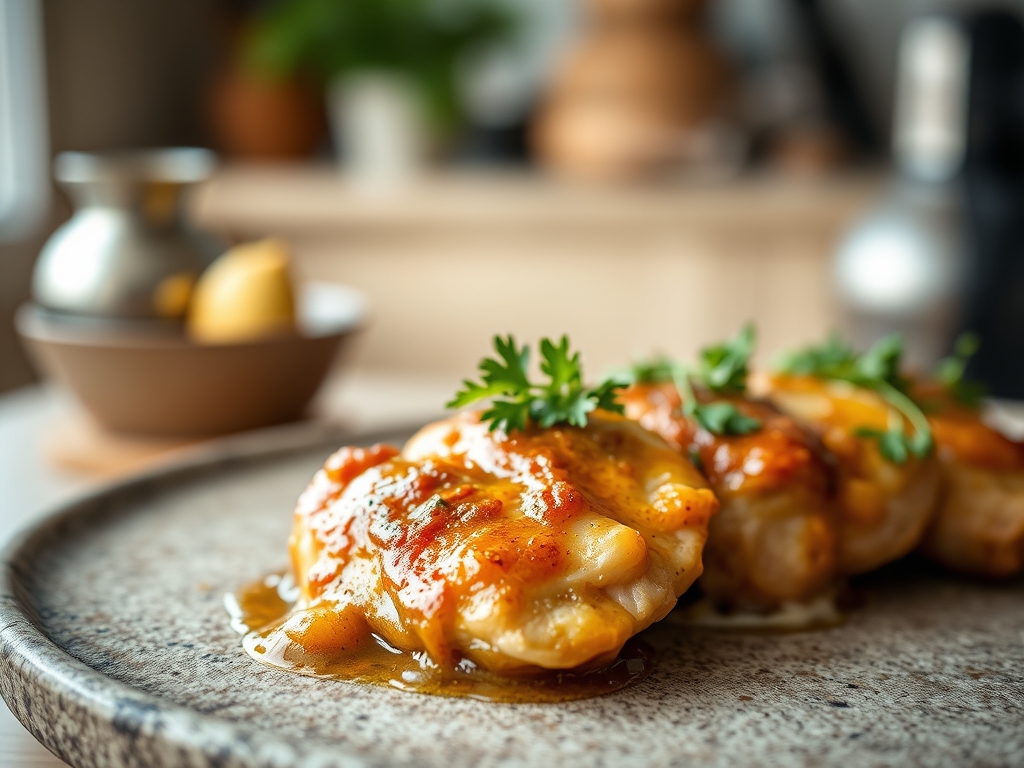
Imagine the satisfying pop of a pull-tab and the immediate convenience of a protein that requires zero butchery. While some food snobs might turn their noses up at the pantry staple, we know better. The secret to mastering can chicken recipes healthy enough for a fitness model but tasty enough for a dinner party lies in how you manipulate the texture. We are moving beyond the watery, shredded mess of the past. Instead, we are focusing on cellular structure and moisture retention. By treating canned poultry as a blank canvas for high-heat searing and emulsified dressings, we transform it into a gourmet asset. This is about reclaiming your time without sacrificing your macros. We are going to use acidity to brighten the brine and high-quality fats to restore the mouthfeel that processing sometimes strips away. Get ready to elevate your pantry game with techniques that turn a humble tin into a culinary masterpiece.
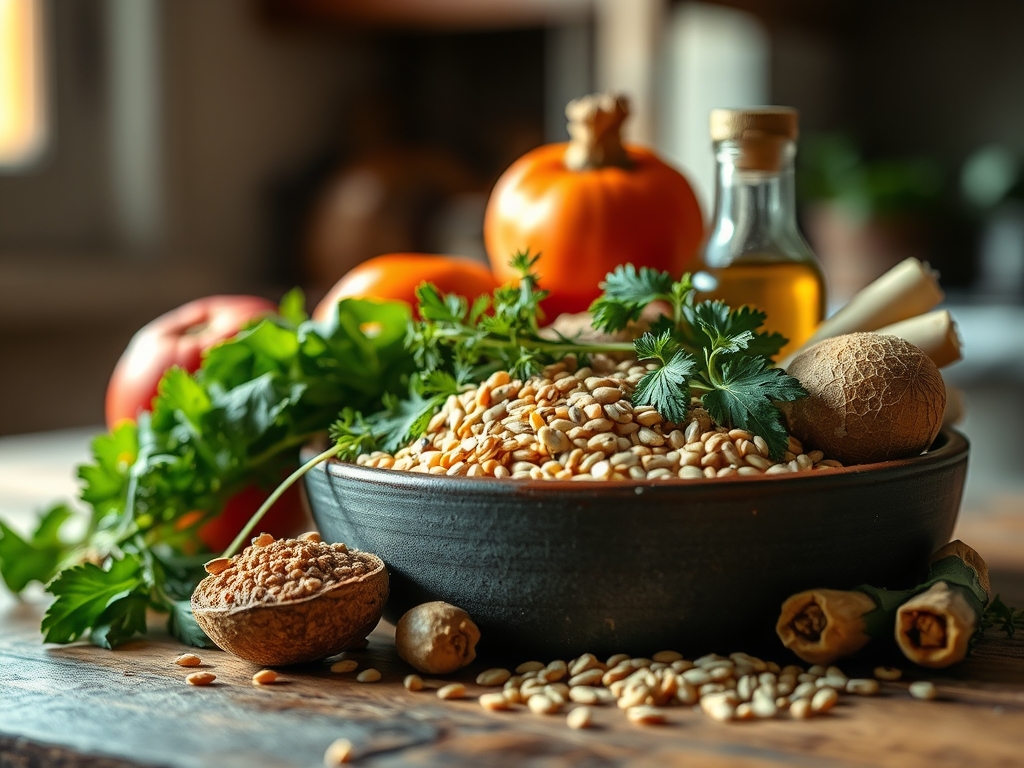
The Gathers:
To execute these hacks, your mise-en-place must be precise. Start with high-quality canned chicken breast packed in water, not oil, to maintain control over your lipid profile. You will need a fine-mesh sieve to ensure the meat is bone-dry; moisture is the enemy of the Maillard reaction. Gather your aromatics: fresh cloves of garlic, shallots for a more delicate piquancy, and ginger for a thermogenic kick.
Smart Substitutions are the hallmark of a clever cook. If you are dodging mayonnaise, reach for Greek yogurt or mashed avocado. These provide the viscous coating needed to bind the protein without the heavy saturated fats. For a hit of umami, keep a bottle of liquid aminos or fish sauce nearby. Use a microplane to zest lemons directly into your bowls; the volatile oils in the rind provide a floral aroma that pre-packaged juice lacks. Finally, ensure you have a high-smoke-point oil like avocado or grapeseed oil for those moments when we need to sear the chicken to a golden crisp.
The Clock
Efficiency in the kitchen is about the Chef's Flow. You should never be standing idle. The total preparation time for these hacks averages ten minutes, with active cooking time rarely exceeding fifteen. The flow begins with the "Drain and Dry" phase. While your chicken sits in the sieve, you perform your knife work. Use a sharp chef's knife or a bench scraper to move your chopped aromatics.
If a recipe requires heat, preheat your heavy-bottomed skillet for at least three minutes. A cold pan leads to sticking and steaming rather than browning. By the time your pan is radiating heat, your chicken is dry and your vegetables are prepped. This synchronized approach ensures that you are sitting down to a hot, nutrient-dense meal in under twenty-five minutes from start to finish.
The Masterclass
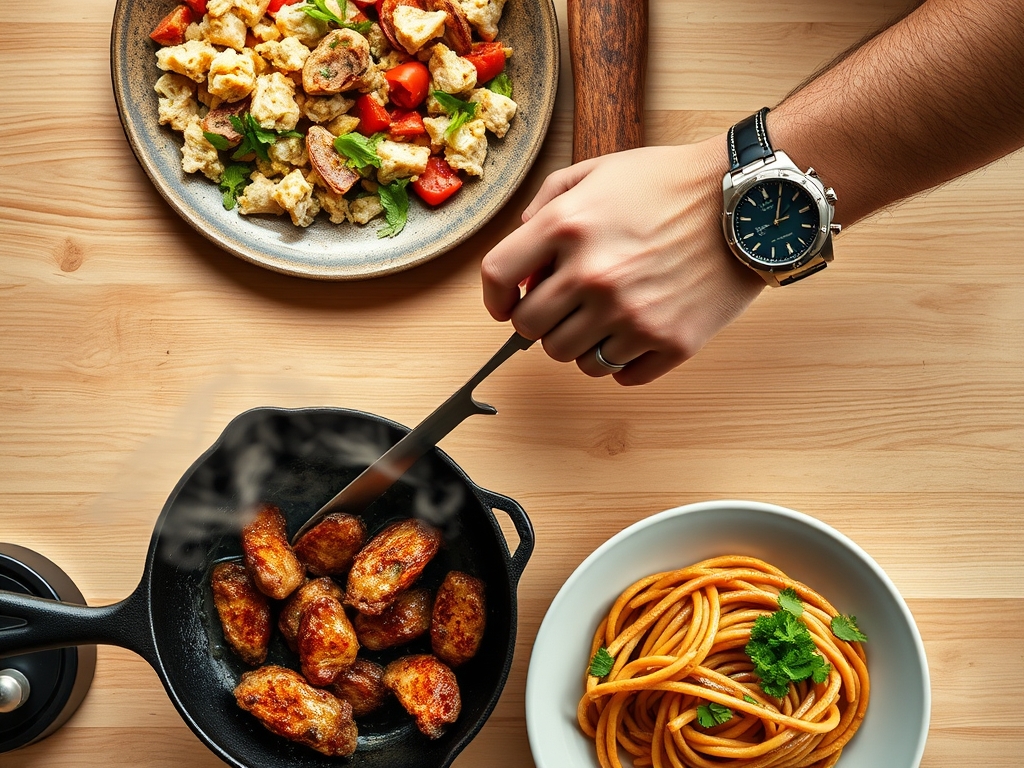
1. The Crispy Pan-Sear
Empty the drained chicken onto a paper towel and pat it until no surface moisture remains. Heat your skillet until a drop of water flicked onto the surface dances and evaporates instantly. Add a tablespoon of oil and spread the chicken in a single layer. Do not crowd the pan. Let it sit undisturbed for three minutes to develop a crust.
Pro Tip: This relies on the Maillard reaction; a chemical reaction between amino acids and reducing sugars that gives browned food its distinctive flavor. Moving the meat too early prevents the crust from forming and causes the protein to tear.
2. The Greek Yogurt Emulsion
In a stainless steel mixing bowl, whisk together Greek yogurt, Dijon mustard, and a splash of apple cider vinegar. Fold in the chicken gently. The lactic acid in the yogurt acts as a secondary tenderizer, breaking down any residual toughness in the canned fibers.
Pro Tip: This is a cold emulsion. Keeping your ingredients chilled ensures the fat globules in the yogurt stay suspended, resulting in a creamy, stable sauce that does not weep or separate on the plate.
3. The Umami Infusion
Sauté minced garlic and ginger in a saucier until fragrant. Toss in the chicken and deglaze the pan with a splash of rice vinegar or coconut aminos. Use a wooden spoon to scrape up the fond (the brown bits) from the bottom of the pan.
Pro Tip: Deglazing is a thermodynamic process that lifts caramelized proteins back into a liquid state, creating a concentrated glaze that coats each piece of chicken with intense flavor.
4. The Avocado Smash Wrap
Mash a ripe avocado with lime juice and sea salt before folding in your chicken. The lime juice provides ascorbic acid, which prevents the avocado from oxidizing and turning brown. This creates a nutrient-dense, high-fiber binder that replaces traditional dressings.
Pro Tip: Enzymatic browning in avocados occurs when polyphenol oxidase is exposed to oxygen. The low pH of the lime juice inhibits this enzyme, keeping your meal vibrant for hours.
5. The Mediterranean Sheet Pan
Toss the chicken with cherry tomatoes, kalamata olives, and dried oregano. Spread them on a baking sheet lined with parchment paper. Roast at 400 degrees Fahrenheit for twelve minutes. The tomatoes will burst, creating a natural sauce.
Pro Tip: Thermal carryover will continue to cook the chicken for a few minutes after it leaves the oven. Pulling the tray out just as the tomatoes blister prevents the chicken from becoming stringy or overcooked.
6. The Spicy Buffalo Cauliflower Blend
Pulse steamed cauliflower in a food processor until it reaches a rice-like consistency. Mix with canned chicken and a cayenne-based hot sauce. The fiber in the cauliflower adds bulk and volume without significantly increasing the caloric density.
Pro Tip: Capsaicin, the active compound in hot sauce, triggers a metabolic thermogenesis. It also acts as a natural preservative, keeping the mixture fresh for longer during meal prep.
7. The Herb-Laden Power Bowl
Finely chop parsley, cilantro, and mint. Use a ratio of one part herb to two parts chicken. The chlorophyll and phytonutrients in the fresh herbs provide a sharp, clean contrast to the salty brine of the canned meat.
Pro Tip: To maximize flavor, bruise the herbs slightly with the flat of your knife before chopping. This releases the essential oils trapped within the cell walls of the leaves.
The Deep Dive
When analyzing the macro nutrition of can chicken recipes healthy profiles, we see a powerhouse of lean protein. A standard 12.5-ounce can typically yields about 45 to 60 grams of protein with minimal fat and zero carbohydrates. For those following a Keto lifestyle, adding healthy fats like olive oil or avocado is essential. Vegan friends can swap the chicken for mashed chickpeas using the exact same flavoring techniques. If you are Gluten-Free, simply ensure your canned brand does not use modified food starch as a thickener.
The Fix-It: If your chicken is too salty, do not add more salt; add an acid like lemon or a fat like tahini to balance the palate. If the texture is too "mushy," you likely skipped the drying phase. Fix this by spreading it on a rack and air-chilling it in the fridge for twenty minutes. If the dish tastes flat, it lacks "top notes." Add fresh zest or a handful of microgreens right before serving.
For meal prep, reheating science is key. To maintain "day-one" quality, avoid the microwave if possible. Instead, reheat in a covered skillet with a tablespoon of water or broth. This creates a steam-injection environment that rehydrates the protein fibers without making them rubbery.
The Wrap-Up
Mastering the art of the pantry means never being more than ten minutes away from a high-protein, delicious meal. By using these seven hacks, you are not just "eating from a can"; you are utilizing a shelf-stable tool to fuel your busy life. Experiment with different aromatics, respect the sear, and always use fresh herbs to bring the dish to life. Your kitchen is a laboratory; go make something brilliant.
The Kitchen Table
Can I eat canned chicken directly from the can?
Yes, canned chicken is fully precooked during the canning process. However, draining the brine and rinsing the meat significantly improves the flavor profile and reduces the sodium content, making it a much healthier base for your recipes.
How do I make canned chicken taste like fresh rotisserie?
The secret is a high-heat sear. Dry the chicken thoroughly with paper towels and sauté it in a heavy-bottomed skillet with butter or avocado oil and poultry seasoning until a golden-brown crust develops through the Maillard reaction.
Is canned chicken as healthy as fresh chicken breast?
Nutritionally, they are very similar in protein and calorie counts. Canned chicken is often higher in sodium due to the preservation brine, so choosing low-sodium versions and rinsing the meat is the best way to keep it healthy.
How long does opened canned chicken last in the fridge?
Once opened, transfer the chicken to an airtight glass container. It will remain fresh and safe to consume for three to four days. Avoid storing it in the original metal can to prevent a metallic "tinny" flavor from developing.