
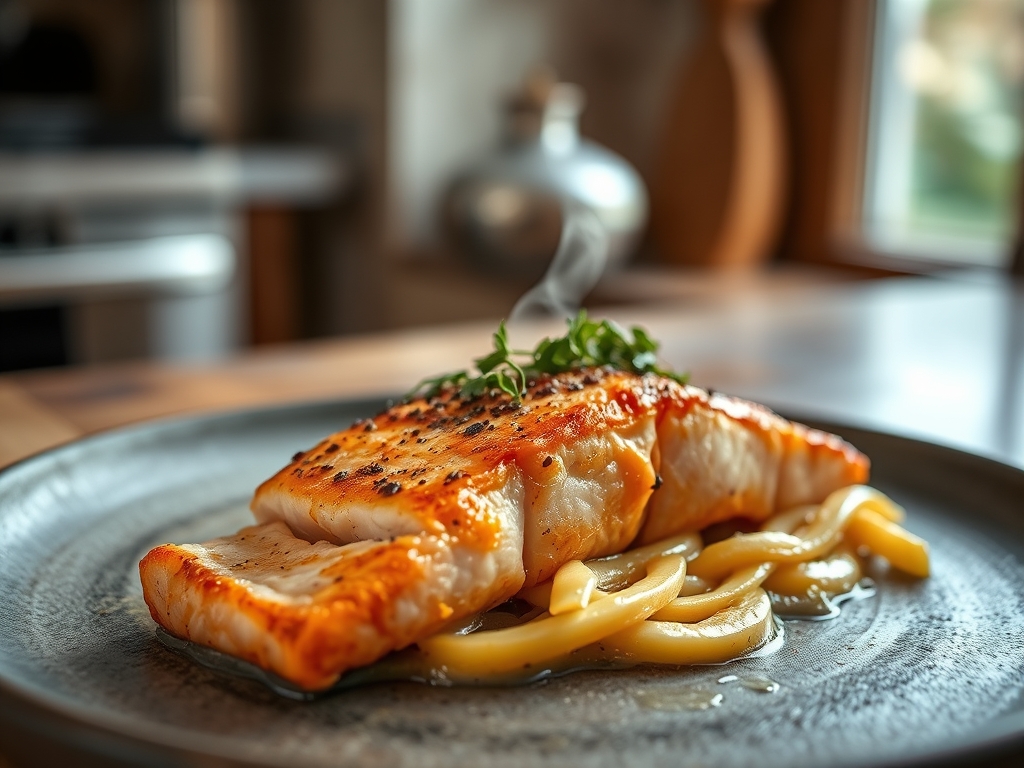
Imagine the scent of aromatic herbs hitting a hot, heavy-bottomed skillet while a pristine fillet of Atlantic salmon sizzles in a pool of golden olive oil. This is the sensory magic behind the most beloved giada salmon recipes; a perfect marriage of California freshness and Italian soul. When you master these dishes, you are not just cooking dinner; you are orchestrating a symphony of texture and flavor. The skin transforms into a glass-like crackle while the interior remains a buttery, translucent pink. Whether it is the zesty punch of a lemon-caper sauce or the earthy depth of a sun-dried tomato crust, these recipes rely on high-quality fats and precise thermal control. We are going to dive into the molecular mechanics of why these flavors work so well together. From the way acid cuts through the dense omega-3 fatty acids to the importance of resting your protein to allow for moisture redistribution, this guide is your backstage pass to culinary excellence. Grab your favorite apron and let us get technical with some serious flavor.
The Gathers:
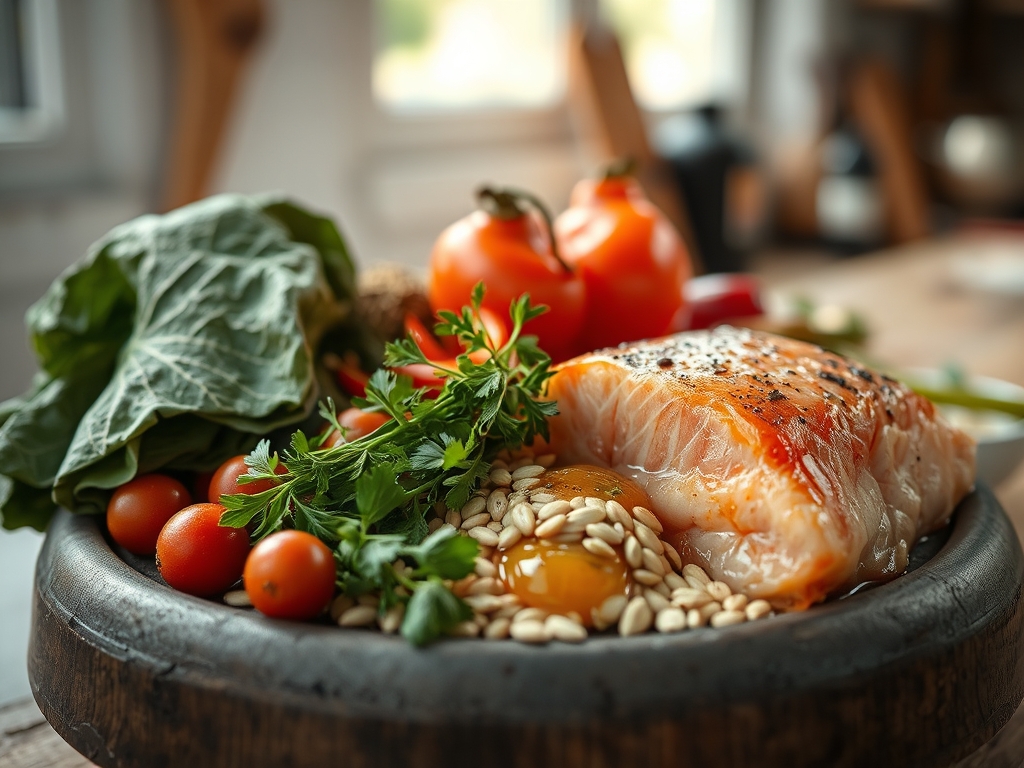
To execute these iconic giada salmon recipes, your mise-en-place must be clinical and precise. Start with high-quality salmon fillets, ideally center-cut for uniform thickness. You will need a microplane for zesting citrus, as this tool shears the zest without hitting the bitter white pith. Gather fresh herbs like flat-leaf parsley and mint; their volatile oils provide the high-frequency flavor notes that define this style. You will also need viscous balsamic glazes, piquant capers, and toasted pine nuts for textural contrast.
Smart Substitutions: If you cannot find fresh basil, a high-quality arugula pesto adds a peppery bite. For those avoiding dairy, substitute the traditional butter finish with a cold-pressed avocado oil to maintain a high smoke point while adding a creamy mouthfeel. If you are out of shallots, the white bulb of a green onion offers a similar delicate sweetness when sautéed in a saucier.
The Clock:
The "Chef's Flow" is all about timing and heat management. For most giada salmon recipes, you are looking at a 10-minute prep window and a 12-to-15-minute cook time. The secret is the pre-heat phase. Never place cold fish into a cold pan. Allow your skillet to reach the shimmering point over medium-high heat for at least three minutes. This ensures immediate protein denaturation on contact, preventing the fish from sticking. Total elapsed time from fridge to table is roughly 25 minutes, making this the ultimate "fast-fine" dining experience.
The Masterclass:
1. The Tempering Phase
Take your salmon out of the refrigerator 15 minutes before cooking. Use a paper towel to pat the surface bone-dry. Moisture is the enemy of the Maillard reaction; if the surface is wet, the fish will steam rather than sear.
Pro Tip: This reduces the thermal shock to the muscle fibers. When cold protein hits high heat, the fibers contract violently, squeezing out moisture and resulting in a dry, chalky texture.
2. The Seasoning Architecture
Generously season with kosher salt from a height of about 12 inches. This ensures even distribution across the entire surface area. Do not add pepper yet; black pepper can burn and become bitter during a high-heat sear.
Pro Tip: Salt acts as a denaturant, breaking down some of the protein structures on the surface to create a tackier "pellicle" that browns more efficiently.
3. The Initial Sear
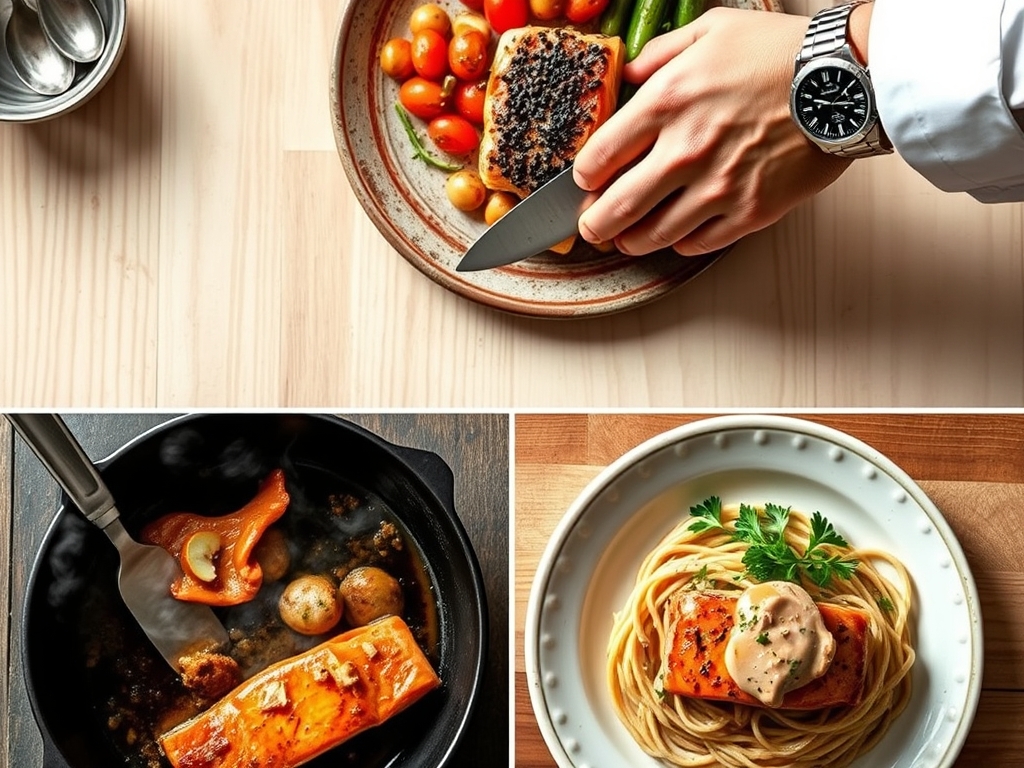
Heat two tablespoons of olive oil in a heavy-bottomed skillet until it ripples. Lay the salmon skin-side down, away from your body to avoid oil splashes. Use a fish spatula to press down firmly for the first 30 seconds.
Pro Tip: Pressing the fish prevents the skin from curling. This ensures maximum contact with the heat source, allowing the subcutaneous fat to render and crisp the skin into a savory wafer.
4. The Aromatics Infusion
Once the skin is crispy, flip the fillet gently using tongs. Drop a smashed garlic clove and a sprig of rosemary into the pan. Tilt the skillet and use a large spoon to baste the hot, infused oil over the top of the fish.
Pro Tip: This technique, known as arrosé, uses the fat as a heat transfer medium to cook the top of the fish gently while adding deep, aromatic complexity.
5. The Deglaze and Emulsify
Remove the fish when it reaches an internal temperature of 125 degrees Fahrenheit. Add a splash of dry white wine or lemon juice to the pan. Use a whisk to scrape up the browned bits, or fond, from the bottom of the pan.
Pro Tip: Deglazing captures the concentrated flavors stuck to the pan. Adding a cold pat of butter at the end creates a stable emulsion, resulting in a glossy, velvet-like sauce.
6. The Rest and Carryover
Transfer the salmon to a warm plate and let it rest for at least 3 minutes before serving. This is the most skipped but most vital step in the process.
Pro Tip: Thermal carryover will continue to cook the fish, raising the internal temperature by another 5 degrees. Resting allows the internal juices to thicken and redistribute, ensuring the first bite is succulent.
The Deep Dive:
Macro Nutrition: A standard 6-ounce serving of these salmon recipes provides approximately 34g of protein, 22g of healthy fats, and 0g of carbohydrates. It is a powerhouse of Vitamin B12 and Potassium.
Dietary Swaps:
- Vegan: Use a thick slice of "King Oyster Mushroom" or "Cauliflower Steak" seasoned with nori flakes to mimic the oceanic flavor.
- Keto: These recipes are naturally keto-friendly; just ensure your balsamic glaze is a reduction without added cane sugar.
- GF: Ensure your tamari or soy sauce components are certified gluten-free.
The Fix-It:
- Albumin Bleed: If you see white goo seeping out, the heat was too high. The protein fibers contracted too fast. Fix it by lowering the heat and pulling the fish 2 minutes earlier next time.
- Stuck Skin: If the skin sticks, do not force it. It usually releases itself once the carbonization is complete. If it is truly stuck, slide a thin bench scraper underneath.
- Overcooked Interior: If you overshot the temp, flake the salmon and fold it into a creamy pasta sauce or a salad with plenty of vinaigrette to reintroduce moisture.
Meal Prep: To reheat salmon without it becoming "fishy," avoid the microwave. Use a low oven (275 degrees) with a splash of water and a tight foil lid. This creates a gentle steam environment that preserves the delicate fat structure.
The Wrap-Up:
Mastering giada salmon recipes is about more than just following a list of ingredients; it is about respecting the chemistry of the ingredients. By focusing on surface moisture, heat management, and the science of resting, you elevate a simple piece of fish into a restaurant-quality masterpiece. These dishes are vibrant, healthful, and undeniably chic. Now that you have the technical blueprint, go forth and sear with confidence. Your kitchen is about to smell like a coastal Italian villa.
The Kitchen Table:
How do I prevent salmon from smelling fishy?
Always buy fresh, "sushi-grade" fillets that smell like clean ocean water. Rinse under cold water and pat dry immediately. The "fishy" odor comes from trimethylamine, which develops as the fish ages and its fats begin to oxidize.
Can I cook salmon straight from the freezer?
It is not recommended for high-heat searing. The exterior will overcook and toughen before the center thaws. For the best texture, thaw overnight in the refrigerator to maintain the integrity of the cellular structure and prevent moisture loss.
What is the best pan for searing salmon?
A stainless steel or cast iron skillet is superior to non-stick. These materials allow for better heat retention and the formation of fond, which is essential for creating the savory pan sauces characteristic of these recipes.
How do I know when the salmon is done?
Use a digital thermometer to check the thickest part. Aim for 125-130 degrees Fahrenheit for medium-rare. Alternatively, press the top; if the flakes begin to separate easily under light pressure, the connective tissue has dissolved.