
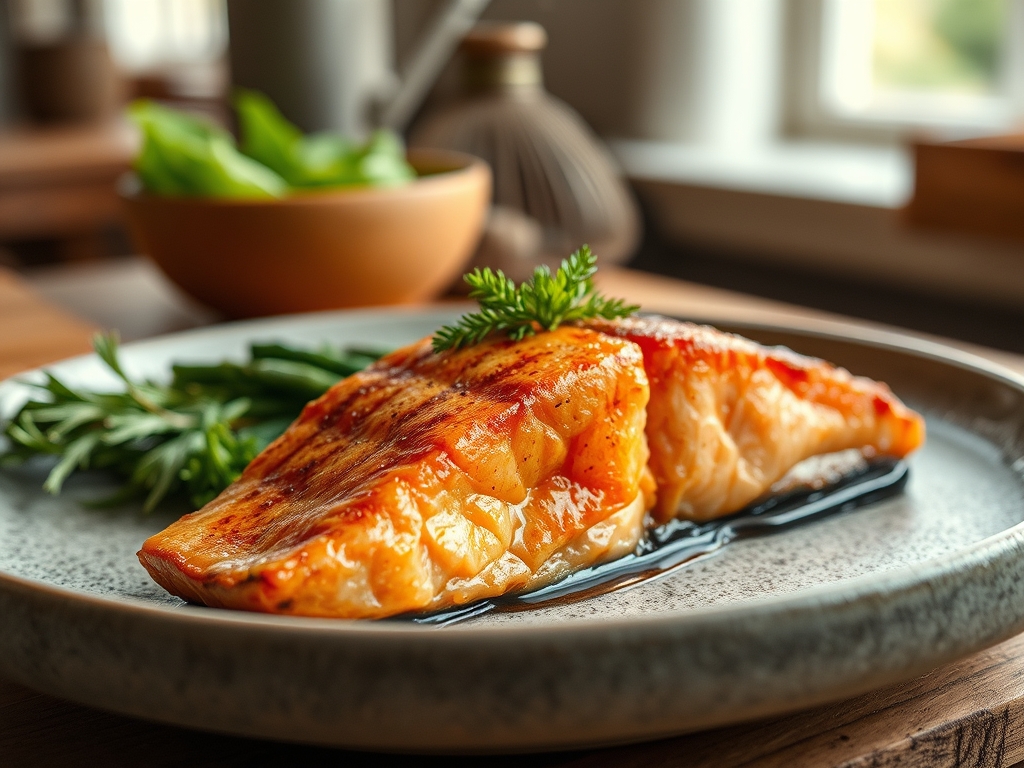
Picture a slab of wild sockeye hitting a scorching grate; the immediate hiss is more than just sound. It is the symphony of proteins tightening and fats rendering into liquid gold. When you search for the ultimate grill sockeye salmon recipes, you are looking for that perfect intersection of a charred, smoky exterior and a translucent, buttery center. Sockeye is the lean, muscular athlete of the salmon world. Its deep crimson hue comes from a diet rich in krill and shrimp, providing a flavor profile that is far more robust and "ocean-forward" than its milder Atlantic cousins. Mastering this fish requires more than just heat; it requires an understanding of thermodynamics and cellular structure to ensure that vibrant color does not turn into a dry, chalky disappointment. We are going to treat this fillet like the luxury ingredient it is, using precision and a bit of kitchen chemistry to achieve a result that rivals any high-end bistro.
The Gathers:
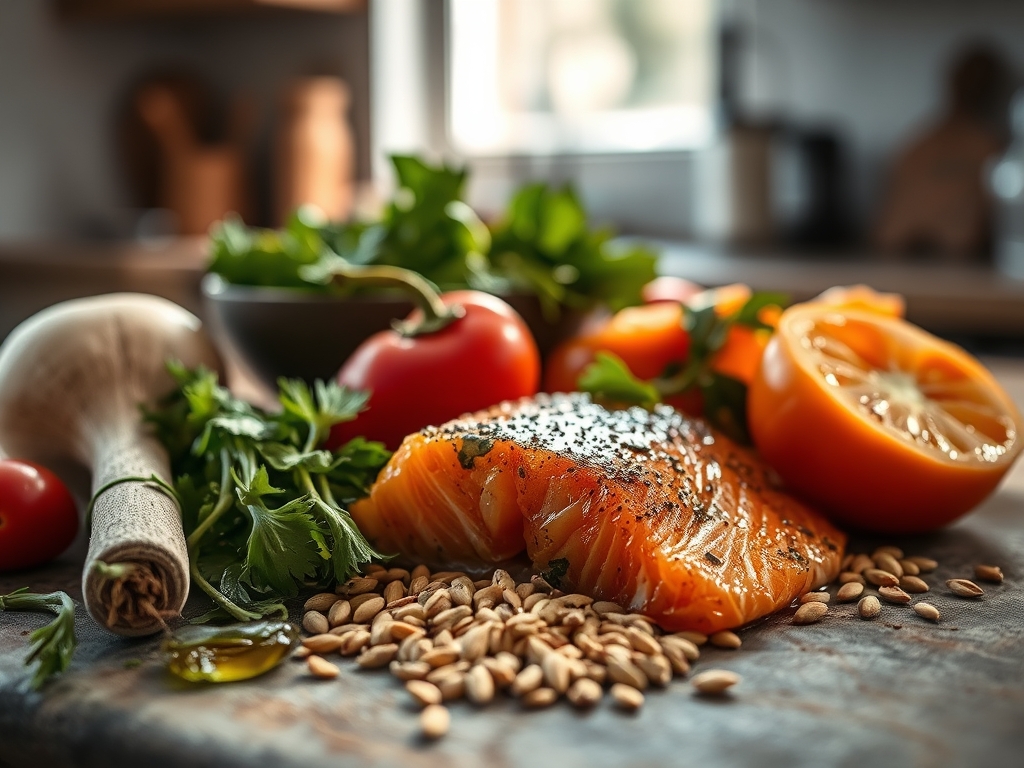
To begin, we must assemble our mise-en-place with the precision of a laboratory technician. You will need a side of wild-caught sockeye salmon, preferably skin-on to act as a thermal barrier. For the aromatics, gather fresh dill, a bulb of garlic, and a few bright lemons. The fat source is critical; choose a high-smoke-point oil like avocado oil or clarified butter (ghee) to prevent the development of acrid, bitter compounds during the sear.
Your toolkit is just as important as your ingredients. Reach for your microplane to zest the citrus without hitting the bitter white pith. You will also need a digital scale to ensure your salt ratio is exactly one percent of the fish's weight; this is the magic number for optimal moisture retention. A saucier is helpful if you plan to whisk together a warm lemon-butter finish, while a pair of sturdy, long-handled tongs and a flexible fish spatula are non-negotiable for flipping without tearing the delicate flesh.
Smart Substitutions: If sockeye is unavailable, King salmon is a decadent alternative, though its higher fat content requires a slightly longer render time. For a vegan-friendly "side dish" that mimics the texture, try thick-cut cauliflower steaks seasoned with smoked paprika and dulse flakes to replicate that piquant, oceanic depth. If you lack a grill, a heavy-bottomed skillet made of cast iron provides the same high-heat conductivity needed for a proper crust.
The Clock:
Efficiency in the kitchen is all about the "Chef's Flow." Total active preparation time is approximately 15 minutes, while the cooking process itself is lightning fast, usually taking between 6 and 10 minutes depending on the thickness of the fillet.
The flow begins with the "Chill Phase." Cold fish is easier to handle and resists overcooking in the center while the exterior crust develops. Spend the first 5 minutes patting the fish dry and applying your dry rub. The next 10 minutes are for preheating your grill to a steady 450 degrees Fahrenheit. If you are using charcoal, this is when you aerate the coals to ensure maximum oxygen flow. The "Action Phase" is the actual grilling, followed by a mandatory 5-minute "Rest Phase." This rest allows the internal juices, which have been pushed to the center by the heat, to redistribute through the muscle fibers, ensuring every bite is succulent.
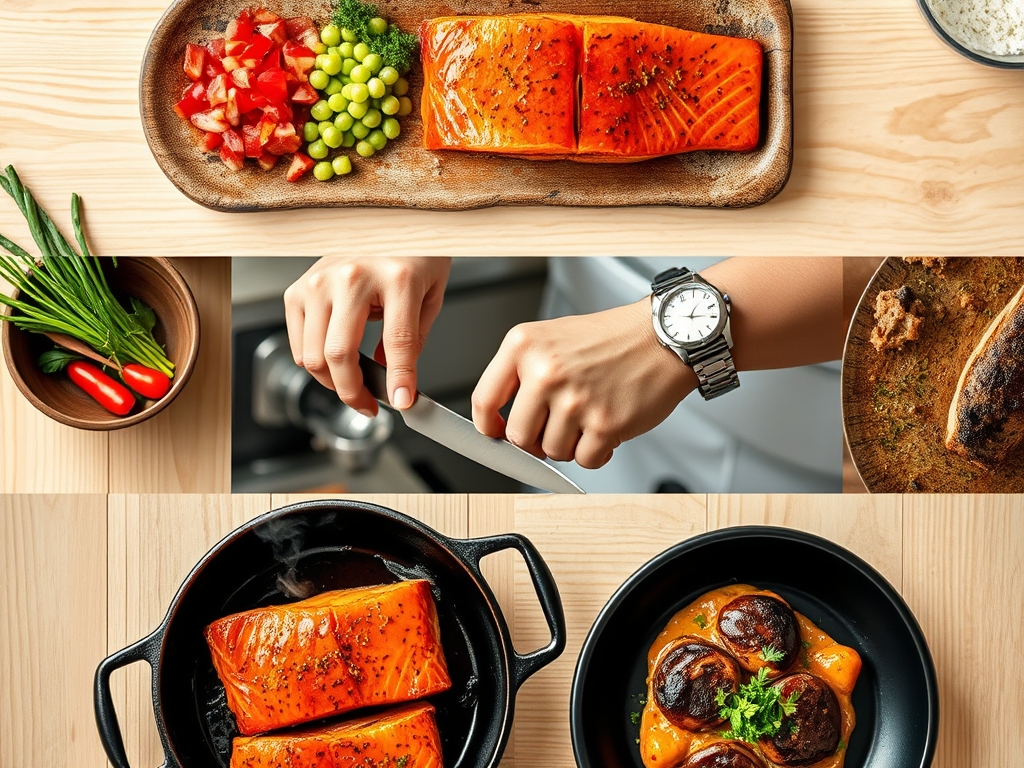
The Masterclass:
1. The Desiccation Ritual
Start by using paper towels to remove every trace of surface moisture from the skin and flesh. A dry surface is the only way to achieve the Maillard reaction, the chemical bridge between amino acids and reducing sugars that creates savory complexity.
Pro Tip: This is known as surface desiccation. Water is the enemy of a sear; if the fish is damp, it will steam rather than fry, resulting in a rubbery texture rather than a crisp one.
2. The Osmotic Seasoning
Use your digital scale to measure your sea salt. Sprinkle it from a height to ensure even distribution. Allow the fish to sit for at least 10 minutes. You will see the surface become slightly viscous as the salt draws out moisture, dissolves, and then is reabsorbed into the protein structure.
Pro Tip: This process, known as dry brining, denatures the protein strands just enough to allow them to hold onto more water during the high-heat stress of grilling.
3. The Thermal Barrier
Brush the skin side of the salmon with your high-smoke-point oil. Do not oil the grill grates; oil the fish. This creates a focused lubrication layer that prevents the skin from bonding with the metal.
Pro Tip: The skin acts as a sacrificial heat shield. It protects the delicate flesh from direct flame contact while the collagen in the skin transforms into crispy, edible "crackling."
4. The Initial Sear
Place the salmon skin-side down on the hottest part of the grill. Close the lid to create a convection environment. Use a bench scraper if needed to check the edges, but do not move the fish for at least four minutes.
Pro Tip: This is the "release phase." As the proteins on the surface coagulate and dehydrate, they will naturally pull away from the grate. If it sticks, it is not ready to flip.
5. The Gentle Flip
Using your fish spatula, carefully flip the fillet. This side only needs 2 to 3 minutes. You are looking for the flesh to turn from translucent ruby to an opaque coral color.
Pro Tip: Sockeye is lean. If you cook it to the same internal temperature as fatty Atlantic salmon, it will be dry. Aim for an internal temp of 125 degrees Fahrenheit for a perfect medium-rare.
6. The Carryover Rest
Remove the fish from the heat using your tongs and place it on a warm platter. Tent it loosely with foil, but do not seal it, or the steam will soften your crispy skin.
Pro Tip: This accounts for thermal carryover. The residual heat on the surface will continue to move toward the center, raising the internal temperature by another 5 degrees while the fish rests.
The Deep Dive:
From a nutritional standpoint, sockeye is a powerhouse. It is loaded with Omega-3 fatty acids, specifically EPA and DHA, which are essential for brain health. A 6-ounce serving provides roughly 45 grams of high-quality protein and a significant dose of Vitamin D.
For those with dietary restrictions, this recipe is naturally Gluten-Free and Keto-friendly. To make it strictly Paleo, ensure your oil choice is avocado or coconut-based. If you are avoiding dairy, swap the finishing butter for a drizzle of extra virgin olive oil infused with lemon zest and cracked black pepper.
The Fix-It:
- The White Gunk: If you see white beads (albumin) popping out of the fish, you have cooked it too fast or too long. Fix: Lower your grill temp next time and pull the fish 5 degrees earlier.
- Stuck Skin: If the skin tears, your grill wasn't clean or hot enough. Fix: Use a wire brush to scrub grates until they shine before the next session.
- Flare-ups: If fat drippings cause flames to lick the fish, it will taste like soot. Fix: Move the fish to a "cool zone" on the grill (indirect heat) until the flames subside.
Meal Prep Science: To reheat sockeye without ruining it, avoid the microwave at all costs. The microwave vibrates water molecules, which causes the protein to tighten and squeeze out moisture. Instead, use a low oven (275 degrees) with a splash of water in the pan, covered tightly. This creates a gentle steam bath that rehydrates the fibers.
The Wrap-Up:
There you have it; a masterclass in turning a wild sockeye fillet into a culinary trophy. By focusing on surface desiccation, respecting the "release phase" of the grill, and accounting for thermal carryover, you have moved beyond simple cooking into the realm of food science. This isn't just about dinner; it is about the tactile joy of using your microplane to shower a hot fillet in citrus and the satisfaction of that first, crispy, smoky bite. Go forth, fire up those coals, and show that sockeye who is boss.
The Kitchen Table:
How do I know when the salmon is done without a thermometer?
Push a fork into the thickest part; if the flakes separate easily and the center is still slightly translucent, it is ready. If it looks "fibrous" all the way through, it is overdone.
Should I leave the skin on when grilling?
Yes. The skin provides a structural foundation that prevents the fish from falling through the grates. It also contains a layer of fat that bastes the meat from underneath as it renders.
Why does sockeye cook faster than other salmon?
Sockeye is significantly leaner than King or Atlantic salmon. Less fat means less insulation, allowing heat to penetrate the muscle fibers much more rapidly. Always watch the clock closely with wild sockeye.
Can I use frozen sockeye for these recipes?
Absolutely, provided you thaw it slowly in the refrigerator for 24 hours. This prevents "cell rupture," which occurs during rapid thawing and leads to a mushy texture and loss of flavor.