
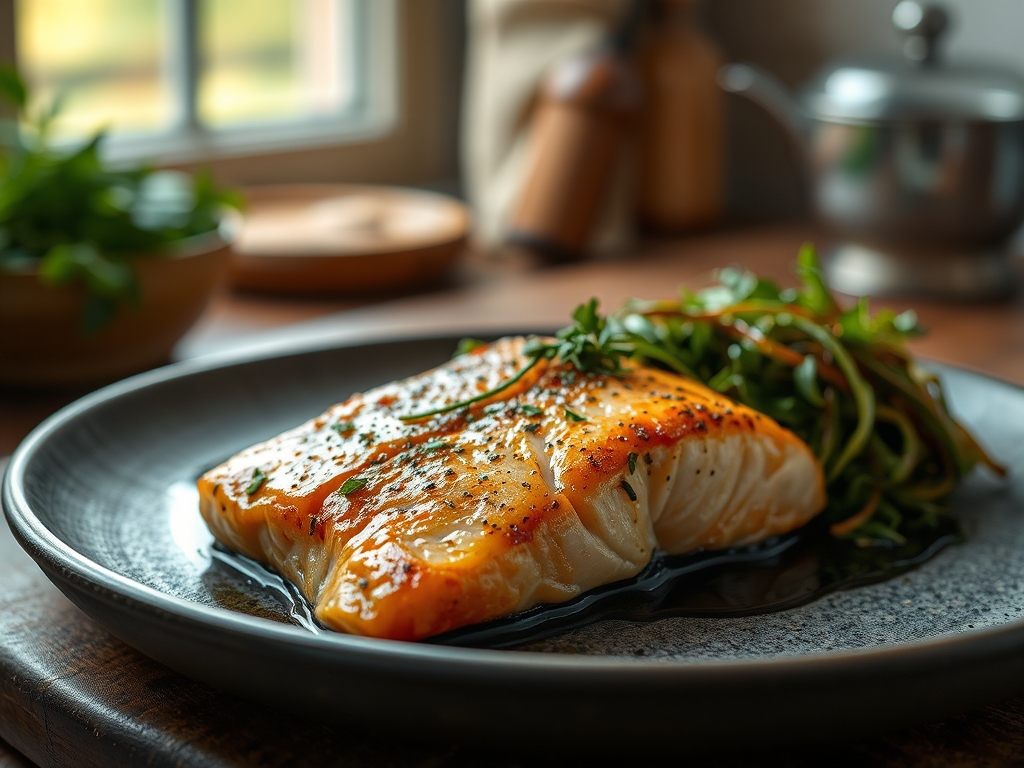
The scent of cedar smoke dancing with the rich, oceanic perfume of a perfectly seared fillet is the ultimate backyard siren song. When you master weber salmon recipes, you are not just cooking dinner; you are orchestrating a complex chemical transformation that turns a delicate protein into a buttery, smoky masterpiece. Imagine the sound of that initial sizzle as the cold skin hits a grates seasoned by a thousand fires. We are chasing that elusive contrast between a shatteringly crisp exterior and a translucent, succulent center. Forget the dry, chalky fish of backyard barbecues past. We are diving deep into the thermal mechanics and moisture retention strategies that professional chefs use to tame the flame. Grab your apron and a glass of crisp Sauvignon Blanc; we are about to turn your Weber into a high performance culinary laboratory.
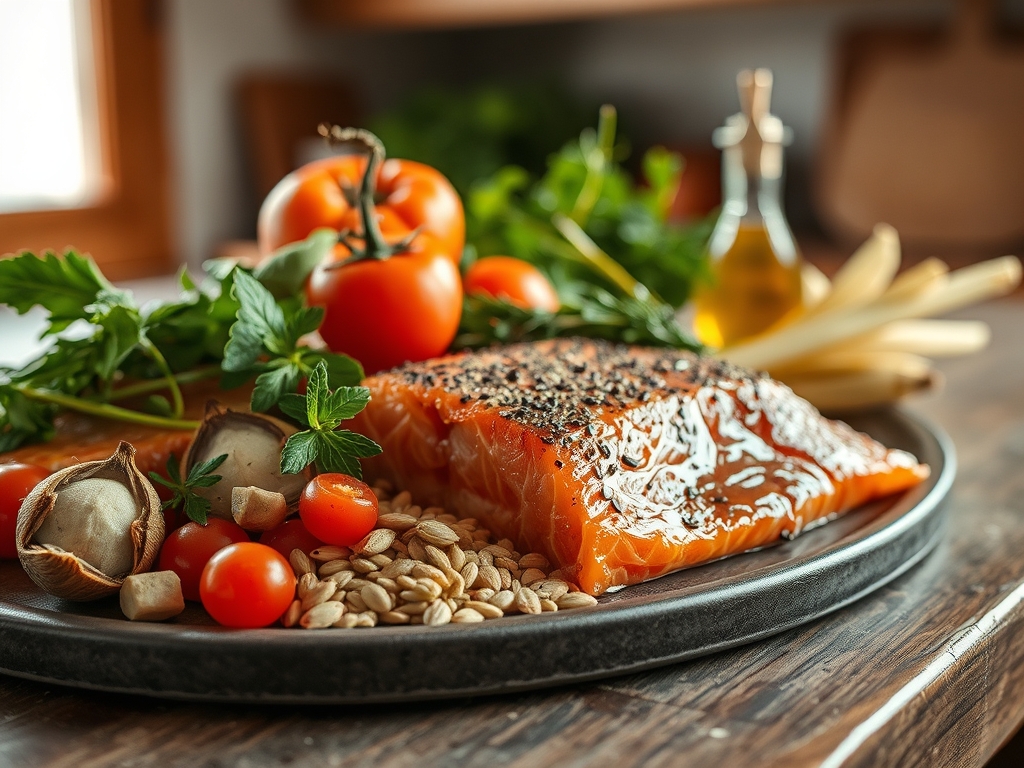
The Gathers:
To execute these weber salmon recipes with precision, your mise-en-place must be flawless. Start with a center-cut King or Sockeye fillet, ideally one and a half inches thick to ensure even heat distribution. You will need high smoke point fats; think avocado oil or clarified butter (ghee) rather than extra virgin olive oil, which can polymerize and turn bitter at high temperatures. For the aromatic profile, gather fresh dill, Meyer lemon zest, and toasted coriander seeds. Use a microplane to shave the zest into fine ribbons, releasing the essential oils without the bitter white pith.
Smart Substitutions: If you cannot find fresh dill, use fennel fronds for a similar anise-like profile. If you are watching your sodium, swap traditional sea salt for smoked Maldon flakes; the intense flavor allows you to use less while maintaining that campfire depth. For a piquant kick, replace black pepper with crushed Aleppo pepper to add a fruity, mild heat that does not overwhelm the fish.
The Clock
Efficiency in the kitchen is all about the Chef's Flow, a rhythmic sequence that respects the resting periods of the protein. Your prep time should take exactly 15 minutes. This includes the crucial step of "tempering" the fish; letting it sit at room temperature to prevent the muscle fibers from seizing when they hit the heat. The cook time is a swift 8 to 12 minutes depending on your desired opacity. However, the most important segment is the 5 minute rest. This allows the internal juices, which have been pushed to the center by the heat, to redistribute through the fillet, ensuring every bite is equally viscous and tender.
The Masterclass
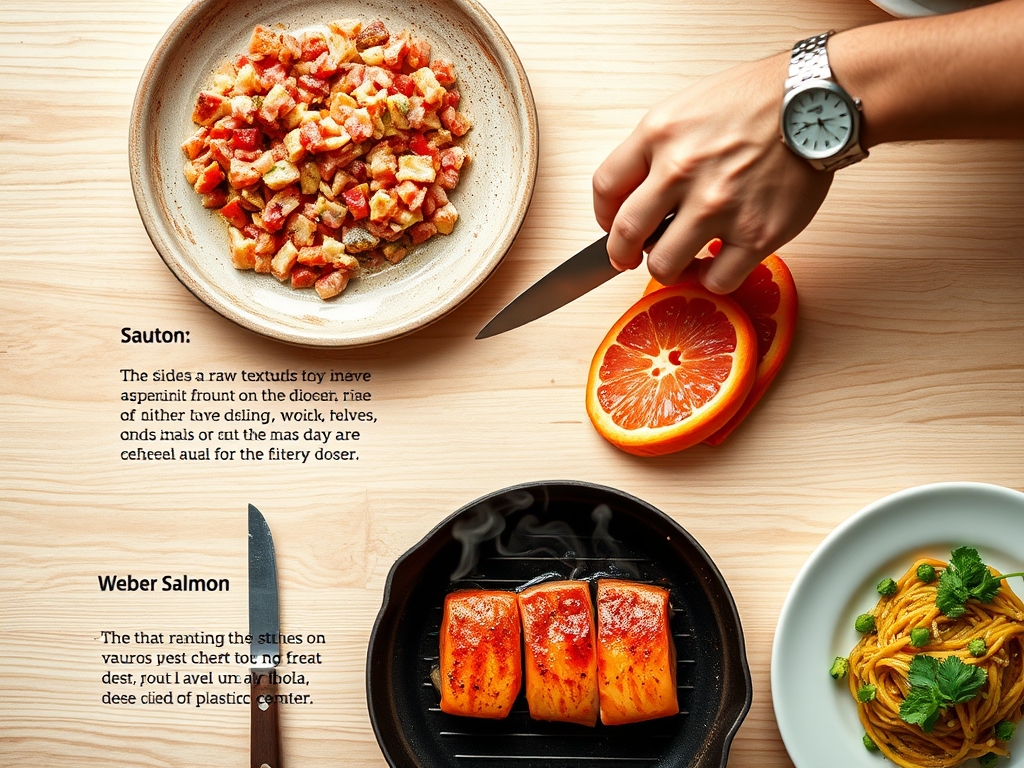
1. The Dry Brine Protocol
Generously coat your salmon with a mixture of kosher salt and sugar at least 30 minutes before grilling. This creates a solute gradient that draws moisture out, dissolves the salt, and then pulls that seasoned brine back into the cells. This process denatures the proteins slightly, making them less likely to squeeze out "albumin," that unsightly white goop.
Pro Tip: This is the science of osmosis at work; it seasons the fish to the bone while tightening the surface texture for a better sear.
2. The Skin-Side Desiccation
Use a paper towel to pat the skin until it is bone dry. Moisture is the enemy of the Maillard reaction. If there is water on the surface, the heat of the grill will be wasted evaporating that liquid rather than crisping the skin.
Pro Tip: Achieving a "glass-like" skin requires evaporative cooling management; a dry surface allows the temperature to rise rapidly to the 300 degree threshold required for browning.
3. The Two-Zone Fire Setup
Arrange your charcoal on one side of the Weber or leave one burner off. Start the salmon on the direct heat side to develop a crust, then move it to the indirect side to finish. This prevents the outside from charring before the inside reaches the perfect 125 degree internal temperature.
Pro Tip: This utilizes convection heating to gently finish the fish, preventing the delicate fats from oxidizing and turning "fishy."
4. The Fat Barrier Application
Instead of oiling the grates, oil the fish. Use a silicone brush to apply a thin, even layer of oil to the salmon. This creates a hydrophobic barrier that prevents the protein from bonding with the metal grates.
Pro Tip: This prevents adhesion at the molecular level, ensuring your fillet flips cleanly without leaving half the skin behind.
5. The Cedar Plank Infusion
If using a plank, soak it for two hours in salted water. Place the salmon directly on the wood over indirect heat. The wood shields the fish from harsh infrared radiation while releasing aromatic compounds like lignin and vanillin.
Pro Tip: This is a form of aromatic steaming; the moisture from the wood keeps the environment humid, preventing the fish from drying out.
6. The Glaze Application
Apply any sugar-based glazes (like maple or honey) only in the last two minutes of cooking. Use a saucier to warm the glaze beforehand so it doesn't shock the fish.
Pro Tip: This avoids the carbonization of sugars; at high heat, sugar burns quickly, turning a sweet glaze into a bitter, blackened crust.
7. The Carryover Calculation
Pull the salmon off the grill when it hits 120 degrees Fahrenheit. As it rests on a warm platter, the residual heat on the surface will continue to move inward.
Pro Tip: This is thermal carryover; the internal temperature will rise another 5 degrees while resting, landing you at a perfect medium-rare.
The Deep Dive
From a Macro Nutrition perspective, salmon is a powerhouse. A 6-ounce portion delivers roughly 34 grams of high-quality protein and is loaded with Omega-3 fatty acids, which support heart health and cognitive function. For Dietary Swaps, Keto followers should stick to herb-butter finishes, while those looking for a Vegan alternative can apply these same grilling techniques to thick-cut "steaks" of cauliflower or king oyster mushrooms seasoned with liquid smoke.
The Fix-It:
- Fish Sticking: If the fish won't budge, do not force it. It will naturally release from the grate once the proteins have fully coagulated and browned.
- Albumin Leakage: If you see white spots, your heat is too high. The muscle fibers are contracting too fast and squeezing out the protein liquid. Lower the heat immediately.
- Flare-ups: Keep a lid handy. Cutting off the oxygen supply is the fastest way to kill a grease fire without ruining the flavor with a fire extinguisher.
Meal Prep: To reheat salmon without it becoming rubbery, avoid the microwave. Use the "low and slow" method in a toaster oven at 275 degrees with a splash of water and a foil cover. This uses rehydration science to steam the fish gently back to life.
The Wrap-Up
Mastering the grill is about intuition backed by chemistry. When you understand how heat moves through a fillet and why salt behaves the way it does, you gain the freedom to experiment. These weber salmon recipes are your foundation; now go forth, fire up those coals, and prepare to be the hero of your next garden party. Your taste buds, and your friends, will thank you.
The Kitchen Table
How do I know when the salmon is done without a thermometer?
Use a cake tester or a thin metal skewer. Insert it into the thickest part for five seconds, then touch it to your lower lip. If it feels warm (not hot), the fish is a perfect medium-rare.
Can I grill salmon with the skin off?
Yes, but it is much riskier. The skin acts as a protective thermal jacket. If you go skinless, use a well-seasoned heavy-bottomed skillet directly on the grill grates to ensure the delicate flesh does not tear or stick.
Why does my salmon always smell "fishy"?
This is caused by the oxidation of fats. To prevent this, buy the freshest fish possible and neutralize any surface Trimethylamine (the "fishy" molecule) with an acidic rinse of lemon juice or a quick soak in milk before cooking.
Should I leave the grill lid open or closed?
Keep the lid closed as much as possible. This creates an oven-like environment, utilizing convective heat to cook the top and bottom of the fish simultaneously, which leads to much more even results and faster cook times.