
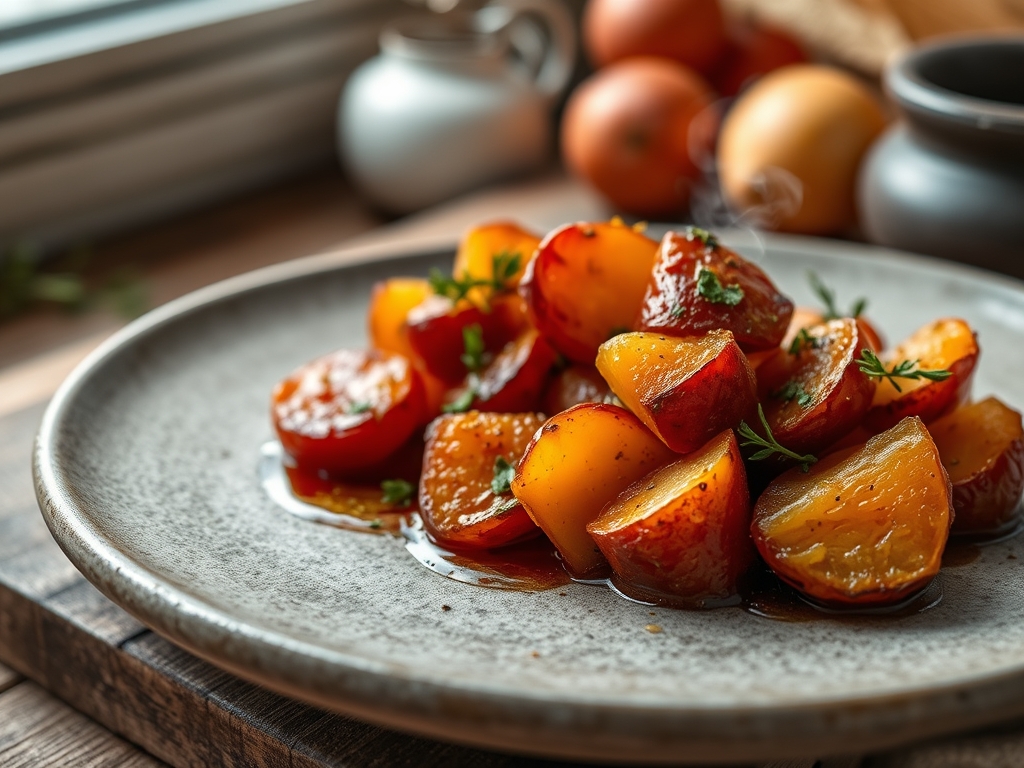
Imagine the sound of a heavy-bottomed skillet meeting a high-flame burner while the scent of rosemary-infused oil fills your kitchen. We are diving into the world of red potato recipes for dinner to transform your weeknight routine from mundane to five-star. These ruby-skinned gems are the secret weapon of the culinary world because they hold their structural integrity through heat.
Red potatoes are waxy by nature. Unlike their starchy Russet cousins, they contain a high moisture content and a low starch-to-sugar ratio. This means they do not fall apart when boiled or braised; instead, they maintain a creamy, dense texture that feels luxurious on the palate. Whether you are smashing them, roasting them with garlic, or tossing them into a quick sheet-pan bake, these tubers are the ultimate canvas for bold, savory flavors.
Tonight, we are moving beyond the basic side dish. We are treating the red potato as the star of the plate. Because they require no peeling, you save precious minutes during the evening rush. The skin provides a beautiful pop of color and a boost of fiber, making your dinner both aesthetically pleasing and nutritionally sound. Grab your favorite chef knife and let us get to work.
The Gathers:
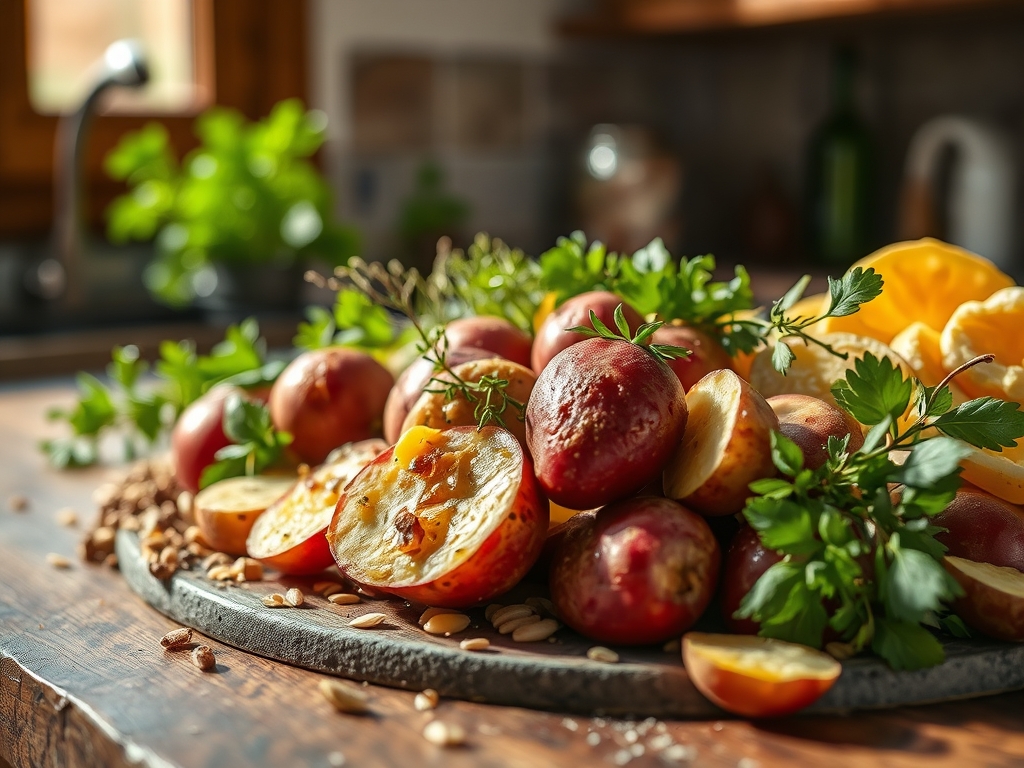
To execute these red potato recipes for dinner with precision, your mise-en-place must be intentional. Start with three pounds of firm, unblemished red potatoes. Look for skins that are tight and vibrant; this indicates high cellular turgor pressure, which translates to a crispier finish once roasted. You will also need a high-smoke-point fat like avocado oil or clarified butter to facilitate the Maillard reaction without burning.
Aromatics are non-negotiable. Gather fresh thyme, rosemary, and at least six cloves of garlic. Use a microplane to zest a lemon for a piquant finish that cuts through the earthy richness of the potato. For seasoning, skip the table salt and reach for flaky sea salt and freshly cracked black peppercorns. The larger salt crystals provide a localized burst of flavor and a satisfying crunch.
Smart Substitutions:
If you find yourself without fresh herbs, use a 1:3 ratio of dried herbs to fresh. If you need to lower the glycemic index further, swap a portion of the potatoes for cauliflower florets; they share a similar roasting time. For a vegan profile, replace butter with a high-quality extra virgin olive oil or a viscous cashew cream to maintain that signature mouthfeel.
The Clock
Efficiency in the kitchen is about mastering the Chef's Flow. For these red potato recipes for dinner, your total active prep time is approximately 15 minutes, with a cook time ranging from 20 to 35 minutes depending on the cut size. The goal is to synchronize your protein and starch so they finish simultaneously.
Start by preheating your oven to 425 degrees Fahrenheit. While the oven reaches temperature, use a bench scraper to organize your chopped potatoes into uniform half-inch cubes. Uniformity is the key to even heat distribution. If you are making smashed potatoes, boil them in salted water for 12 minutes while you prep your aromatics. By the time the potatoes are fork-tender, your oven is ready for the high-heat roasting phase. This overlap ensures you are never standing idle, keeping your total "kitchen to table" time under 45 minutes.
The Masterclass
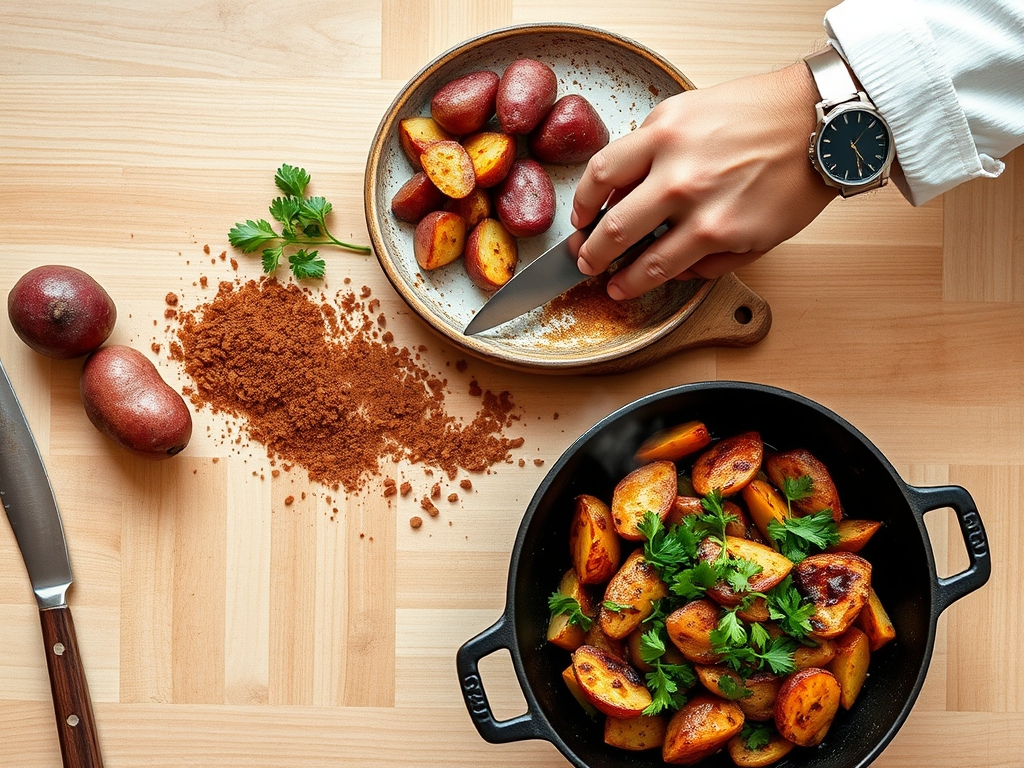
1. The Precision Cut
Using a sharp chef knife, halve your potatoes and then quarter them into uniform wedges. If you are opting for a "smashed" style, leave them whole but ensure they are of similar diameter.
Pro Tip: Cutting potatoes exposes the surface starch. If you are roasting, do not rinse them after cutting. That surface starch is what dehydrates in the oven to create a shattered-glass crispiness through the process of gelatinization.
2. The Parboil Secret
Place the potatoes in a pot of cold, heavily salted water. Bring to a boil and simmer until the exterior is just starting to soften but the center remains firm.
Pro Tip: Starting in cold water ensures the interior and exterior cook at the same rate. This prevents the "sloughing off" of the outer layers before the core is heated through, a phenomenon known as thermal gradient management.
3. The Surface Roughing
Drain the potatoes in a colander and give them a vigorous shake. You want the edges to look slightly frayed and fuzzy rather than smooth.
Pro Tip: This creates more surface area for the fat to cling to. Increased surface area means more sites for the Maillard reaction to occur, resulting in a deeper, more complex savory flavor profile.
4. The Fat Infusion
In a large bowl, toss the potatoes with your chosen oil, salt, and aromatics. Ensure every millimeter of the potato is coated in a thin, shimmering layer of fat.
Pro Tip: Fat acts as a heat conductor. By coating the potato completely, you ensure that the dry heat of the oven is transferred efficiently to the potato skin, preventing localized scorching.
5. The High-Heat Roast
Spread the potatoes onto a preheated heavy-duty sheet pan. Do not crowd them; they need space for steam to escape.
Pro Tip: If the pan is crowded, the moisture escaping from the potatoes will create a steam pocket. This leads to soggy potatoes. Proper spacing allows for evaporation, which is essential for achieving a crisp exterior.
6. The Herb Finish
Five minutes before pulling them out, add your fresh minced garlic and delicate herbs like parsley or chives.
Pro Tip: Garlic has a low burn point. Adding it at the very end allows the residual heat to infuse the oil with garlic flavor without turning the bits bitter and acrid through over-carbonization.
The Deep Dive
When we look at the macro nutrition of red potatoes, they are surprisingly impressive. One medium red potato contains about 150 calories, 3 grams of protein, and zero fat. They are exceptionally high in potassium; even more so than bananas; which helps regulate fluid balance and nerve signals.
For those with dietary restrictions, these red potato recipes for dinner are naturally gluten-free. To make them Keto-friendly, you must limit the portion size and pair them with high-fiber greens to mitigate the insulin response. For a vegan twist, use nutritional yeast to provide a "cheesy" umami flavor without the dairy.
The Fix-It: Common Pitfalls
- Soggy Bottoms: This happens when you use too much oil or a cold sheet pan. Fix: Preheat your pan in the oven before adding the potatoes to jumpstart the searing process.
- Burnt Garlic: This occurs when garlic is added at the start of a 30-minute roast. Fix: Use garlic powder for the roast and fresh garlic only for the final five-minute toss.
- Uneven Cooking: This is a result of inconsistent knife work. Fix: Use a mandoline or a ruler until your "eye" for half-inch increments is calibrated.
Meal Prep Science: To reheat red potatoes and maintain "day-one" quality, avoid the microwave. The microwave agitates water molecules, making the potato rubbery. Instead, use an air fryer or a skillet with a teaspoon of oil. This re-dehydrates the skin and restores the crunch.
The Wrap-Up
Mastering red potato recipes for dinner is about understanding the balance between moisture and heat. These waxy wonders are forgiving, vibrant, and incredibly satisfying when treated with a bit of scientific flair. By focusing on surface area, fat conduction, and timing, you can turn a simple root vegetable into the most anticipated part of your family meal. Now, go grab that skillet and start roasting!
The Kitchen Table
Why are my red potatoes always soft instead of crispy?
Softness usually stems from overcrowding the pan or using too much oil. Ensure each potato has space for steam to evaporate. Preheating the baking sheet also helps create an immediate sear on the potato skin.
Do I need to peel red potatoes for dinner recipes?
No, peeling is unnecessary and discouraged. The skin of a red potato is thin and nutrient-dense. It provides a structural barrier that helps the potato hold its shape and adds a pleasant textural contrast to the creamy interior.
Can I prep red potatoes ahead of time without them browning?
Yes. Submerge sliced potatoes in a bowl of cold water with a splash of lemon juice or vinegar. This inhibits enzymatic browning by lowering the pH and blocking oxygen from reaching the surface of the potato.
What is the best way to store leftover cooked red potatoes?
Store them in an airtight glass container in the refrigerator for up to four days. To maintain the best texture, reheat them in an oven or air fryer at 375 degrees Fahrenheit until the exterior becomes crisp again.