
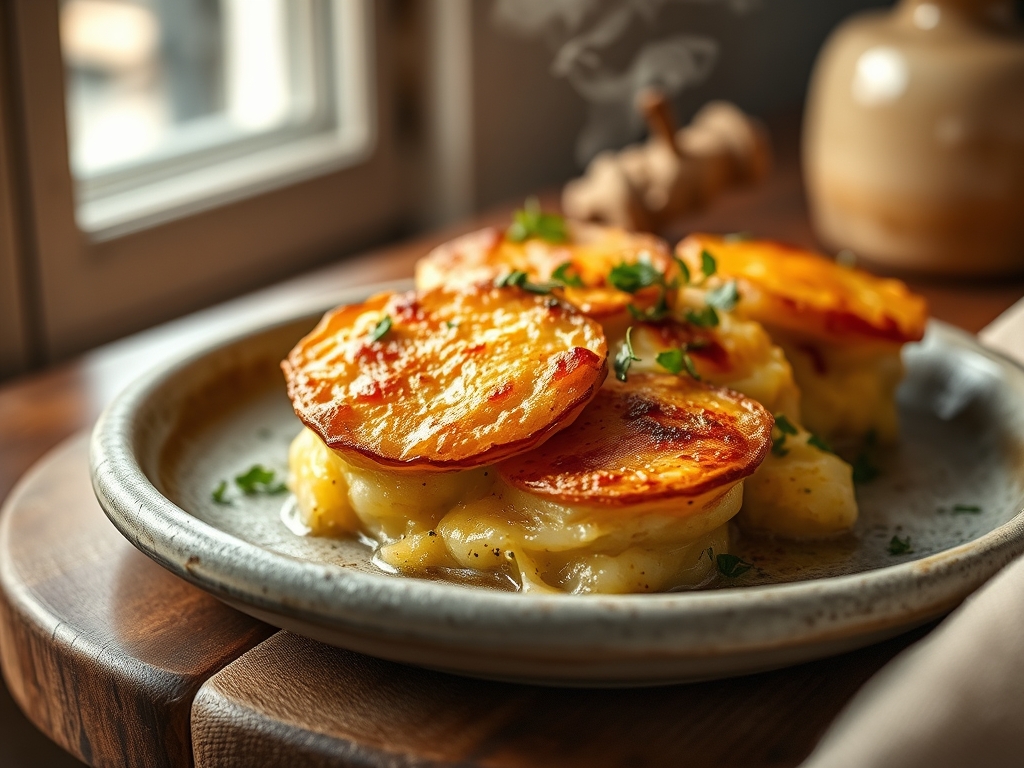
Picture a kitchen filled with the scent of nutmeg and slow-rendered butter. There is a specific, golden magic that happens when thin layers of starch meet a bubbling, ivory sea of heavy cream. When you are hunting for the best scalloped potato recipes oven methods, you are not just looking for dinner; you are looking for a masterpiece of texture. We want that elusive balance between a crisp, bronzed crust and a center so tender it practically dissolves on the tongue. This is high-stakes comfort food. It is the kind of dish that makes people quiet down and close their eyes. To get there, we have to move past basic boiling and embrace the chemistry of the casserole. We are talking about starch gelatinization and the Maillard reaction. We are going to build a dish that is structurally sound yet ethereal. Put on your favorite apron and grab your sharpest blade. We are about to turn a humble root vegetable into a velvet-textured triumph that will have your guests scraping the ceramic clean.
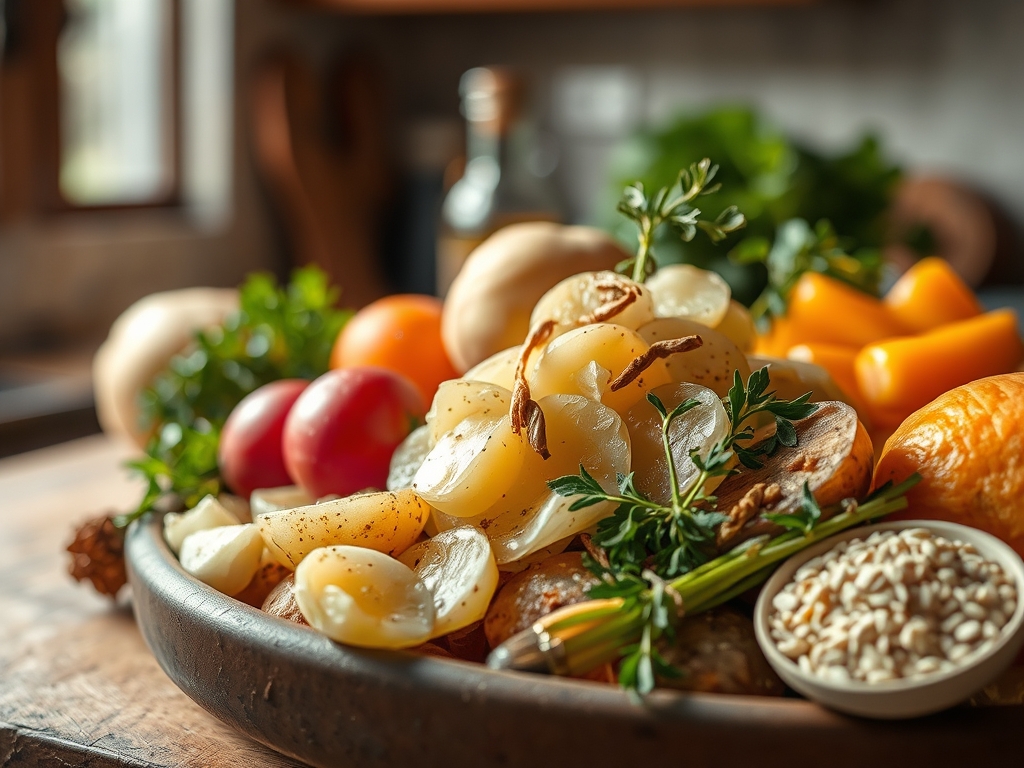
The Gathers:
To achieve the ultimate result, your mise-en-place must be precise. Start with Russet or Yukon Gold potatoes. Russets provide the high starch content necessary to thicken the sauce naturally; Yukons offer a buttery, waxy finish that holds its shape. You will need a mandoline slicer to ensure every slice is a uniform 1/8th inch. For the liquid gold, gather heavy cream and whole milk. Do not reach for the skim. We need the fat solids to prevent curdling.
Your aromatics are the soul of the dish. Fresh thyme, smashed garlic cloves, and a hint of freshly grated nutmeg using a microplane will provide a piquant depth. For the fat, use high-quality unsalted butter to control the salinity. Smart Substitutions: If you want a lighter profile, you can swap half the cream for a rich chicken bone broth, though the texture will be less viscous. For a sharper bite, whisk in a tablespoon of Dijon mustard. Ensure your salt is kosher for better distribution and your black pepper is freshly cracked to release those volatile oils.
The Clock: Timing the Perfection
Timing is the difference between a soggy mess and a structured bake. The Chef's Flow dictates that you spend 20 minutes on prep and 75 to 90 minutes in the heat.
- Prep (20 Minutes): Peeling, slicing, and infusing the cream.
- The Initial Bake (45 Minutes): Covered with foil to trap steam. This allows the potatoes to soften without the top burning.
- The Uncovered Finish (30 to 45 Minutes): This is where the Maillard reaction occurs, creating that signature crust.
- The Rest (15 Minutes): Crucial for starch setting. If you cut in too early, the sauce will run.
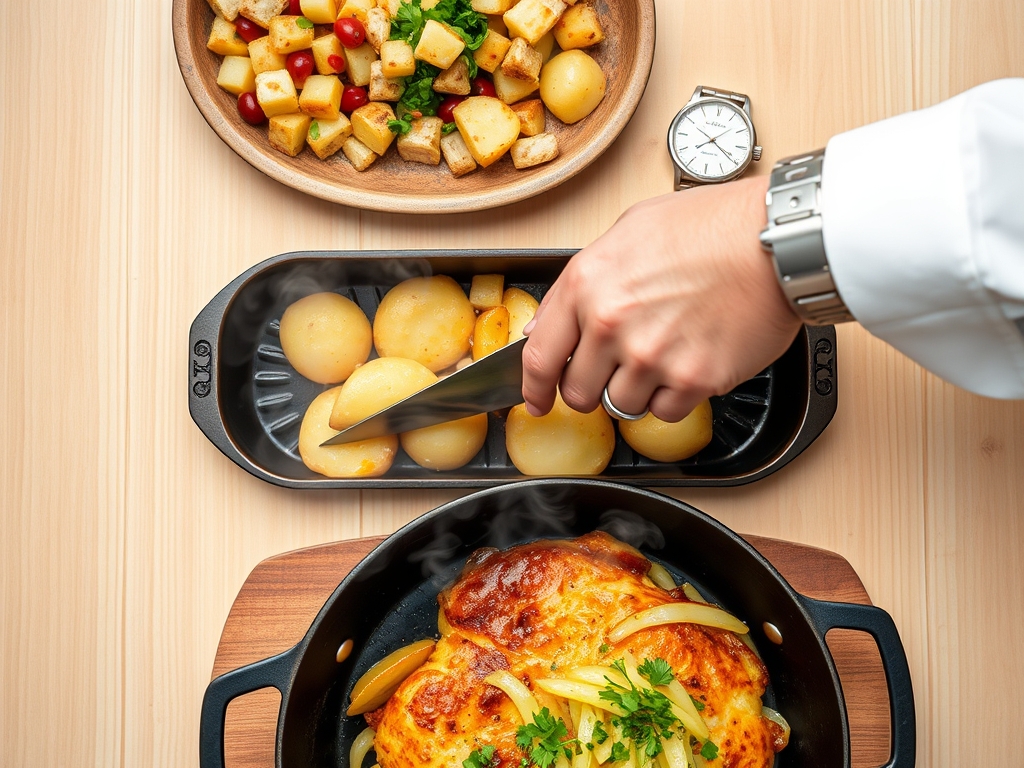
The Masterclass: 6 Secrets to Success
1. The Precision Slice
Uniformity is your best friend. Use a mandoline to achieve slices that are exactly the same thickness. This ensures that every piece of potato reaches the same level of starch gelatinization at the exact same moment.
Pro Tip: Do not soak your slices in water. We need the surface starch to act as a natural thickener for the cream sauce. Rinsing them away leads to a watery, broken mess.
2. The Infusion Phase
Instead of pouring cold cream over potatoes, use a saucier to gently heat your cream, garlic, and herbs. Bring it to a simmer, then let it steep off the heat for ten minutes. This allows the essential oils of the thyme and the sulfur compounds of the garlic to infuse the liquid.
Pro Tip: Heating the liquid before it hits the pan jump-starts the cooking process and prevents the "thermal shock" that can cause dairy to separate.
3. The Shingling Technique
Do not just dump the potatoes into the dish. Use your hands to "shingle" them in overlapping rows. This creates tiny pockets where the cream can settle, ensuring every bite is saturated.
Pro Tip: Use a bench scraper to move large stacks of sliced potatoes at once. This maintains their alignment and prevents enzymatic browning from prolonged air exposure.
4. The Seasoning Layer
Season every single layer. A common mistake in scalloped potato recipes oven techniques is only seasoning the top. Use a digital scale to measure your salt if you are unsure; usually, 1.5% of the total weight of potatoes is the sweet spot for flavor.
Pro Tip: Salt draws out moisture through osmosis. By seasoning the layers, you ensure the potatoes release their water into the cream to be thickened by the starch.
5. The Foil Tent
Cover the baking dish tightly with heavy-duty aluminum foil for the first half of the bake. This creates a pressurized steam environment that softens the cellulose in the potatoes without evaporating the precious fats.
Pro Tip: This prevents the edges from becoming "leathery" before the center is cooked through. We are looking for thermal carryover to finish the job once the foil is removed.
6. The Broil Finish
For the final ten minutes, remove the foil and increase the heat or move the dish to the top rack. You want the proteins in the dairy to undergo the Maillard reaction, turning the surface into a bubbling, mahogany crust.
Pro Tip: Watch for the "wobble." If the center jiggles like gelatin when you shake the pan, it is ready. If it sloshes like water, it needs more time to reduce.
The Deep Dive
Macro Nutrition: One serving typically contains 350 to 450 calories. It is high in potassium from the potatoes and calcium from the dairy, but also dense in fats. Balance this with a crisp green salad tossed in a lemon vinaigrette to cut through the richness.
Dietary Swaps:
- Vegan: Use full-fat coconut milk and a splash of nutritional yeast for a "cheesy" umami hit.
- Keto: Replace potatoes with sliced daikon radish or cauliflower florets.
- Gluten-Free: This dish is naturally GF, provided you do not use a flour-based roux. Stick to the starch-reduction method.
The Fix-It:
- Curdled Sauce: This happens if the oven is too hot or the dairy is too lean. Fix it by whisking in a tablespoon of heavy cream before serving to emulsify the broken fats.
- Crunchy Potatoes: You likely sliced them too thick or didn't bake long enough. Cover with foil, add a splash of milk, and return to the oven.
- Soupy Texture: The potatoes didn't release enough starch. Remove the lid and bake longer to evaporate excess moisture.
Meal Prep: To reheat, do not use the microwave. The high heat will break the emulsion. Instead, place the dish in a 300-degree oven with a splash of milk and cover with foil until the internal temperature reaches 165 degrees Fahrenheit.
The Wrap-Up
Mastering scalloped potato recipes oven styles is a rite of passage for any home cook. It requires patience, a bit of scientific understanding, and a lot of high-quality dairy. Remember that the potato is the star, but the technique is the director. By controlling your starch, infusing your aromatics, and respecting the bake time, you create more than a side dish. You create a memory. Now, go grab that mandoline and get slicing. Your kitchen is about to smell like heaven.
The Kitchen Table
Why do my scalloped potatoes stay hard?
This usually happens because of acid or undercooking. If you added lemon or a very acidic cheese too early, it prevents the potato cell walls from softening. Ensure you bake at 350 degrees Fahrenheit until a paring knife slides in easily.
Can I make scalloped potatoes ahead of time?
Yes. You can bake them fully, cool them, and refrigerate. The starch actually sets better overnight. Reheat in a low oven with a bit of extra cream to restore the original viscous texture and prevent the edges from drying out.
What is the difference between scalloped and au gratin?
Scalloped potatoes are traditionally cooked in a simple cream sauce with herbs. Au gratin potatoes involve layers of cheese and often a breadcrumb topping. Both rely on the same oven-baking principles, but scalloped is the purist's choice for potato flavor.
Why did my cream sauce curdle?
High heat or low-fat milk causes the proteins to clump. Always use heavy cream or whole milk. Avoid boiling the dish aggressively; a gentle simmer in the oven is all you need to keep the sauce smooth and perfectly emulsified.