
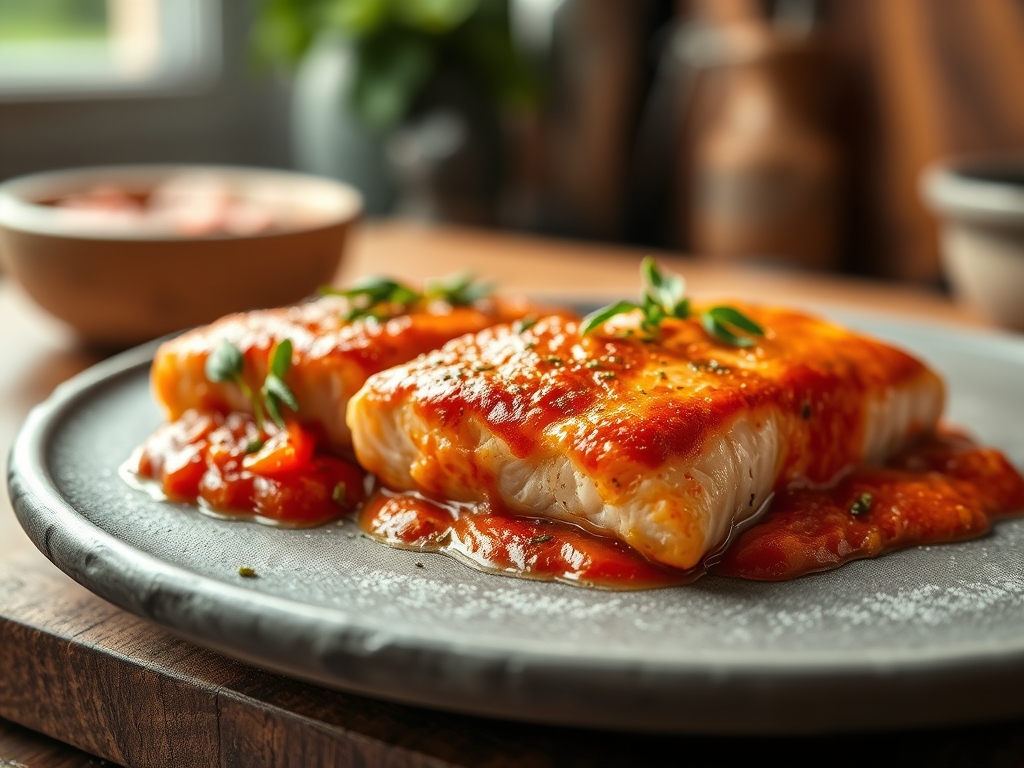
Imagine the sizzle of cold protein hitting a shimmering layer of olive oil in a heavy-bottomed skillet. That distinct sound signals the start of the Maillard reaction, where amino acids and sugars transform into a golden, savory crust. When you explore salmon recipes with tomato sauce, you are balancing the rich, fatty lipids of the fish against the bright, acidic profile of the fruit. It is a masterclass in culinary contrast. We are moving beyond basic poaching into a world where the lycopene in the tomatoes deepens in flavor while the salmon remains buttery and translucent at its core.
The magic of these pairings lies in the chemistry of the sauce. Tomatoes provide a natural source of umami through glutamic acid, which acts as a flavor multiplier for the delicate proteins in the fish. Whether you are aiming for a piquant Mediterranean flare or a deep, slow-simmered ragu, the goal is always the same: achieving a harmonious emulsion where the fats from the salmon render into the tomato base, creating a sauce that is velvety rather than watery. Grab your apron and your favorite saucier; we are about to elevate your weeknight dinner into a high-end bistro experience.
The Gathers:
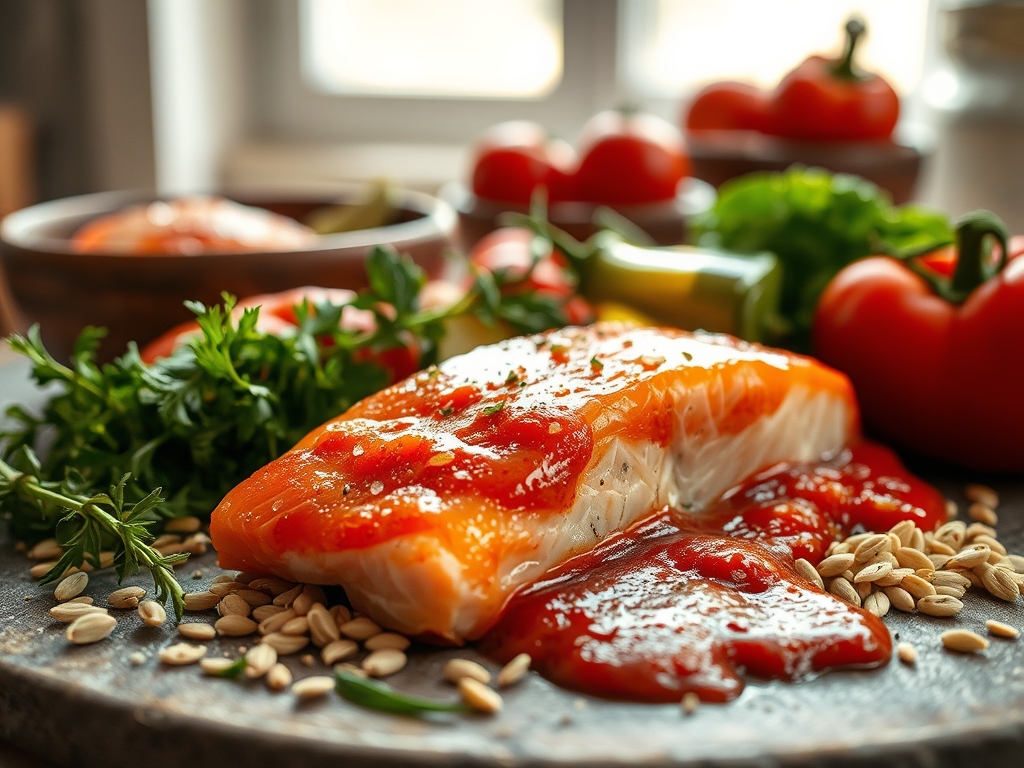
To execute these salmon recipes with tomato sauce perfectly, your mise-en-place must be precise. Start with center-cut fillets, ideally six to eight ounces each, as their uniform thickness ensures even thermal distribution. You will need high-quality canned San Marzano tomatoes or vine-ripened fresh ones; the choice depends on whether you want a concentrated sweetness or a fresh, acidic bite. Aromatics are non-negotiable. Gather fresh garlic bulbs, shallots for a softer sulfur note, and a bunch of flat-leaf parsley.
Smart Substitutions: If you lack fresh tomatoes, a high-quality tomato passata offers a smooth, viscous texture that clings beautifully to the fish. For those watching sodium, swap traditional capers for chopped green olives to maintain that briny, piquant punch. If you are out of white wine for deglazing, a splash of verjus or a diluted apple cider vinegar provides the necessary acidity to cut through the salmon's richness. Always use a microplane for your garlic and citrus zest to ensure the essential oils are fully released into the pan.
The Clock
Efficiency in the kitchen is about "Chef's Flow," which is the art of overlapping tasks to minimize downtime. For most salmon recipes with tomato sauce, you are looking at a total time of 30 minutes. Prep takes exactly 10 minutes if your knife skills are sharp. The cooking process is divided into two phases: the sear and the simmer.
The sear requires 4 minutes of high-heat contact to develop texture. The sauce reduction takes about 12 to 15 minutes, during which you can clean your station or prep a side dish. The final integration, where the salmon finishes cooking in the residual heat of the sauce, takes a mere 3 minutes. This timeline prevents the common tragedy of overcooked, chalky fish while ensuring the tomato base has enough time to lose its raw, metallic edge.
The Masterclass
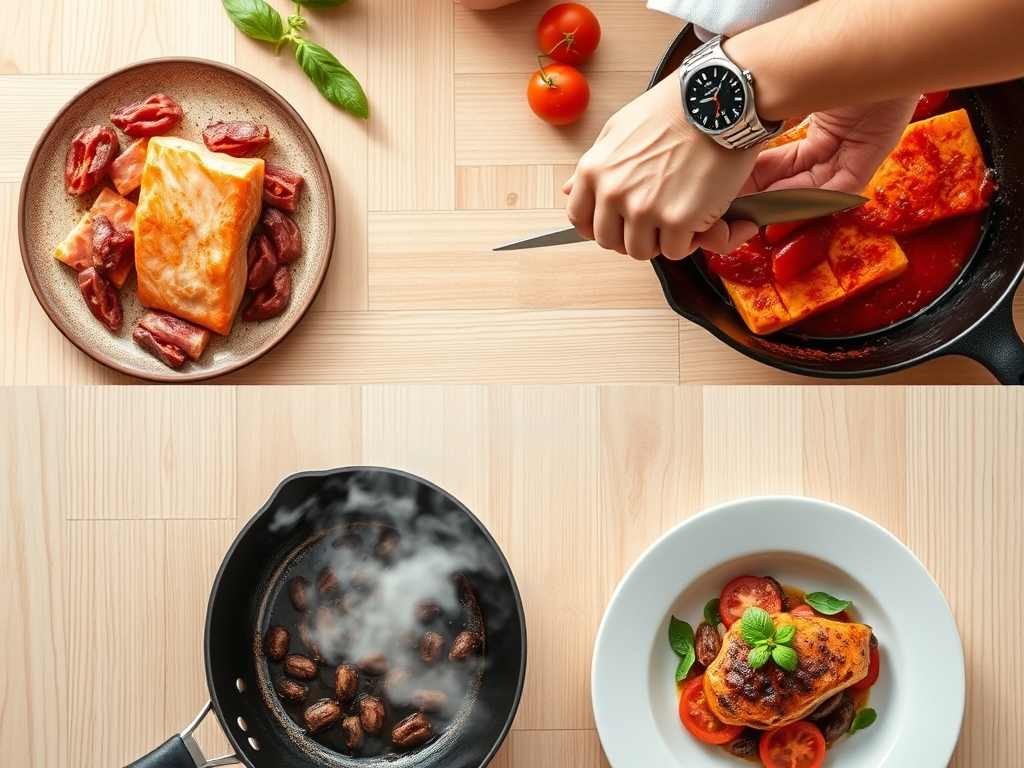
1. Temper and Pat Dry
Remove your salmon from the refrigerator 20 minutes before cooking to bring it toward room temperature. Use a paper towel to moisture-wick the skin and flesh surface until it is bone dry.
Pro Tip: Moisture is the enemy of the Maillard reaction. If the surface is damp, the heat will be spent evaporating water (steaming) rather than browning the proteins, preventing that coveted crust.
2. The High-Heat Sear
Heat your heavy-bottomed skillet until the oil shimmering. Place the salmon skin-side down using tongs, pressing firmly for 10 seconds to prevent the skin from curling.
Pro Tip: This initial press ensures maximum surface contact, allowing the subcutaneous fat to render efficiently, which results in a potato-chip-crisp skin texture.
3. Build the Aromatic Base
Remove the fish and set it aside on a warm plate. Lower the heat and add shallots and garlic to the rendered fat. Sauté until translucent but not browned.
Pro Tip: This is called "sweating" the aromatics. Low heat prevents the garlic from turning bitter, which happens when the delicate sugars in the bulb are scorched.
4. Deglaze the Skillet
Pour in a splash of dry white wine or stock. Use a wooden spoon or bench scraper to lift the "fond" (the brown bits) from the bottom of the pan.
Pro Tip: Deglazing captures the concentrated flavor compounds stuck to the pan, incorporating deep savory notes back into your sauce base.
5. Reduce the Tomatoes
Add your tomatoes and a pinch of salt. Let the mixture simmer and aerate until it thickens into a rich, viscous consistency.
Pro Tip: Reducing the sauce concentrates the natural sugars and acids. The salt helps break down the tomato cell walls, releasing more juice and flavor.
6. The Final Infusion
Nestle the salmon back into the sauce, skin-side up if you want to keep it crispy, or fully submerged for a poached texture. Cover the pan for the last 2 minutes.
Pro Tip: Utilize thermal carryover. Remove the pan from the heat when the internal temperature of the salmon hits 125 degrees Fahrenheit; it will reach the perfect 130 to 135 degrees while resting.
The Deep Dive
From a macro perspective, salmon recipes with tomato sauce are nutritional powerhouses. You are getting high-quality Omega-3 fatty acids from the fish and a massive dose of lycopene from the cooked tomatoes, which is more bioavailable than in raw fruit. For a Keto version, simply omit any added sugars and serve over zoodles. Vegan guests can enjoy the sauce over roasted cauliflower steaks or firm tofu. If you are Gluten-Free, ensure your thickeners are natural (like reduction) rather than flour-based.
The Fix-It:
- The Sauce is Too Acidic: Stir in a small knob of cold butter or a teaspoon of heavy cream. The fats will neutralize the sharp acid.
- The Salmon Skin is Soggy: You likely flipped it too early or didn't dry it enough. Next time, sear longer on high heat before adding the sauce.
- The Sauce is Too Thin: Remove the fish and turn the heat to high. Rapid evaporation is the only way to thicken without dulling the flavor with starch.
Meal Prep: To reheat without turning the salmon into rubber, use the "low and slow" method. Place it in a covered dish with a tablespoon of water or extra sauce and heat at 275 degrees Fahrenheit in the oven until just warm. This preserves the moisture better than a microwave ever could.
The Wrap-Up
Mastering salmon recipes with tomato sauce is like learning a secret handshake in the culinary world. It shows you understand balance, texture, and the science of heat. You have moved from "making dinner" to "crafting a dish." The contrast of the flaky, rich fish against the piquant, savory sauce is a profile that never goes out of style. So, grab your tongs and get to work; your kitchen is about to smell like a professional Mediterranean bistro!
The Kitchen Table
Can I use frozen salmon for these recipes?
Yes, but you must thaw it completely in the refrigerator and pat it extremely dry. Frozen fish often releases more albumin (the white protein), so a quick sear is vital to lock in moisture and maintain structural integrity.
What is the best tomato for a smooth sauce?
San Marzano canned tomatoes are the gold standard. They have fewer seeds and a thicker flesh, which creates a naturally viscous sauce without the need for additional thickeners or long reduction times.
How do I prevent the garlic from burning?
Add your garlic only after the shallots have softened. Garlic has a much lower water content and higher sugar level than onions, meaning it can go from fragrant to burnt and bitter in seconds.
Should I leave the skin on the salmon?
Absolutely. Even if you do not plan to eat it, the skin acts as a thermal barrier during the sear, protecting the delicate flesh from direct heat and keeping the fillet moist throughout the cooking process.