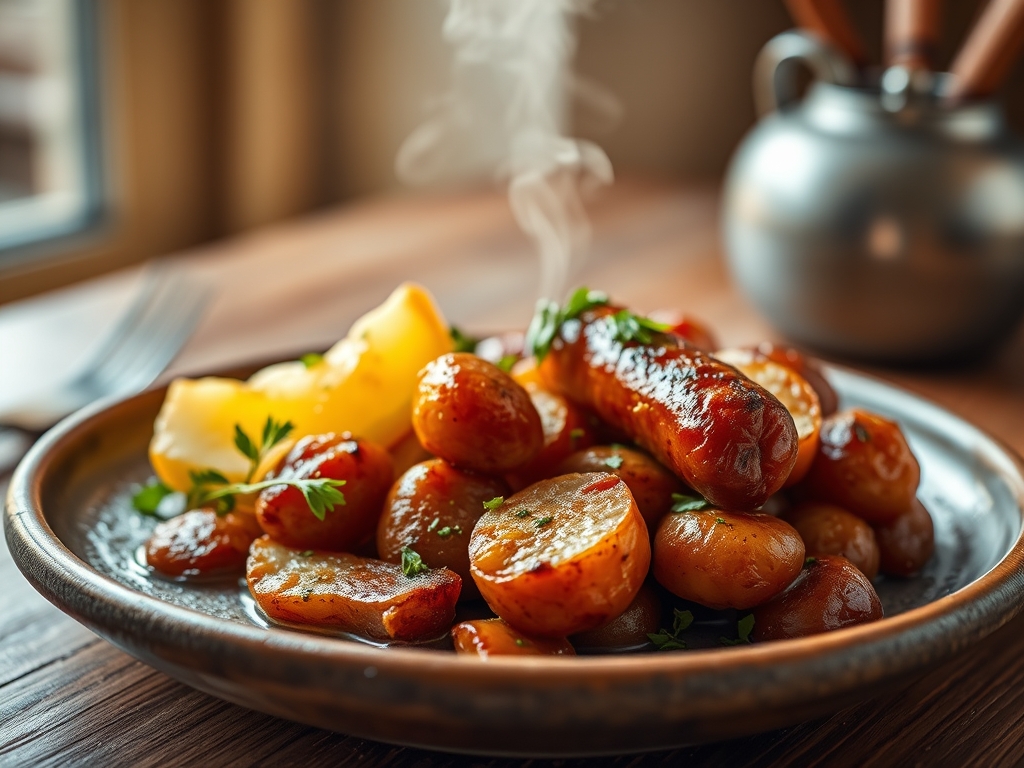
Imagine the sound of a heavy-bottomed cast iron skillet meeting a high-flame burner; that sharp, metallic ring is the opening bell for the ultimate comfort meal. There is something primal and deeply satisfying about the way rendered animal fat interacts with a starchy tuber. When you are hunting for the best sausage and potato recipes for dinner, you are not just looking for fuel; you are looking for that specific chemical magic where the piquant spices of a chorizo or bratwurst infuse into the cellular structure of a Yukon Gold. It is a dance of textures: the snap of a natural casing against the creamy, velvet interior of a perfectly parboiled potato. We are moving beyond the basic sheet pan bake and diving into the molecular mechanics of browning, emulsifying, and deglazing. This is where high-end culinary technique meets the cozy, "socks-on-the-rug" energy of a weeknight win. We are about to transform humble pantry staples into a suite of nine sophisticated, flavor-dense masterpieces that will make your kitchen smell like a high-end gastropub.
The Gathers:
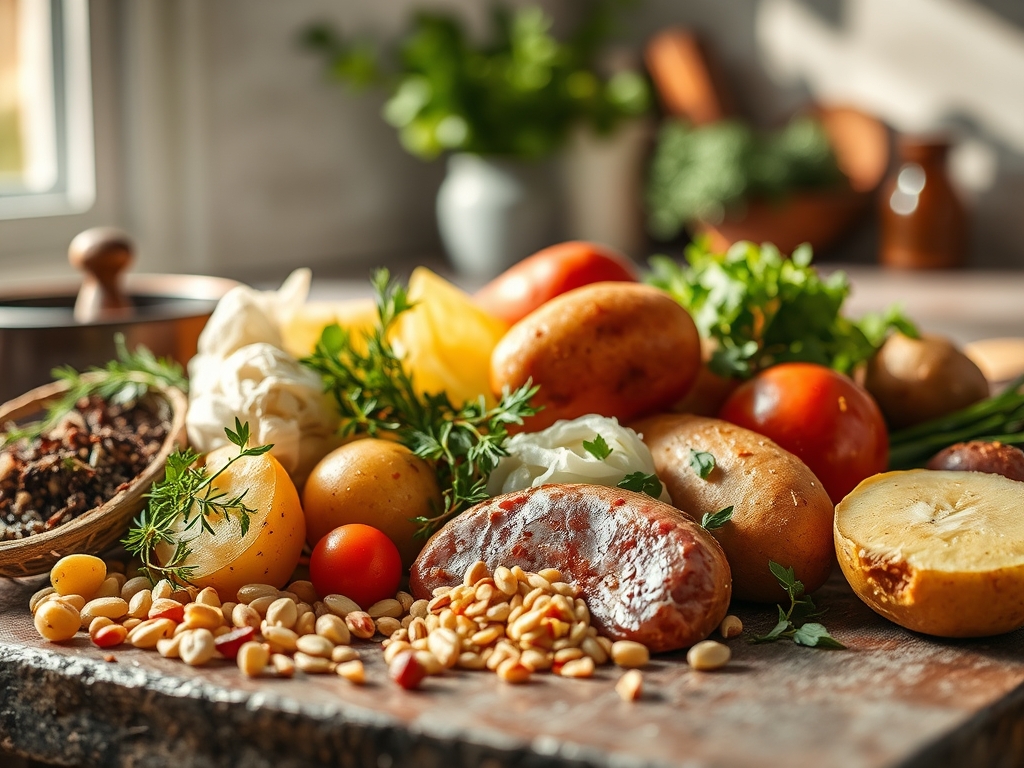
Before we ignite the flame, your mise-en-place must be clinical in its precision. To execute these sausage and potato recipes for dinner, you need to understand your raw materials. For the starch, prioritize waxy varieties like Red Bliss or New Potatoes if you want structural integrity; choose Russets if you desire a high-starch surface area that will shatter upon impact. Your protein selection is equally vital. A raw Italian sausage offers a different fat-to-lean ratio than a pre-smoked Andouille. Use a digital scale to ensure your ratios are exact; usually a 1:1.5 ratio of meat to potato provides the ideal caloric balance.
Smart Substitutions:
If you are pivoting away from pork, a high-quality chicken sausage with sun-dried tomatoes offers a lower lipid profile but requires a splash of avocado oil to prevent sticking. For the potatoes, parsnips or celery root (celeriac) provide a similar mouthfeel with a more complex, earthy aromatic profile. If you find your pantry lacks fresh herbs, a concentrated paste of freeze-dried rosemary and thyme can be rehydrated in a small saucier with butter to mimic the volatile oils of fresh sprigs. Always keep a microplane nearby to shower the finished dish in aged Pecorino or lemon zest for a final hit of acidity.
The Clock
Efficiency in the kitchen is about managing "The Chef's Flow." For most of these recipes, you are looking at a 15-minute prep window followed by a 25 to 35-minute thermal application. The secret to mastering the clock is "Parallel Processing." While your oven preheats to a blistering 425 degrees Fahrenheit, you should be utilizing your bench scraper to clear your dicing station. Never wait for the oven to reach temperature before you begin your knife work.
The "Flow" dictates that you start with the densest ingredient first. Potatoes require more thermal energy to break down hemicellulose than sausages do to reach an internal temperature of 160 degrees. By staggering your entry points into the pan, you ensure that the garlic does not incinerate while the potatoes are still translucent and firm. Use a digital timer to track the "flip" intervals; this prevents one side from over-caramelizing while the other remains steamed.
The Masterclass
1. The Parboil Foundation
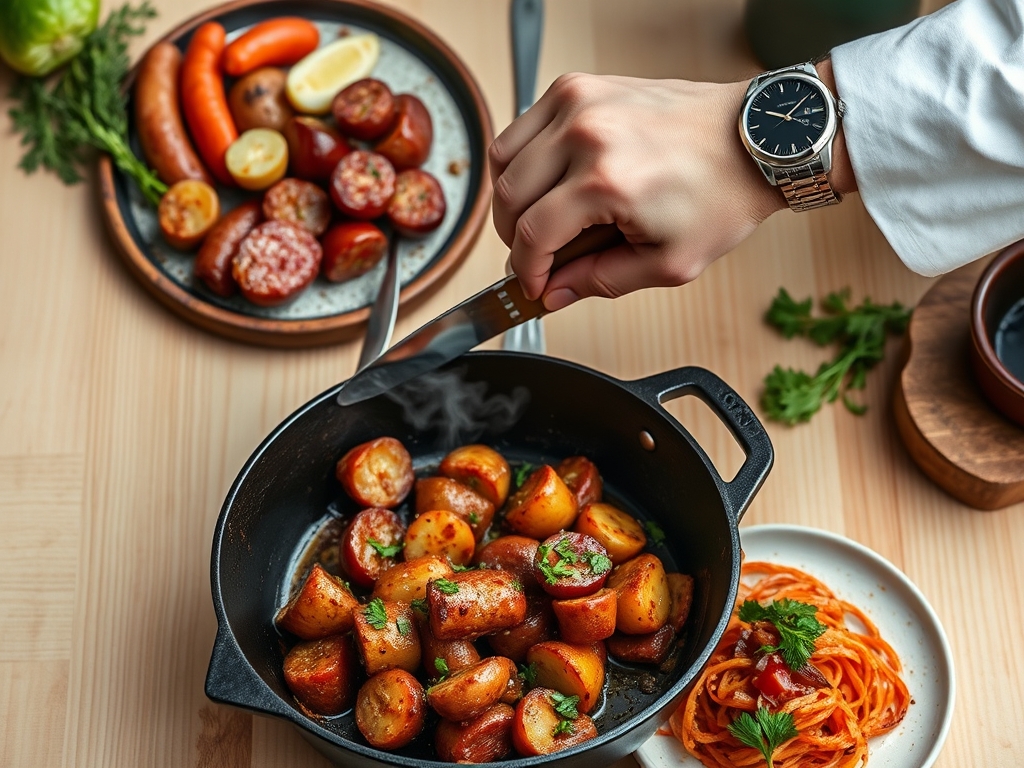
Place your cubed potatoes in cold, heavily salted water and bring to a boil. This ensures the exterior and interior cook at a synchronous rate. Drain them when they are "fork-tender" but not crumbling.
Pro Tip: This process initiates gelatinization. By boiling in salted water, you season the potato from the inside out and create a starchy "slurry" on the surface that will eventually crisp up into a glass-like crust during the roasting phase.
2. Rendering the Lipid Base
Place your sliced sausages in a cold heavy-bottomed skillet and then turn on the heat. This slow climb allows the fat to render out gently without scorching the proteins.
Pro Tip: This is the Maillard Reaction in slow motion. Starting cold prevents the casing from bursting due to rapid steam expansion, ensuring the fat stays in the pan to act as the primary cooking medium for your aromatics.
3. The Sauté and Infusion
Once the sausage fat is viscous and bubbling, toss in your parboiled potatoes. Use stainless steel tongs to ensure every cube is coated in the seasoned oil. Add your aromatics like smashed garlic and rosemary sprigs now.
Pro Tip: This is fat-soluble flavor infusion. The essential oils in the herbs are hydrophobic; they wont release their full flavor into water, but they bloom beautifully in the hot sausage drippings.
4. The Deglaze and Emulsify
After the potatoes have achieved a golden hue, pour in a quarter cup of dry white wine or chicken stock. Use a wooden spoon to scrape the brown bits (the fond) off the bottom of the pan.
Pro Tip: This is deglazing. The liquid dissolves the concentrated sugars and proteins stuck to the pan, creating a light pan sauce that coats the ingredients, adding a layer of "umami" that salt alone cannot provide.
5. The Final Crisp
Transfer the entire mixture to a preheated sheet pan or keep it in the skillet and move it to the center rack of the oven. High convection heat will set the crust.
Pro Tip: Watch for thermal carryover. Remove the dish when it looks slightly underdone; the internal heat will continue to cook the centers for 3 to 5 minutes after it leaves the oven, preventing a dry, mealy texture.
The Deep Dive
From a macro perspective, these sausage and potato recipes for dinner are a powerhouse of complex carbohydrates and high-density proteins. A standard serving provides roughly 35g of protein and 45g of carbs, making it an ideal recovery meal. If you are following a Keto protocol, swap the potatoes for roasted cauliflower florets or radishes, which lose their peppery bite and become mellow when roasted. For a Vegan twist, utilize a soy-based chorizo and Yukon Golds, using extra virgin olive oil to replace the animal fats.
The Fix-It: Common Pitfalls
- Soggy Potatoes: Usually caused by overcrowding the pan. If the steam cannot escape, the potatoes will boil rather than fry. Use two sheet pans if necessary.
- Burnt Garlic: You added the aromatics too early. Garlic has a high sugar content and low moisture; add it only in the last 5 minutes of cooking.
- Tough Sausage: This happens when you boil the sausage. Always sear or roast to preserve the moisture within the casing.
Meal Prep Science:
To maintain "day-one" quality, reheat your leftovers in an air fryer or a toaster oven rather than a microwave. Microwaves vibrate water molecules, which turns the potato starch into a gummy, rubbery mess. An air fryer uses high-velocity hot air to re-crisp the exterior lipids, restoring that essential crunch.
The Wrap-Up
Mastering sausage and potato recipes for dinner is like learning the secret language of the kitchen. It is about understanding how heat moves through different densities and how fat carries flavor across the palate. Whether you are using a piquant merguez or a classic kielbasa, the principles of the Maillard reaction and starch gelatinization remain your best friends. Go forth, grab your favorite skillet, and turn these humble ingredients into a five-star event. Your kitchen is your laboratory; now go make some delicious science!
The Kitchen Table
Can I use frozen potatoes for these recipes?
Yes, but thaw and pat them dry first. Frozen potatoes have excess surface moisture that inhibits the Maillard reaction. Drying them ensures you get a crisp sear rather than a steamed, mushy texture in the pan.
What is the best sausage for a one-pan dinner?
Pre-cooked sausages like Kielbasa or Andouille are foolproof for beginners. They have a stable emulsion that won't leak excess water, ensuring your potatoes stay crispy while the meat develops a deeply caramelized, savory exterior.
How do I prevent potatoes from sticking to the pan?
Ensure your pan is fully preheated before adding the fat and potatoes. This creates a "Leidenfrost effect" where the moisture in the potato vaporizes instantly, creating a steam cushion that prevents the starch from bonding to the metal.
Should I peel the potatoes or leave the skin on?
Leave the skins on for maximum nutrition and texture. The skin contains concentrated fiber and prevents the potato from falling apart. It also crisps up beautifully, providing a rustic, professional aesthetic to your dinner.