
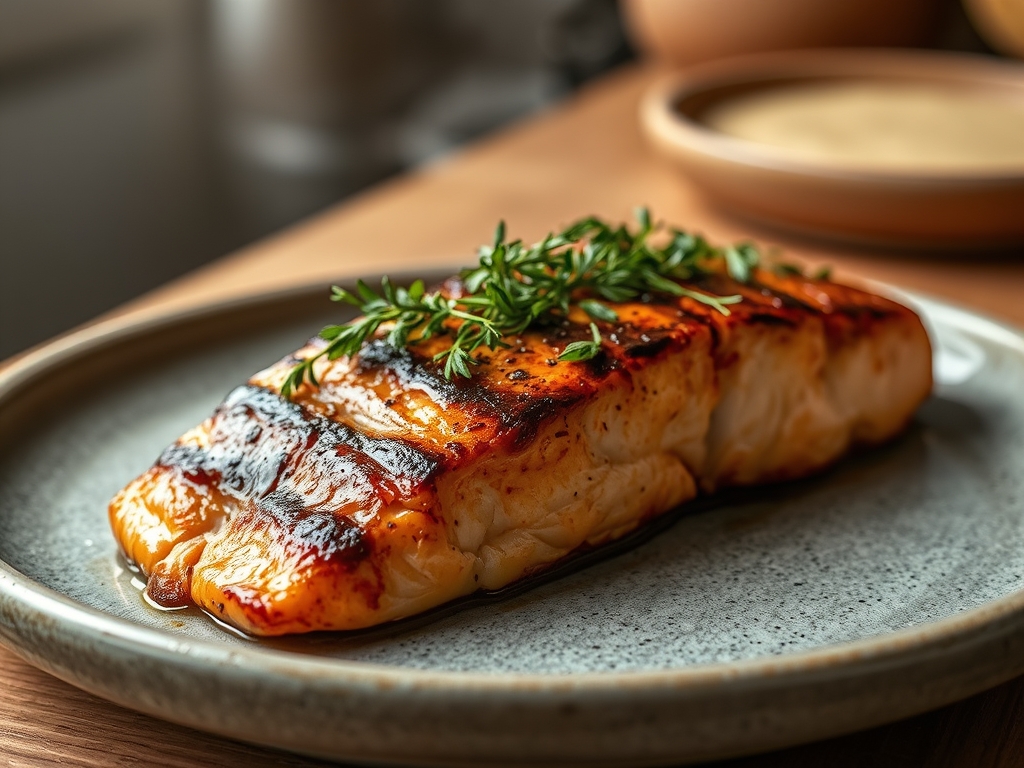
Imagine the scent of smoldering hickory meeting the buttery, oceanic richness of a fresh fillet. That first bite offers a lacquered, caramelized exterior that yields to a center so tender it practically dissolves. If you have been searching for bbq baked salmon recipes that actually deliver restaurant quality results, you are in the right place. We are moving beyond basic seasoning. We are diving into the molecular magic of high heat and sugar stabilization.
The secret to a perfect crust is not just the sauce; it is the science of moisture management. When we bake salmon with a barbecue profile, we are balancing the acidity of tomatoes, the sweetness of molasses, and the fat content of the fish. It is a delicate dance of chemistry that transforms a simple weeknight dinner into a gourmet event. Grab your apron; we are about to turn your kitchen into a high end smokehouse without the actual smoke.
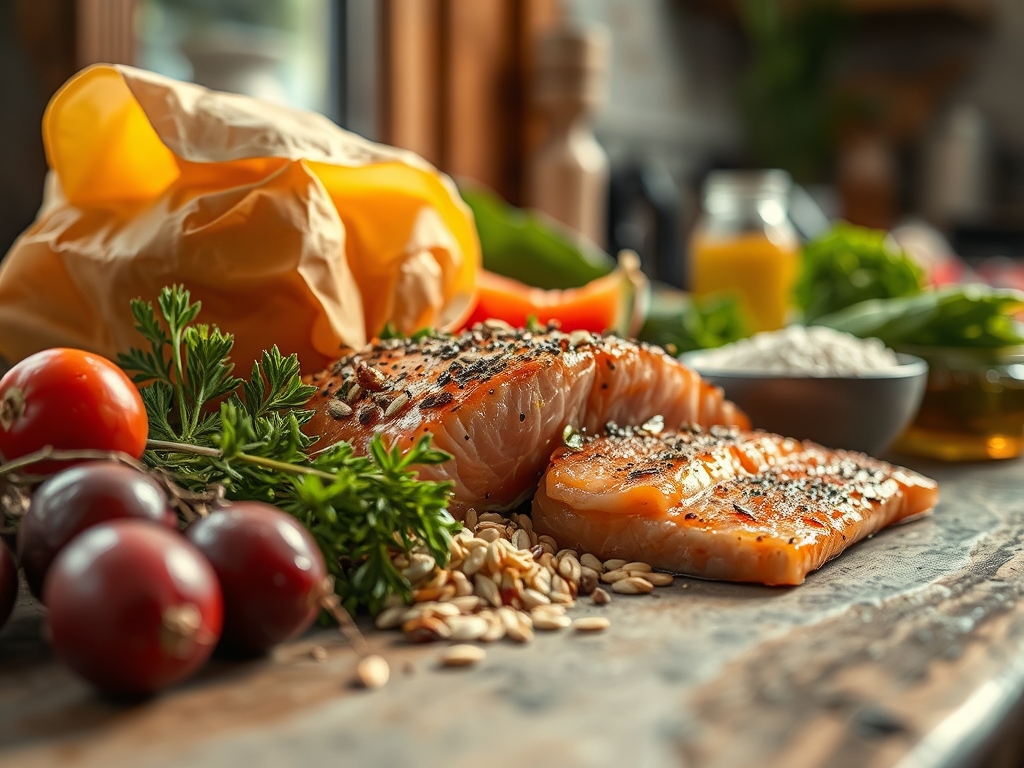
The Gathers:
To execute these bbq baked salmon recipes with precision, your mise en place must be impeccable. Start with a center cut Atlantic or King salmon fillet. You want a thickness of at least one inch to ensure the interior remains succulent while the exterior undergoes the Maillard reaction.
Your flavor profile relies on a viscous barbecue base. I prefer a blend of organic tomato paste, apple cider vinegar for a piquant kick, and dark brown sugar to provide the glucose necessary for caramelization. For the "smoky" element, use high quality liquid smoke or smoked paprika. Do not forget your aromatics; freshly grated garlic and ginger add a layer of complexity that bottled sauces lack.
Smart Substitutions:
If you are avoiding refined sugar, use maple syrup or honey. The fructose in honey browns faster than sucrose, so keep a close eye on the oven. For a soy free version, coconut aminos offer a similar salty, savory depth. If you do not have a microplane for your aromatics, a fine grater works, but the microplane ensures the garlic is fine enough to infuse the sauce without leaving bitter, burnt chunks on the fish.
The Clock
Efficiency in the kitchen is about the Chef's Flow. This entire process takes exactly 30 minutes if you follow this rhythm. Spend the first 10 minutes on prep. This includes patting the fish dry (moisture is the enemy of a good sear) and whisking your glaze in a small saucier.
The cook time is a tight 12 to 15 minutes at 400 degrees Fahrenheit. This high heat environment is essential for the glaze to set. The final 5 minutes are for the "Rest and Carryover." During this time, the internal temperature continues to rise by about 5 degrees while the proteins relax, locking in the juices. Use a digital scale to portion your fillets if you are meal prepping; uniformity is the key to consistent cooking times.
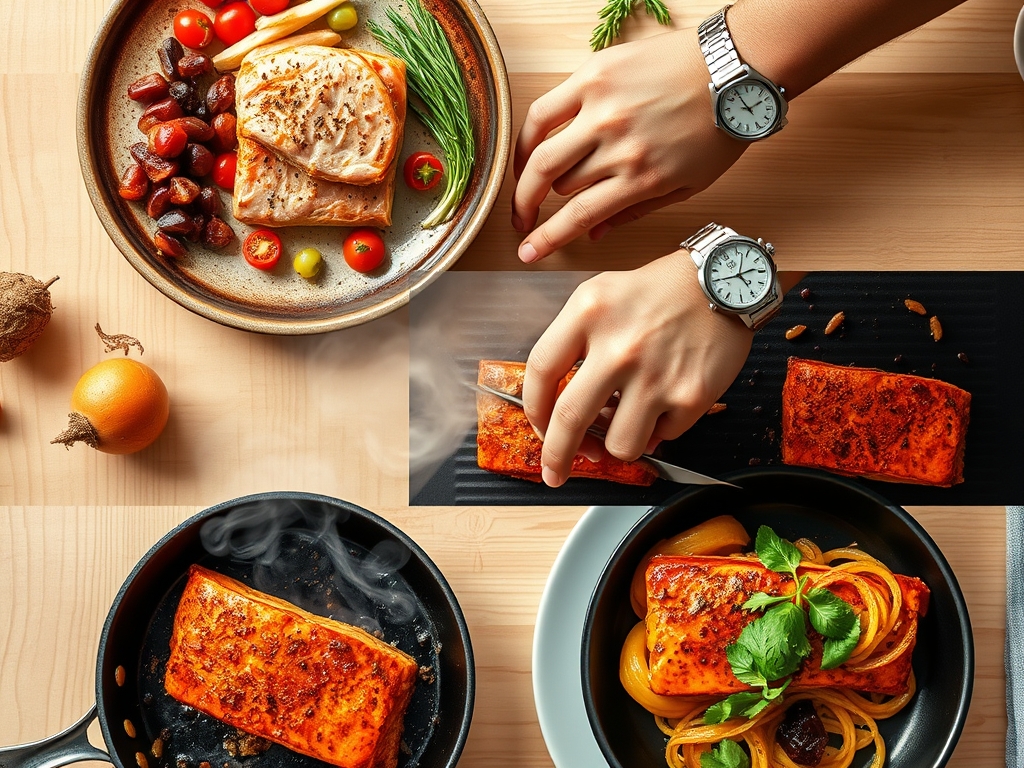
The Masterclass
1. The Desiccation Phase
Pat your salmon fillets with paper towels until the surface is completely matte. Moisture on the skin or flesh creates steam, which prevents the barbecue sauce from adhering properly. Use a bench scraper to move your fillets onto a parchment lined baking sheet with ease.
Pro Tip: This is about surface tension. A dry surface allows the fats in the fish to bond with the sugars in the sauce, creating a professional grade lacquer rather than a watery mess.
2. The Dry Rub Base
Before the wet sauce hits the fish, apply a light dusting of kosher salt and cracked black pepper. This draws out a tiny amount of surface protein, which helps the barbecue glaze "grip" the meat.
Pro Tip: Salt acts as a denaturant. It begins to break down the tight protein structures on the surface, making the final texture much more tender.
3. The Glaze Application
Using a silicone pastry brush, apply a thin, even layer of your barbecue mixture. Do not overdo it on the first pass. You want to aerate the sauce slightly as you brush to ensure an even coating.
Pro Tip: This first layer undergoes enzymatic browning. The sugars react with the fish's amino acids at 285 degrees Fahrenheit, creating those deep, savory flavor compounds we crave.
4. The High Heat Blast
Slide the tray into the center rack of your oven. The high temperature causes the fat in the salmon to render slightly, which mixes with the glaze to create a self basting effect.
Pro Tip: Use a digital thermometer to check the internal temperature. You are aiming for 125 degrees Fahrenheit for a perfect medium rare. Thermal carryover will take it to the safe 130 degree mark during the rest.
5. The Second Glaze Coat
Halfway through the cooking process, remove the tray and apply a second, thicker layer of sauce. This creates a multi layered flavor profile with both caramelized and "fresh" sauce notes.
Pro Tip: This technique is called layering viscosity. The first layer is the "glue," and the second layer provides the glossy, "wet" look seen in professional food photography.
6. The Broiler Finish
For the final 60 seconds, switch your oven to the broiler setting. Watch it like a hawk. You want the edges of the salmon to slightly char, mimicking the effect of an open flame grill.
Pro Tip: This is the caramelization stage. Sucrose breaks down into smaller volatile compounds, adding a nutty, complex bitterness that balances the sweetness of the sauce.
7. The Rest and Garnish
Remove the salmon and let it sit for five minutes. Garnish with something bright, like scallions or lime zest, to cut through the heavy, smoky flavors. Use tongs to gently plate the fish to avoid breaking the delicate flakes.
Pro Tip: Resting allows for reabsorption. The heat has pushed the juices to the center; resting allows them to redistribute to the edges, ensuring every bite is moist.
The Deep Dive
Macro Nutrition:
Salmon is a powerhouse of Omega-3 fatty acids and high quality protein. A 6 ounce serving typically contains 34 grams of protein and 20 grams of healthy fats. By making your own barbecue sauce, you control the glycemic index of the meal, keeping sugars low and nutrients high.
Dietary Swaps:
For a Keto version, replace the brown sugar with a monk fruit erythritol blend. For a Vegan alternative, this exact glazing technique works beautifully on thick slabs of cauliflower or firm tofu. Ensure you use a gluten free tamari if you are sensitive to wheat.
The Fix-It:
- White Albumin Oozing: If you see white "gunk" on the salmon, you are overcooking it. The protein is contracting too fast and squeezing out the moisture. Lower your heat next time.
- Soggy Skin: Ensure the skin side is bone dry and consider pre heating the baking sheet to sear the bottom instantly.
- Burnt Glaze: If the sauce burns before the fish is done, your sugar content is too high. Dilute the sauce with a teaspoon of water or oil.
Meal Prep:
To reheat, avoid the microwave. Use a heavy-bottomed skillet on low heat with a tablespoon of water and a lid. This creates a gentle steam environment that rehydrates the fish without making it rubbery.
The Wrap-Up
Mastering bbq baked salmon recipes is a total game changer for your weekly rotation. It is the perfect marriage of technical precision and soulful, smoky comfort. By understanding how heat interacts with sugars and proteins, you are no longer just following a recipe; you are conducting a culinary symphony. Now, get that oven preheated and prepare to impress yourself with the most succulent salmon you have ever tasted.
The Kitchen Table
Can I use frozen salmon for this recipe?
Yes, but you must thaw it completely in the refrigerator and pat it extremely dry. Frozen fish often retains extra moisture, which can dilute your barbecue glaze and prevent that perfect caramelized crust from forming.
What is the best wood smoke flavor for salmon?
Hickory and oak provide a robust, traditional barbecue flavor. However, for salmon, fruitwoods like apple or cherry are often preferred because their subtle sweetness complements the natural oils of the fish without overpowering the delicate meat.
How do I know when the salmon is done without a thermometer?
Press the top of the fillet gently with a fork or your finger. If the flakes separate easily along the white fat lines (the lamellae), the salmon is ready. It should feel firm but still have some "give."
Why is my barbecue sauce sliding off the fish?
This usually happens if the fish is too wet or if you applied oil before the sauce. Always pat the salmon dry and apply a dry rub first to create a "tacky" surface for the glaze to grip.