
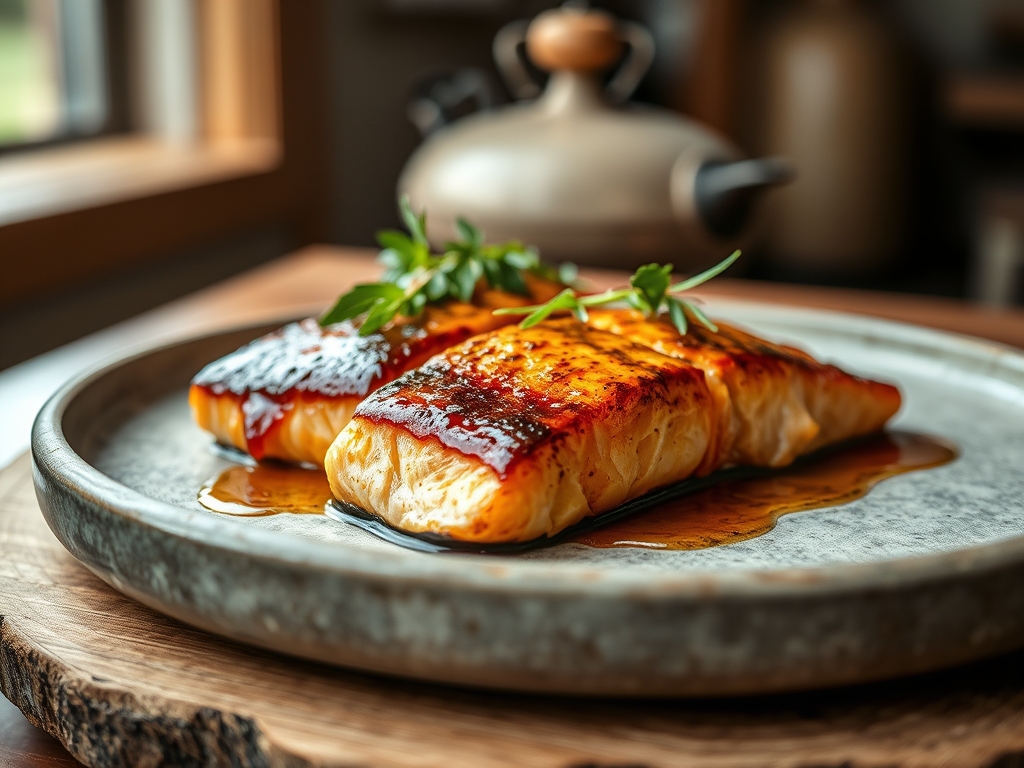
Imagine a slab of Atlantic salmon hitting the grates; the skin sizzles as the fat begins to render into a liquid gold. Within seconds, the air fills with the scent of toasted sesame and charred sugar. This is the magic of smoked teriyaki salmon recipes. We are not just cooking dinner; we are orchestrating a chemical transformation where salt, smoke, and sugar collide to create a crust that shatters under your fork to reveal a translucent, buttery center. It is the ultimate flex for any home cook who wants to master the balance of umami and heat.
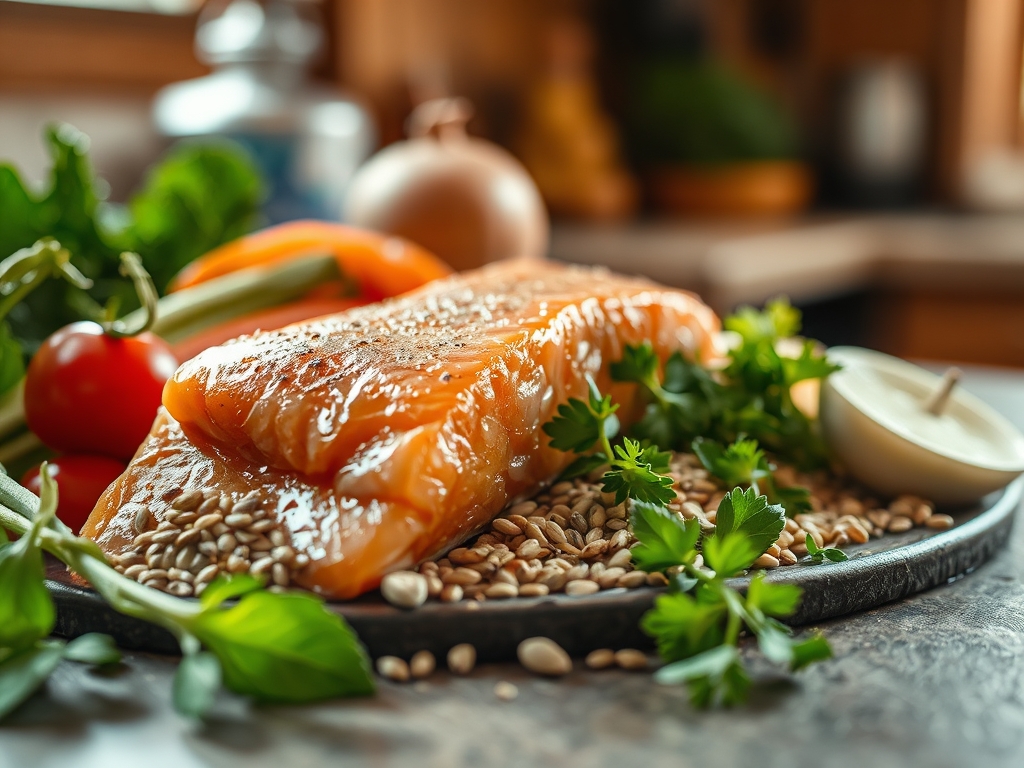
The Gathers:
To achieve a professional result, your mise-en-place must be precise. Start with a side of salmon; look for high intramuscular fat which ensures the fish remains succulent during the dehydration phase of smoking. You will need high-quality soy sauce for the base, which provides the glutamates necessary for that deep umami punch. Fresh ginger and garlic are non-negotiable; use a microplane to grate them into a fine paste to maximize surface area for flavor extraction. For the sweetness, brown sugar provides the molasses notes required for a viscous glaze, while a splash of mirin adds a piquant acidity that cuts through the fatty oils of the fish.
Smart Substitutions: If you are avoiding soy, coconut aminos offer a similar profile but with a lower sodium content. For the sweetener, honey can replace brown sugar, though it has a higher fructose content and will caramelize much faster. If you lack a traditional smoker, a heavy-bottomed skillet and high-quality liquid smoke can mimic the effect, though you will miss the depth of real wood fire. Always use a digital scale to measure your marinade ingredients; consistency is the hallmark of a great chef.
The Clock
Efficiency in the kitchen is about understanding the "Chef's Flow." Total active prep time is approximately 20 minutes, but the passive time is where the alchemy happens. You must allow for a 2-hour brine or marinade period to allow the salt to denature the proteins, which prevents the white albumin from leaking out during the cook. The actual smoking process takes between 60 to 90 minutes depending on the thickness of your fillets. Finally, a 10-minute rest is mandatory to allow the juices to redistribute through the muscle fibers. Total commitment: about 4 hours.
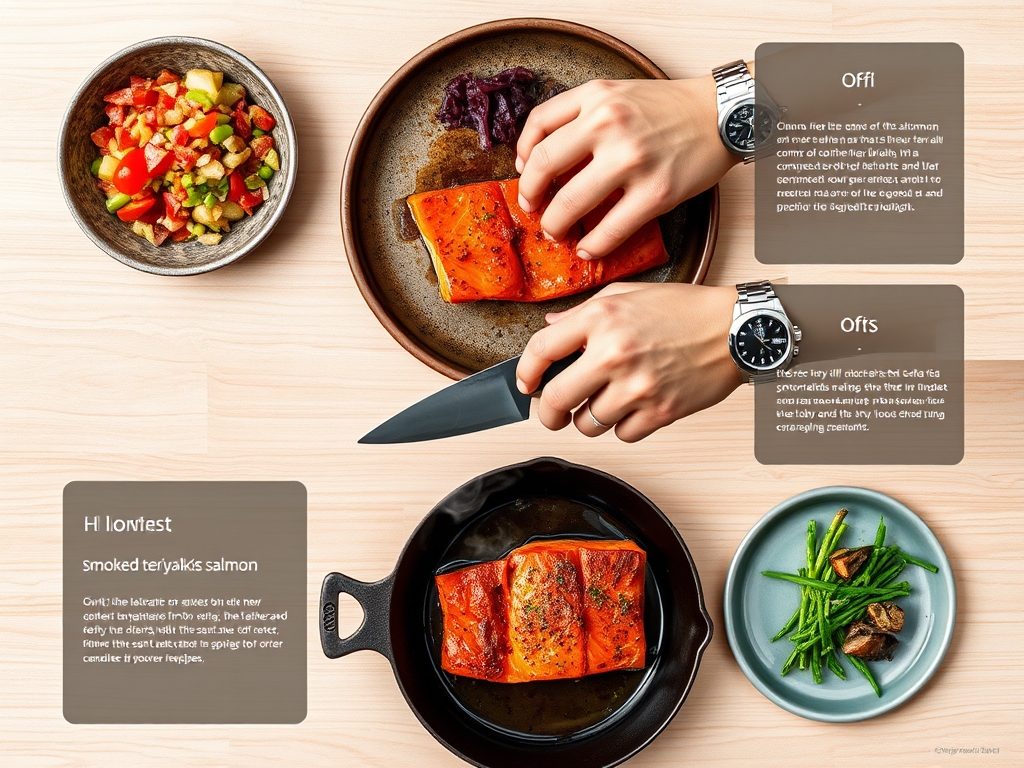
The Masterclass:
1. The Precision Slice
Using a sharp fillet knife or a bench scraper to guide your hand, portion the salmon into uniform four-ounce strips. Uniformity ensures that every piece reaches the target internal temperature at the exact same moment, preventing the smaller tail pieces from turning into sawdust while the center-cut remains raw.
Pro Tip: This is about thermal equilibrium. Smaller pieces have a higher surface-area-to-volume ratio, meaning they absorb heat faster. Keeping cuts consistent ensures even heat distribution across the entire batch.
2. The Osmotic Brine
Submerge your salmon in the teriyaki mixture. The salt in the soy sauce moves into the fish through osmosis, while the sugars stay on the surface to help form the pellicle, a sticky layer that smoke particles cling to.
Pro Tip: This process involves protein denaturation. The salt breaks down the tightly wound muscle fibers, allowing them to hold more moisture during the smoking process so the fish stays juicy.
3. Air-Drying for Texture
Place the marinated salmon on a wire rack over a baking sheet and refrigerate it uncovered for at least an hour. You want the surface to feel tacky to the touch. This is the secret to getting that beautiful, lacquered finish seen in professional smoked teriyaki salmon recipes.
Pro Tip: Creating the pellicle is a mechanical necessity. Without this sticky surface, the smoke would simply bounce off the fish rather than infusing into the flesh.
4. Setting the Smoke
Preheat your smoker to a steady 225 degrees Fahrenheit. Use a mild wood like alder or cherry. Strong woods like hickory will overwhelm the delicate fats of the salmon. Place the fillets skin-side down on the grates using tongs to avoid piercing the flesh.
Pro Tip: This stage utilizes low-temperature convection. By keeping the heat low, you prevent the fat from rendering too quickly, which keeps the Omega-3 oils trapped inside the meat.
5. The Glaze Application
In the final 20 minutes of cooking, use a silicone brush to apply a concentrated layer of teriyaki sauce. You want the sauce to be reduced in a saucier beforehand until it coats the back of a spoon.
Pro Tip: This triggers the Maillard reaction. The sugars in the glaze react with the amino acids in the fish under heat to create hundreds of new flavor compounds and a deep mahogany color.
6. Monitoring the Internal Temp
Use an instant-read thermometer to check the thickest part of the fillet. You are looking for 135 degrees Fahrenheit. The temperature will continue to rise once you remove it from the heat.
Pro Tip: This is called carryover cooking. The residual heat on the surface continues to move toward the center even after the fish is removed from the smoker, bringing the final temp to a perfect 145 degrees.
7. The Rest Period
Transfer the salmon to a room-temperature platter. Do not tent it with foil, as the trapped steam will soften the beautiful crust you just worked so hard to build.
Pro Tip: Resting allows for moisture reabsorption. As the proteins cool slightly, they firm up and trap the liquefied fats back into the cellular structure.
8. The Final Sear (Optional)
If you prefer a crispier skin, quickly place the fillets skin-side down in a heavy-bottomed skillet for 30 seconds over high heat just before serving.
Pro Tip: This brief exposure to high heat creates conductive searing, which crisps the skin without overcooking the delicate flesh above it.
9. The Garnish Flourish
Finish with a sprinkle of toasted sesame seeds and thinly sliced scallions cut on a sharp bias. The fresh green crunch provides a necessary textural contrast to the soft, smoky fish.
Pro Tip: This adds volatile aromatics. The heat from the salmon releases the oils in the scallions and sesame, hitting the diner's nose before they even take a bite.
The Deep Dive:
From a nutritional standpoint, this dish is a powerhouse. It is rich in high-quality protein and essential fatty acids. A standard serving contains roughly 350 calories, 25 grams of protein, and a significant dose of Vitamin D.
Dietary Swaps: For a Keto version, replace the brown sugar with an erythritol-based sweetener and use tamari to keep it Gluten-Free. For a vegan "salmon" alternative, you can use large planks of firm tofu or even steamed carrots, though the smoking time will be significantly reduced to avoid total dehydration.
The Fix-It:
- White Gunk (Albumin): If white spots appear on the fish, your heat is too high. Lower the smoker temp and brine longer next time.
- Dry Texture: You overcooked it. Pull the fish at 130 degrees next time to account for more carryover.
- Too Salty: You marinated for too long. Stick to the 2-hour window for thin fillets.
Meal Prep: To reheat without losing quality, avoid the microwave. Place the salmon in a covered dish with a tablespoon of water and heat in a 275-degree oven for 8 minutes. This creates a gentle steam environment that prevents the fats from oxidizing and turning "fishy."
The Wrap-Up:
Mastering smoked teriyaki salmon recipes is like learning a new language; once you understand the grammar of salt, smoke, and heat, you can communicate something truly special to your guests. It is a dish that looks effortless but tastes like hours of technical precision. Grab your wood chips, fire up the smoker, and get ready to serve the best salmon of your life. Your kitchen is now a laboratory of flavor.
The Kitchen Table:
How long does smoked salmon stay fresh?
When stored in an airtight container in the coldest part of your refrigerator, smoked salmon remains safe and delicious for up to five days. For longer storage, vacuum-seal and freeze it for up to three months without losing texture.
What is the best wood for smoking salmon?
Alder is the traditional choice for Northwest-style salmon because its light, sweet smoke does not mask the fish's natural flavor. Fruitwoods like apple or cherry are also excellent alternatives for a subtle, fruity finish that complements the teriyaki glaze.
Can I smoke salmon without a smoker?
Yes, you can use a charcoal grill by placing wood chunks on the coals and keeping the fish on the indirect heat side. Alternatively, use a stovetop smoker or a heavy cast-iron pan with a tight lid to trap wood chip smoke.
Why is my smoked salmon tough?
Toughness usually results from skipping the brine or overcooking. The brine hydrates the cells, while low temperatures prevent the muscle fibers from contracting too tightly. Always use a thermometer to pull the fish at 135 degrees Fahrenheit for a tender result.