
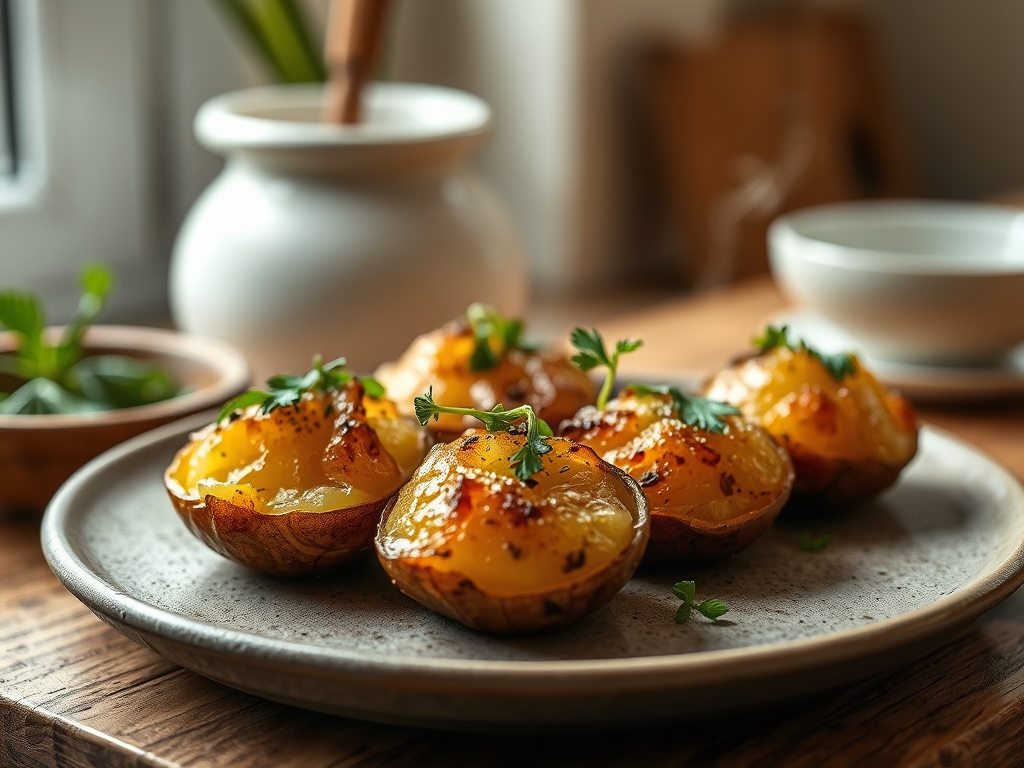
There is a specific, primal joy in the sound of a baby potato hitting a hot, buttered pan. It is a sharp sizzle that promises a creamy, velvet interior and a skin so crisp it shatters like glass. If you are hunting for easy small potato recipes, you have likely realized that these tiny tubers are the versatile workhorses of the kitchen. They are dense, waxy, and hold their shape under pressure, making them the perfect canvas for high-heat roasting or gentle poaching. We are moving past the days of bland, mealy spuds; today, we are using molecular chemistry to turn a simple side dish into the main event.
The secret to the perfect bite lies in the ratio of surface area to volume. Small potatoes offer more skin per cubic inch than their larger counterparts, which means more space for the Maillard reaction to work its magic. When you bite into a properly prepared fingerling or creamer potato, you should experience a distinct contrast: a savory, salt-crusted exterior followed by a buttery, almost custard-like center. This is not just cooking; it is engineering. Grab your favorite heavy-bottomed skillet and let us dive into the mechanics of the perfect spud.
The Gathers:
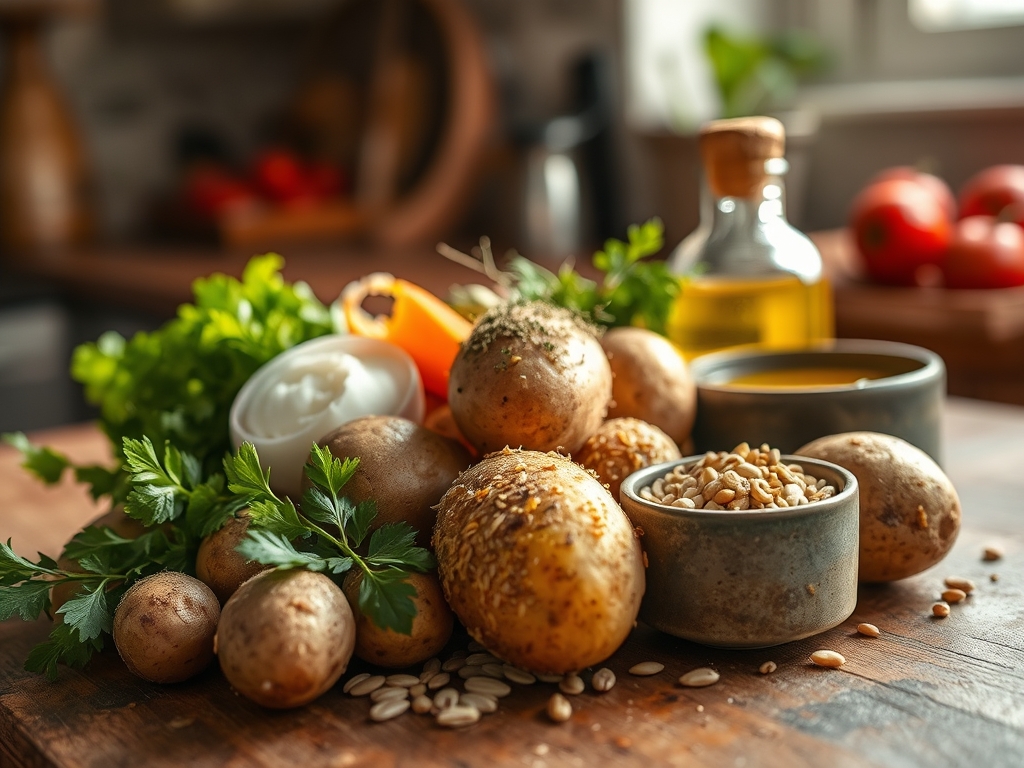
To execute these easy small potato recipes with precision, your mise-en-place must be intentional. Start with two pounds of waxy potatoes, such as Yukon Gold babies, Red Bliss, or French Fingerlings. These varieties have a low starch content and high moisture levels, which prevents them from disintegrating during the boiling phase. You will also need a high-smoke-point fat; avocado oil or clarified butter (ghee) is superior to standard butter here because we need to reach temperatures above 350 degrees Fahrenheit without the milk solids burning.
For the aromatic profile, gather fresh rosemary, thyme, and at least six cloves of garlic. We will use a microplane to zest a lemon for a hit of acidity and a digital scale to ensure our salt-to-potato ratio is exactly one percent by weight. Smart Substitutions: If you are avoiding nightshades, firm sunchokes offer a similar texture with a nuttier profile. For a vegan fat swap, use a refined coconut oil to achieve that same saturated-fat mouthfeel without the dairy. Ensure your herbs are bone-dry before they hit the oil to prevent steam from ruining your sear.
The Clock:
Efficiency in the kitchen is about "Chef's Flow," the art of overlapping tasks so no heat is wasted. Your total active prep time is exactly 12 minutes. The "Cold Start" boiling method takes 15 minutes, followed by a 5-minute steam-dry period. The final roasting or pan-searing phase requires 20 minutes of high-heat exposure.
Total time from pantry to plate is approximately 45 minutes. While the potatoes undergo their initial parboil, use that window to emulsify your herb oils or grate your hard cheeses. Never wait for the water to boil before you start chopping. By the time the timer dings for the potatoes to be drained, your heavy-bottomed skillet should already be preheating on the stove. This synchronization ensures that the potatoes transition from water to fat while their internal temperature is still high, maximizing crispness.
The Masterclass:
1. The Cold Start Parboil
Place your scrubbed potatoes in a pot of cold, heavily salted water. Starting with cold water ensures the potato heats evenly from the outside in, preventing the exterior from turning to mush before the center is tender.
Pro Tip: This prevents enzymatic browning by neutralizing the phenol oxidase enzymes early in the process, keeping the flesh bright and appetizing.
2. The Alkaline Boost
Add a half-teaspoon of baking soda to the boiling water. This raises the pH of the water, which breaks down the pectin on the surface of the potato.
Pro Tip: This creates a starchy slurry on the outside of the potato that, once roasted, dehydrates into an ultra-thick, glass-like crust.
3. The Steam Dry
Once fork-tender, drain the potatoes and let them sit in the colander for three minutes. Shake them vigorously to roughen up the edges.
Pro Tip: This utilizes evaporative cooling to remove surface moisture. If you put wet potatoes into hot oil, the energy goes into boiling off water rather than browning the skin.
4. The Smash Technique
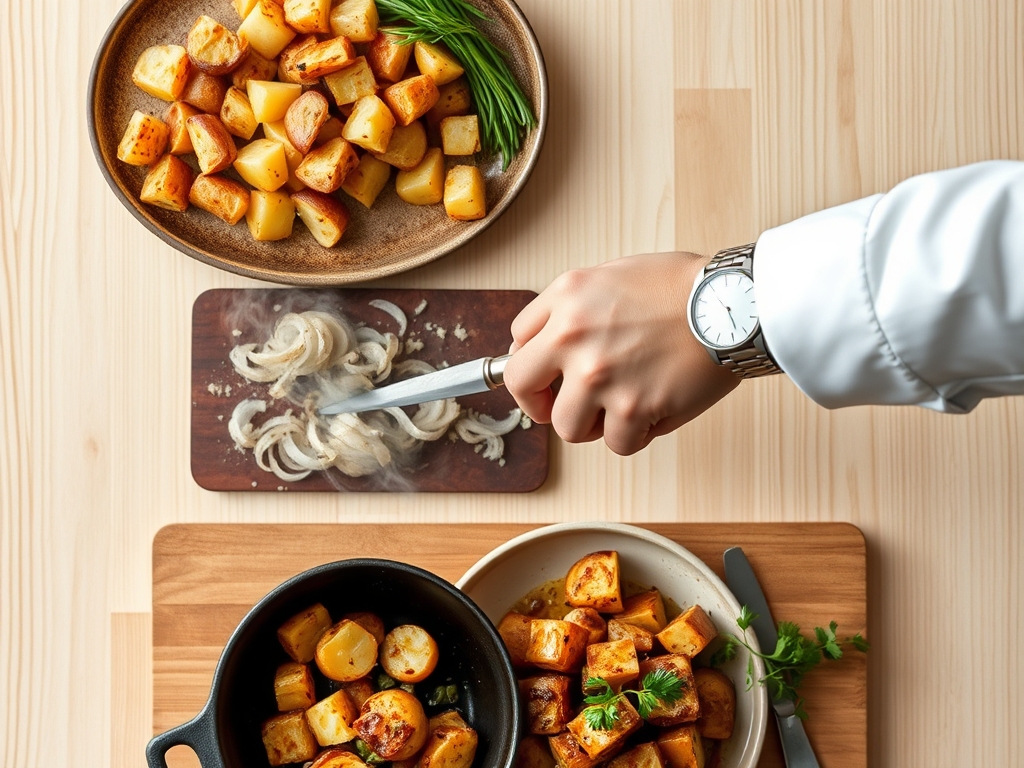
Use a bench scraper or the bottom of a heavy glass to gently press each potato until it is about half an inch thick. You want the skin to pop but the potato to remain in one piece.
Pro Tip: Increasing the surface area allows for more contact with the pan, accelerating the Maillard reaction across a larger plane.
5. The Fat Infusion
Heat your fat in the skillet until it shimmers. Add the potatoes in a single layer, ensuring they do not overlap.
Pro Tip: Crowding the pan causes the temperature to drop, leading to oil absorption rather than a sear; this results in a greasy rather than crispy texture.
6. The Aromatic Bloom
In the last three minutes of cooking, toss in your smashed garlic cloves and woody herbs.
Pro Tip: Fat is a solvent for flavor. The essential oils in the herbs are lipophilic, meaning they will dissolve into the cooking oil and deeply penetrate the potato skin.
7. The Acid Hit
Just before serving, use your microplane to shower the potatoes with fresh lemon zest and a splash of champagne vinegar.
Pro Tip: Acidity cuts through the viscous nature of the fats, brightening the heavy starch and balancing the palate.
8. The Carryover Rest
Transfer the potatoes to a wire rack rather than a paper towel.
Pro Tip: Thermal carryover continues to cook the center for a few minutes. A wire rack allows air to circulate, preventing steam from softening the bottom crust.
9. The Finishing Salt
Sprinkle with flaky sea salt while the potatoes are still glistening with oil.
Pro Tip: Large salt flakes provide a structural "crunch" and a burst of salinity that finer table salt cannot replicate.
10. The Emulsified Dip
Serve with a side of garlic aioli or a piquant chimichurri.
Pro Tip: A high-fat dip creates a luxurious mouthfeel by coating the tongue, which extends the finish of the herbal notes in the potato.
The Deep Dive:
From a macro perspective, small potatoes are nutritional powerhouses. They are naturally gluten-free and packed with potassium and Vitamin C. To keep this keto-friendly, focus on the "Smash" technique using radishes or cauliflower florets, which mimic the texture of easy small potato recipes with a fraction of the carbohydrates. If you are going vegan, swap the butter for a high-quality extra virgin olive oil to infuse the dish with polyphenols.
The Fix-It: If your potatoes are sticking, your pan wasn't hot enough or you tried to flip them too early; let the crust form fully before moving them. If they are bitter, you likely burnt the garlic; always add aromatics at the very end. If they are soggy, you skipped the steam-dry step. For meal prep, never microwave your leftovers. Reheat them in a 400-degree oven for eight minutes to aerate the crust and restore that "day-one" crunch.
The Wrap-Up:
Mastering easy small potato recipes is about more than just following a list; it is about understanding how heat and chemistry transform a humble root vegetable into a culinary masterpiece. By focusing on surface area, pH levels, and fat infusion, you can create a side dish that rivals any steakhouse. Now, take these hacks, grab your tongs, and go claim your title as the potato queen of the kitchen.
The Kitchen Table:
How do I make small potatoes crispy without deep frying?
Use the alkaline boiling method by adding baking soda to your water. This creates a starchy surface layer that dehydrates into a thick, crunchy crust when roasted with a high-smoke-point fat in a preheated oven or skillet.
Should I peel small potatoes for roasting?
Never peel them. The skins of small potatoes are thin and contain the most flavor. When roasted, the skin acts as a structural barrier that traps moisture inside, resulting in a creamy interior and a savory, toasted exterior.
What is the best oil for easy small potato recipes?
Use oils with high smoke points like avocado oil, grapeseed oil, or clarified butter. Avoid extra virgin olive oil for high-heat roasting, as it can smoke and turn bitter before the potatoes reach maximum crispness.
Why are my roasted potatoes soft instead of crunchy?
Softness usually results from excess moisture or crowding the pan. Ensure you steam-dry the potatoes after boiling and arrange them in a single layer with space between each spud to allow steam to escape during the roasting process.