
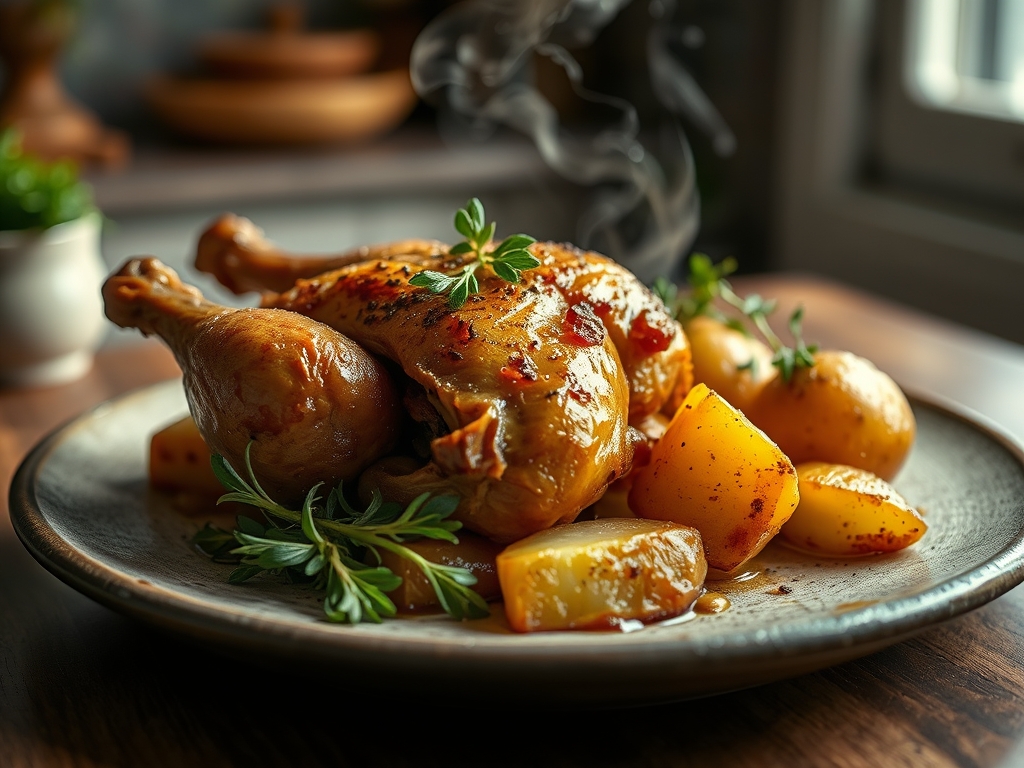
Picture the scene: you are standing in your kitchen at 6:00 PM with nothing but a grocery store bird and a bag of spuds. It sounds basic, but rotisserie chicken and potato recipes are the secret architecture of a stress free life. We are talking about the perfect marriage of salty, rendered poultry fat and the comforting, starchy embrace of a Yukon Gold.
The magic lies in the contrast. You have the crisp, Maillard-reacted skin of the chicken meeting the fluffy, cellular structure of a perfectly roasted potato. Whether you are tossing them into a heavy-bottomed skillet for a quick hash or layering them into a creamy gratin, these two ingredients are the ultimate culinary blank canvas. We are going to transform these humble staples into six distinct, high-end meals that taste like you spent hours at the saucier rather than twenty minutes at the counter. Grab your chef's knife and a glass of wine; we are about to turn "leftovers" into a technical masterpiece of flavor and texture.
The Gathers:
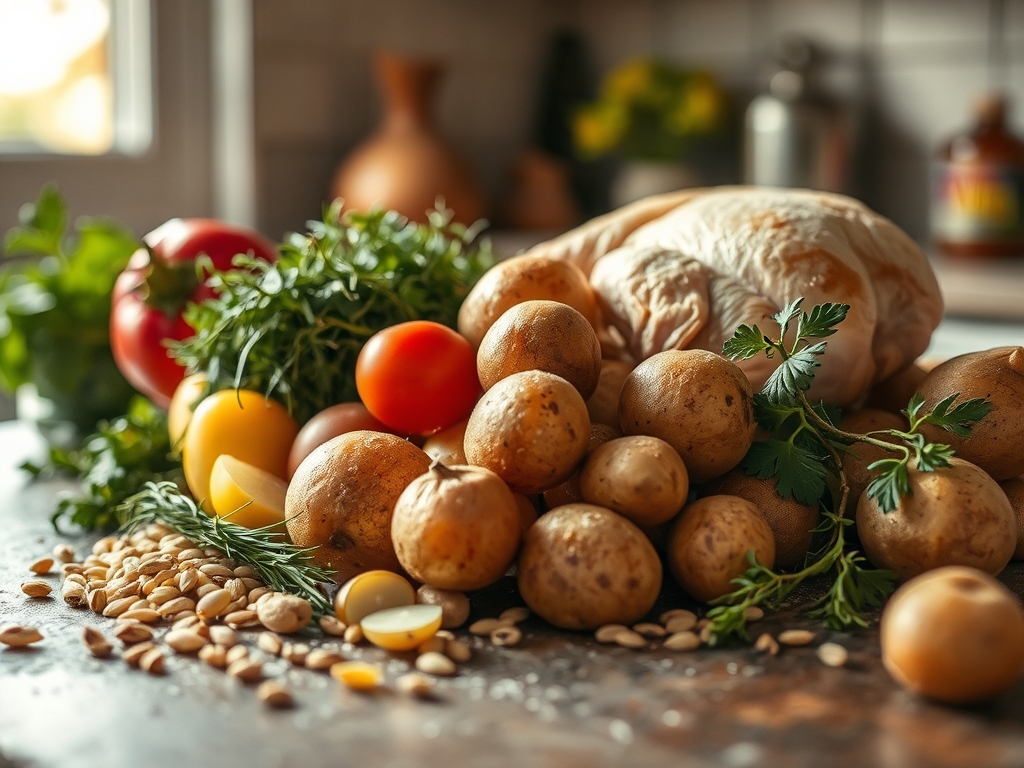
To execute these rotisserie chicken and potato recipes with precision, your mise-en-place must be flawless. Start with a high-quality rotisserie chicken; look for one with taut skin, which indicates it hasn't been steaming in its own plastic dome for too long. For the potatoes, variety matters. Use waxy red potatoes for salads where you need structural integrity, and starchy Russets for mashes where you want to maximize surface area for butter absorption.
You will also need a high-smoke-point fat like avocado oil or clarified butter to ensure you don't reach the acrid burn point during searing. Aromatics are non-negotiable: fresh rosemary, thyme, and at least four cloves of garlic. Use a microplane to zest a lemon for a hit of acidity that cuts through the heavy lipids of the chicken fat.
Smart Substitutions:
If you are out of fresh potatoes, high-quality frozen hash browns can work if you utilize a heavy-bottomed skillet to drive off excess moisture. No rotisserie chicken? Use thick-cut smoked turkey breast or even pan-seared halloumi for a vegetarian twist that maintains that salty, umami profile. If you find your sauce is too thin, a small amount of cornstarch slurry will create a viscous glaze that clings to every crevice of the poultry.
The Clock
Efficiency in the kitchen is about "Chef's Flow," which is the art of overlapping tasks to minimize downtime. For these recipes, your active prep time is a lean 15 minutes, with total cook times ranging from 10 to 30 minutes depending on the potato's state.
If you are starting with raw potatoes, par-boiling them in salted water is the ultimate time-saver; it softens the pectin so they crisp up in the pan in half the time. While the potatoes are par-cooking, use your tongs to shred the chicken into bite-sized morsels. By the time the potatoes are drained and ready for the skillet, your chicken is prepped, your aromatics are minced, and you are ready for the high-heat finish. This synchronized rhythm ensures that the chicken stays succulent while the potatoes reach peak crunch.
The Masterclass
1. The Crispy Chicken Hash
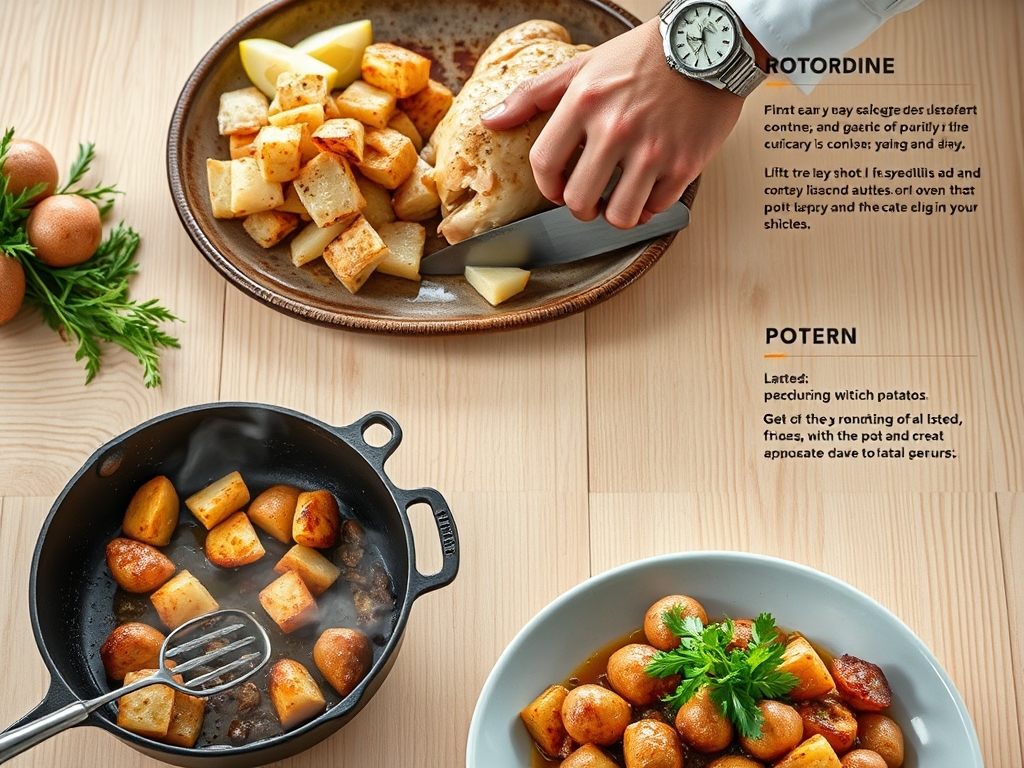
Start by cubing your potatoes into uniform half-inch pieces to ensure even heat distribution. Heat your skillet until the oil shimmers, then add the potatoes. Do not crowd the pan; crowding induces steaming rather than searing. Once the potatoes are golden, toss in the shredded chicken and a knob of butter.
Pro Tip: This relies on Maillard reaction optimization. By leaving the potatoes undisturbed for the first four minutes, you allow the amino acids and reducing sugars to create a complex, savory crust that provides a structural contrast to the soft chicken.
2. Creamy Chicken and Potato Chowder
Use a saucier to sauté onions and celery until translucent. Add diced potatoes and chicken stock, simmering until the starch begins to slough off the potatoes, naturally thickening the liquid. Stir in the shredded chicken and a splash of heavy cream at the very end to prevent curdling.
Pro Tip: This process utilizes starch gelatinization. As the potato granules swell and burst, they release amylose into the liquid, creating a velvety mouthfeel without the need for a heavy flour roux.
3. The Loaded Potato Chicken Bake
Slice par-boiled potatoes into rounds and layer them in a baking dish with shredded chicken, sharp cheddar, and green onions. Bake at 400 degrees Fahrenheit until the cheese is bubbling and the edges of the chicken skin turn brittle and delicious.
Pro Tip: Watch for thermal carryover. Remove the dish from the oven when the cheese is just melted; the residual heat trapped in the dense potatoes will continue to cook the interior for several minutes, preventing the chicken from drying out.
4. Mediterranean Chicken Potato Salad
Whisk together lemon juice, Dijon mustard, and extra virgin olive oil to create a stable emulsion. Toss warm, boiled potatoes with the dressing so they absorb the acid, then fold in the chicken, kalamata olives, and fresh parsley.
Pro Tip: This is a lesson in osmosis. Dressing the potatoes while they are hot allows the vinaigrette to penetrate the cell walls more deeply, resulting in a more flavorful interior compared to dressing cold potatoes.
5. Garlic Herb Chicken Smashed Potatoes
Boil small Yukon Golds until tender, then crush them flat with a bench scraper. Pan-fry them in garlic-infused oil until the edges are jagged and crisp, then top with warm rotisserie chicken and a dollop of Greek yogurt.
Pro Tip: The "smashing" technique increases the surface-area-to-volume ratio. More surface area means more contact with the hot oil, leading to an exponential increase in the crunchy, browned bits we crave.
6. Piquant Chicken and Potato Curry
Toast curry spices in dry heat to release essential oils, then deglaze with coconut milk. Add cubed potatoes and chicken, simmering until the sauce reduces to a thick, piquant glaze that coats the back of a spoon.
Pro Tip: This involves lipid-soluble flavor extraction. Many spices contain flavor compounds that only dissolve in fat; by toasting them in oil first, you ensure the flavor is evenly distributed throughout the entire dish.
The Deep Dive
When we look at the macro profile, these rotisserie chicken and potato recipes are a powerhouse of balanced nutrition. You are getting high-quality lean protein from the chicken and complex carbohydrates and potassium from the potatoes. To keep it light, stick to skinless breast meat and use olive oil instead of butter.
Dietary Swaps:
For a Keto version, swap the potatoes for roasted cauliflower florets; they mimic the texture while slashing the carb count. To make it Vegan, replace the chicken with chickpeas or soy-based "chicken" strips and use a vegan butter substitute. These recipes are naturally Gluten-Free, provided you check your chicken seasoning for hidden maltodextrin or wheat-based fillers.
The Fix-It:
- Soggy Potatoes: Usually caused by overcrowding. Fix it by removing half the potatoes and finishing them in batches to allow moisture to escape.
- Dry Chicken: This happens during reheating. Fix it by adding a tablespoon of chicken stock or water before microwaving to create a steam-chamber effect.
- Bland Sauce: Lack of acidity. Fix it with a squeeze of fresh lemon or a teaspoon of white wine vinegar to brighten the heavy fats.
Meal Prep Science:
To maintain "day-one" quality, store the chicken and potatoes in airtight glass containers. When reheating, use an air fryer at 350 degrees for five minutes. This recirculates hot air, re-crisping the potato skins and chicken fats that have solidified in the fridge, returning them to their original viscous and crunchy states.
The Wrap-Up
Mastering rotisserie chicken and potato recipes is about more than just convenience; it is about understanding how heat, fat, and starch interact to create something spectacular. By focusing on techniques like the Maillard reaction and starch gelatinization, you transform basic ingredients into gourmet fuel. These six pairings are your roadmap to a faster, tastier, and smarter kitchen routine. Now, go forth and sear, smash, and sauté your way to a perfect dinner!
The Kitchen Table
Can I use frozen potatoes for these recipes?
Yes, but ensure you thaw and pat them dry first. Removing surface moisture is essential for achieving a proper sear and avoiding a gummy texture in the final dish.
How do I keep the chicken from getting tough?
Add the chicken at the very end of the cooking process. Since rotisserie chicken is already fully cooked, you only need to reach a serving temperature of 165 degrees Fahrenheit.
Which potato is best for roasting with chicken?
Yukon Golds are the gold standard. They possess a middle-of-the-road starch content that allows them to crisp up beautifully while maintaining a creamy, buttery interior texture.
How long does rotisserie chicken stay fresh?
A store-bought bird lasts three to four days in the refrigerator. For the best flavor, de-bone the meat while it is still warm to prevent the fat from congealing.