
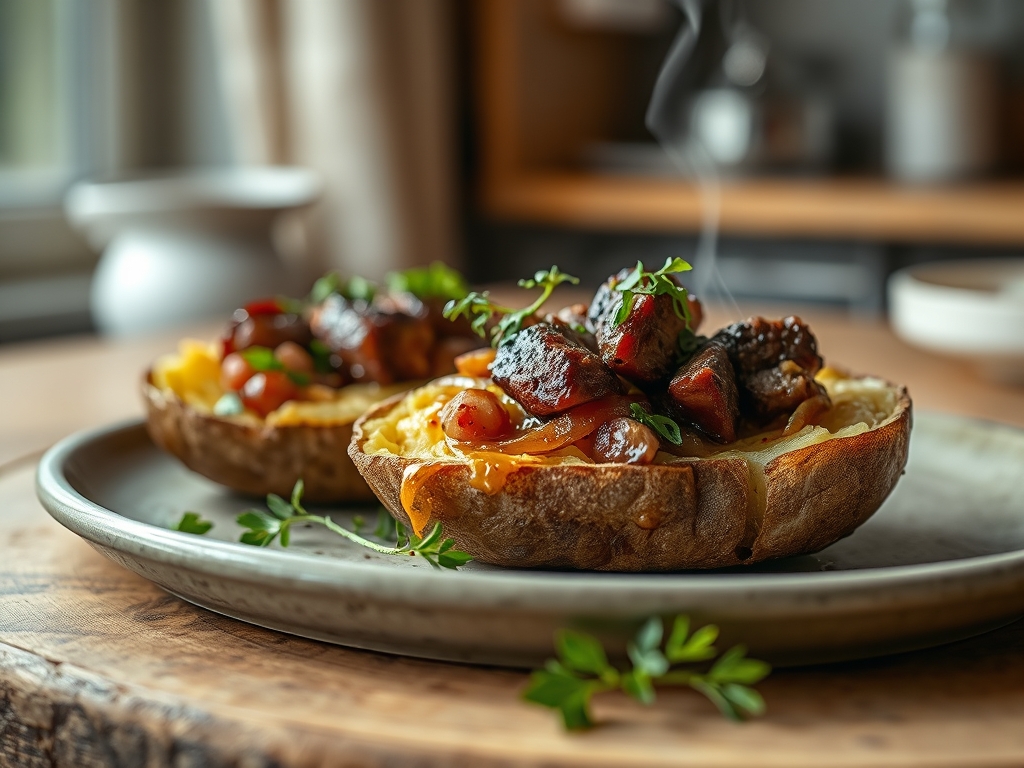
Imagine the scent of a Russet potato skin crisping in a high-heat oven; it is a heady mix of earthy starch and toasted minerals. When you slice that jacket open, a cloud of steam releases the aroma of fluffy, aerated starch granules just waiting for a savory upgrade. Mastering baked potato recipes with meat transforms a humble tuber into a high-protein masterpiece. Whether you are folding in silken braised short ribs or topping with crispy pancetta, the potato acts as a neutral canvas for complex lipid profiles and rich, savory umami. This is not just comfort food; it is a study in texture and thermal management. We are moving beyond the basic butter and chives to create seven distinct, meat-centric meals that utilize professional culinary techniques to ensure every bite is a balanced symphony of salt, fat, acid, and heat.
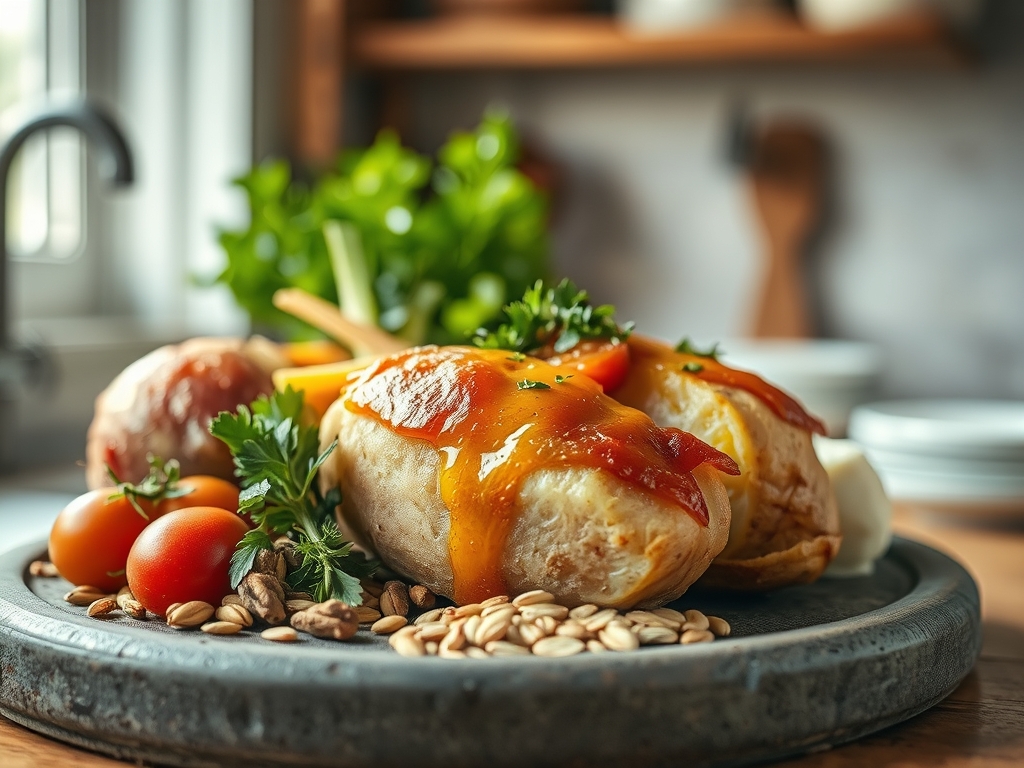
The Gathers:
To execute these baked potato recipes with meat, your mise-en-place must be precise. Start with high-starch Russets or Idaho potatoes. Their low moisture content is essential for that signature mealy, fluffy interior. For the proteins, gather high-quality cuts like thick-cut smoked bacon, lean ground sirloin, or leftover rotisserie chicken. You will need a saucier for creating emulsions and a heavy-bottomed skillet to achieve the Maillard reaction on your meats.
The pantry staples are equally vital. Use Maldon sea salt for its pyramidal structure and crunch; use high-fat European butter for a more viscous mouthfeel. For the "Smart Substitutions," if you lack a specific meat, consider the fat content. Swap duck confit for pulled pork to maintain a similar lipid profile. If you need a piquant kick without the heat, use smoked paprika or a dash of Worcestershire sauce to infuse the meat with deep, savory notes. Always keep a microplane handy for grating hard cheeses like aged Manchego or Parmesan, which provide a sharp contrast to the earthy potato.
The Clock
Efficiency in the kitchen relies on "Chef's Flow," which is the art of overlapping tasks to minimize downtime. A standard large Russet requires 60 to 75 minutes at 400 degrees Fahrenheit to reach an internal temperature of 210 degrees. While the potatoes undergo their starch gelatinization in the oven, you have a golden 45-minute window to prepare your meat fillings.
Start by rendering the fats in your skillet. If you are making a Bolognese-style stuffing, this is when you deglaze the pan with a dry red wine to lift those flavorful browned bits. By the time the potatoes emerge and undergo their five-minute rest period, your meats should be rested and your sauces thickened. This synchronized timing ensures the potato is at its thermal peak when the meat is added; preventing the dreaded soggy interior that occurs when cool fillings meet hot starch.
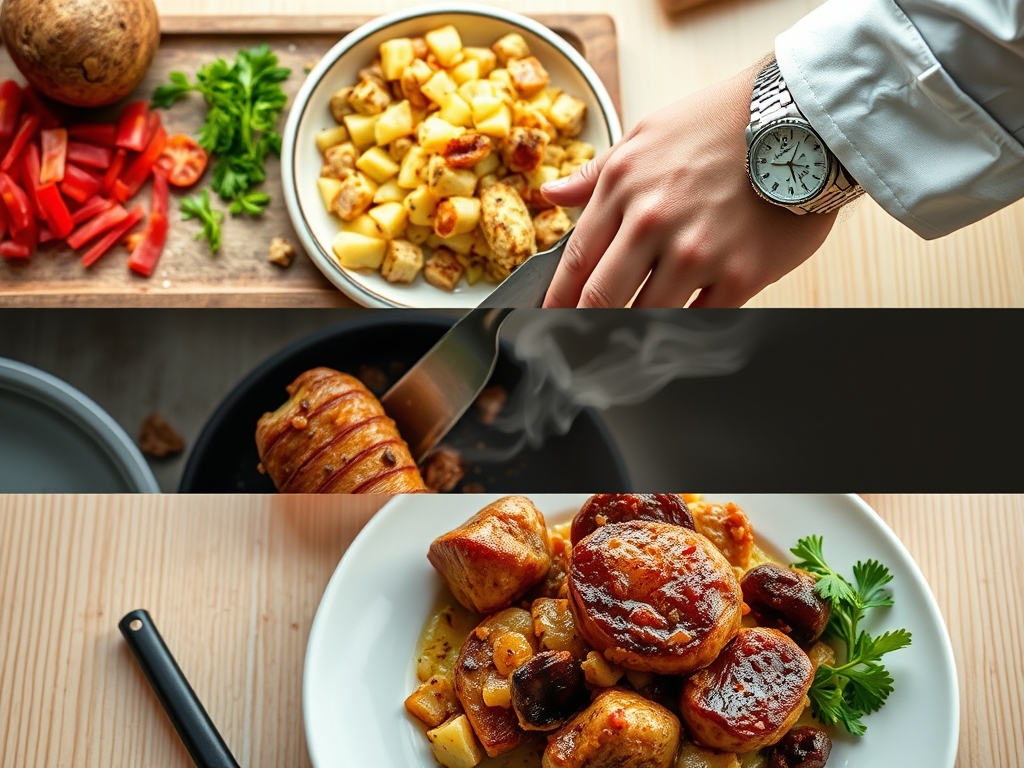
The Masterclass
1. The Surface Preparation
Scrub your potatoes and dry them thoroughly with a lint-free towel. Use a digital scale to ensure even sizing for consistent cooking times. Rub the skins with a high-smoke-point oil like avocado oil and a generous coating of kosher salt.
Pro Tip: This salt crust draws out surface moisture via osmosis, allowing the skin to dehydrate and become exceptionally crisp rather than leathery.
2. The Thermal Piercing
Prick the potatoes several times with a fork or a small paring knife. This creates vents for steam to escape during the heating process. Place them directly on the oven rack for maximum airflow.
Pro Tip: Failure to vent can lead to internal pressure buildup; allowing steam to escape prevents the potato from becoming gummy due to trapped moisture.
3. The Meat Searing
While the potatoes bake, use your heavy-bottomed skillet to sear your chosen meat. For ground beef or steak bites, do not crowd the pan. You want a high-heat sear to trigger the Maillard reaction, creating complex flavor compounds.
Pro Tip: Avoid moving the meat too early. Let the proteins bond and then release naturally to ensure a deep, caramelized crust.
4. The Fluffing Technique
Once the potatoes reach 210 degrees, remove them and immediately slice them lengthwise. Use a fork to aerate the interior, breaking up the starch clumps while the steam is still venting.
Pro Tip: This is the "Goldilocks" moment. If you wait too long, the steam condenses back into the starch, resulting in a dense, heavy texture.
5. The Lipid Integration
Add your room-temperature butter or heavy cream to the fluffed potato before adding the meat. This coats the starch granules in fat, preventing them from sticking together and creating a velvet-like consistency.
Pro Tip: Using room-temperature fats prevents a "thermal shock" that can cause the potato starch to seize and become grainy.
6. The Meat Stuffing
Layer your prepared meat into the center of the potato. If using a sauce-heavy meat like BBQ pulled pork, use a bench scraper to keep your workspace clean and a slotted spoon to control the amount of liquid.
Pro Tip: The meat acts as a heat sink. Ensure your meat is piping hot to maintain the overall temperature of the dish during assembly.
7. The Final Broil
Top with cheese and place the stuffed potatoes under the broiler for 2 to 3 minutes until the cheese is bubbling and slightly browned.
Pro Tip: This final blast of heat creates "enzymatic browning" on the cheese, adding a nutty, toasted flavor profile that complements the savory meat.
The Deep Dive
From a macro perspective, baked potato recipes with meat are a powerhouse. A medium potato provides roughly 160 calories of complex carbohydrates; adding 4 ounces of lean beef or chicken brings the protein count to approximately 30 grams. For dietary swaps, Keto followers can substitute the potato with roasted cauliflower heads. For a Vegan version, use "meaty" king oyster mushrooms sautéed with liquid smoke and soy sauce to mimic the umami of bacon.
"The Fix-It" section:
- Soggy Skin: This usually happens if you wrap the potato in foil. Foil traps steam. Fix: Always bake naked on the rack.
- Bland Interior: If the potato tastes flat, it lacks acid. Fix: Add a squeeze of lemon or a teaspoon of sour cream to the meat mixture to brighten the flavors.
- Dry Meat: Overcooked lean meats can feel chalky. Fix: Incorporate a small amount of beef bone broth or a saucier-made reduction to reintroduce moisture.
For meal prep, never microwave a whole leftover potato. The starch will become rubbery. Instead, scoop out the filling and reheat the meat and potato separately in a skillet, or air-fry the potato skin at 350 degrees for five minutes to restore the "day-one" crunch.
The Wrap-Up
You are now officially a potato pro. By understanding the science of starch and the chemistry of searing meat, you have elevated a simple pantry staple into a gourmet experience. These seven baked potato recipes with meat are more than just meals; they are a masterclass in balancing textures and flavors. Grab your tongs, fire up that oven, and let the Maillard reaction do the heavy lifting. Your kitchen is about to smell incredible.
The Kitchen Table
How do I get the fluffiest potato interior?
Always bake until the internal temperature hits 210 degrees Fahrenheit. Immediately slice and fluff with a fork to release steam. This prevents the starch from hydrating into a gummy mass, ensuring a light, cloud-like texture every time.
What is the best meat for a baked potato?
High-fat, savory meats like ribeye strips, pulled pork, or crispy bacon work best. The rendered fat from the meat soaks into the potato starch, creating a self-saucing meal that is rich in umami and incredibly satisfying.
Should I wrap my potatoes in foil?
No. Wrapping in foil steams the potato rather than baking it, resulting in wet, leathery skin. For a truly crisp exterior, rub the skin with oil and salt and bake directly on the oven rack to allow for airflow.
Can I make these ahead of time?
Yes, but store the meat and potatoes separately. Reheat the potato in an air fryer or oven to maintain skin crispness. Combine with the heated meat just before serving to ensure the textures remain distinct and professional.