
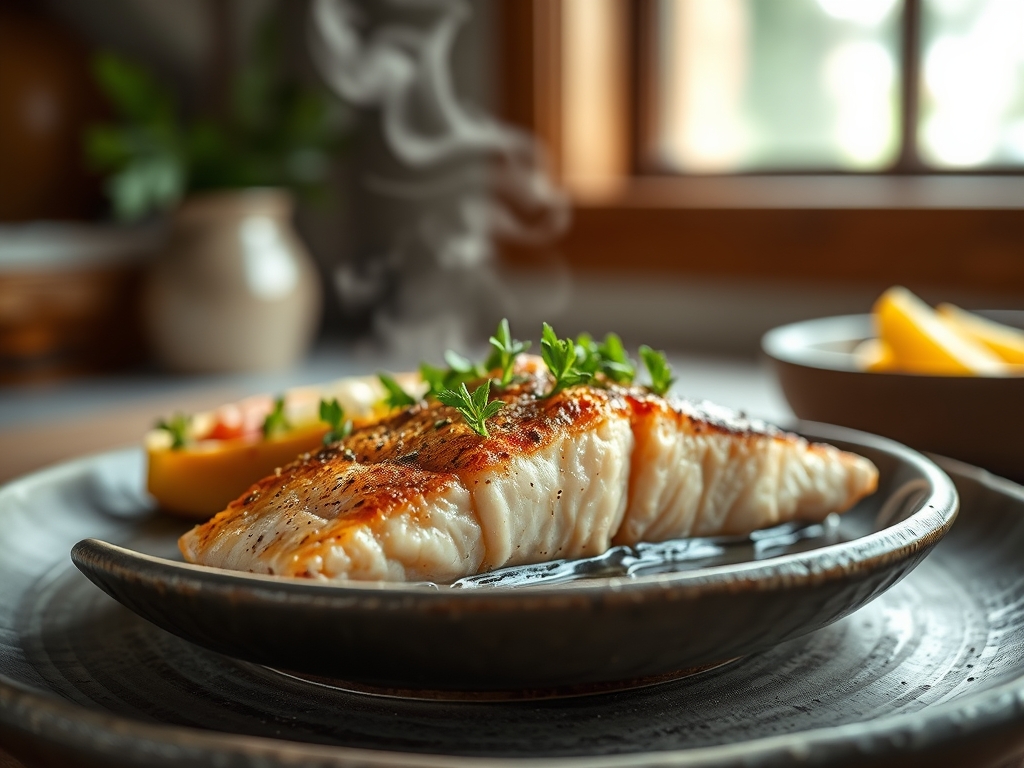
Imagine a heavy-bottomed skillet screaming at the touch of a cold oil droplet while the scent of citrus and toasted chilies fills your lungs. This is the sensory theater of peruvian salmon recipes; a world where the buttery richness of cold water fish meets the high-voltage electricity of the Andes. We are moving beyond the basic pan-sear and diving into a culinary landscape defined by bold acidity and deep, earthy heat.
Peruvian cuisine is a masterclass in global fusion. It marries indigenous Incan ingredients with Japanese precision and Spanish flair. When you apply these techniques to salmon, something magical happens to the proteins. The high fat content of the fish acts as a perfect vehicle for the piquant punch of aji amarillo and the bright, floral notes of fresh lime. We are not just cooking dinner tonight; we are orchestrating a chemical reaction that balances salt, fat, acid, and heat in a way that will make your standard lemon-pepper fillets feel like a distant, dusty memory. Grab your apron and your sharpest chef knife. We are about to transform your kitchen into a Lima-inspired laboratory of flavor.
The Gathers:
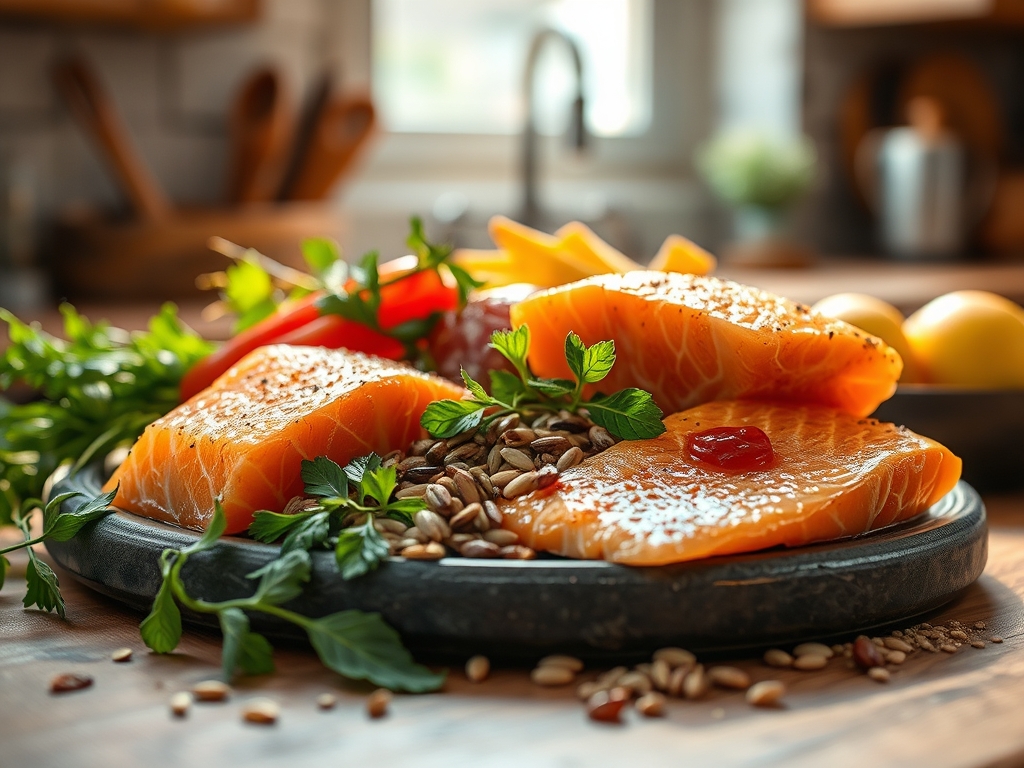
To execute these peruvian salmon recipes with precision, your mise-en-place must be impeccable. You will need high-quality salmon fillets, preferably skin-on to maximize texture through lipid rendering. The star of the show is the Aji Amarillo paste. This is a sun-drenched yellow chili that offers a medium heat profile but a deeply fruity, almost berry-like aroma. You will also need fresh ginger, garlic, and a bottle of high-quality soy sauce to tap into the "Chifa" (Chinese-Peruvian) tradition.
Your tool kit should include a microplane for aerating your aromatics and a digital scale to ensure your marinade ratios are scientifically sound. For the acids, look for limes that feel heavy for their size; this indicates a high juice-to-pith ratio. If you cannot find Aji Amarillo, a smart substitution is a blend of habanero for heat and yellow bell pepper for color and sweetness. For the "Nikkei" style dishes, ensure you have toasted sesame oil and rice vinegar on hand. The goal is to create a viscous marinade that clings to the fish without drowning the delicate flakes.
The Clock
Efficiency in the kitchen is all about "Chef's Flow." For these peruvian salmon recipes, expect a total prep time of 20 minutes and a cook time of approximately 10 to 12 minutes depending on the thickness of your fillets. The flow begins with the marinade. By preparing your liquids first, you allow the volatile oils in the spices to infuse into the acid.
While the fish marinates for a brief 15 minutes (any longer and the citric acid will begin to "cook" the fish into a ceviche texture), you can prep your garnishes. This includes thinly sliced red onions soaked in ice water to remove their sulfurous bite and fresh cilantro. The actual cooking process is rapid. Whether you are searing or broiling, the high sugar content in Peruvian marinades means the Maillard reaction happens quickly. Keep your tongs ready and your eyes on the clock to avoid over-coagulating the proteins.
The Masterclass
1. The Acidic Infusion
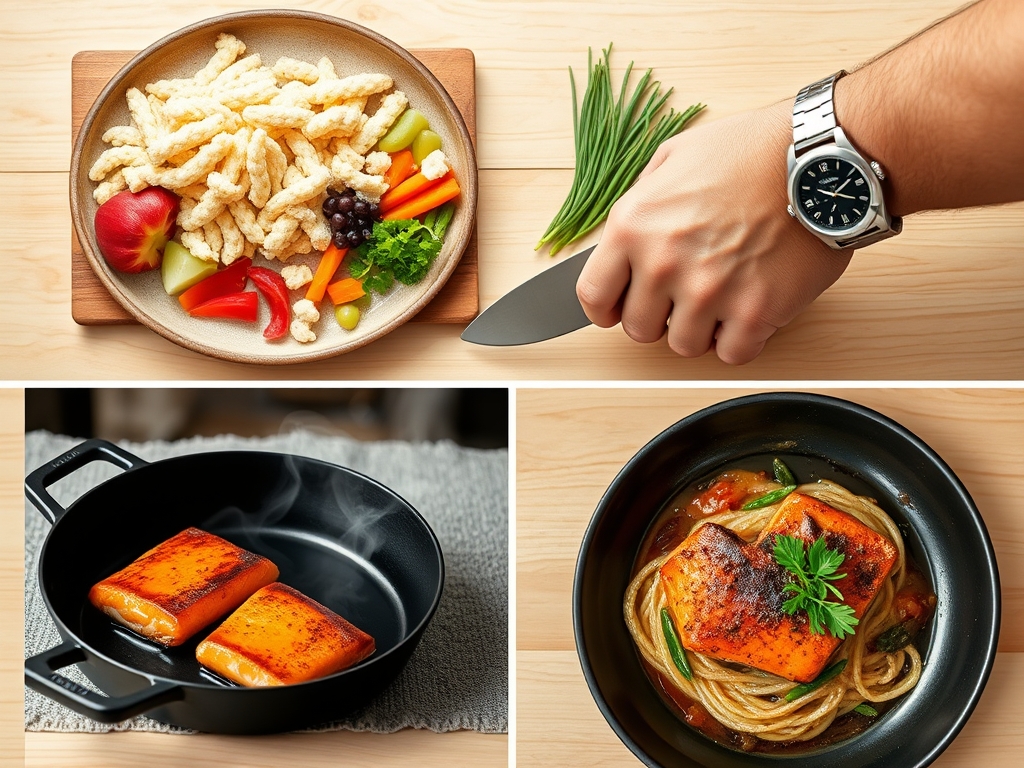
Start by whisking your aji amarillo, lime juice, and grated ginger in a small saucier. Place your salmon fillets in a shallow glass dish and coat them thoroughly. Note the texture in the step-by-step photos below; the marinade should look like a thick glaze rather than a thin soup.
Pro Tip: This stage utilizes denaturation. The acid begins to break down the tight protein chains on the surface of the fish, allowing flavors to penetrate deeper than a standard dry rub ever could.
2. The High-Heat Sear
Heat a heavy-bottomed skillet over medium-high heat until the oil reaches its smoke point. Lay the salmon skin-side down. Use a fish spatula to press the fillet firmly against the pan for the first 30 seconds to prevent the skin from curling.
Pro Tip: Pressing the fish ensures even heat distribution, which facilitates the Maillard reaction. This is the chemical dance between amino acids and reducing sugars that creates that savory, golden-brown crust.
3. The Glaze Reduction
Once you flip the fish, pour the remaining marinade into the pan. As the liquid hits the hot surface, it will begin to bubble and reduce. Use a spoon to continuously baste the top of the salmon with this intensifying nectar.
Pro Tip: This is called deglazing. The liquid picks up the "fond" (the browned bits) from the bottom of the pan, incorporating those concentrated flavors back into the sauce for a more complex profile.
4. The Rest and Carryover
Remove the salmon from the heat when the internal temperature hits 125 degrees Fahrenheit. Transfer it to a warm plate and let it rest for at least three minutes before serving.
Pro Tip: Do not skip the rest. Thermal carryover will continue to cook the fish by another 5 to 10 degrees. Resting also allows the muscle fibers to relax, meaning the juices stay inside the fish instead of running all over your plate.
5. The Fresh Garnish
Top your finished salmon with "Salsa Criolla"—a mix of lime-marinated red onions, cilantro, and sliced chilies. This adds a necessary crunch and a secondary hit of acidity to cut through the richness of the fish.
Pro Tip: The cold garnish creates a sensory contrast. The temperature difference between the hot, seared fish and the cold, crisp onions triggers a more intense neurological response, making the dish taste more vibrant.
6. The Final Plating
Drizzle any remaining pan sauce over the dish. Use a bench scraper to tidy up your workspace as you prepare to serve. A final dusting of smoked paprika or a squeeze of fresh lime provides the finishing touch.
Pro Tip: This final hit of acid acts as a flavor enhancer. Much like salt, citric acid brightens the perception of other flavors by stimulating the salivary glands and preparing the palate for the next bite.
The Deep Dive
From a nutritional standpoint, these peruvian salmon recipes are powerhouses. You are looking at roughly 35 grams of protein per serving, loaded with Omega-3 fatty acids which are essential for brain health. The aji amarillo provides a significant dose of Vitamin C and capsaicin, which can boost metabolic rate.
If you are following a specific diet, these recipes are incredibly flexible. For a Keto version, simply swap the honey or sugar in the marinade for a monk fruit sweetener. For Vegan guests, the same Peruvian marinade works beautifully on thick slabs of roasted cauliflower or firm tofu. If you are Gluten-Free, ensure your soy sauce is replaced with tamari or liquid aminos.
The Fix-It:
- Soggy Skin: Your pan wasn't hot enough. Ensure the oil is shimmering before the fish makes contact.
- Curled Fillets: You didn't score the skin or press down with a spatula. Next time, make three shallow cuts in the skin to allow for expansion.
- Broken Sauce: If your glaze separates, whisk in a teaspoon of cold water or a knob of butter to re-emulsify the fats and liquids.
Meal Prep: To reheat salmon without it becoming rubbery, avoid the microwave. Use the "low and slow" method in a toaster oven at 275 degrees with a splash of water covered in foil. This creates a steam-chamber effect that preserves the delicate protein structure.
The Wrap-Up
Mastering peruvian salmon recipes is about more than just following a set of instructions; it is about embracing a philosophy of bold, unapologetic flavor. By understanding the science of acidity and the mechanics of a perfect sear, you have leveled up your culinary game. You now have the tools to turn a simple piece of seafood into a vibrant, restaurant-quality masterpiece that celebrates the soul of the Andes. Now, pour yourself a glass of crisp white wine, call your friends to the table, and enjoy the fruits of your scientific labor!
The Kitchen Table
Can I use frozen salmon for these recipes?
Yes; however, you must thaw it completely in the refrigerator and pat it extremely dry with paper towels. Excess moisture is the enemy of a crisp sear and will cause the fish to steam rather than brown.
What is aji amarillo and where do I find it?
It is a Peruvian yellow chili paste. You can find it in the ethnic aisle of most major grocery stores or at Latin markets. It provides a unique balance of fruity flavor and manageable heat that is essential for authenticity.
How do I know when the salmon is perfectly cooked?
The most reliable method is using a digital thermometer to reach 130 degrees Fahrenheit. Visually, the fish should be opaque on the outside and flake easily with a fork while remaining slightly translucent and moist in the center.
How long can I store leftover Peruvian salmon?
Leftovers will stay fresh in an airtight container in the refrigerator for up to two days. For the best texture, repurpose cold leftovers into a salad or a wrap rather than reheating them to avoid overcooking the delicate proteins.