
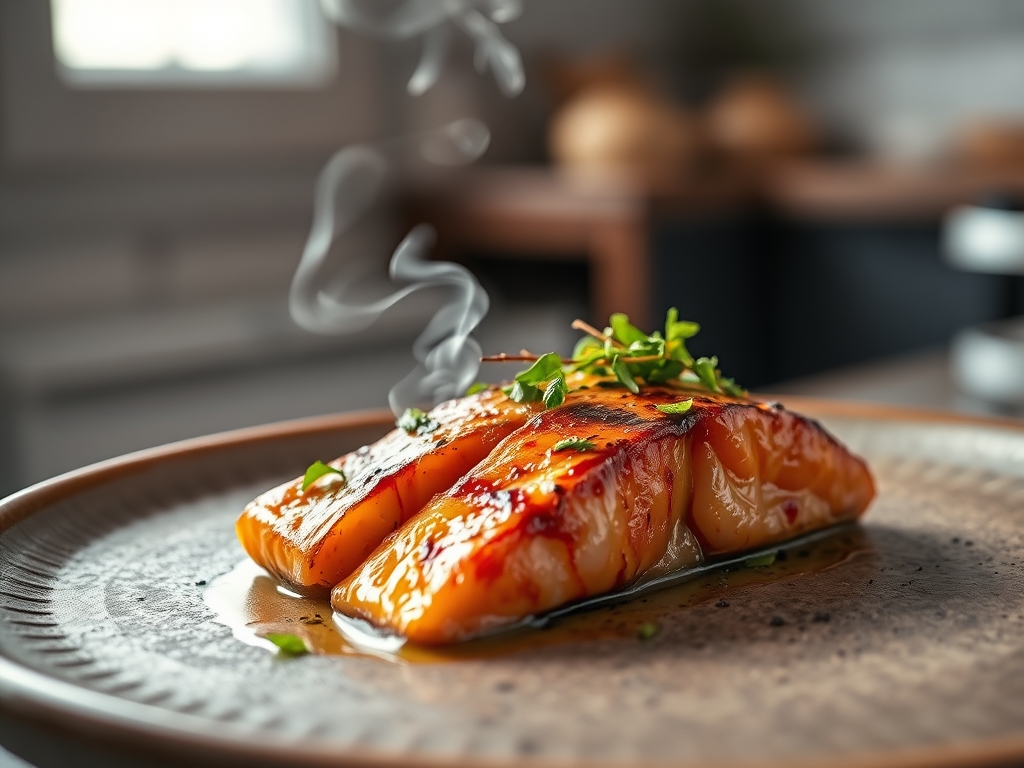
The scent hits you before the sound does; it is the sharp, bright sting of capsaicin meeting the rich, buttery aroma of rendering fish fat. If you are tired of the same old lemon and dill routine, these jalapeno salmon recipes are about to become your new kitchen obsession. We are talking about a perfect marriage of heat and omega-3 richness that transforms a standard weeknight dinner into a high-end bistro experience.
Salmon is a unique protein because its high fat content acts as a thermal buffer and a flavor carrier. When you introduce the piquant oils of a fresh jalapeno, the heat does not just sit on top; it infuses into the flesh, cutting through the richness with surgical precision. Whether you prefer a crusty sear or a delicate parchment steam, the chemistry of the chili remains the star. We are going to explore how to manipulate temperature and texture to ensure your fish is never dry and your spice level is always intentional. Grab your favorite apron and a sharp knife; we are diving into the molecular magic of the perfect spicy sear.
The Gathers:
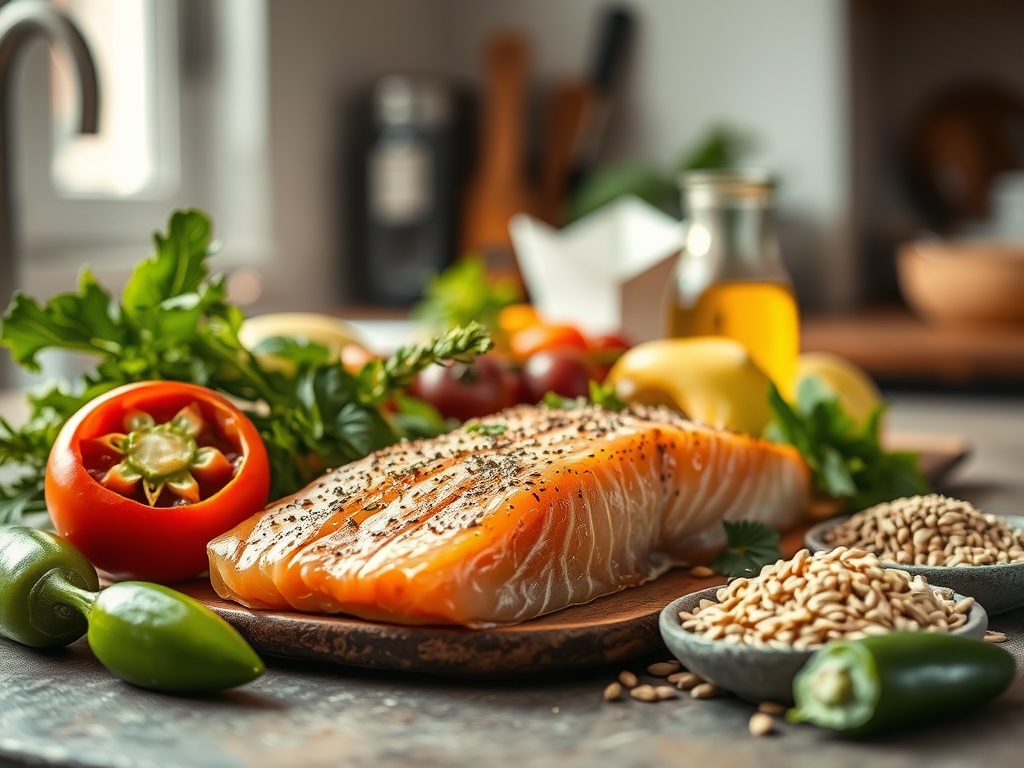
To execute these jalapeno salmon recipes with precision, your mise-en-place must be impeccable. Start with center-cut Atlantic or King salmon fillets, weighing approximately six ounces each. Look for vibrant color and firm flesh; this indicates high cellular integrity. For the heat, you need firm, glossy jalapenos. If you want more intensity, look for "stretch marks" or white striations on the skin, which signal a higher concentration of capsaicin.
Your secondary players include high-smoke-point fats like avocado oil or clarified butter. Avoid extra virgin olive oil for searing, as its low smoke point will cause it to break down and turn bitter. You will also need an acid to balance the profile; fresh lime juice is non-negotiable here. Use a microplane to zest the citrus, ensuring you only capture the aromatic oils in the flavedo without the bitter white pith.
Smart Substitutions:
If jalapenos are too mild for your palate, swap in serrano peppers for a sharper, more immediate heat. For a milder version, remove the seeds and the white placental ribs, which contain the highest density of capsaicin. If you are avoiding dairy, sub the finishing butter for a dollop of viscous coconut cream to maintain that luxurious mouthfeel.
The Clock: 15 Minutes Prep | 12 Minutes Cook
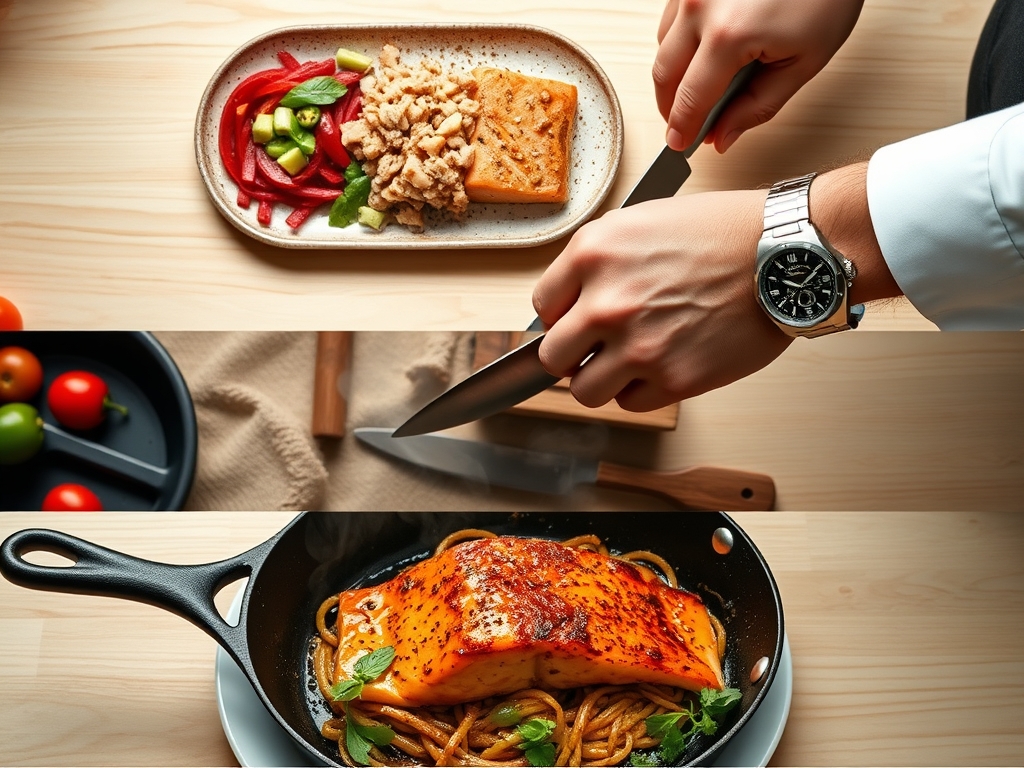
The "Chef's Flow" is all about maximizing efficiency through parallel processing. While your salmon sits at room temperature for ten minutes to ensure even heat distribution, you should be dicing your aromatics with a bench scraper nearby to keep your station clear.
The cooking phase is rapid. Most jalapeno salmon recipes rely on a high-heat initial sear to trigger the Maillard reaction, followed by a lower-heat finish. This prevents the delicate proteins from tightening too quickly and squeezing out moisture. Total active time is less than thirty minutes, making this a high-reward, low-effort masterpiece.
The Masterclass:
1. The Surface Prep
Pat the salmon skin bone-dry using heavy-duty paper towels. Moisture is the enemy of a crisp sear; any residual water will create a steam barrier between the fish and the pan.
Pro Tip: This is the science of evaporative cooling. If the surface is wet, the energy from your heavy-bottomed skillet goes into boiling the water rather than browning the fish. Dry skin ensures immediate caramelization.
2. The Jalapeno Infusion
Thinly slice your peppers and toss them in a small saucier with a tablespoon of oil over medium-low heat. You are looking to infuse the fat with capsaicin before the salmon ever touches the pan.
Pro Tip: Capsaicin is fat-soluble. By heating the peppers in oil first, you create a spicy delivery system that coats the fish more evenly than raw peppers ever could.
3. The High-Heat Sear
Place the salmon skin-side down into the shimmering oil. Use tongs to press the fillet down firmly for the first thirty seconds. This prevents the skin from curling as the collagen fibers contract.
Pro Tip: This stage utilizes conduction heating. The direct contact transforms the skin into a crispy, cracker-like texture through the breakdown of connective tissues into gelatin and then into a crisp matrix.
4. The Aromatics Deglaze
Once the skin is crisp, flip the fish and add a splash of white wine or lime juice to the pan. Use a wooden spoon to deglaze the brown bits (the fond) from the bottom of the skillet.
Pro Tip: Deglazing captures the concentrated flavors of the Maillard reaction. The acidity in the liquid also helps to denature any remaining tough proteins on the surface of the fish.
5. The Butter Baste
Drop a cold knob of butter and your sautéed jalapenos back into the pan. Tilt the skillet and use a large spoon to continuously pour the foaming butter over the salmon.
Pro Tip: This is called arroser. The hot butter provides a gentle, enveloping heat that finishes the interior of the fish without overcooking the exterior, while the milk solids in the butter undergo further browning.
6. The Thermal Rest
Remove the salmon from the pan when it reaches an internal temperature of 125 degrees Fahrenheit on a digital scale or meat thermometer. Let it rest on a warm plate for three minutes.
Pro Tip: Thermal carryover will cause the internal temperature to rise another 5 to 10 degrees. Resting allows the muscle fibers to relax and reabsorb the juices, ensuring a succulent bite.
The Deep Dive
From a nutritional standpoint, these jalapeno salmon recipes are a powerhouse. A standard serving provides roughly 35 grams of high-quality protein and a significant dose of Vitamin C from the peppers. The capsaicin also acts as a natural metabolic booster.
Dietary Swaps:
- Vegan: Replace the salmon with thick-cut "steaks" of cauliflower or firm tofu. Use liquid smoke to mimic the richness of the fish.
- Keto/GF: These recipes are naturally low-carb and gluten-free. Just ensure your seasonings do not contain hidden starches.
The Fix-It:
- The Skin is Soggy: You likely moved the fish too early. Wait for the proteins to naturally release from the pan surface.
- The Spice is Overwhelming: Add a touch of honey or maple syrup to the pan; sugar binds to capsaicin receptors and dulls the "burn."
- The Fish is Dry: You missed the carryover window. Always pull the fish when it still looks slightly translucent in the very center.
Meal Prep:
To reheat without turning your salmon into rubber, avoid the microwave. Instead, place it in a covered pan with a teaspoon of water over low heat. This creates a gentle steam environment that rehydrates the proteins.
The Wrap-Up
Mastering jalapeno salmon recipes is about more than just following a list of steps; it is about understanding how heat, fat, and spice interact on a molecular level. By controlling the sear and honoring the rest period, you elevate a simple fillet into a restaurant-quality dish. The vibrant green of the peppers against the pink of the salmon makes for a stunning presentation that tastes even better than it looks. Now, get into that kitchen and start searing!
The Kitchen Table
How do I make the jalapeno flavor stronger?
To maximize heat, leave the seeds in and sauté the peppers in your cooking oil for two minutes before adding the salmon. This extracts the fat-soluble capsaicin, ensuring the spicy notes permeate the entire fillet during the searing process.
Can I use frozen salmon for these recipes?
Yes, but you must thaw it completely in the refrigerator and pat it extremely dry. Frozen fish often releases more moisture, so a thorough drying process is critical to achieving a proper Maillard reaction and a crispy exterior skin.
What is the best pan for searing salmon?
A heavy-bottomed stainless steel or cast iron skillet is best. These materials retain heat efficiently, preventing the pan temperature from dropping when the cold fish is added, which ensures a consistent sear and prevents the protein from sticking.
How do I know when the salmon is done?
The most accurate method is using a digital thermometer to hit 125 degrees Fahrenheit. Visually, the fish should flake easily with a fork and the center should remain a slightly translucent, warm pink rather than an opaque, matte color.