
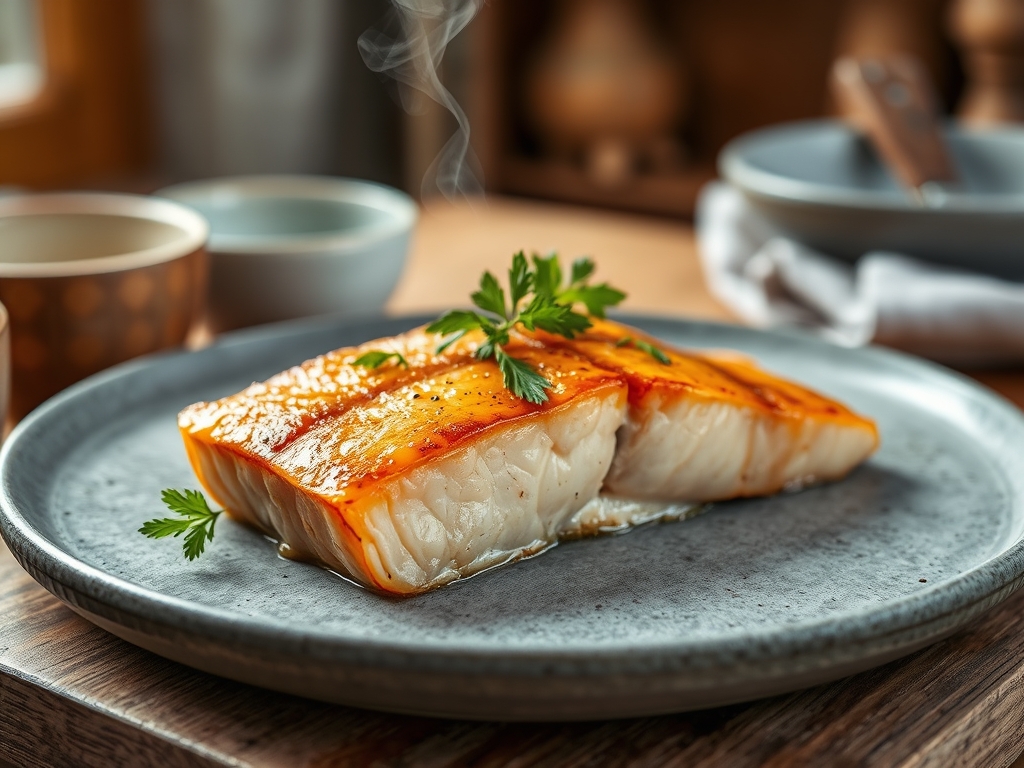
Picture this: the sun is dipping low; your favorite playlist is humming in the background; and you are standing in your kitchen with a glass of crisp Sancerre. You want to host a dinner that feels effortless but tastes like a Michelin-starred retreat. The secret lies in mastering the best fresh salmon recipes, which transform a simple fillet into a buttery, flaky masterpiece through the magic of molecular chemistry. We are moving beyond the dry, overcooked fish of yesteryear. Instead, we are focusing on the precise interplay of heat and fat. By understanding how proteins denature and how acids brighten the palate, you can serve a meal that leaves your guests wondering if you secretly attended culinary school over the weekend. This is not just about following instructions; it is about controlling the variables of the kitchen to create a sensory experience that starts with the sizzle of the pan and ends with the perfect, melt-in-your-mouth bite. Let us unlock the nine secrets that will elevate your seafood game from basic to breathtaking.
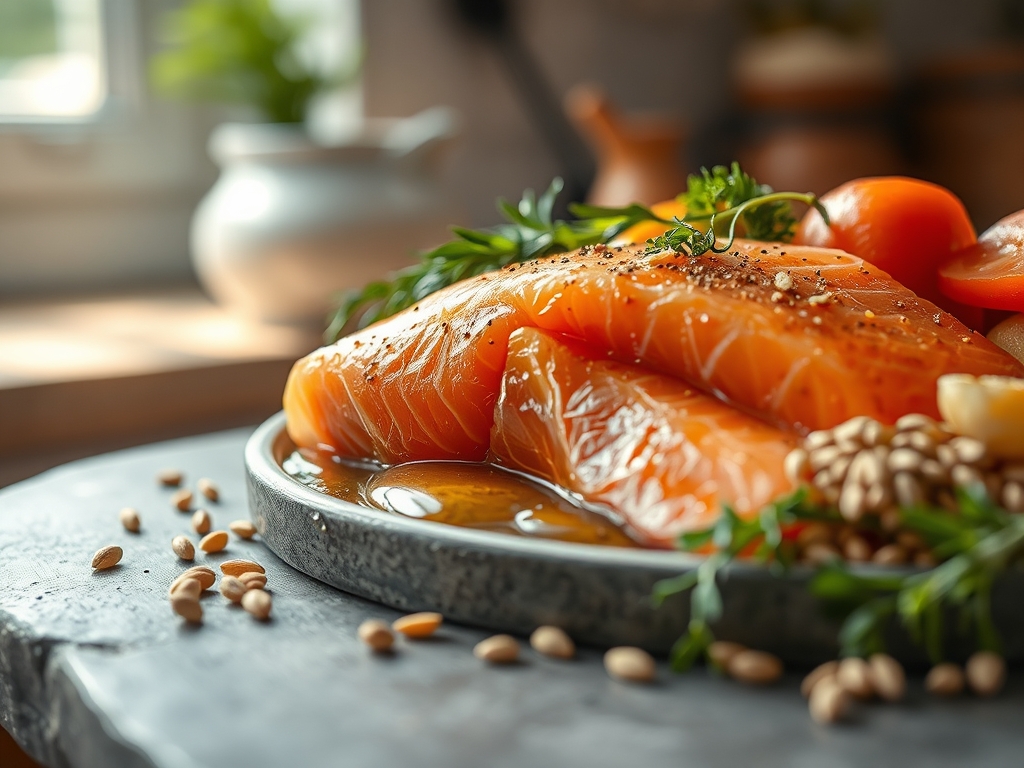
The Gathers:
To execute these best fresh salmon recipes, your mise-en-place must be impeccable. Start with center-cut Atlantic or King salmon fillets; these offer the most uniform thickness for even heat distribution. You will need a heavy-bottomed skillet, preferably cast iron or stainless steel, to act as a heat reservoir. Gather high-smoke-point fats like avocado oil or clarified butter to ensure you achieve a crisp skin without scorching the delicate lipids. For the aromatic profile, grab a microplane to zest organic lemons and grate fresh ginger; this tool maximizes surface area for a more viscous and piquant infusion. Do not forget the flaky sea salt, which provides a structural crunch that table salt lacks.
Smart Substitutions: If you cannot find fresh dill, use fennel fronds for a similar anise-like profile. If you are avoiding dairy, swap the finishing butter for a cold-pressed extra virgin olive oil to maintain that luxurious mouthfeel. For those who want a deeper umami profile, a splash of tamari can replace salt while adding a rich, fermented complexity to the glaze.
The Clock:
The "Chef's Flow" is all about timing the transition from prep to plate. Budget twenty minutes for preparation; this includes tempering the fish at room temperature and finely dicing your aromatics with a sharp chef's knife. The actual cook time is remarkably brief, usually eight to twelve minutes depending on the thickness of the cut.
The secret to a stress-free evening is the "rest period." You must allow for five minutes of resting time after the fish leaves the heat. This allows the internal juices to redistribute, ensuring that every forkful is moist rather than leaking fluid onto the plate. If you are serving a side of quick-wilted greens or a couscous, prepare those during the resting phase to ensure everything hits the table at the optimal temperature.
The Masterclass:
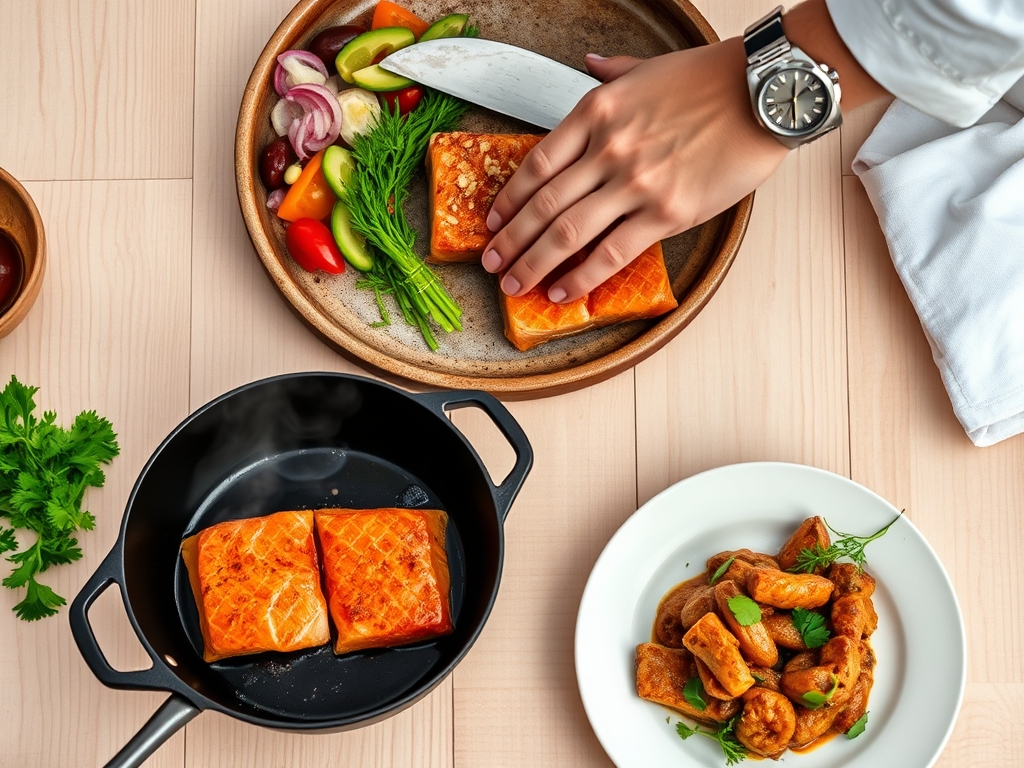
1. The Tempering Ritual
Remove your salmon from the refrigerator twenty minutes before cooking. Pat the skin bone-dry with a paper towel to remove every trace of moisture.
Pro Tip: This prevents a massive temperature shock when the fish hits the pan. If the protein is too cold, the exterior will overcook before the center reaches the ideal temperature; this is known as a thermal gradient issue.
2. The Seasoning Barrier
Generously season only the flesh side with salt and pepper right before it hits the pan. Avoid salting the skin too early, as salt draws out moisture through osmosis.
Pro Tip: Salting too early creates a wet surface that steams rather than sears. By waiting until the last second, you ensure the salt enhances flavor without compromising the crispness of the skin.
3. The High-Heat Initiation
Heat your heavy-bottomed skillet until the oil shimmers and barely begins to smoke. Place the salmon skin-side down and press firmly with a fish spatula for thirty seconds.
Pro Tip: This initial pressure prevents the skin from curling. It ensures maximum contact with the heat source, facilitating the Maillard reaction, which is the chemical dance between amino acids and reducing sugars that creates savory depth.
4. The Render and Crisp
Lower the heat to medium-high and let the fish cook undisturbed on the skin side for about 70 percent of the total cook time. Watch the color change creep up the side of the fillet.
Pro Tip: This allows the subcutaneous fat to render out, essentially frying the skin in its own oil. This creates a structural "heat shield" that protects the delicate flesh from toughening.
5. The Gentle Flip
Using tongs or a thin spatula, gently flip the fillet. The skin should release easily from the pan if it has been properly seared.
Pro Tip: If the fish sticks, it is not ready to flip. The proteins will naturally release from the metal surface once the crust has fully formed through enzymatic browning.
6. The Butter Baste
Add a knob of cold butter, a smashed garlic clove, and a sprig of thyme to the pan. Tilt the skillet and use a large spoon to bathe the salmon in the foaming fat.
Pro Tip: This technique, called arroser, adds a nutty finish and ensures the top of the fish stays hydrated while the interior reaches its final temperature.
7. The Precision Pull
Remove the salmon when a digital thermometer reads 125 degrees Fahrenheit for medium-rare. The temperature will continue to rise during the rest.
Pro Tip: This is called thermal carryover. If you wait until the fish hits 145 degrees in the pan, it will be chalky and dry by the time it reaches your guests.
8. The Acid Brightening
Just before serving, use your microplane to shower the fish with fresh lemon zest and a squeeze of juice.
Pro Tip: Acid cuts through the heavy fats of the salmon, acting as a palate cleanser. It balances the richness and "lifts" the heavier umami notes.
9. The Rest and Recovery
Place the fillets on a warm plate for at least three minutes before serving. This is the most ignored step in home kitchens.
Pro Tip: Resting allows the muscle fibers to relax. When fibers relax, they reabsorb the moisture they squeezed out during the heat cycle, resulting in a much more succulent texture.
The Deep Dive:
When we look at the macro nutrition, salmon is a powerhouse of Omega-3 fatty acids and high-quality protein. A standard six-ounce serving provides roughly 34 grams of protein and is naturally low in carbohydrates, making it a staple for various lifestyles.
Dietary Swaps: For a Keto-friendly version, serve with a side of asparagus sautéed in the leftover pan fat. For a Gluten-Free guest, ensure your seasonings are pure and avoid any flour-based thickeners. If you are hosting a vegan who still wants the "vibe," a thick "steak" of cauliflower can be treated with the same searing and basting techniques.
The Fix-It:
- White Stuff Oozing Out: This is albumin, a protein that escapes when the fish is cooked too fast or too high. Fix it by lowering your heat and pulling the fish sooner.
- Soggy Skin: This happens due to residual moisture. Fix it by using a bench scraper to squeegee the skin dry before it hits the oil.
- Sticking to the Pan: This is usually a result of a cold pan or a pan that is not "seasoned." Fix it by ensuring the oil is shimmering before adding the fish.
Meal Prep: To reheat salmon without ruining it, avoid the microwave at all costs. Instead, place it in a 275-degree oven with a splash of water and cover it with foil. This gentle re-thermalization prevents the fats from oxidizing and keeps the texture supple.
The Wrap-Up:
Mastering the best fresh salmon recipes is about more than just a meal; it is about the confidence to host with flair. By respecting the science of the sear and the necessity of the rest, you turn a simple ingredient into a luxury experience. Grab your heavy-bottomed skillet, trust your digital thermometer, and get ready to wow your guests with the most succulent fish they have ever tasted. You have the tools, the tips, and the talent; now go make some kitchen magic!
The Kitchen Table:
How do I tell if salmon is done without a thermometer?
Gently press the top of the fillet with a fork. If the flesh flakes easily along the natural white lines (the fat layers) and feels firm but slightly yielding, it is ready.
Why is my salmon skin not getting crispy?
Moisture is the enemy of crispiness. Ensure the skin is bone-dry using paper towels and that your pan is hot enough to sizzle immediately upon contact. Do not crowd the pan, which creates steam.
Can I use frozen salmon for these recipes?
Yes, but thaw it completely in the refrigerator first. Pat it extra dry, as frozen fish tends to release more moisture. The flavor remains excellent if the fish was flash-frozen at its peak.
What is the best way to store leftover salmon?
Place it in an airtight glass container in the coldest part of your fridge. It stays fresh for up to two days. For the best texture, eat it cold over a salad the next day.