
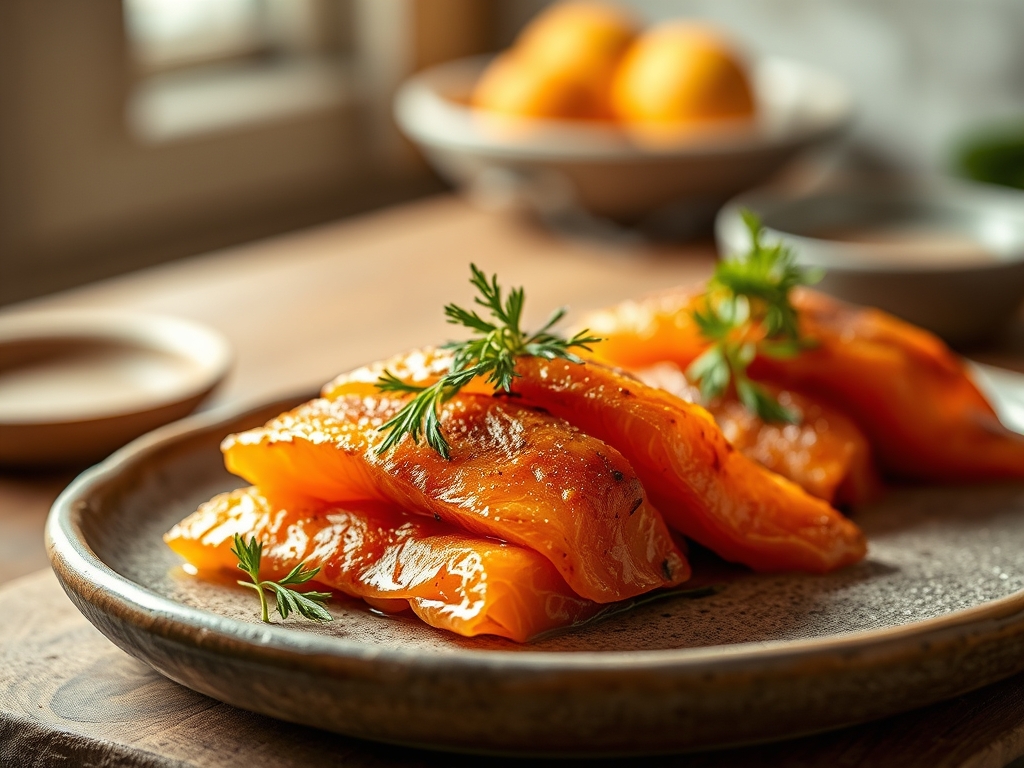
Imagine the sharp, salty tang of the Pacific ocean meeting the deep, smoky richness of a slow-cured fillet. If you have ever stared at a bag of jerky and wondered how to transform it into a gourmet experience, you are in the right place. These dried salmon recipes are not just snacks; they are high-protein powerhouses that bridge the gap between rugged trail food and sophisticated culinary art. We are diving into the molecular magic of dehydrated fish to elevate your pantry staples into something truly extraordinary.
The beauty of dried salmon lies in its concentrated umami profile. When water is removed through dehydration, the amino acids and fats become intensely dense. This creates a canvas for bold flavors that can stand up to heavy spices and acidic brighteners. We are moving beyond the basic chew to explore textures ranging from crispy "salmon glass" to rehydrated, silky flakes that mimic fresh confit. Whether you are fueling a mountain hike or hosting a wine night, these hacks will change your relationship with preserved seafood forever.
The Gathers:
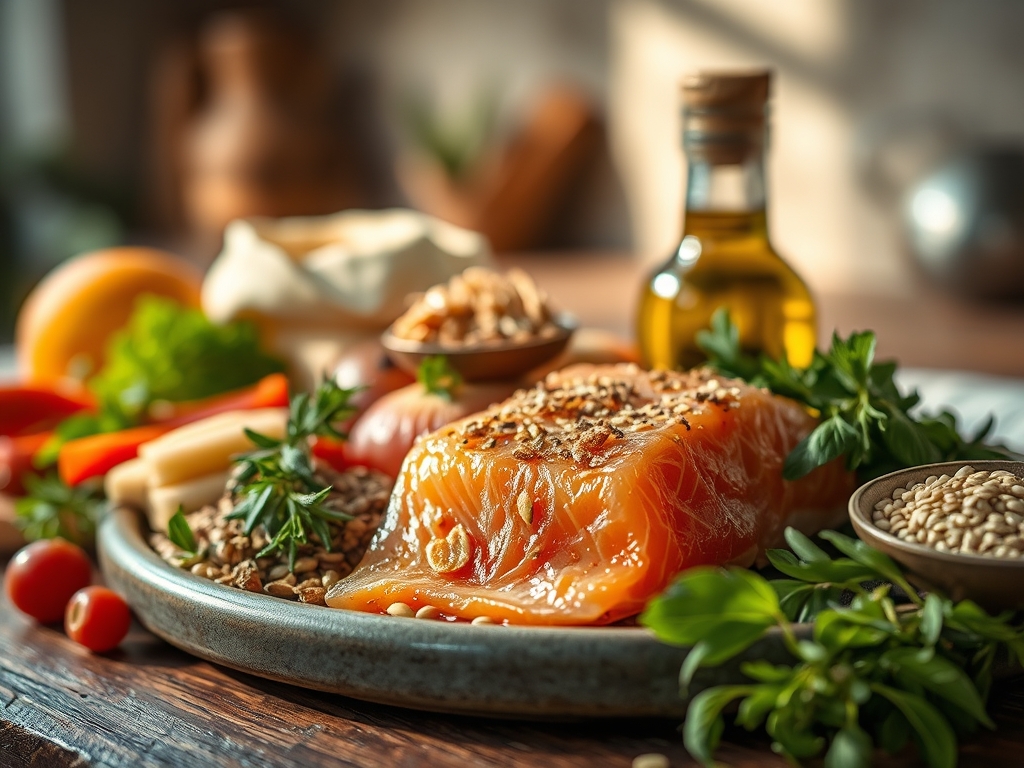
To execute these dried salmon recipes with precision, your mise-en-place must be impeccable. Start with high-quality wild-caught sockeye or king salmon jerky. Look for pieces that are still slightly pliable rather than brittle; this indicates a higher residual lipid content which translates to better mouthfeel. You will need a microplane for zesting citrus, a heavy-bottomed skillet for controlled heat distribution, and a digital scale to ensure your ratios of salt to acid are perfectly balanced.
For the flavor base, gather viscous honey, toasted sesame oil, and a high-quality tamari. If you want to lean into the Mediterranean profile, swap the soy for a piquant caper brine and cold-pressed olive oil. Smart Substitutions: If you cannot find traditional dried salmon, you can use smoked salmon "candy" or even high-grade lox that has been further dehydrated in a low-temp oven. For a vegan alternative, large flakes of dulse seaweed or marinated king oyster mushrooms can mimic that oceanic salinity, though the protein density will differ significantly.
The Clock:
Mastering the "Chef's Flow" is about overlapping your tasks to minimize downtime. Total preparation for most of these hacks is roughly 15 minutes, with an additional 10 to 20 minutes of active cooking or infusion time.
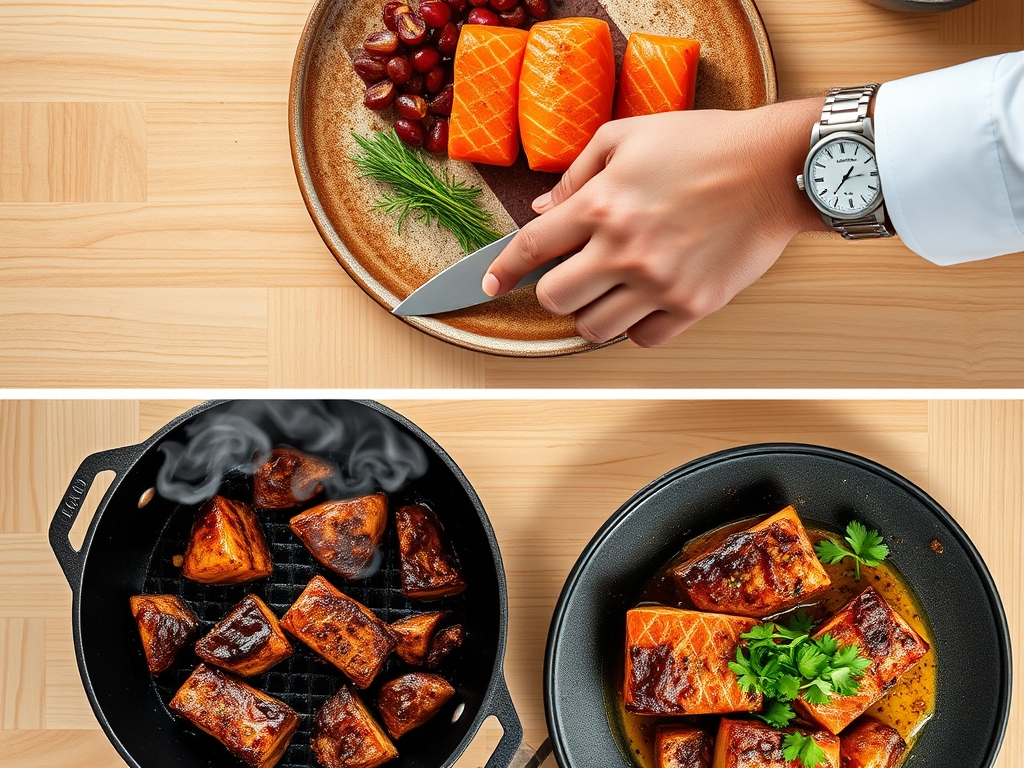
Prep Phase (10 Minutes): Use a bench scraper to clear your workspace as you slice the salmon into uniform batons. This ensures even heat penetration.
Active Phase (15 Minutes): This is where you render fats or infuse oils. If you are making a warm application, the salmon only needs moments to reach peak aromatics.
Resting Phase (5 Minutes): Critical for textural integrity. Allowing the salmon to cool slightly after a quick sear prevents the fibers from becoming unpleasantly tough.
The Masterclass:
1. The Glazed Umami Baton
Slice your dried salmon into thin strips and toss them in a saucier with a reduction of maple syrup and gochujang. Heat gently until the sugars reach the hard-crack stage for a glass-like coating.
Pro Tip: This relies on the Maillard reaction, where amino acids and reducing sugars create new flavor compounds. Keep the heat under 300 degrees Fahrenheit to prevent the delicate fish oils from oxidizing and turning bitter.
2. The Crispy Salmon Crumble
Pulse dehydrated salmon in a food processor until it reaches the consistency of coarse breadcrumbs. Flash-fry in a heavy-bottomed skillet with garlic-infused oil until golden.
Pro Tip: This process increases the surface area for lipid absorption, intensifying the savory notes. The rapid evaporation of remaining moisture creates a "puffing" effect that lightens the texture.
3. The Rehydrated Confit Spread
Submerge dried salmon pieces in warm, herb-infused olive oil for 20 minutes. The fish will soak up the fat, softening the tough collagen fibers.
Pro Tip: This is a form of reverse osmosis. The low-density oil penetrates the dense protein structure, effectively lubricating the muscle fibers and restoring a "fresh-caught" silkiness to the palate.
4. The Citrus-Zested Salmon Carpaccio
Use a microplane to shower thin shavings of dried salmon with lemon zest and cracked white pepper. The acidity of the citrus cuts through the heavy fat content of the fish.
Pro Tip: The citric acid acts as a denaturant, further breaking down the proteins on the surface. This creates a "melt-in-your-mouth" sensation despite the fish being technically dry.
5. The Smoked Salmon Tea Rub
Grind very dry salmon into a fine powder and mix with loose-leaf lapsang souchong tea. Use this as a seasoning for popcorn or roasted nuts.
Pro Tip: This utilizes aromatic synergy. The phenols in the smoked tea mirror the smoke compounds in the salmon, creating a recursive flavor loop that tastes much more complex than the sum of its parts.
6. The Whipped Salmon Schmear
Fold finely minced dried salmon into high-fat Greek yogurt or Neufchatel cheese. Use a whisk to aerate the mixture for a light, mousse-like consistency.
Pro Tip: The lactic acid in the dairy acts as a flavor carrier. Because fats are hydrophobic, they trap the volatile aroma molecules of the salmon, ensuring the flavor lingers longer on your taste buds.
7. The Salmon and Seaweed Brittle
Combine salmon flakes with toasted nori and a light honey binder. Bake at a low temperature until set.
Pro Tip: This creates a crystalline structure that provides a satisfying snap. The salt in the salmon inhibits the formation of large sugar crystals, resulting in a smoother, more professional texture.
8. The Spicy Salmon Jerky Trail Mix
Toss salmon chunks with wasabi peas and dried mango. The heat, salt, and sugar create a trifecta of sensory stimulation.
Pro Tip: This addresses sensory-specific satiety. By rotating through sweet, spicy, and salty notes, you prevent the palate from tiring, making the snack more satisfying over a longer duration.
9. The Salmon-Infused Finishing Salt
Blend equal parts dried salmon dust and flaky sea salt. Use it to finish deviled eggs or avocado toast.
Pro Tip: This is an example of hygroscopic seasoning. The salt draws out the last vestiges of moisture from the salmon, concentrating the flavor into a shelf-stable condiment that packs a massive umami punch.
10. The Quick Salmon Miso Broth
Drop a few pieces of dried salmon into a hot miso base. The salmon acts as a "dashi" substitute, providing depth and body to the liquid.
Pro Tip: As the salmon simmers, it undergoes hydrolysis, releasing glutamates into the broth. This creates a rich, savory liquid that mimics the complexity of a long-simmered fish stock in minutes.
The Deep Dive:
From a nutritional standpoint, dried salmon is a goldmine. It is exceptionally high in Omega-3 fatty acids, specifically EPA and DHA, which are vital for cognitive function. It also boasts a high protein-to-weight ratio, making it an ideal snack for those following Keto or Paleo lifestyles. For a Gluten-Free version, ensure your soy sauce is replaced with tamari or coconut aminos. If you are watching your sodium, look for "low-salt" varieties, though remember that salt is the primary preservative in the drying process.
The Fix-It:
- Too Salty: If your salmon is overwhelming, soak it in cold water for 5 minutes and pat dry. This leaches out surface sodium without ruining the texture.
- Too Tough: Briefly steam the salmon over simmering water for 60 seconds to introduce moisture back into the fibers.
- Fishy Aftertaste: Brighten the dish with a high-acid component like rice vinegar or lime juice to neutralize the trimethylamine (the compound responsible for that "fishy" smell).
Meal Prep: To maintain "day-one" quality, store your dried salmon recipes in an airtight glass jar with a silica gel packet. If reheating a glazed version, use a low oven (250 degrees) rather than a microwave; the microwave will cause the sugars to burn and the fish to become rubbery.
The Wrap-Up:
You are now officially armed with the technical prowess to turn a simple bag of dried fish into a culinary masterpiece. These dried salmon recipes are about more than just convenience; they are about understanding the chemistry of flavor and texture to create snacks that nourish both the body and the soul. Go ahead, grab that heavy-bottomed skillet and start experimenting. Your taste buds (and your hiking buddies) will thank you for the upgrade!
The Kitchen Table:
How do I stop dried salmon from being too chewy?
Slice the salmon against the grain into very thin pieces. Briefly sautéing them in a healthy fat or soaking them in a warm acidic marinade for ten minutes will significantly soften the protein fibers for a better bite.
Is dried salmon actually healthy for a daily snack?
Yes, it is incredibly nutrient-dense, providing high levels of protein and heart-healthy Omega-3s. However, monitor the sodium content, as many commercial brands use high salt levels for preservation. Balance your intake with plenty of fresh greens.
Can I make these recipes with a food dehydrator?
Absolutely. Using a dehydrator allows you to control the exact temperature, preventing the fats from going rancid. Aim for 145 degrees Fahrenheit to ensure the fish is safely cured while retaining its delicate nutritional profile and flavor.
What is the best way to store rehydrated salmon snacks?
Once you have added moisture or fats back into the salmon, it must be refrigerated. Store in an airtight container for up to three days. For long-term storage of the dry version, keep it in a cool, dark pantry.