
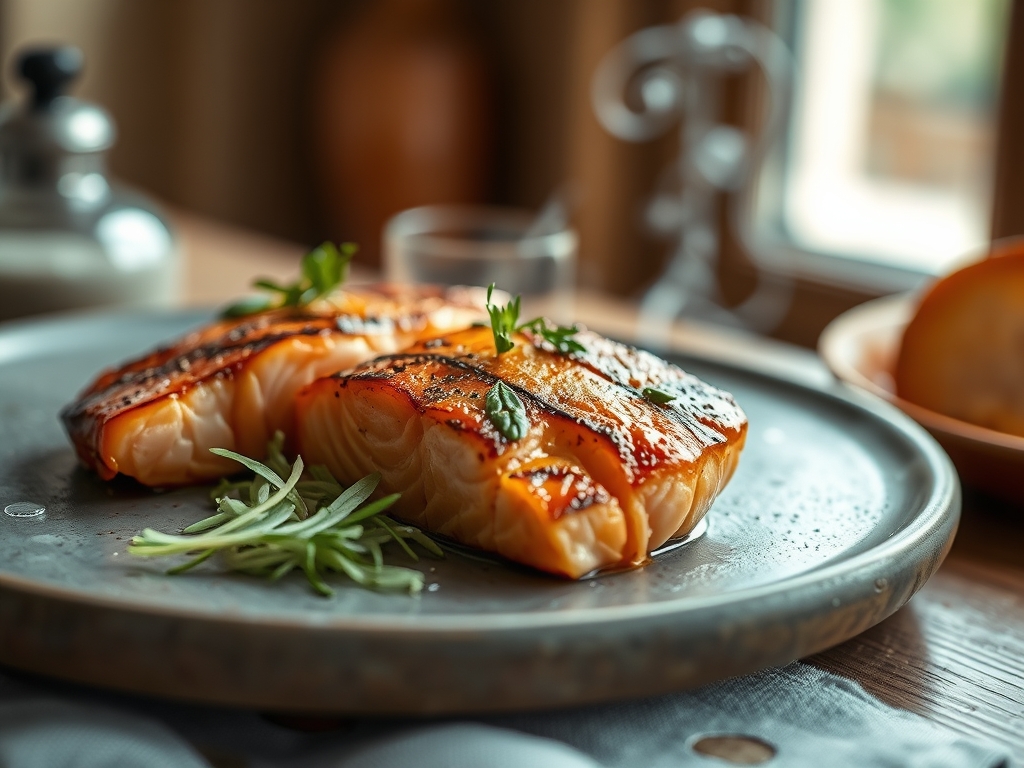
Picture the scene: a backyard bathed in golden hour light, the scent of charcoal mingling with the salty tang of the ocean, and a shimmering side of fish that flakes at the mere suggestion of a fork. Mastering grill smoked salmon recipes is not just about heat; it is about the intersection of fluid dynamics and thermal equilibrium. You are not just cooking dinner; you are managing a delicate protein structure while infusing it with the essence of hardwood smoke. This is the ultimate culinary flex for any host. It requires a balance of patience and precision to ensure that the fats render without drying out the muscle fibers. We are aiming for a texture that is buttery, translucent in the center, and deeply aromatic on the surface. If you have ever struggled with dry, chalky fish, put those fears aside. We are going to dive into the molecular mechanics that transform a raw fillet into a masterpiece of smoky, savory perfection.
The Gathers:
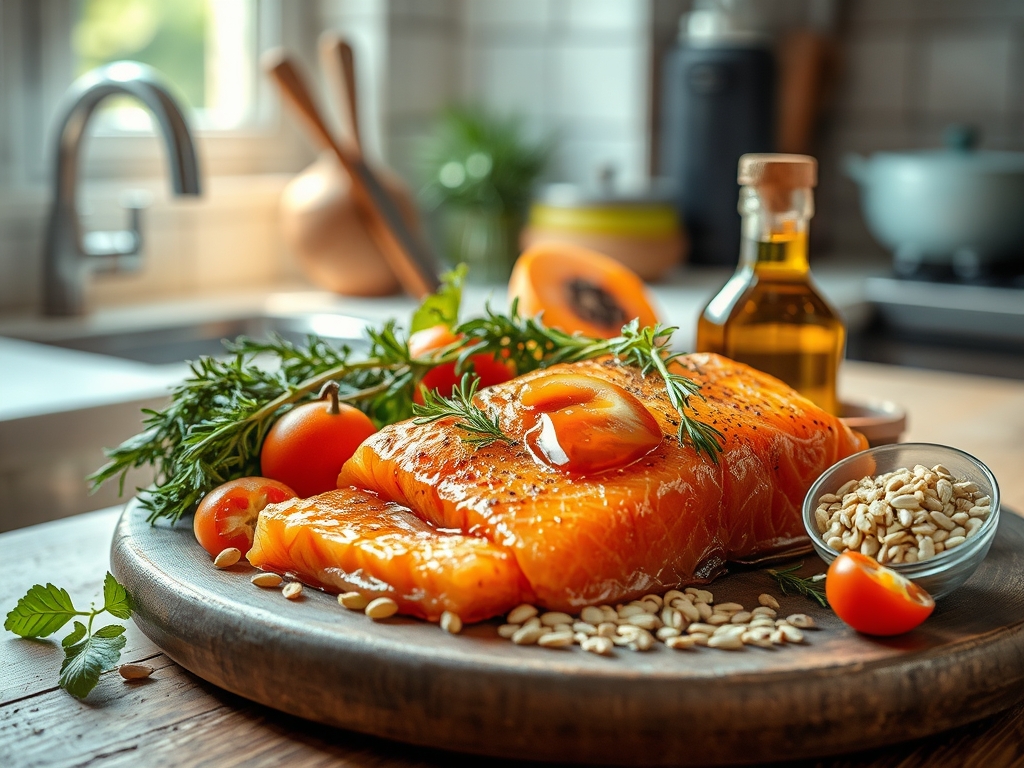
To achieve a professional result, your mise-en-place must be meticulous. Start with a high-quality center-cut fillet; look for vibrant color and firm flesh that bounces back when pressed. You will need a digital scale to measure your dry brine precisely, as the ratio of salt to sugar dictates the osmotic pressure that cures the fish. Gather your wood chips (almond or cherry wood offer a subtle, fruity profile) and soak them to control the rate of combustion. Your pantry list includes coarse kosher salt for its jagged surface area, brown sugar for its hygroscopic properties, and a microplane to zest fresh citrus for a piquant finish.
Smart Substitutions:
If you are avoiding refined sugar, coconut sugar provides a similar molasses-like depth and aids in the Maillard reaction. For those without a dedicated smoker box, a heavy-duty aluminum foil pouch pierced with a fork works as a functional substitute. If fresh dill is unavailable, fennel fronds offer a similar herbaceous note with a hint of anise that complements the oily nature of the salmon.
The Clock
The "Chef's Flow" is all about timing the moisture loss. Plan for a 30-minute dry brine to denature the surface proteins; this creates a tacky layer called a pellicle, which is essential for smoke adhesion. The actual grilling process takes between 20 to 35 minutes depending on the thickness of the fillet and your grill's ambient temperature. Factor in a mandatory 10-minute rest period. This allows for thermal carryover, where the internal temperature rises slightly while the juices redistribute, ensuring every bite is succulent rather than leaky.
The Masterclass
1. The Osmotic Brine
Coat the flesh side of your salmon with a 2:1 ratio of salt and sugar. This process draws out excess moisture, concentrating the flavor and firming the texture. Use your bench scraper to evenly distribute the mixture across the surface.
Pro Tip: This is a chemical cure. By removing water, you are increasing the density of the fats, which prevents the white albumin protein from leaking out during the cook.
2. Developing the Pellicle
Rinse the brine off and pat the fish bone-dry with paper towels. Place it on a wire rack in a cool, breezy spot for 30 minutes. The surface should feel slightly sticky to the touch.
Pro Tip: The pellicle acts as a biological "glue" for smoke molecules. Without this tacky layer, the smoke will simply bounce off the fish instead of infusing it.
3. Calibrating the Heat
Set up your grill for two-zone cooking. Place your soaked wood chips over the direct heat source and wait for thin, blue wisps of smoke. Avoid thick white smoke, which contains bitter creosote.
Pro Tip: Using a digital probe thermometer is non-negotiable here. You want an ambient grill temperature of 225 degrees Fahrenheit to gently render the intramuscular fats.
4. The Infusion Phase
Place the salmon on the indirect side of the grill, skin-side down. Close the lid immediately to trap the aromatic compounds. Use tongs only to adjust the positioning if there are hot spots.
Pro Tip: The skin acts as a thermal barrier, protecting the delicate flesh from the harsh metal grates while the smoke circulates around the top.
5. The Glaze Application
In the final ten minutes, use a saucier to warm a mixture of maple syrup and Dijon mustard. Brush this over the fish to create a viscous, shimmering coating that traps the smoke underneath.
Pro Tip: The sugars in the glaze undergo caramelization at the end of the cook, providing a complex sweetness that cuts through the fatty richness of the fish.
6. Monitoring the Internal Temp
Pull the salmon off the grill when it hits 135 degrees Fahrenheit. It might look slightly underdone in the thickest part, but the residual heat will finish the job.
Pro Tip: Thermal carryover will typically raise the temperature by 5 degrees. Pulling it early prevents the muscle fibers from tightening and becoming tough.
7. The Rest and Aerate
Move the fish to a room-temperature platter. Do not tent it with foil, as this will trap steam and ruin the beautiful crust you just built.
Pro Tip: Allowing the fish to aerate ensures the glaze sets into a tacky, professional finish rather than a watery mess.
8. The Final Garnish
Use your microplane to grate fresh horseradish or lemon zest over the top right before serving. The volatile oils in the zest provide an immediate aromatic lift.
Pro Tip: High-acid garnishes provide a chemical contrast to the smoky phenols, brightening the overall flavor profile on the palate.
The Deep Dive
Macro Nutrition:
Salmon is a nutritional powerhouse, rich in Omega-3 fatty acids which are essential for brain health. A standard 6-ounce serving provides roughly 34 grams of protein and 18 grams of healthy fats. Because we are smoking at low temperatures, these delicate fats remain stable rather than oxidizing.
Dietary Swaps:
For a Keto version, replace the brown sugar in the brine with erythritol and use a sugar-free glaze. Vegan guests can enjoy "carrot lox" smoked using the same wood chip method, though the cook time is significantly shorter. This recipe is naturally Gluten-Free, provided your mustard and spices are certified.
The Fix-It:
- White Gunk (Albumin): If white spots appear, your heat is too high. Lower the temperature immediately and use a paper towel to gently dab it away.
- Bitter Taste: This is caused by "dirty" smoke. Ensure your wood chips are smoldering, not flaming, and that there is proper ventilation.
- Stuck Skin: If the skin sticks to the grill, you likely didn't oil the grates or the fish wasn't dry enough. Use a thin fish spatula to gently pry it loose.
Meal Prep:
To reheat without losing quality, avoid the microwave. Place the salmon in a heavy-bottomed skillet with a tablespoon of water, cover with a lid, and warm on low heat. This steams the fish gently, restoring its original moisture levels.
The Wrap-Up
Creating the perfect smoked salmon is a rewarding blend of chemistry and craft. By focusing on the pellicle, managing your thermal zones, and respecting the rest period, you elevate a simple piece of protein into a gourmet experience. This technique ensures a result that is smoky, succulent, and visually stunning. Now, grab your tongs and get grilling!
The Kitchen Table
How long does smoked salmon last in the fridge?
Stored in an airtight container, your grill smoked salmon will remain fresh for up to three to four days. Ensure it is completely cooled before sealing to prevent condensation from making the texture soggy.
What is the best wood for smoking salmon?
Fruitwoods like apple, cherry, or peach are ideal. They provide a mild, sweet smoke that enhances the fish without overpowering its natural flavor. Avoid heavy woods like hickory or mesquite, which can be too aggressive for delicate seafood.
Can I smoke frozen salmon fillets?
It is best to thaw them completely in the refrigerator first. Thawing ensures even salt absorption during the brining phase and prevents the outside from overcooking while the center remains icy and raw.
Do I need to flip the salmon on the grill?
No, never flip it. Cooking it skin-side down the entire time protects the flesh and allows the smoke to penetrate the top. Frying or flipping will likely cause the delicate fillet to break apart.