
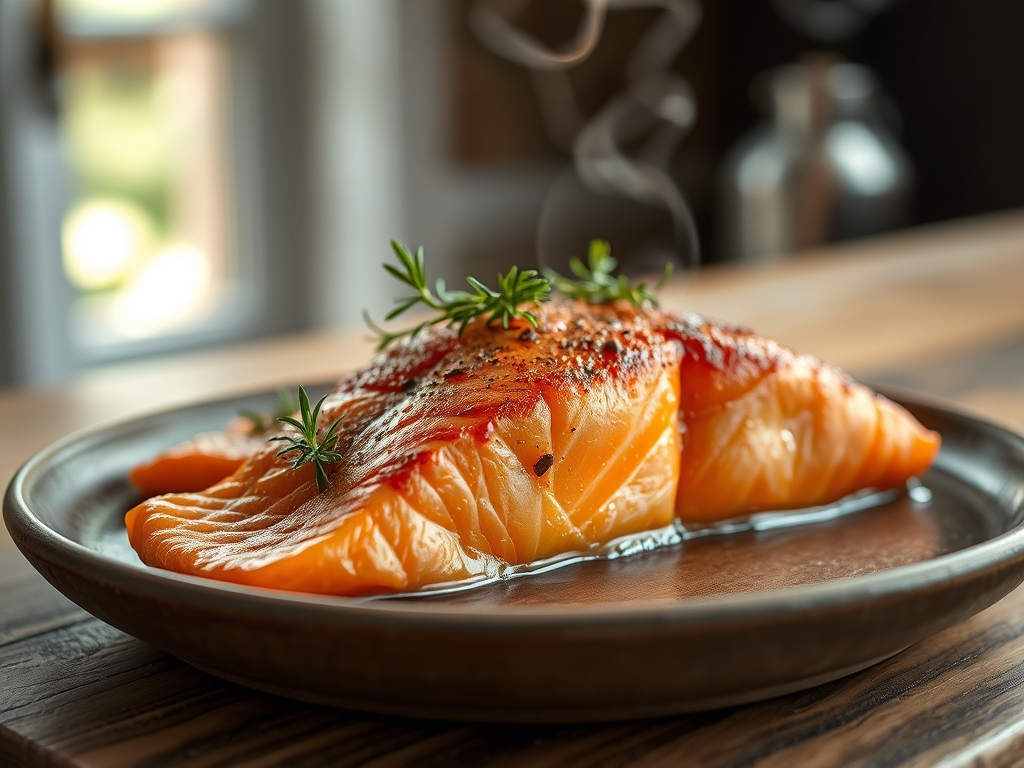
Imagine the scent of alderwood smoke mingling with the sharp, oceanic tang of the Pacific Northwest. That first bite of perfectly cured fish offers a textural paradox; it is firm yet buttery, salty yet subtly sweet. If you are hunting for the ultimate smoked coho salmon recipes, you have stepped into the right kitchen. Coho, often called Silver salmon, is the goldilocks of the sea. It possesses a medium fat content that is leaner than King salmon but far more luscious than Sockeye. This makes it the ideal canvas for smoke penetration without becoming an oil slick on your palate. We are moving beyond basic bagels and lox today. We are diving into the molecular magic of salt-curing and the delicate dance of low-temperature convection. Whether you are aiming for a cold-smoked silky texture or a hot-smoked flaky finish, the secret lies in respecting the protein structure of this magnificent fish. Grab your apron; we are about to transform a raw fillet into a smoky masterpiece that will make your brunch guests weep with joy.
The Gathers:
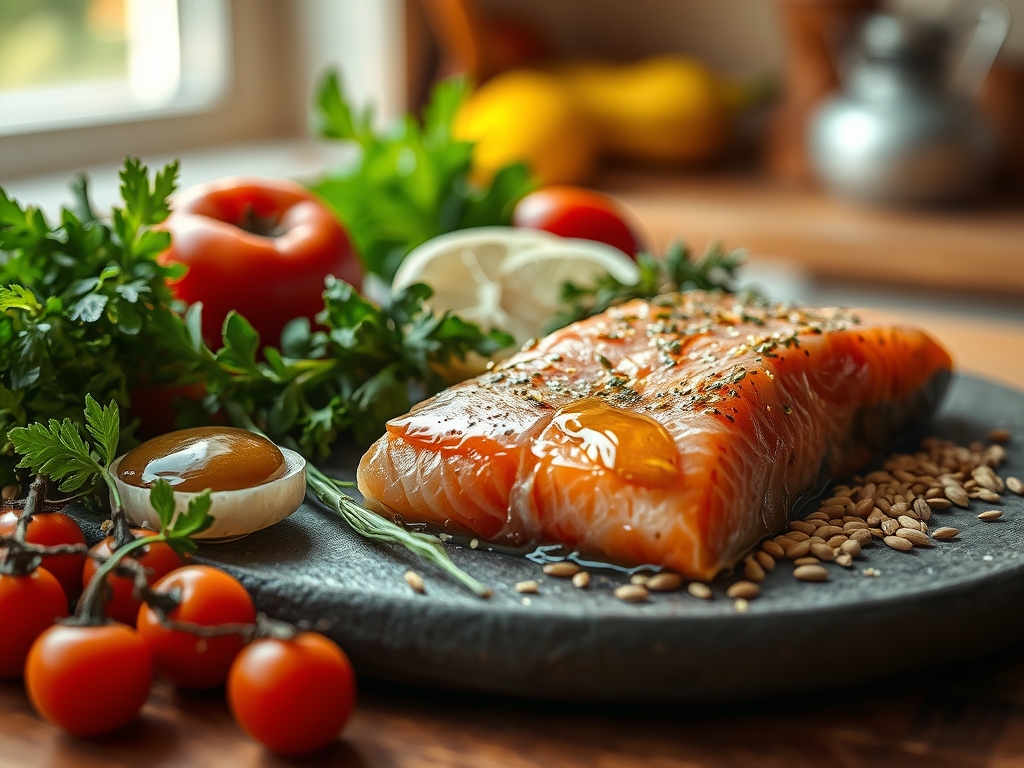
Setting up your mise-en-place is not just about organization; it is about managing the chemical reactions that define your final dish. For these smoked coho salmon recipes, you need a high-quality side of Coho, preferably pin-boned and skin-on to protect the delicate flesh from direct heat. Your dry brine requires a digital scale for precision. Aim for a 2:1 ratio of dark brown sugar to kosher salt. The molasses in the sugar provides a viscous coating that aids in the formation of the pellicle, while the salt initiates the denaturation of proteins.
You will also need aromatics: toasted peppercorns, dried dill, and perhaps a hint of lemon zest. Use a microplane to get that zest fine enough to release its essential oils without the bitter white pith. For the smoking process, select a mild wood like alder or apple. Heavy woods like hickory will overwhelm the Coho.
Smart Substitutions: If you cannot find dark brown sugar, use maple sugar for a more complex, woody sweetness. If you are watching your sodium, you can reduce the salt by twenty percent, but you must increase your drying time to ensure the surface remains tacky. For a spicy kick, add a teaspoon of smoked paprika or chipotle powder to your rub to enhance the piquant profile.
The Clock
The "Chef's Flow" is all about timing the moisture loss. You cannot rush a cure.
- Prep Time: 20 minutes (Cleaning, scaling, and mixing the brine).
- Curing Time: 4 to 8 hours (This is the non-negotiable window for salt penetration).
- Pellicle Drying: 2 to 4 hours (Air-drying in the fridge).
- Smoke Time: 2 to 3 hours (Depending on the thickness of the fillet).
- Resting: 1 hour (Crucial for moisture redistribution).
Total commitment is roughly 12 to 16 hours. Most of this is passive, but the timing ensures the smoke adheres to the surface rather than sliding off a wet fish.
The Masterclass
1. The Precision Cure
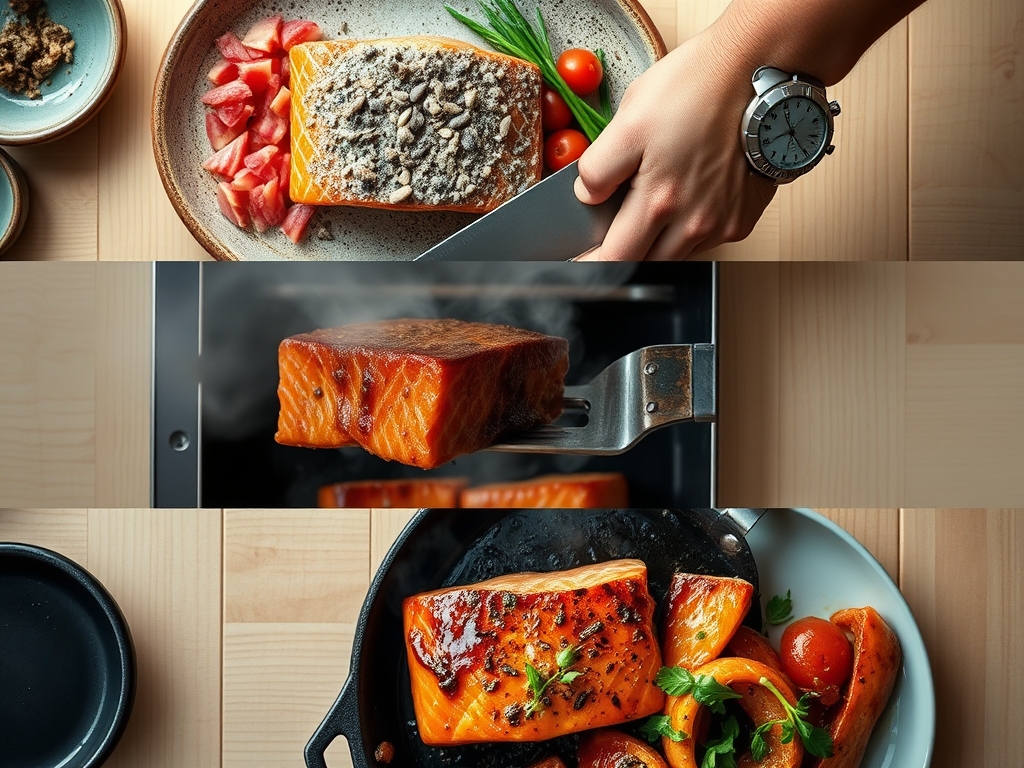
Lay your Coho on a parchment-lined baking sheet. Generously coat the flesh side with your salt and sugar mixture. Use your hands to press the granules into the flesh, ensuring even coverage. Wrap it tightly in plastic wrap to create a pressurized environment that forces the salt into the muscle fibers.
Pro Tip: This process is called osmosis. The salt draws moisture out of the cells, which creates a concentrated brine that then re-enters the fish, seasoning it deeply and inhibiting bacterial growth.
2. The Cold Rinse and Pat
After the cure, rinse the fish under cold, filtered water. You are removing excess surface salt to prevent an oversalted finished product. Use lint-free paper towels to pat the fish bone-dry.
Pro Tip: Rinsing stops the curing process. If you skip this, the exterior will become chemically "cooked" and unpleasantly tough due to excessive protein coagulation.
3. Developing the Pellicle
Place the salmon on a wire rack over a sheet pan and put it back in the refrigerator, uncovered. Let it sit until the surface feels tacky to the touch. This sticky layer is the pellicle.
Pro Tip: The pellicle acts as a "glue" for smoke molecules. Without it, the smoke cannot bond to the proteins, and you will lose that deep, amber hue and concentrated flavor.
4. The Low and Slow Infusion
Preheat your smoker to 165 degrees Fahrenheit. Place the salmon skin-side down on the grates. Use a digital probe thermometer to monitor the internal temperature. You are looking for an internal temp of 135 to 140 degrees Fahrenheit for a moist, flaky result.
Pro Tip: Keeping the temperature low prevents the "white stuff" (albumin) from leaking out. Albumin is a protein that gets pushed to the surface when the muscle fibers contract too quickly under high heat.
5. The Glaze Application
During the last 30 minutes of smoking, use a silicone pastry brush to apply a thin layer of warmed honey or maple syrup. This adds a glossy finish and a final layer of sweetness to balance the salt.
Pro Tip: This is a form of caramelization. The sugars react with the heat and the smoke to create a complex, lacquer-like coating that preserves the moisture inside.
6. The Carryover Rest
Once the salmon hits its target temperature, use a wide offset spatula to carefully move it to a cooling rack. Let it rest at room temperature for at least 30 minutes before refrigerating.
Pro Tip: This allows for thermal carryover. The internal temperature will rise slightly, finishing the cook gently while the fats begin to solidify, making the fish easier to slice.
The Deep Dive
Macro Nutrition: Smoked Coho is a nutritional powerhouse. It is exceptionally high in Omega-3 fatty acids, which are essential for brain health. A standard 3-ounce serving provides roughly 18 grams of high-quality protein and zero carbohydrates, making it a staple for low-carb lifestyles.
Dietary Swaps:
- Keto: Replace the brown sugar in the cure with a monk fruit or erythritol-based sweetener.
- Vegan: While you cannot "smoke" a salmon without the fish, you can apply this exact brine and smoke technique to thick slabs of marinated King Oyster mushrooms or firm tofu for a similar flavor profile.
- GF: Naturally gluten-free, but ensure your wood chips haven't been treated with any additives.
The Fix-It:
- Too Salty: If you over-cured the fish, soak the finished product in cold milk for 30 minutes. The calcium and proteins in the milk will help extract and neutralize the excess salt.
- Dry Texture: This usually means the smoker was too hot. To fix, flake the fish and fold it into a high-fat medium like cream cheese or Greek yogurt to create a decadent spread.
- No Smoke Flavor: Your wood might have been too dry or the pellicle didn't form. Next time, use a smoke tube for a more consistent output and ensure the fish is tacky before it hits the heat.
Meal Prep: To reheat without losing quality, avoid the microwave at all costs. Use a heavy-bottomed skillet on low heat with a teaspoon of water and a lid. The steam will gently re-hydrate the fats without overcooking the protein.
The Wrap-Up
Mastering smoked coho salmon recipes is a rite of passage for any serious home cook. It is a process that rewards patience, precision, and a bit of scientific curiosity. By controlling the salt, the moisture, and the temperature, you turn a simple fillet into a luxury ingredient that elevates everything from breakfast scrambles to elegant dinner appetizers. Remember, the best smoke is the one you can barely see; thin, blue wisps are your friend. Now, go fire up that smoker and let the Pacific flavors shine!
The Kitchen Table
Can I smoke frozen coho salmon?
Yes, but you must thaw it completely in the refrigerator first. Frozen fish often has more broken cell walls, which means it may release more moisture during the cure. Pat it extra dry to ensure a good pellicle forms.
How long does home-smoked salmon last?
When properly cured and hot-smoked, coho salmon will last for about seven to ten days in the refrigerator. For longer storage, vacuum seal the portions and freeze them for up to six months without significant texture loss.
What is the best wood for smoking coho?
Alderwood is the traditional choice for Northwest salmon because it is mild and slightly sweet. Fruitwoods like apple or cherry also work beautifully. Avoid heavy woods like mesquite, which will mask the delicate flavor of the fish.
Why is my smoked salmon mushy?
Mushiness usually results from an incomplete cure or smoking at a temperature that is too low for too long. Ensure your salt-to-sugar ratio is accurate and that your smoker maintains a consistent 165 degrees Fahrenheit to set the proteins.