
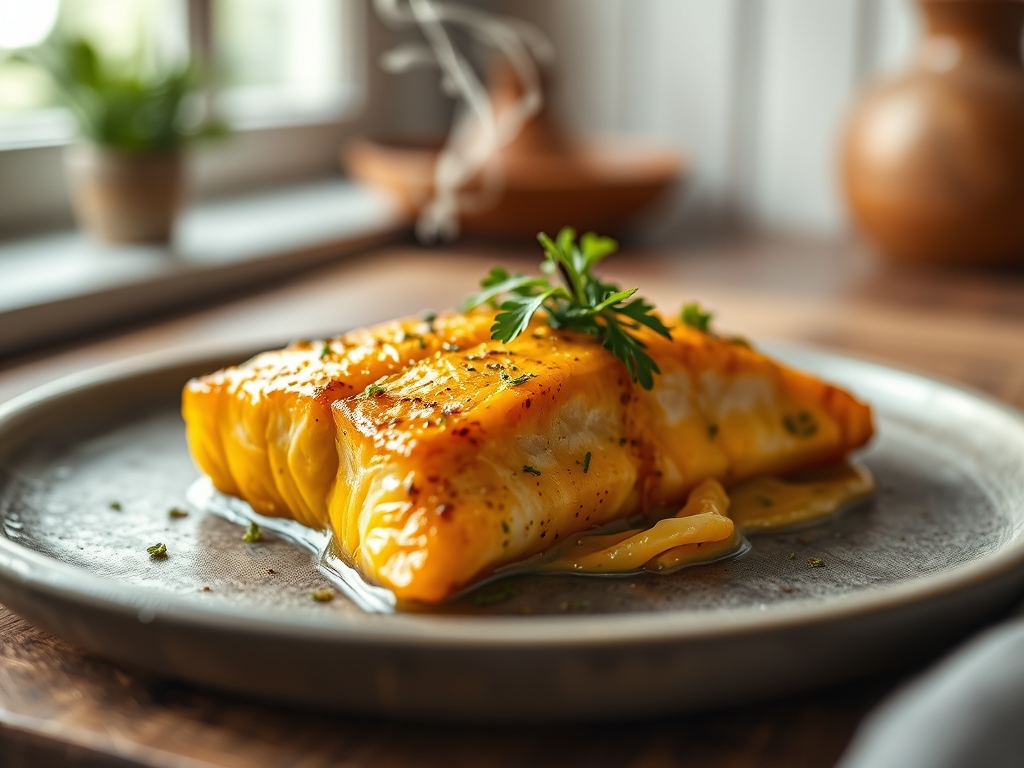
Imagine the sizzle of a heavy-bottomed stainless steel skillet meeting cold, fatty fish. The kitchen fills with a scent that is earthy, peppery, and sharp; it is the unmistakable aroma of curcumin hitting hot oil. When you master turmeric salmon recipes, you are not just cooking dinner; you are performing a vibrant chemical transformation. The golden hue of the spice stains the protein, creating a crust that shatters under a fork to reveal succulent, pink flakes. It is a visual and sensory masterpiece that feels like a warm hug for your cellular health.
The magic of this dish lies in the synergy between the curcumin in the turmeric and the omega-3 fatty acids in the salmon. We are going to explore six distinct ways to harness this power, ranging from a zesty citrus glaze to a rich, coconut-infused poaching liquid. Whether you are meal prepping for a high-performance week or hosting a candlelit dinner, these techniques ensure your fish is never dry and your flavors are always balanced. Let us dive into the science of the sear and the art of the spice.
The Gathers:
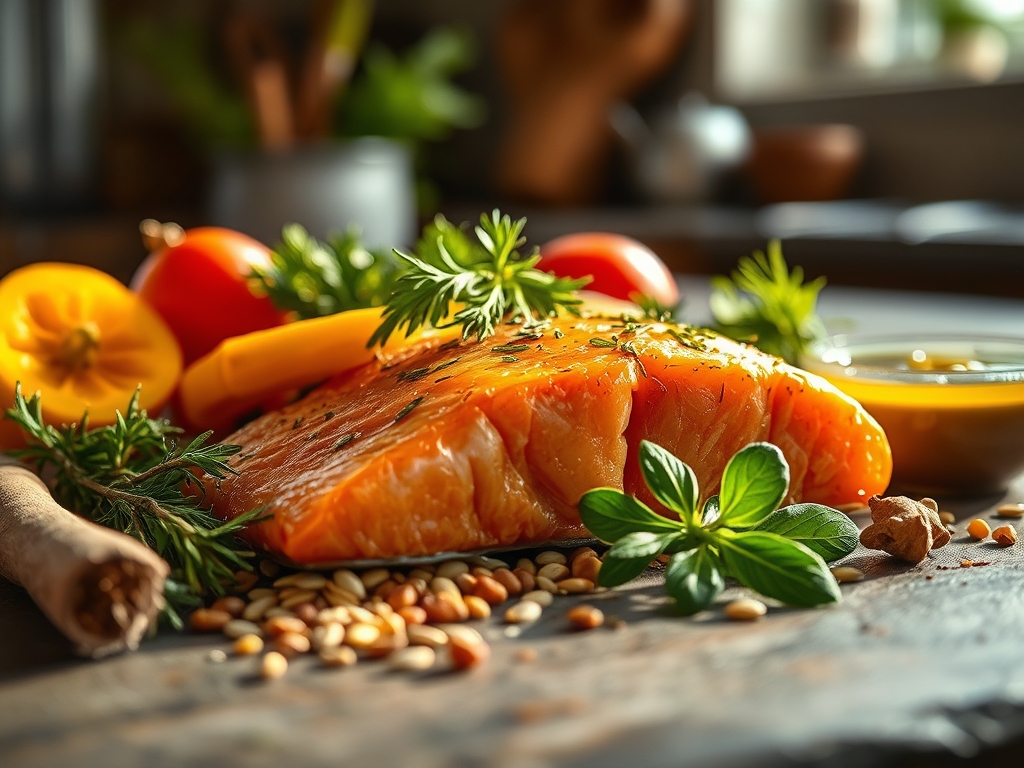
To execute these turmeric salmon recipes with precision, your mise-en-place must be impeccable. Start with high-quality Atlantic or Sockeye fillets; look for vibrant color and firm flesh that bounces back when pressed. You will need high-purity ground turmeric, but for an elevated experience, use a microplane to grate fresh turmeric root. This releases volatile oils that powdered versions often lose during processing.
The supporting cast is equally vital. You need a lipid source with a high smoke point, such as avocado oil or ghee, to facilitate the Maillard reaction without scorching the delicate spices. Fresh aromatics like ginger and garlic provide a piquant base, while black pepper is non-negotiable. Scientifically, the piperine in black pepper increases the bioavailability of turmeric by two thousand percent. For the finish, gather bright acids like lime juice or rice vinegar to cut through the viscous fats.
Smart Substitutions:
If fresh turmeric is unavailable, use a 1:3 ratio of dried to fresh. For a vegan alternative to the salmon, extra-firm tofu or thick cauliflower steaks work beautifully as they absorb the golden infusion just as readily. If you are avoiding nightshades, swap the black pepper for a pinch of white pepper or long pepper to maintain that necessary heat profile.
The Clock: 15 Minutes Prep, 12 Minutes Cook
The "Chef's Flow" is all about overlapping tasks to minimize downtime. Start by tempering your salmon at room temperature for fifteen minutes; this prevents the muscle fibers from seizing when they hit the heat. While the fish rests, use your bench scraper to organize your minced aromatics. The actual cooking time is remarkably brief. A standard six-ounce fillet requires only three to four minutes per side. By the time your side of quinoa or wilted greens is plated, the salmon has finished its carryover cooking, ensuring a perfectly translucent center.
The Masterclass:
1. The Spice Rub Application
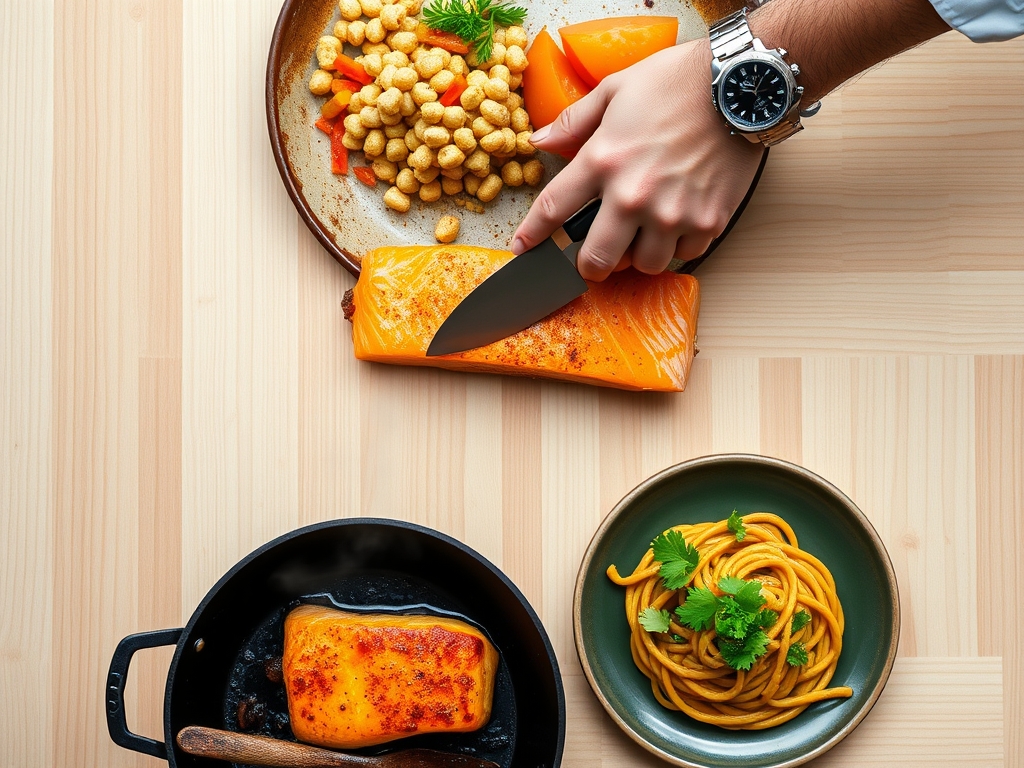
Pat the salmon bone-dry with a paper towel. Moisture is the enemy of a crisp crust. Rub a blend of turmeric, sea salt, and cracked pepper into the flesh side.
Pro Tip: This creates a solubility barrier. Turmeric is fat-soluble; by rubbing it directly onto the oily fish before adding it to the pan, you ensure the pigments and flavors bind to the protein rather than floating away in the cooking fat.
2. The High-Heat Sear
Heat your heavy-bottomed skillet until the oil shimmers but does not smoke. Place the salmon skin-side down and press firmly with a flexible metal spatula for thirty seconds.
Pro Tip: This prevents protein curling. When heat hits the skin, collagen fibers contract rapidly. Constant pressure keeps the fillet flat, ensuring even thermal distribution and a shatteringly crisp skin texture.
3. The Deglaze and Infuse
Once flipped, toss in a knob of butter, smashed garlic, and a sprig of thyme. Use a large spoon to baste the foaming fat over the fish.
Pro Tip: This is aromatic basting. The fat acts as a delivery vehicle for the fat-soluble compounds in the herbs and turmeric, deeply seasoning the interior of the fish while the exterior undergoes enzymatic browning.
4. The Acidic Balance
Remove the pan from the heat and squeeze fresh lemon juice directly into the hot oil. Swirl the pan to create a quick pan-sauce emulsion.
Pro Tip: The acid triggers denaturation on the surface, which brightens the flavor profile and acts as a chemical foil to the heavy, earthy notes of the turmeric.
5. The Rest Period
Transfer the salmon to a warm plate and let it rest for three minutes before serving.
Pro Tip: This accounts for thermal carryover. The internal temperature will rise by about five degrees off the heat. Resting allows the internal juices to redistribute, preventing the liquid from "bleeding" out when you take your first bite.
The Deep Dive:
Macro Nutrition
A single serving of these turmeric salmon recipes provides approximately 35 grams of high-quality protein and 12 grams of healthy fats. It is a powerhouse of Vitamin D and B12. Because we use minimal added sugars, the glycemic load remains exceptionally low, making this a staple for metabolic health.
Dietary Swaps
- Keto: Ensure your glaze uses erythritol or monk fruit instead of honey. Increase the fat content by serving with a turmeric-infused hollandaise.
- Paleo/GF: Use coconut aminos instead of soy sauce for the umami component.
- Low-FODMAP: Replace garlic and onions with chive-infused oil to keep the flavor without the digestive distress.
"The Fix-It": Common Pitfalls
- The Spice Burned: Turmeric has a low scorch point. If your pan is too hot, the spice turns bitter. The Fix: Add the turmeric to the oil at the very end or rub it on the fish rather than tossing it into the naked pan.
- The Skin Stuck: You likely tried to flip it too early. The Fix: Wait for protein release. Once the skin is sufficiently dehydrated and crisp, it will naturally detach from the metal surface.
- Albumin Leaking: Those white dots on the surface are coagulated proteins. The Fix: This happens when salmon is cooked too fast or too high. Lower your heat slightly to keep the muscle fibers relaxed.
Meal Prep: Reheating Science
To maintain "day-one" quality, never microwave your salmon. The high-frequency waves agitate the water molecules, steaming the fish from the inside out and making it rubbery. Instead, reheat in a 275-degree oven with a splash of water and a tight foil cover to create a gentle convection environment that preserves the moisture.
The Wrap-Up:
You are now officially a master of the golden sear! These turmeric salmon recipes are more than just a meal; they are a masterclass in balancing bold spices with delicate proteins. By understanding the chemistry of fat-solubility and the physics of the perfect sear, you can turn a simple fillet into a restaurant-quality experience every single night. Grab your tongs, fire up that skillet, and let the golden glow of turmeric transform your kitchen. You have got the skills, the science, and the flavor; now go make something incredible!
The Kitchen Table:
How do I stop turmeric from staining my counters?
Turmeric contains curcumin, a powerful pigment. To prevent stains, use a glass cutting board or a silicone mat. If a stain occurs, create a paste of baking soda and water to lift the pigment without using harsh chemicals.
Can I use frozen salmon for these recipes?
Yes, but ensure it is completely thawed in the refrigerator first. Pat the fillets extremely dry with paper towels to remove excess moisture; otherwise, the turmeric will clump and the skin will fail to crisp during searing.
What is the best way to store leftovers?
Store cooked salmon in an airtight glass container for up to three days. Glass is preferable to plastic because turmeric can permanently stain porous materials. Keep the sauce separate to maintain the texture of the fish crust.
Is it better to use fresh or powdered turmeric?
Fresh turmeric offers a brighter, more floral flavor and contains more volatile oils. Powdered turmeric is more concentrated and convenient for dry rubs. Both provide excellent health benefits when paired with black pepper and healthy fats.