
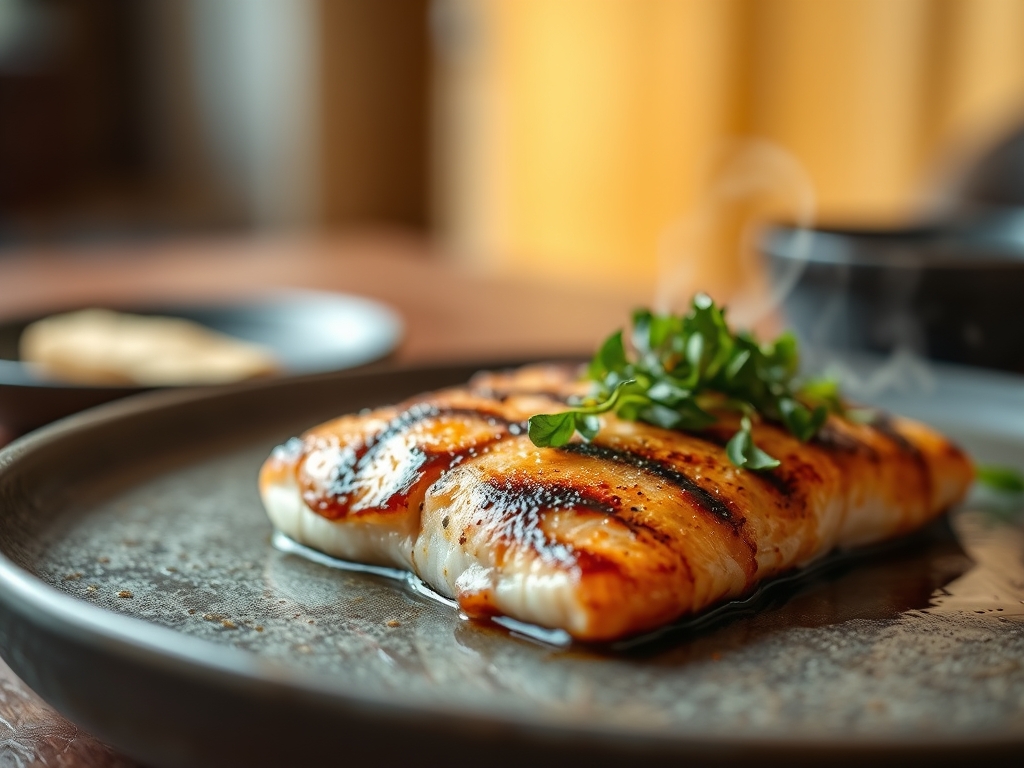
Imagine the scent of toasted sesame oil hitting a hot grate; it is a fragrant, nutty cloud that signals the start of something spectacular. When you master asian grilled salmon recipes, you are not just cooking dinner; you are orchestrating a complex chemical dance between high heat and deep umami. We are talking about skin so crisp it crackles like parchment and flesh that yields at the mere suggestion of a fork. The secret is not just in the fish; it is in the tension between the sweet glaze and the salty brine.
Most people approach the grill with fear, worried about sticking or overcooking, but we are going to use science to turn that anxiety into confidence. By understanding how proteins denature and how sugars caramelize, you can transform a standard fillet into a restaurant-quality centerpiece. Grab your favorite apron and a glass of something crisp. We are diving deep into the molecular magic of the perfect char, the precise internal temperature, and the bold flavors that make Asian-inspired seafood the undisputed king of the weeknight rotation.
The Gathers:
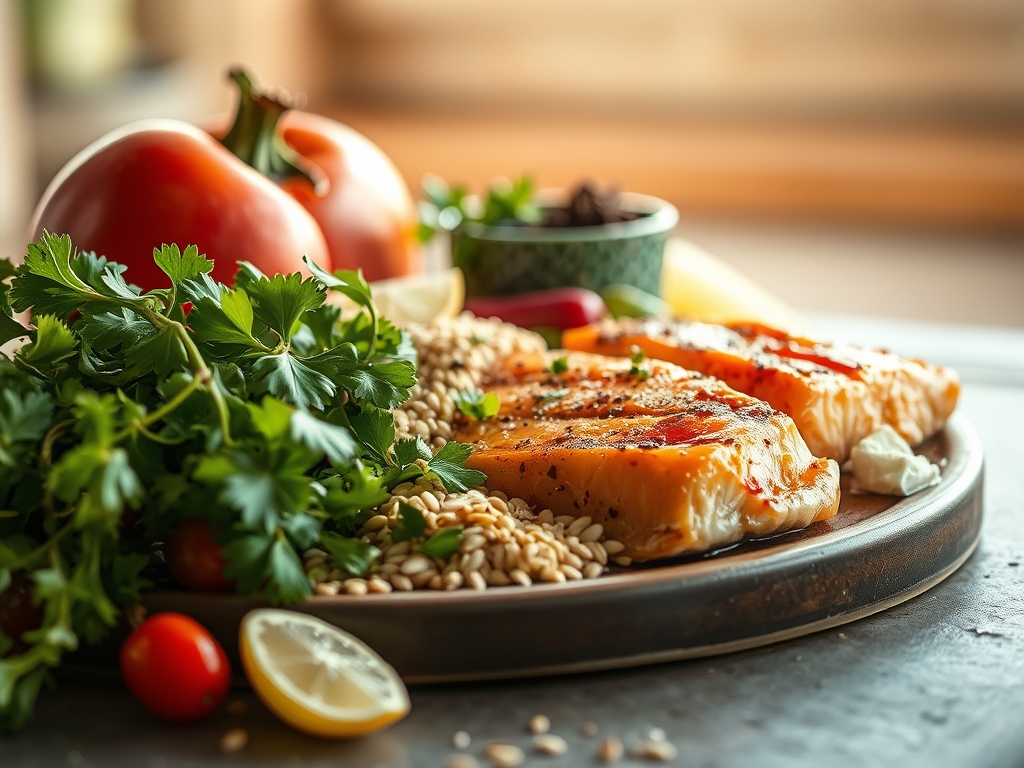
To achieve a professional result, your mise-en-place must be meticulous. Start with high-quality Atlantic or King salmon fillets; look for vibrant color and firm tissue that springs back when pressed. You will need a saucier to whisk together your marinade: a base of low-sodium tamari for salt, mirin for a delicate sweetness, and toasted sesame oil for its viscous, aromatic fat content.
Freshness is non-negotiable here. Use a microplane to grate ginger and garlic into a fine paste; this increases the surface area, allowing the aromatic oils to infuse the liquid more effectively. For a piquant kick, add a teaspoon of sambal oelek or sriracha.
Smart Substitutions:
If you are avoiding soy, coconut aminos offer a similar profile with a slightly lower salinity. No mirin? A splash of dry sherry mixed with a pinch of granulated sugar mimics that fermented depth. If you find yourself without fresh ginger, a small amount of ground ginger works, but you will miss the bright, zesty top notes of the fresh root. Always use a digital scale to measure your liquids if you want consistent, repeatable results every single time you cook.
The Clock
Efficiency in the kitchen is all about the "Chef's Flow." Total active prep time is roughly 15 minutes, but the passive time is where the flavor develops.
- The Marination (30 to 60 minutes): Do not exceed two hours. The acid in the marinade will begin to chemically "cook" the fish, leading to a mushy texture.
- The Tempering (15 minutes): Pull the fish from the fridge before grilling. Cold fish on a hot grill leads to uneven cooking.
- The Sear (6 to 8 minutes): High heat for a short duration preserves the moisture.
- The Rest (5 minutes): Essential for moisture redistribution.
Total time from fridge to table is about 90 minutes. Use the marination window to prep your sides; perhaps a quick smashed cucumber salad or some steamed bok choy.
The Masterclass
1. The Surface Preparation
Pat the salmon completely dry with paper towels before applying any oil or marinade. Moisture is the enemy of the sear; if the surface is wet, the fish will steam rather than brown. Use a bench scraper to clean your cutting board between tasks to ensure a pristine workspace.
Pro Tip: This prevents the Leidenfrost effect from being interrupted by excess water. Drying the skin ensures the Maillard reaction occurs immediately upon contact with the heat, creating that signature golden crust.
2. The Emulsified Marinade
Whisk your marinade vigorously in a small bowl until it is slightly thickened. You want to aerate the mixture slightly so the oil and soy are fully combined. Submerge the fillets skin-side up to ensure the flesh absorbs the maximum amount of flavor.
Pro Tip: Using an emulsified marinade ensures that the fat-soluble flavor compounds in the ginger and garlic are evenly distributed across the protein fibers, leading to a more consistent taste profile.
3. Preheating the Grate
Your grill must be screaming hot. Use a wire brush to remove any carbon buildup, then use tongs to rub an oil-soaked paper towel over the grates. This creates a non-stick seasoned surface similar to a cast-iron skillet.
Pro Tip: High thermal mass in the grates is required to render the subcutaneous fat beneath the salmon skin. If the grill is too cool, the skin will bond to the metal, causing it to tear.
4. The Initial Sear
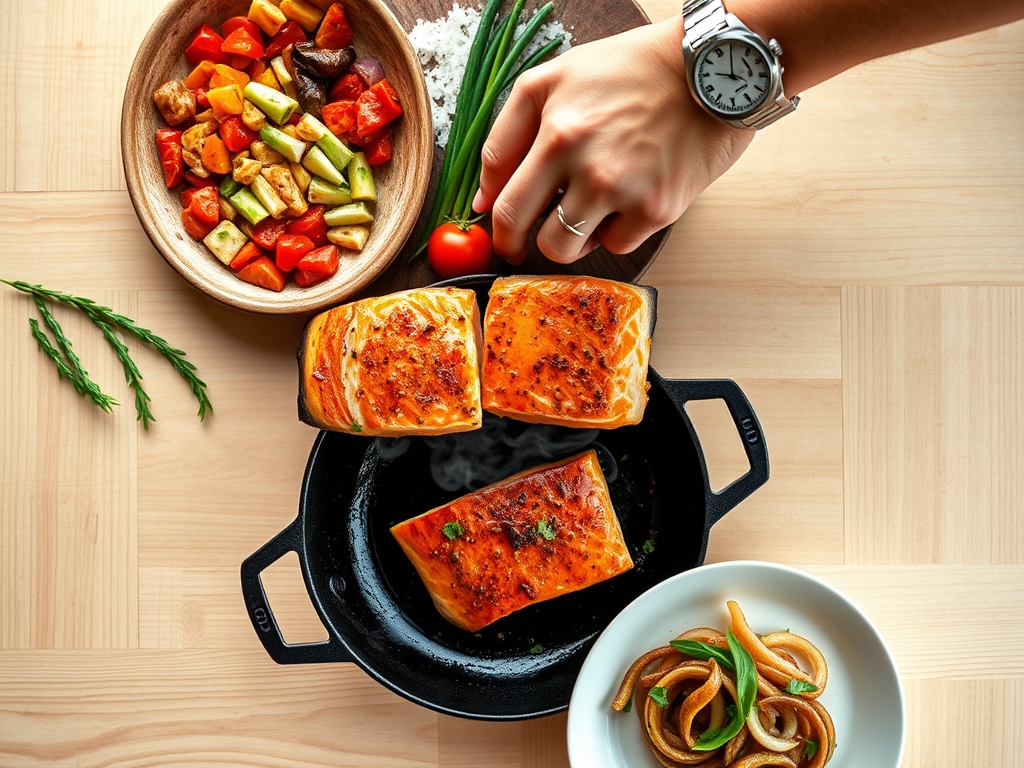
Place the salmon skin-side down first. Do not move it. You need to let the proteins set. Use a heavy-bottomed skillet on the grill if you prefer a more even crust, but direct grate contact provides those beautiful char marks.
Pro Tip: This is known as protein denaturation. As the heat climbs, the coiled proteins in the fish unfold and then bond together, creating a firm structure that eventually releases from the grill naturally.
5. The Glaze Application
During the last two minutes of cooking, brush a reserved portion of the marinade (that has not touched raw fish) onto the top of the fillets. This creates a sticky, lacquered finish that catches the light.
Pro Tip: This is enzymatic browning and sugar caramelization working in tandem. The sugars in the mirin and honey react with the heat to create a complex, bittersweet coating.
6. The Carryover Cook
Remove the salmon when a digital thermometer reads 125 degrees Fahrenheit for medium-rare. Transfer the fish to a warm plate and tent loosely with foil.
Pro Tip: Thermal carryover will continue to raise the internal temperature by another 5 to 7 degrees while the fish rests. Pulling it early ensures the center remains succulent rather than chalky.
The Deep Dive
Macro Nutrition:
Salmon is a nutritional powerhouse, rich in Omega-3 fatty acids which support heart health. A standard 6-ounce fillet provides roughly 34 grams of protein and 0 grams of fiber. The Asian-style marinade adds minimal calories but brings essential minerals like manganese from the ginger.
Dietary Swaps:
- Vegan: Swap the salmon for thick slabs of extra-firm tofu or "steaks" of cauliflower. Press the tofu well to ensure it absorbs the marinade.
- Keto: Replace the mirin and honey with a monk fruit sweetener or erythritol blend to keep the carb count near zero.
- GF: Always verify your tamari is certified gluten-free, as some brands still contain trace amounts of wheat.
The Fix-It:
- Fish is sticking: You likely tried to flip it too early. Wait another 60 seconds; the fish will "self-release" once the crust is formed.
- Skin is soggy: The grill temperature was too low. Next time, ensure the grates are preheated for at least 15 minutes.
- Too salty: Balance the over-seasoned fish with an acid, like a squeeze of fresh lime or a drizzle of rice vinegar, to cut through the sodium.
Meal Prep:
To reheat without drying out the fish, use a low-temperature oven (275 degrees Fahrenheit) with a splash of water in the pan, covered with foil. This creates a gentle steam environment that preserves the delicate fats. Avoid the microwave, which vibrates water molecules too violently and toughens the protein.
The Wrap-Up
Mastering asian grilled salmon recipes is about more than just following a list of ingredients; it is about respecting the chemistry of the kitchen. By focusing on surface moisture, heat management, and the timing of your glazes, you can produce a meal that feels like a celebration. The combination of salty, sweet, and charred notes is a timeless profile that never fails to impress. Now, get out there, fire up those burners, and show that salmon who is boss.
The Kitchen Table
How do I prevent salmon from falling through the grill grates?
Ensure your grill is clean and well-oiled. Use a wide stainless steel spatula to flip the fish carefully. For extra security, you can grill the salmon on a bed of lemon slices or inside a specialized wire fish basket.
What is the best internal temperature for grilled salmon?
For a moist, flaky texture, aim for an internal temperature of 130 to 135 degrees Fahrenheit after resting. Pull the fish off the heat at 125 degrees, as carryover cooking will finish the process perfectly without drying it out.
Can I use frozen salmon for this recipe?
Yes, but it must be completely thawed in the refrigerator first. Pat the thawed fillets extremely dry with paper towels to remove excess moisture, which ensures you still get a crisp sear despite the previous freezing process.
How long should I marinate the salmon?
Aim for 30 to 60 minutes. Because salmon is a delicate protein, marinating for more than two hours can cause the acid and salt to break down the muscle fibers too much, resulting in a mushy or overly salty texture.