
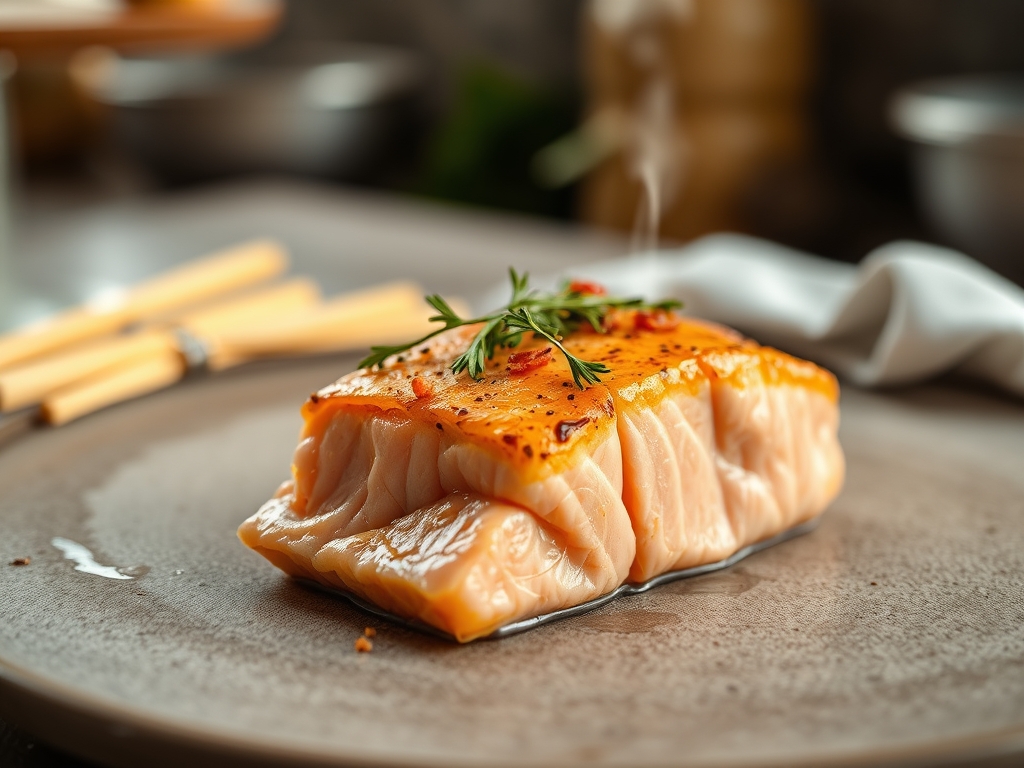
Picture this: You are standing in your kitchen at 6:00 PM on a Tuesday. Your energy is low; your hunger is high. You reach into the depths of your pantry and pull out that humble, silver cylinder of wild caught fish. Most people see a backup plan, but I see a culinary blank canvas. Finding canned pink salmon recipes easy to execute is not just about convenience; it is about unlocking the secret to high protein, shelf stable luxury. We are talking about flaky, delicate pink morsels that are ready to be transformed into restaurant quality meals in under twenty minutes. Forget the dry, sad salmon patties of your childhood. We are using molecular science and high heat to turn this pantry staple into a gourmet powerhouse.
The beauty of pink salmon lies in its lean profile and mild flavor. Unlike its fatty cousin, Sockeye, pink salmon acts as a flavor sponge. It is the perfect vehicle for bold aromatics and crisp textures. Whether we are searing it into a golden crust or folding it into a silky emulsion, the goal is to respect the protein while elevating the mouthfeel. In this guide, we are going to master six specific hacks that will change how you view your pantry forever. We will use heat, acid, and fat to bridge the gap between "canned" and "crafted." Grab your apron and your favorite heavy bottomed skillet; we are about to turn a three dollar can of fish into a thirty dollar dining experience.
The Gathers:
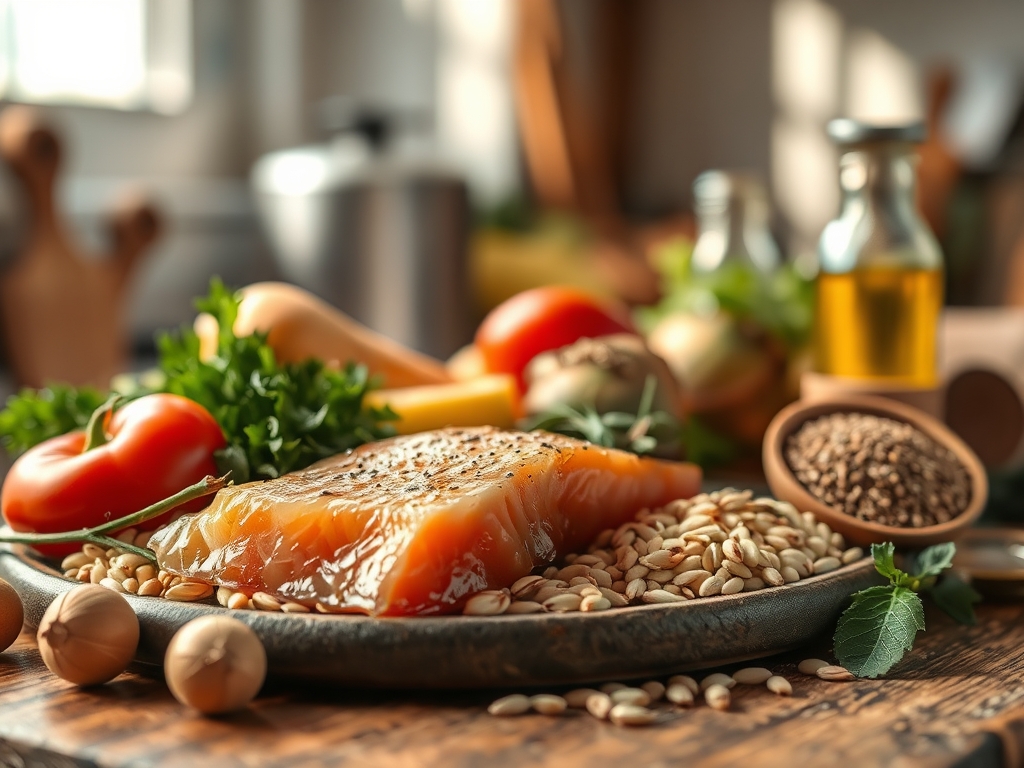
To achieve professional results, your mise-en-place must be precise. Start with two 6-ounce cans of pink salmon. You will notice a liquid known as "liquor" in the can. This is actually a concentrated brine rich in collagen and omega-3 fatty acids; do not just toss it down the drain. We will use a fine mesh sieve to separate the solids, but keep a tablespoon of that liquid to emulsify into our sauces for a deeper umami punch.
For the structural elements, you need a high quality binder. I recommend panko breadcrumbs for their airy, jagged surface area which maximizes the Maillard reaction. If you are looking for smart substitutions, almond flour provides a nutty, keto-friendly alternative that browns beautifully due to its high oil content. For your aromatics, reach for fresh dill, scallions, and a lemon. Use a microplane to zest the lemon before juicing it; the essential oils in the flavedo are far more potent than the juice alone. You will also need a high smoke point fat like avocado oil or clarified butter to ensure a crisp exterior without the bitterness of burnt milk solids.
The Clock
Efficiency in the kitchen is all about "Chef's Flow." This is the practice of overlapping tasks to eliminate dead time. Your total prep time for these hacks is a mere 10 minutes, with a cook time of 8 to 12 minutes depending on the method. While your heavy bottomed skillet preheats, you should be dicing your aromatics. Never put cold fish into a cold pan; the goal is immediate moisture evaporation to prevent sticking. By the time your oil reaches its shimmering point, your salmon mixture should be rested and ready. This resting period is vital because it allows the starches in your binder to hydrate, ensuring your cakes or fillets do not fall apart upon contact with the heat.
The Masterclass
1. The Crispy Sear Hack
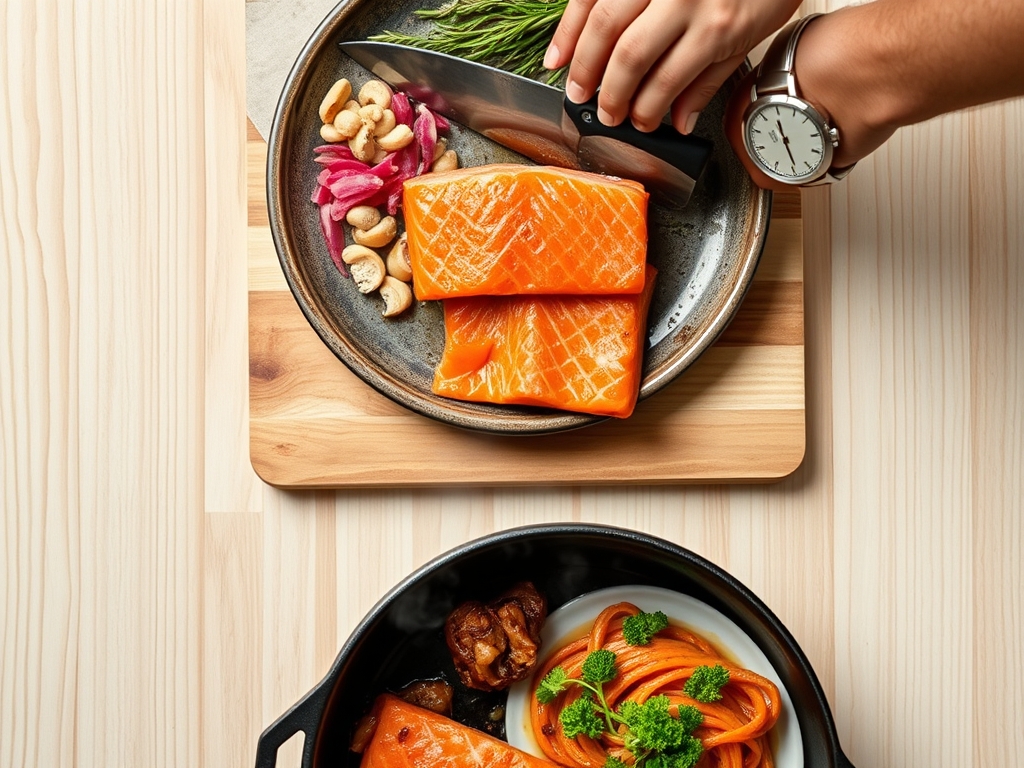
Drain your salmon thoroughly and pat it dry with a paper towel. Mix with a small amount of egg white and panko. Form into thin discs and sear in a smoking hot pan for three minutes per side.
Pro Tip: This relies on thermal carryover. Remove the cakes when they are just shy of your desired firmness. The internal residual heat will finish the cooking process without drying out the delicate proteins.
2. The Umami Pasta Fold
Boil your pasta in highly salted water. In a saucier, melt butter and sauté garlic until fragrant. Fold in the flaked salmon at the very last second, adding a splash of pasta water to create a viscous sauce.
Pro Tip: The starch in the pasta water acts as a bridge between the fat in the butter and the protein in the fish. This creates a stable emulsion that coats every strand of pasta perfectly.
3. The Zesty Salad Mousse
Whip your salmon with Greek yogurt, lemon zest, and capers. Use a silicone spatula to fold the ingredients together gently to maintain some texture.
Pro Tip: The citric acid in the lemon juice works to denature the proteins slightly, firming up the mixture while providing a piquant contrast to the rich fish oils.
4. The Salmon Fried Rice Flip
Use day-old rice and high heat. Toss the salmon in at the end of the stir fry process. Use a bench scraper to move the rice quickly across the surface of the wok.
Pro Tip: This method utilizes enzymatic browning. The high heat carmelizes the exterior of the rice grains and the salmon flakes, creating a complex, nutty flavor profile known as wok hei.
5. The Mediterranean Parchment Steam
Wrap flaked salmon, cherry tomatoes, and olives in parchment paper. Bake at 400 degrees Fahrenheit for 10 minutes.
Pro Tip: This is the en papillote technique. The moisture trapped inside the paper creates a pressurized steam environment, ensuring the salmon remains incredibly moist and infused with the aromatics.
6. The Spicy Salmon Avocado Boat
Mash avocado with lime and red pepper flakes, then top with salmon tossed in sriracha mayo.
Pro Tip: The high fat content of the avocado provides a creamy mouthfeel that compensates for the lower fat content of pink salmon, creating a balanced palate feel.
The Deep Dive
From a nutritional standpoint, canned pink salmon is a powerhouse. It is naturally low in mercury and high in Vitamin D and B12. A single serving provides roughly 20 grams of protein with minimal carbohydrates. If you are following a vegan lifestyle, you can mimic this texture using mashed chickpeas or hearts of palm, though you will lose the specific omega-3 profile. For those on a keto or gluten free journey, swap breadcrumbs for crushed pork rinds or flaxseed meal to maintain that essential crunch.
Even the best chefs hit snags. If your salmon mixture is too wet, do not just add more flour; this makes it gummy. Instead, spread the mixture on a tray and chill it in the freezer for 5 minutes to set the fats. If your fish is sticking to the pan, you likely tried to flip it too early. Wait for the protein to naturally release from the metal; this is called deglazing the surface with its own crust. If the flavor feels "flat," add a pinch of salt and a drop of white wine vinegar. Acid is the volume knob for flavor.
For meal prep, reheating salmon can be tricky. Avoid the microwave, which vibrates water molecules too violently and toughens the fish. Instead, use a toaster oven at a low temperature or a covered skillet with a teaspoon of water to gently re-steam the protein to "day-one" quality.
The Wrap-Up
Mastering canned pink salmon recipes easy is the ultimate kitchen flex. You have learned how to use a microplane for aromatics, how to manage thermal carryover, and how to create a perfect emulsion. You are no longer just opening a can; you are engineering a meal. These six hacks are your foundation. Take these techniques, experiment with different spices, and remember that great cooking is as much about chemistry as it is about heart. Now, go turn that pantry staple into a masterpiece!
The Kitchen Table
How do I stop canned salmon from smelling fishy?
Drain the salmon thoroughly and rinse it with cold water. Pat it dry, then hit it with heavy acidity like lemon juice or vinegar. The acid neutralizes the trimethylamine molecules responsible for that characteristic "fishy" odor.
Can I eat the bones in canned pink salmon?
Yes, the bones are completely edible and highly nutritious. The canning process softens them until they are easily mashable with a fork. They provide a massive boost of bioavailable calcium and disappear completely when mixed into recipes.
Is canned pink salmon as healthy as fresh?
In many cases, yes. Canned salmon is typically wild caught and processed immediately, locking in nutrients. It contains similar levels of protein and omega-3 fatty acids as fresh fillets, often at a fraction of the price and environmental impact.
What is the best way to thicken a salmon sauce?
Use a splash of starchy pasta water or a small amount of heavy cream. Simmer the liquid in a saucier until it reduces and coats the back of a spoon. This creates a silky, professional finish without using heavy thickeners.