
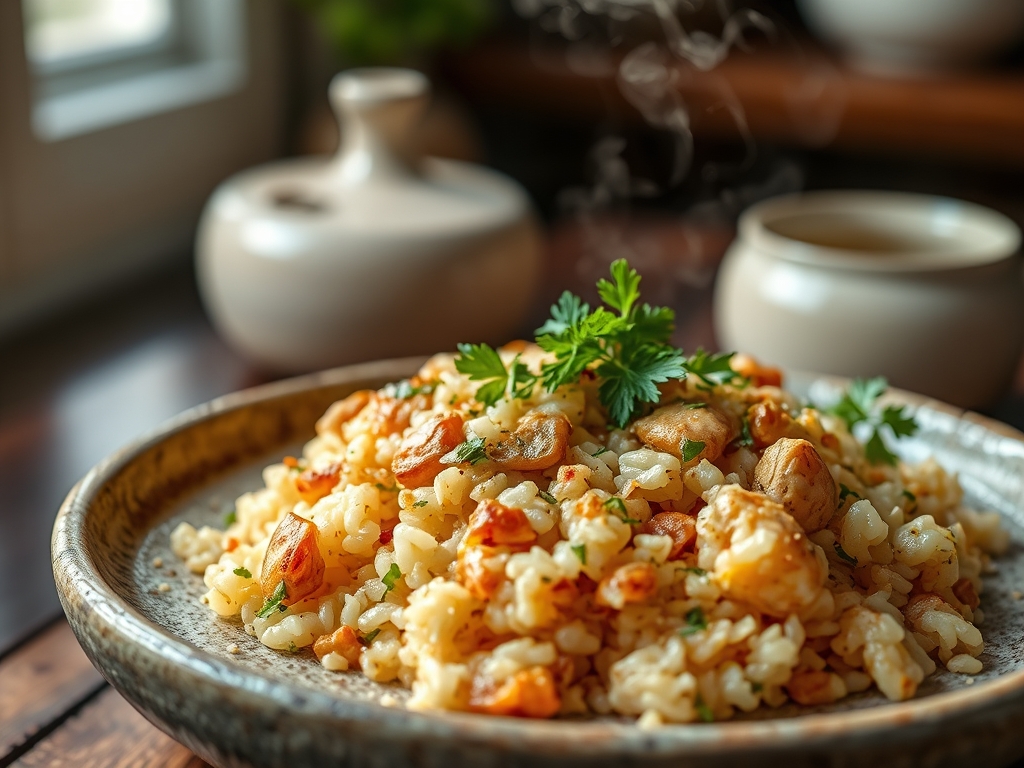
Picture the scent of rendered schmaltz hitting a hot pan; it is the olfactory equivalent of a warm hug. When you are craving comfort, nothing beats the holy trinity of chicken rice and potato recipes. This combination provides the perfect balance of lean protein, fluffy grains, and starchy tubers to satisfy your deepest hunger and soothe your soul.
The beauty of these ingredients lies in their structural versatility. You are not just tossing things in a pot; you are orchestrating a symphony of textures. The chicken provides the savory backbone; the rice acts as a neutral canvas for flavor; and the potatoes offer a creamy, earthy finish. Whether you are looking for a one-pan wonder or a layered casserole, mastering these three staples is the ultimate kitchen flex. We are going to dive deep into the molecular magic that makes these blends work, ensuring every bite is technically perfect and emotionally resonant. Grab your apron and your favorite heavy-bottomed skillet because we are about to transform these pantry basics into culinary gold.
The Gathers:
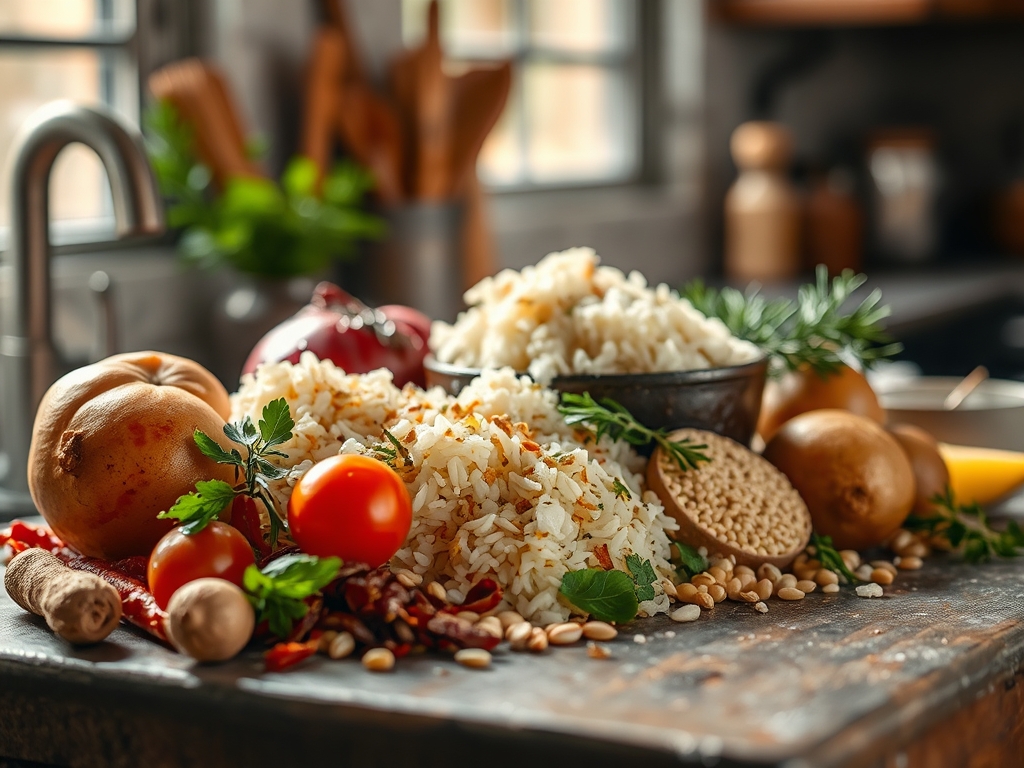
To execute these chicken rice and potato recipes with precision, your mise-en-place must be impeccable. Start with high-quality Maillard-ready proteins. I prefer bone-in, skin-on thighs for their high collagen content, which transforms into silky gelatin during the cooking process. For the rice, long-grain varieties like Basmati or Jasmine are essential because their low amylopectin content prevents the grains from becoming a gummy mess. When it comes to potatoes, reach for a waxy variety like Yukon Gold. These tubers hold their hexagonal cell structure even under intense heat, providing a buttery mouthfeel without disintegrating into the sauce.
Your aromatics should include the classic mirepoix: onions, carrots, and celery. Use a microplane to zest fresh lemon and grate garlic into a fine paste; this increases surface area and ensures the essential oils infuse the fat instantly. For liquids, a homemade bone broth is superior because its viscous nature creates a luxurious mouthfeel that water simply cannot replicate.
Smart Substitutions:
If you are out of Basmati, pearled farro offers a nutty, chewy alternative that stands up well to long braises. If Yukon Golds are missing from your pantry, red bliss potatoes are an excellent swap. For a piquant twist, replace half of your chicken stock with a dry white wine like Sauvignon Blanc to deglaze the pan and add a bright acidity that cuts through the starch.
The Clock:
Efficiency in the kitchen is all about the "Chef's Flow." For most chicken rice and potato recipes, you are looking at a 20-minute prep window followed by a 40-minute active cook time. The secret is overlapping your tasks. While your heavy-bottomed skillet is preheating, use a sharp chef's knife to cube your potatoes into uniform half-inch pieces. Consistency in size ensures that every piece reaches the same internal temperature simultaneously.
Once the chicken is searing, use that "dead time" to rinse your rice in a fine-mesh strainer. Rinsing removes excess surface starch, which is the primary culprit behind clumpy rice. By the time the chicken has rendered its fat, your vegetables should be chopped and your liquids measured. This rhythmic approach prevents the frantic searching for ingredients that often leads to overcooked protein or scorched aromatics.
The Masterclass:
1. The Sear and Render
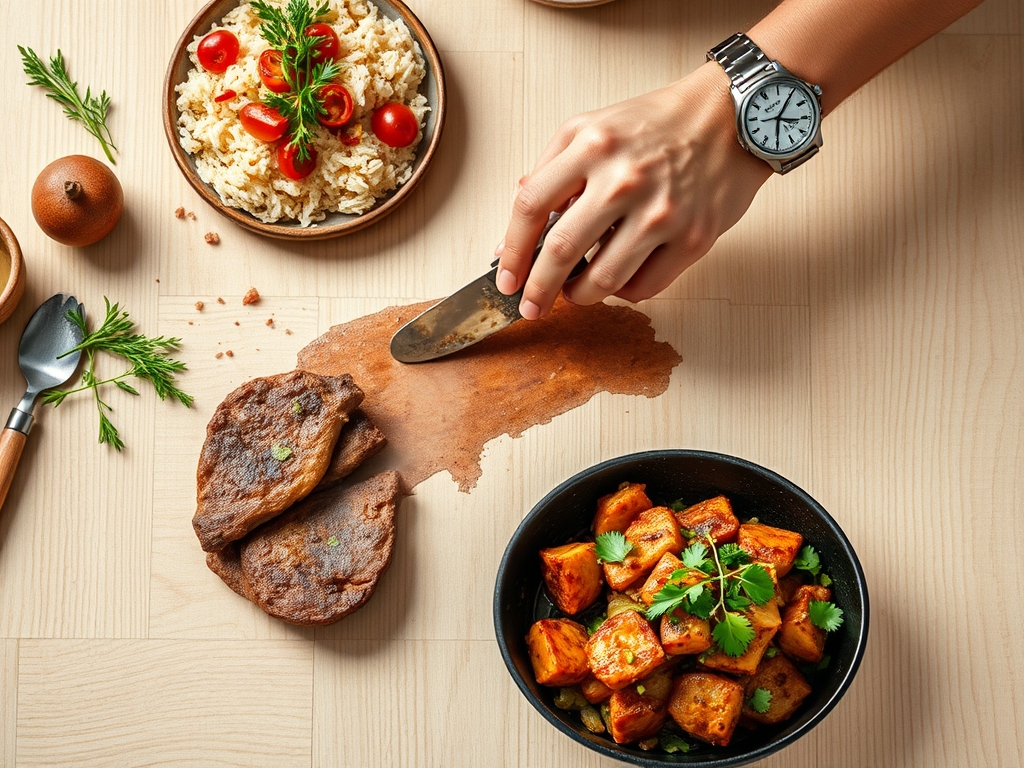
Place your chicken skin-side down in a cold skillet and gradually increase the heat. This method allows the fat to render slowly, resulting in a shatteringly crisp skin. Use tongs to flip the meat once it releases naturally from the pan surface.
Pro Tip: This is the Maillard reaction in action. By starting cold, you prevent the proteins from seizing, which keeps the meat tender while maximizing the development of complex flavor molecules.
2. Sautéing the Aromatics
Remove the chicken and toss in your diced potatoes and onions. Use a bench scraper to move your chopped veggies from the board to the pan efficiently. Sauté until the onions are translucent and the potatoes have developed a golden crust.
Pro Tip: This stage involves enzymatic browning. The sugars in the vegetables caramelize in the residual chicken fat, creating a foundational layer of umami that will permeate the rice later.
3. Toasting the Grains
Add your rinsed rice directly to the fat in the pan. Stir constantly for two minutes until the edges of the rice grains look translucent and smell slightly nutty.
Pro Tip: Toasting the rice coats each grain in fat, which acts as a barrier. This physical boundary prevents the grains from absorbing water too quickly, ensuring they remain distinct and "al dente" after simmering.
4. The Deglaze and Simmer
Pour in your liquid of choice, using a wooden spoon to scrape up the brown bits (fond) from the bottom of the pan. Return the chicken to the skillet, nestling it into the rice and potatoes. Cover with a tight-fitting lid.
Pro Tip: Deglazing captures the concentrated flavors stuck to the pan. The lid creates a sealed environment for convection cooking, where steam circulates to cook the chicken and hydrate the rice evenly.
5. The Rest and Aerate
Once the liquid is absorbed, remove the pan from the heat but keep the lid on for five minutes. Afterward, use a fork to gently aerate the rice.
Pro Tip: This resting period allows for thermal carryover. The residual heat finishes cooking the center of the potatoes while the steam redistributes, preventing the bottom layer of rice from becoming scorched or dry.
The Deep Dive:
From a nutritional standpoint, these chicken rice and potato recipes are a powerhouse. A standard serving provides approximately 35 grams of protein, 45 grams of complex carbohydrates, and 12 grams of healthy fats. It is a balanced "plate" in a single bowl.
Dietary Swaps:
For a Vegan version, swap the chicken for smoked extra-firm tofu and use a rich mushroom dashi instead of chicken broth. For those following a Keto protocol, replace the rice with cauliflower rice and the potatoes with radishes; when roasted, radishes lose their peppery bite and mimic the texture of a red potato. If you are Gluten-Free, this meal is naturally safe, provided your chicken stock is certified GF.
The Fix-It:
- Gummy Rice: This usually means you skipped the rinsing or toasting step. Fix it by spreading the mixture on a sheet pan and placing it under the broiler for two minutes to evaporate excess moisture.
- Underdone Potatoes: If the rice is finished but the potatoes are hard, add a splash of hot broth, cover tightly, and let it sit on low heat for five more minutes.
- Dry Chicken: This happens if the heat was too high. Next time, use a digital scale to ensure your chicken pieces are of equal weight, or use a meat thermometer to pull the chicken at 160 degrees Fahrenheit, allowing carryover heat to reach 165.
Meal Prep Science:
When reheating, the starch in potatoes and rice undergoes retrogradation, where it hardens as it cools. To restore "day-one" quality, add a tablespoon of water or broth before microwaving. This creates a mini steam chamber that re-hydrates the starch granules, making them soft and supple again.
The Wrap-Up:
Mastering chicken rice and potato recipes is like learning the secret language of comfort food. By understanding the science of the Maillard reaction, the importance of rendering fat, and the physics of steam, you elevate a humble weeknight dinner into a gourmet experience. These seven blends offer a roadmap to culinary confidence, proving that simple ingredients, when treated with technical respect, produce the most extraordinary results. Go forth, experiment with your aromatics, and enjoy the delicious rewards of your labor!
The Kitchen Table:
Can I cook the rice and potatoes in the same pan?
Yes, but size matters. Cut your potatoes into small half-inch cubes so they cook at the same rate as the rice. Waxy potatoes like Yukon Gold work best as they maintain their structure during the simmering process.
Why is my rice always mushy in these recipes?
Mushy rice is usually caused by excess surface starch. Always rinse your rice in cold water until it runs clear and toast it in the pan with fat before adding liquid to create a protective barrier around each grain.
What is the best chicken cut for one-pot recipes?
Bone-in, skin-on thighs are the gold standard. They contain more fat and collagen than breasts, which prevents them from drying out during the long simmer and adds a silky, viscous quality to the cooking liquid.
How do I get crispy skin if the chicken is simmering?
Sear the chicken skin-side down first until it is deeply browned and crisp. When adding the liquid and rice, nestle the chicken on top with the skin facing up, ensuring the liquid doesn't submerge the crispy surface.