
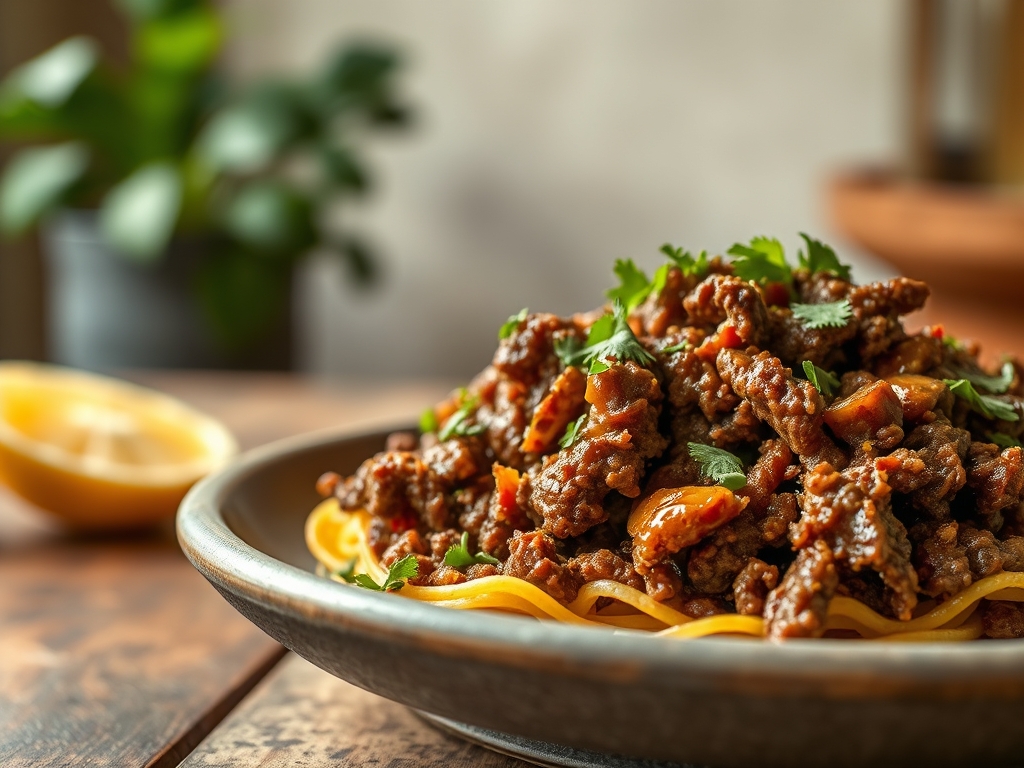
Close your eyes and listen for that distinctive, aggressive sizzle. It is the sound of moisture evaporating and proteins transforming into something legendary. When you are hunting for the ultimate tex mex ground beef recipes, you are not just looking for dinner; you are looking for that perfect balance of rendered fat, piquant spices, and the deep umami of properly seared protein. It is the difference between a sad, grey pile of meat and the vibrant, mahogany crumble that defines a world-class taco or enchilada filling.
Most home cooks treat ground beef as a secondary thought, but we are going to treat it like a science experiment with a delicious outcome. We are talking about the Maillard reaction, the chemical dance between amino acids and reducing sugars that creates hundreds of different flavor compounds. Achieving that crust while maintaining a juicy interior requires more than just a pan and a spatula. It requires intention, heat management, and a few professional secrets that will turn your kitchen into the neighborhood's favorite cantina. Grab your favorite heavy-bottomed skillet; we are about to elevate your weeknight routine into a culinary masterclass.
The Gathers:
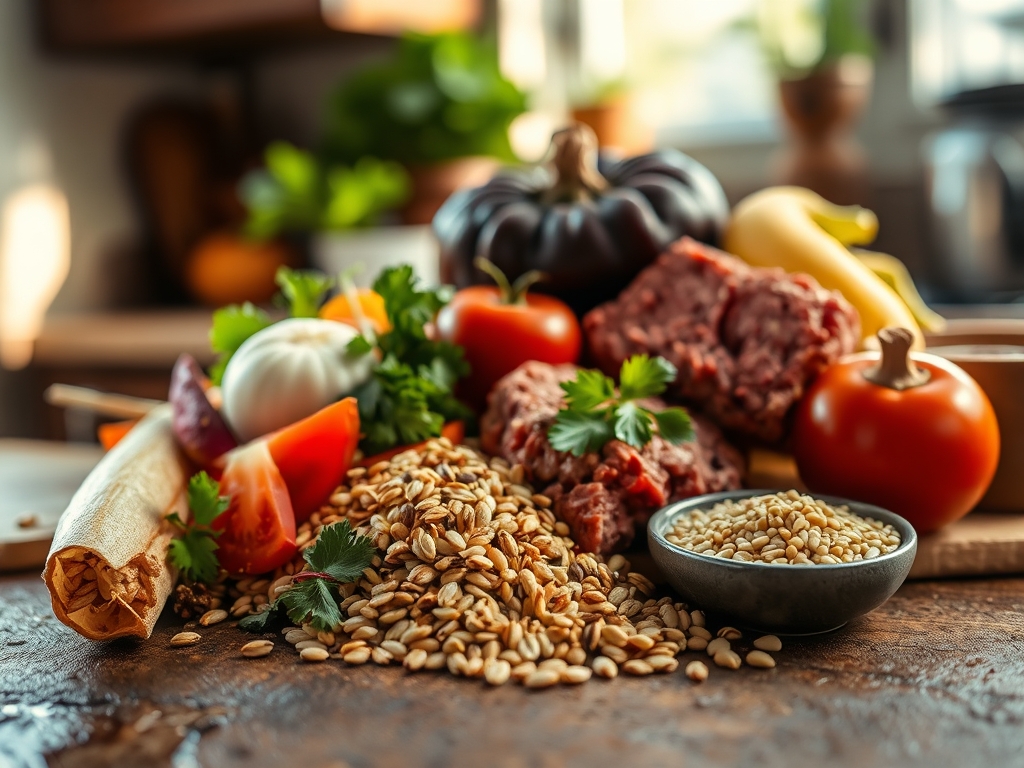
To execute these tex mex ground beef recipes with precision, your mise-en-place must be immaculate. We start with the beef. Aim for an 80/20 blend. The 20 percent fat content is non-negotiable because fat is the primary carrier for the fat-soluble compounds in your spices. If you go too lean, your spices will taste dusty rather than vibrant.
Next, gather your aromatics. You will need a white onion for its sharp sulfur content and fresh garlic. Do not use the pre-minced jarred stuff; the citric acid used for preservation ruins the flavor profile. For the spice blend, we are looking for high-quality toasted cumin, smoked paprika, Mexican oregano, and ancho chili powder. Use a digital scale to ensure consistency if you are making a large batch.
Smart Substitutions: If you are looking to lighten the load without sacrificing the viscous mouthfeel, swap 25 percent of the beef for finely minced cremini mushrooms. They provide an incredible umami boost and mimic the texture of ground meat perfectly. If you lack ancho chili powder, a tablespoon of tomato paste deglazed with a splash of beef stock will provide that same deep, earthy base.
The Clock: 15 Minutes Prep, 20 Minutes Cook
The "Chef's Flow" is all about overlapping tasks to maximize efficiency. Your prep time is dedicated to dicing aromatics and measuring spices. The cooking time is divided into three distinct phases: the sear, the sweat, and the simmer.
During the first five minutes, your focus is entirely on the meat. The middle ten minutes involve integrating the vegetables and blooming the spices. The final five minutes are for the "finish," where you adjust the acidity and salt. Total active time is roughly 35 minutes, making this the crown jewel of quick-turnaround tex mex ground beef recipes.
The Masterclass:
1. The Cold Start Myth
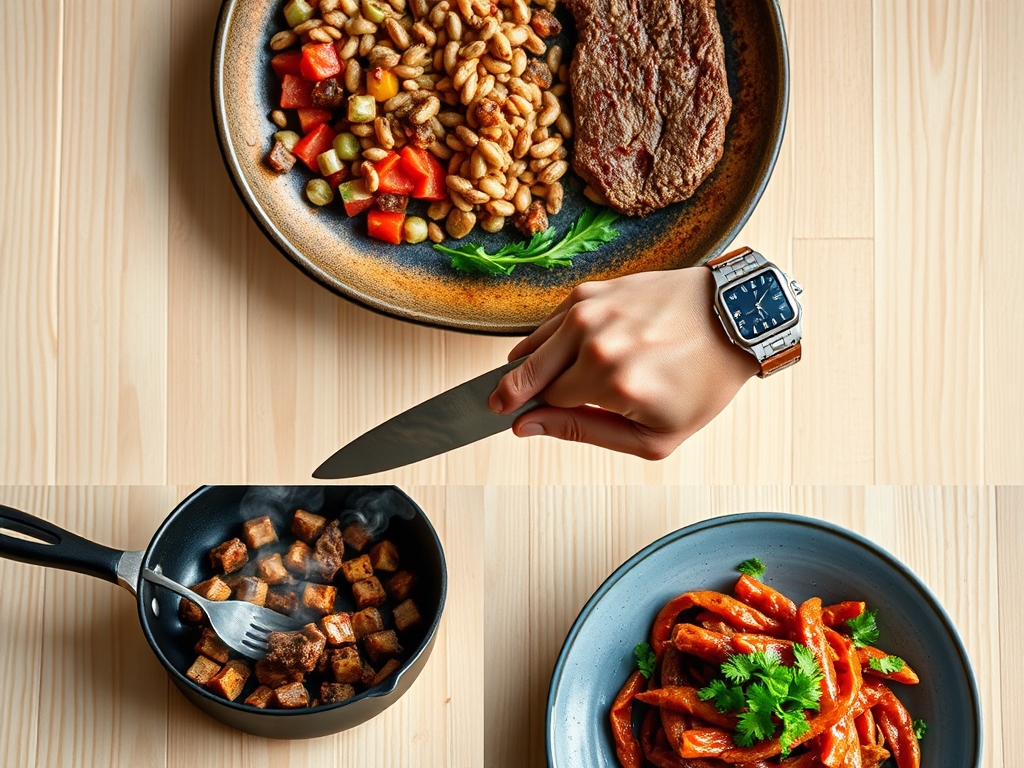
Place your heavy-bottomed skillet over medium-high heat until it is wispy with smoke. Add a teaspoon of high-smoke-point oil. Only then do you add the beef in large chunks, leaving space between them. Do not crowd the pan.
Pro Tip: This prevents "steaming." If you add too much meat at once, the pan temperature drops, causing the meat to release its juices and boil in its own liquid rather than searing.
2. The Patient Sear
Resist the urge to stir. Let the beef sit for at least three minutes until a dark brown crust forms. Use a bench scraper or a sturdy metal spatula to flip the chunks.
Pro Tip: This is the Maillard reaction in action. By waiting, you allow the surface temperature to exceed 300 degrees Fahrenheit, which is the threshold for complex flavor development.
3. The Fat Render
Once seared, break the meat into smaller crumbles. As the fat begins to render, move the meat to the perimeter of the pan, creating a "well" in the center.
Pro Tip: Using the rendered beef fat to sauté your onions and peppers is a technique called "confit-style frying." It infuses the vegetables with the essence of the beef from the inside out.
4. Blooming the Spices
Add your dry spices directly into the hot fat in the center of the pan. Stir them for exactly 45 seconds until they become fragrant.
Pro Tip: Spices contain volatile oils that are "locked" inside the dried plant matter. Heating them in fat (blooming) releases these oils, significantly increasing the aromatic intensity of your tex mex ground beef recipes.
5. Deglazing the Fond
Add a splash of beef stock or a squeeze of lime juice to the pan. Use your spatula to scrape up the brown bits stuck to the bottom.
Pro Tip: Those brown bits are called fond. They are concentrated nuggets of flavor. Deglazing dissolves them into a sauce, ensuring no flavor is wasted.
6. The Emulsification
Add a small amount of liquid (stock or tomato sauce) and simmer. Stir frequently to combine the rendered fat with the liquid.
Pro Tip: This creates a light emulsion. The proteins and fats bind with the liquid to create a silky, viscous coating rather than a greasy puddle.
7. The Acid Balance
Just before turning off the heat, zest a lime over the pan using a microplane.
Pro Tip: Heat kills the delicate top notes of citrus. Adding zest at the very end provides a bright, floral contrast to the heavy, earthy spices.
8. The Carryover Rest
Remove the pan from the heat while the meat still looks slightly moist. Let it sit for three minutes before serving.
Pro Tip: This accounts for thermal carryover. The internal temperature will continue to rise by a few degrees, finishing the cook perfectly without drying out the fibers.
The Deep Dive:
From a macro perspective, this recipe is a protein powerhouse. A standard four-ounce serving provides roughly 22 grams of protein and 15 grams of fat. To make this Keto-friendly, serve it over riced cauliflower with extra avocado. For a Vegan version, utilize a soy-based crumble or lentils, but double the smoked paprika to mimic the "charred" flavor of beef.
The Fix-It:
- Too Greasy? Do not drain all the fat; you will lose flavor. Instead, tilt the pan and use a folded paper towel held by tongs to dab away the excess.
- Too Dry? Whisk a teaspoon of cornstarch into half a cup of beef broth and stir it in. This creates a "velvet" effect.
- Too Salty? Add a tablespoon of unsweetened cocoa powder. It deepens the color and the bitterness balances the sodium.
Meal Prep: When reheating, never use a microwave on high power. It toughens the protein. Instead, use a saucier on the stovetop with a tablespoon of water. Cover it to create steam, which rehydrates the meat to "day-one" quality.
The Wrap-Up:
Mastering these tex mex ground beef recipes is about more than just following a list of ingredients; it is about understanding the physics of the pan. When you prioritize the sear and respect the blooming process, you transform humble ground meat into a culinary centerpiece. You have the tools, you have the science, and you definitely have the appetite. Now, get into that kitchen and make something bold!
The Kitchen Table:
How do I prevent my ground beef from being chewy?
Avoid over-working the meat when it is raw. Over-handling develops tough proteins. Additionally, ensure you do not boil the meat in its own juices; sear it in small batches to maintain high heat and a tender texture.
What is the best way to store leftovers?
Store in an airtight glass container for up to four days. Glass is superior to plastic because it does not absorb the strong pigments from the chili powder or the odors of the garlic and onions.
Can I freeze this cooked beef?
Yes. Allow the meat to cool completely before placing it in a vacuum-sealed bag. It will maintain its quality for up to three months. Thaw in the refrigerator overnight before reheating on the stovetop.
Why does my taco meat taste bland?
You likely missed the blooming stage. Spices need to be toasted in fat to release their full flavor profile. Also, ensure you have enough acidity from lime or vinegar to "wake up" the heavy spices.