
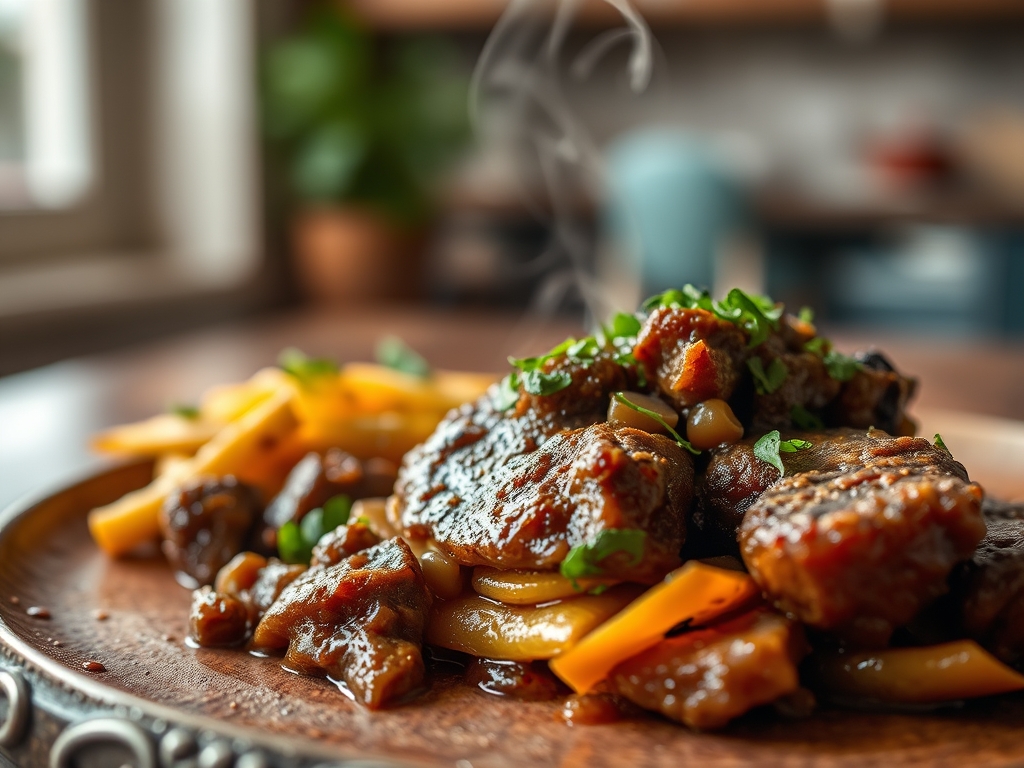
Picture the scent of rendered fat hitting a scorching heavy-bottomed skillet; it is a primal, heady perfume that defines the soul of a Levantine kitchen. When you dive into authentic middle eastern beef recipes, you are not just cooking dinner; you are engaging in a centuries-old masterclass of spice-driven chemistry. We are talking about the Maillard reaction meeting the cooling brightness of sumac and the deep, earthy richness of seven-spice blends. From the crispy edges of a well-seared Kofta to the velvet tenderness of a slow-braised stew, these dishes rely on the perfect balance of acidity and fat. If you have ever wondered why restaurant hummus tastes better with a crown of spiced beef, or why a Kibbeh shell shatters just right, you are in the right place. We are going to deconstruct nine legendary classics using modern culinary science so you can replicate that deep, ancestral flavor in your own kitchen with total confidence and a bit of flair.
The Gathers:
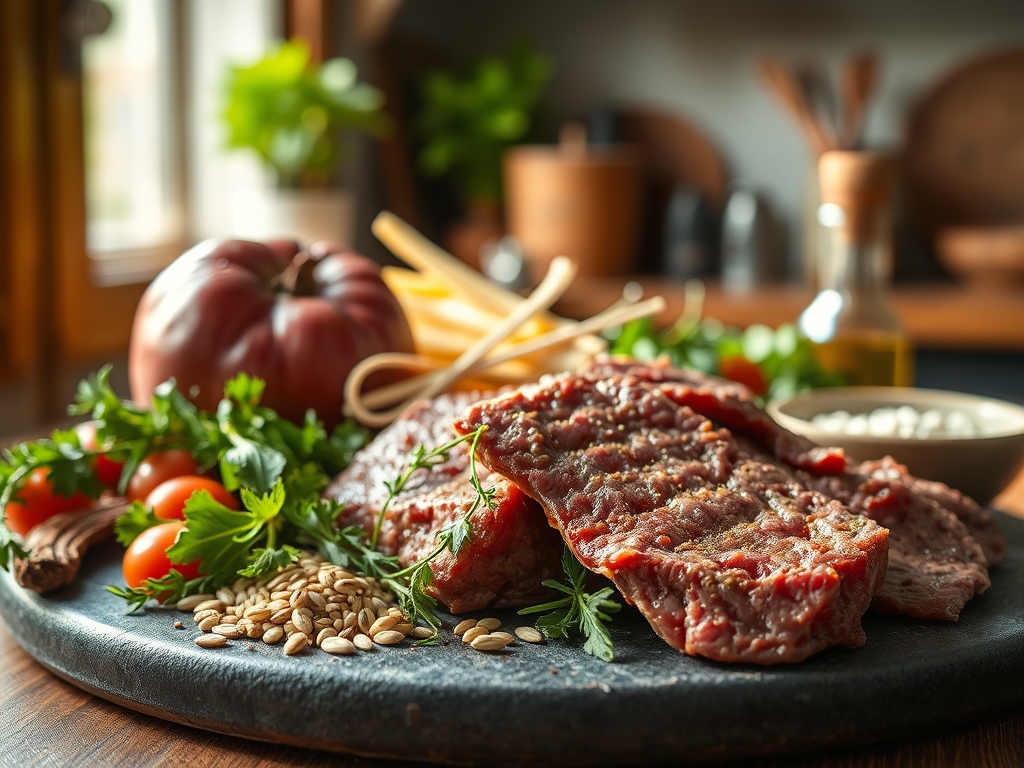
To master these middle eastern beef recipes, your mise-en-place must be precise. Start with your protein; look for grass-fed beef with a fat content of at least 20 percent for kebabs to ensure the meat stays moist during high-heat grilling. You will need a microplane for zesting lemons and grating fresh garlic into a fine paste, which allows the sulfurous compounds to distribute evenly through the muscle fibers. Your pantry should boast high-quality tahini (look for a viscous, pourable texture), piquant Aleppo pepper, and deep mahogany sumac.
Smart Substitutions: If you cannot find authentic Baharat, you can mimic the profile by blending black pepper, cumin, coriander, and a touch of cinnamon. For those avoiding nightshades, swap paprika with a pinch of turmeric and extra cumin to maintain that golden hue. If you lack a traditional charcoal grill, a heavy-bottomed cast iron skillet is your best friend for achieving that essential charred crust.
The Clock
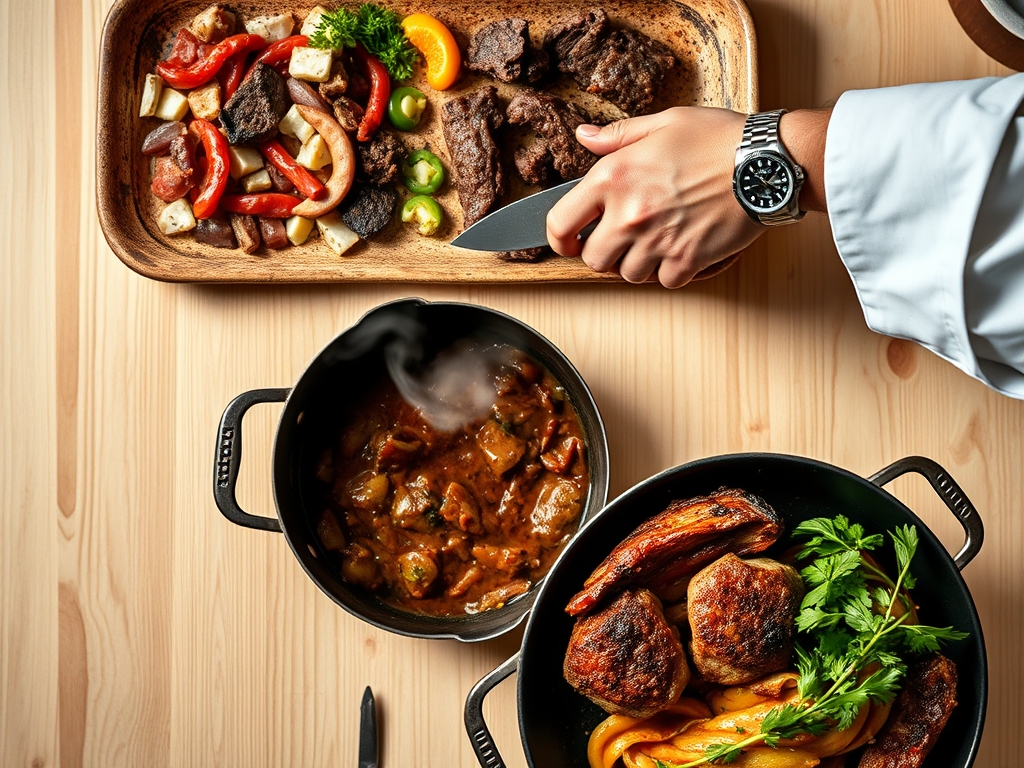
Efficiency in the kitchen is all about the "Chef's Flow." For these nine classics, expect a total active prep time of about 45 minutes, with cooking times varying from a quick 10-minute sear for Shawarma-style strips to a 2-hour slow simmer for beef and okra stew (Bamya).
The secret to the flow is parallel processing. While your beef marinate is undergoing enzymatic tenderization in the fridge, use that time to whip up your Toum or Tahini sauce. Always allow your meat to rest for at least 10 minutes post-cook; this prevents the internal juices from rushing out, ensuring every bite remains succulent. If you are meal prepping, remember that many of these flavors actually deepen after 24 hours as the volatile aromatics in the spices continue to infuse the fat.
The Masterclass:
1. The Perfect Sear for Beef Shawarma
Slice your beef into thin, uniform strips against the grain to shorten the muscle fibers. Heat your skillet until it reaches the smoke point before adding the meat in a single layer. Use tongs to flip only once the meat releases naturally from the pan.
Pro Tip: This is the Maillard reaction in action. By not overcrowding the pan, you prevent the meat from steaming in its own juices, ensuring a crispy, caramelized exterior.
2. Emulsifying the Tahini Sauce
In a small saucier, whisk together tahini, lemon juice, and ice-cold water. It will initially seize and look broken, but keep whisking vigorously to create a smooth, creamy emulsion.
Pro Tip: Cold water helps stabilize the emulsion by slowing down the movement of fat molecules, resulting in a lighter, fluffier sauce that clings perfectly to the beef.
3. Folding the Kibbeh Dough
When mixing ground beef with soaked bulgur wheat, use a bench scraper to fold the mixture on a clean surface. You want a homogenous "dough" that holds its shape without being overworked.
Pro Tip: Overworking the meat can lead to protein cross-linking, making the Kibbeh tough. Keep your hands cold to prevent the fat from melting prematurely.
4. Aerating the Kofta Mix
Grate onions directly into a fine-mesh strainer and squeeze out every drop of liquid before adding the pulp to your beef. This prevents the kebabs from falling off the skewer.
Pro Tip: Removing excess moisture ensures the meat proteins can bond tightly. The onion juice can be used later to deglaze a pan for a quick pan-sauce.
5. Deglazing for Stews (Bamya)
After browning your beef cubes, pour in a splash of beef stock or diluted pomegranate molasses to scrape up the brown bits (fond) from the bottom of the pot.
Pro Tip: Those brown bits are concentrated flavor. Deglazing incorporates these complex sugars back into the liquid, creating a rich, layered sauce.
6. Tempering the Spices
Always toast your dry spices in a dry pan for 30 seconds before adding oil or meat. This wakes up the essential oils and intensifies the aroma.
Pro Tip: This process is called blooming. It converts the fat-soluble flavor compounds into a form that the palate can perceive more readily.
7. Managing Thermal Carryover
Remove your beef kebabs from the heat when they are 5 degrees below your target internal temperature. Use a digital scale to ensure all kebabs are the same weight for even cooking.
Pro Tip: Thermal carryover means the internal temperature will continue to rise as the meat rests. Pulling it early prevents overcooking and dryness.
8. Infusing the Rice (Hashweh)
When making the spiced rice meat filling, toast the dry rice in the rendered beef fat before adding the liquid.
Pro Tip: Coating the rice grains in fat prevents the starch from gelatinizing too quickly, resulting in fluffy, individual grains rather than a sticky mass.
9. The Final Acid Hit
Just before serving, garnish with fresh parsley and a heavy dusting of sumac or a squeeze of lemon.
Pro Tip: Acidity acts as a flavor enhancer that cuts through the richness of the beef fat, brightening the entire dish and balancing the palate.
The Deep Dive
From a nutritional standpoint, these middle eastern beef recipes are powerhouses of protein, iron, and B-vitamins. A standard serving of Kofta provides roughly 25g of protein with moderate fats. To make these Keto-friendly, simply swap the rice or pita for a bed of roasted cauliflower or a crisp cucumber-tomato salad. For a Vegan swap, high-quality plant-based crumbles work surprisingly well when seasoned with the same heavy hand of cumin and allspice.
The Fix-It:
- Dry Meat: If your beef is dry, you likely used a cut that was too lean. Next time, add a tablespoon of olive oil or grated suet to the mix.
- Bland Flavor: This usually means a lack of salt or acid. Add a pinch of sea salt and a squeeze of lemon to "wake up" the spices.
- Meat Falling Apart: If your kebabs won't stay on the skewer, the meat was too warm. Chill the mixture for 30 minutes before shaping to let the fats solidify.
Meal Prep: When reheating, avoid the microwave if possible. Reheat beef in a covered skillet with a tablespoon of water to create steam, which preserves the moisture and prevents the fats from becoming "waxy."
The Wrap-Up
Mastering these middle eastern beef recipes is about more than just following a list of ingredients; it is about understanding how heat, fat, and acid interact to create something magical. Whether you are searing Shawarma or simmering a rich stew, remember that the "secret" ingredient is usually just a bit of patience and a lot of bold seasoning. Now, grab your heavy-bottomed skillet and get to work; your kitchen is about to smell incredible!
The Kitchen Table
How do I keep my beef kebabs from being tough?
Avoid over-mixing the meat. Use a light touch to combine ingredients and ensure your beef has at least 20 percent fat. Chilling the mixture before grilling also helps the proteins stay tender during the cooking process.
What is the best cut of beef for Middle Eastern stews?
Chuck roast or shank is ideal. These cuts contain high amounts of collagen which, when simmered slowly, breaks down into gelatin. This creates a luxurious, viscous sauce and meat that pulls apart with a fork.
Can I make these recipes ahead of time?
Yes! Most spiced beef dishes taste better the next day. The spices have more time to infuse the fats. Store in airtight containers and reheat gently on the stove with a splash of water to maintain moisture.
Why is my tahini sauce bitter?
Bitterness usually comes from over-processing or using low-quality tahini. Ensure you are using a brand that is smooth and pale. Adding a touch of maple syrup or extra lemon juice can help balance any residual bitterness.