
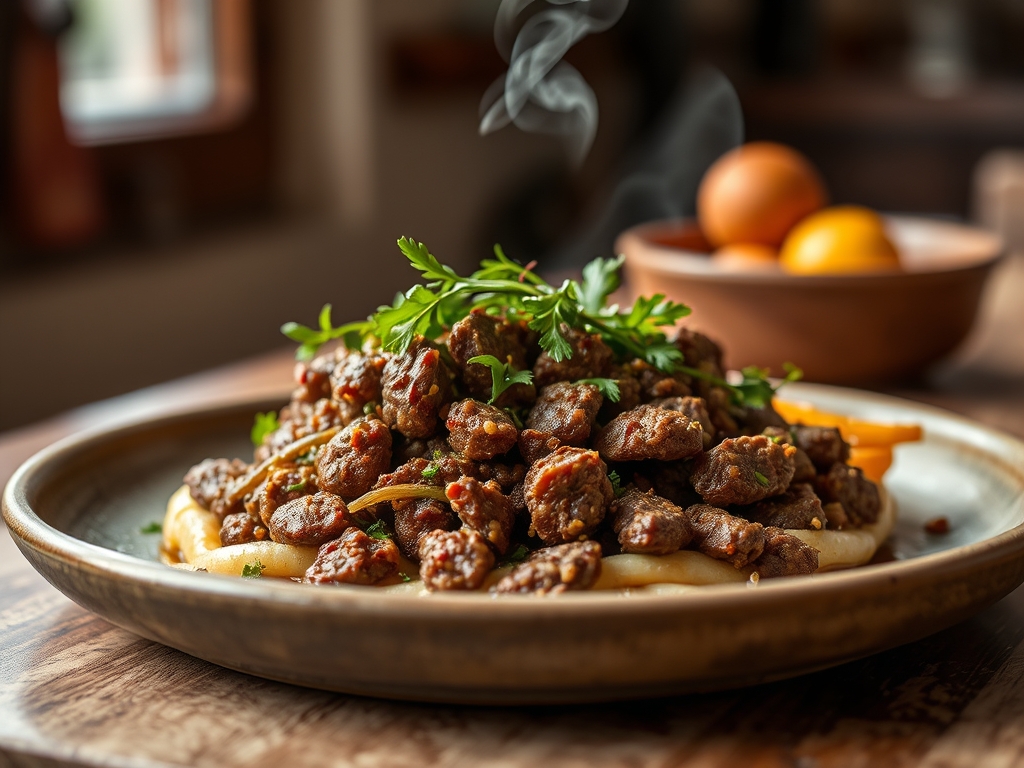
Picture the sound of a heavy-bottomed cast iron skillet hitting a high-flame burner. There is a specific, rhythmic sizzle that happens when cold protein meets searing heat; it is the sound of the Maillard reaction beginning its magical transformation of humble protein into a gourmet centerpiece. If you think ground meat is just for Tuesday night tacos, you are about to experience a total culinary paradigm shift. These fancy ground beef recipes elevate the everyday into the extraordinary by utilizing professional techniques and unexpected flavor profiles. We are moving beyond the basic burger and into the realm of silky ragus, spice-crusted terrines, and herb-infused delicacies that would feel right at home on a white-linen tablecloth.
Ground beef is the ultimate canvas for a home chef because it offers a high surface area for browning and an incredible capacity to absorb aromatics. When we talk about fancy ground beef recipes, we are focusing on the quality of the fat-to-lean ratio and the precision of the sear. By treating this accessible ingredient with the same reverence as a prime ribeye, you unlock a world of deep, umami-rich flavors that are both comforting and sophisticated. Grab your favorite apron and a glass of something crisp; we are about to turn your kitchen into the most exclusive bistro in town.
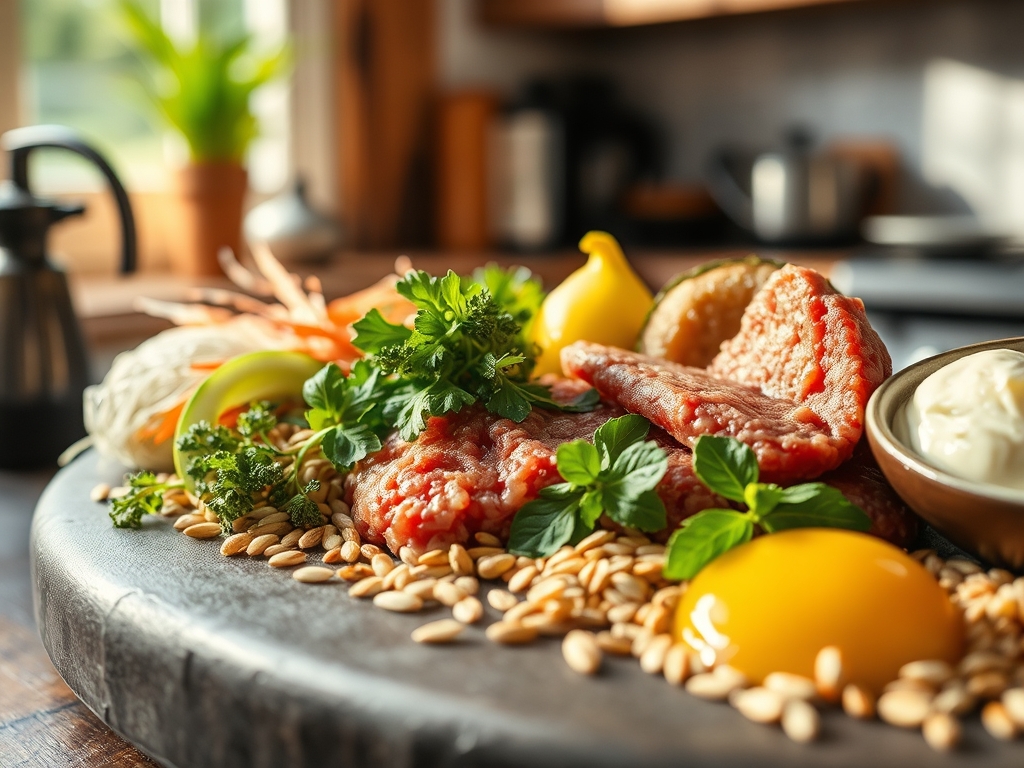
The Gathers:
To execute these fancy ground beef recipes with precision, your mise-en-place must be impeccable. Start with the beef itself; look for a 20 percent fat content, often labeled as ground chuck, to ensure a succulent mouthfeel. You will need high-quality aromatics including shallots, which provide a more delicate, piquant profile than standard onions, and fresh garlic cloves rather than the pre-minced variety. Herbs should be vibrant and turgid; think woody rosemary, earthy thyme, and bright flat-leaf parsley.
For the liquids, keep a dry red wine like a Cabernet Sauvignon nearby for deglazing, along with a rich, gelatinous bone broth to provide a viscous body to your sauces. You will also need a high-smoke-point oil, such as avocado or grapeseed oil, to achieve that perfect crust without the bitterness of burnt lipids.
Smart Substitutions: If you cannot find high-fat ground beef, you can finely grate frozen butter into leaner meat using a microplane to mimic the marbling. For a non-alcoholic deglazing agent, use a splash of verjus or a high-quality balsamic vinegar diluted with a bit of water. If shallots are unavailable, the white parts of green onions offer a similar, albeit sharper, aromatic bite.
The Clock
Efficiency in the kitchen is all about the "Chef's Flow." For most of these fancy ground beef recipes, you are looking at a 15-minute preparation window followed by a 30 to 45-minute cook time. The key is to utilize the "down time" during the rendering process. While the meat is browning undisturbed in the skillet, use that window to mince your aromatics or prepare your garnishes.
Total time usually clocks in at one hour. This includes the crucial five-minute resting period for the meat, which allows the internal juices to redistribute and ensures your final presentation is not swimming in excess moisture. By syncing your tasks, you ensure that the stovetop elements and the oven-finished components reach their peak temperature simultaneously.
The Masterclass
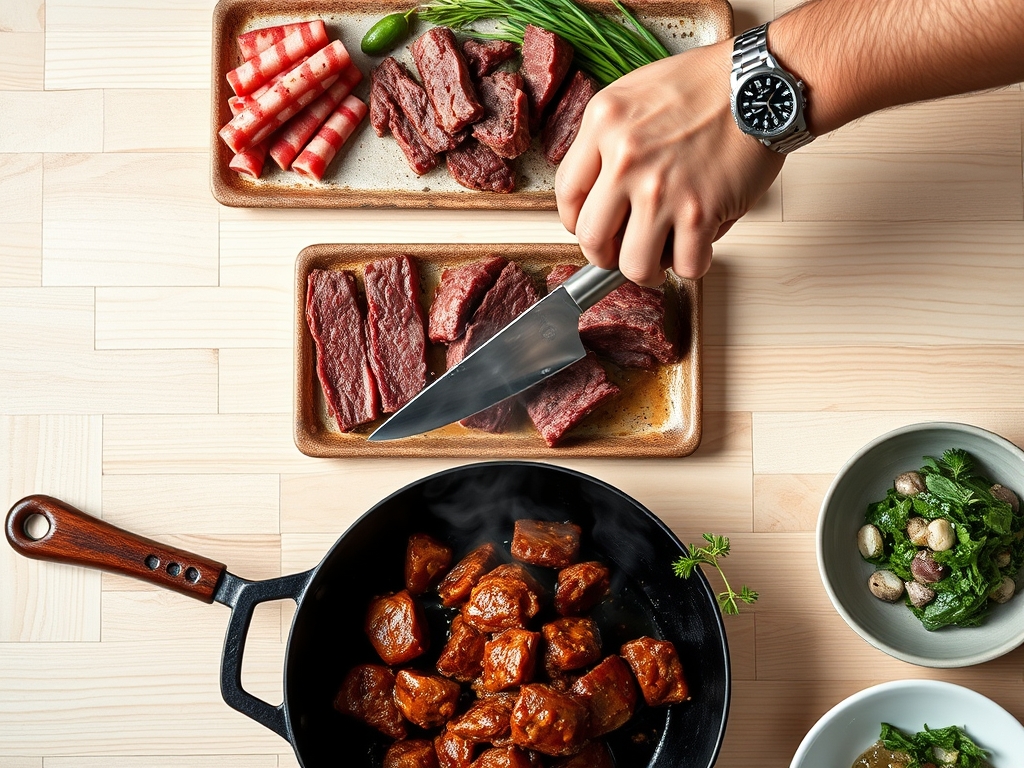
1. Tempering and Preheating
Before the meat even touches the pan, it must come to room temperature for at least twenty minutes. Use a digital scale to portion your beef into even mounds, ensuring uniform cooking. Preheat your heavy-bottomed skillet until a drop of water dances and evaporates instantly on the surface.
Pro Tip: This prevents a massive temperature drop when the meat is added. If the pan is too cool, the meat will steam in its own juices rather than sear, missing out on the complex flavors created by enzymatic browning.
2. The Initial Sear
Place the beef in the pan and resist the urge to move it. Use a sturdy metal spatula to press the meat down, maximizing contact with the heat. You are looking for a deep, mahogany crust to form on the bottom before you even think about breaking it apart.
Pro Tip: This is the Maillard reaction in action; a chemical reaction between amino acids and reducing sugars that creates hundreds of different flavor compounds. Patience here is the difference between a "gray" meal and a gourmet one.
3. Rendering and Deglazing
Once the meat is browned, use a wooden spoon or bench scraper to break it into the desired texture. As the fat renders out, add your shallots and garlic. Once the aromatics are translucent, pour in your wine or broth to deglaze, scraping up the "fond" (the brown bits) from the bottom of the pan.
Pro Tip: The fond contains concentrated flavor. By deglazing, you incorporate those caramelized proteins back into the sauce, creating a complex, layered profile that defines high-end cooking.
4. Emulsifying the Sauce
Lower the heat and add a cold pat of butter or a splash of heavy cream. Use a saucier or a whisk to vigorously stir the liquid as it reduces. You want the fat and the water-based liquids to bind together into a glossy, cohesive sauce.
Pro Tip: This process is called "mounting with butter" or monter au beurre. The cold temperature of the butter prevents the emulsion from breaking, resulting in a velvety texture that coats the back of a spoon.
5. The Final Infusion
Stir in your fresh herbs at the very last second. Use a microplane to zest a bit of lemon or grate fresh nutmeg over the dish to provide a high-note contrast to the heavy, savory beef.
Pro Tip: Volatile oils in fresh herbs are heat-sensitive. Adding them at the end preserves their bright aroma and prevents them from turning bitter or losing their vibrant green color.
The Deep Dive
Macro Nutrition: A standard serving of these fancy ground beef recipes provides approximately 25 grams of protein and 18 grams of fat. To balance the plate, serve alongside complex carbohydrates like farro or a fiber-rich roasted vegetable medley.
Dietary Swaps: For a Keto version, omit any flour-based thickeners and use xanthan gum or simply reduce the heavy cream further. For a Gluten-Free approach, ensure your bone broth is certified GF and use tamari instead of Worcestershire sauce. For a Vegan alternative, high-quality "bleeding" plant-based crumbles can be treated with the same searing techniques, though they require less rendering time.
The Fix-It:
- Greasy Sauce: If the fat has separated, add a tablespoon of boiling water and whisk vigorously to re-emulsify.
- Tough Meat: This usually means the beef was overcooked or worked too much. Next time, handle the raw meat gently to avoid compressing the proteins.
- Bland Flavor: Usually a salt issue. Add a drop of acid (lemon juice or vinegar) to brighten the existing salt and unlock the flavors.
Meal Prep: When reheating, do so gently on the stovetop with a splash of broth. Microwaving can cause the fats to "explode" and the proteins to become rubbery. Low and slow heat preserves the "day-one" emulsion and moisture.
The Wrap-Up
Mastering fancy ground beef recipes is about more than just following a list of ingredients; it is about understanding the physics of the kitchen. When you prioritize the sear, respect the aromatics, and master the art of the emulsion, you transform a budget-friendly staple into a masterpiece. These dishes prove that luxury is not about the price tag of the protein, but the skill and soul you bring to the skillet. Now, go forth and cook with confidence; your dinner guests will never look at ground beef the same way again.
The Kitchen Table
What is the best fat ratio for fancy beef dishes?
An 80/20 lean-to-fat ratio is ideal. The fat provides the necessary lipids for a proper Maillard reaction and ensures the meat remains succulent during high-heat searing. Leaner blends often result in a dry, crumbly texture lacking depth.
How do I prevent ground beef from steaming?
Ensure your pan is ripping hot before adding the meat and do not overcrowd the skillet. Cooking in batches allows moisture to evaporate quickly. If the pan is too full, the temperature drops and the meat boils in its own liquid.
Can I use frozen ground beef for gourmet recipes?
Yes, provided it is thawed completely in the refrigerator. Pat the meat dry with paper towels before cooking to remove excess moisture. Excess surface water creates steam, which prevents the development of a professional, crusty brown sear.
Why does my meat sauce look oily?
This happens when the emulsion breaks, usually from excessive heat. To fix it, remove the pan from the heat and whisk in a teaspoon of cold water or a small pat of cold butter to pull the fats back into the liquid.