
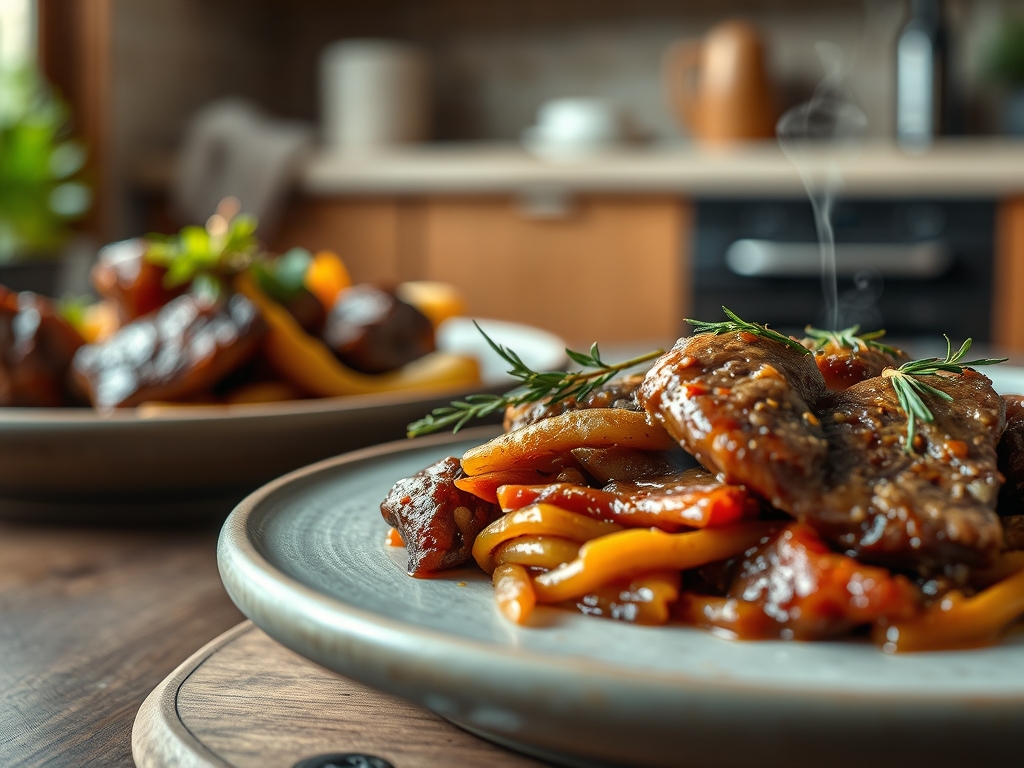
Imagine the low, steady hum of a kitchen in full swing; the air is heavy with the intoxicating scent of caramelized onions and the deep, savory perfume of searing protein. When you are hunting for the best beef recipes for a crowd, you are not just cooking; you are orchestrating a sensory event that relies on the magic of chemistry.
The challenge of feeding a dozen or more hungry guests often leads to panic, but the secret lies in understanding the architecture of flavor. Whether it is the Maillard reaction turning a humble brisket into a crusty masterpiece or the slow breakdown of collagen into silky gelatin, big-batch cooking is your playground. We are moving beyond basic burgers. We are diving into nine sophisticated, high-yield dishes that utilize bulk-buying power without sacrificing the artisanal quality of a boutique bistro. From slow-braised short rib ragu to a massive sheet-pan beef shawarma, these recipes ensure that every guest gets a plate that feels like a personal gift.
The Gathers:
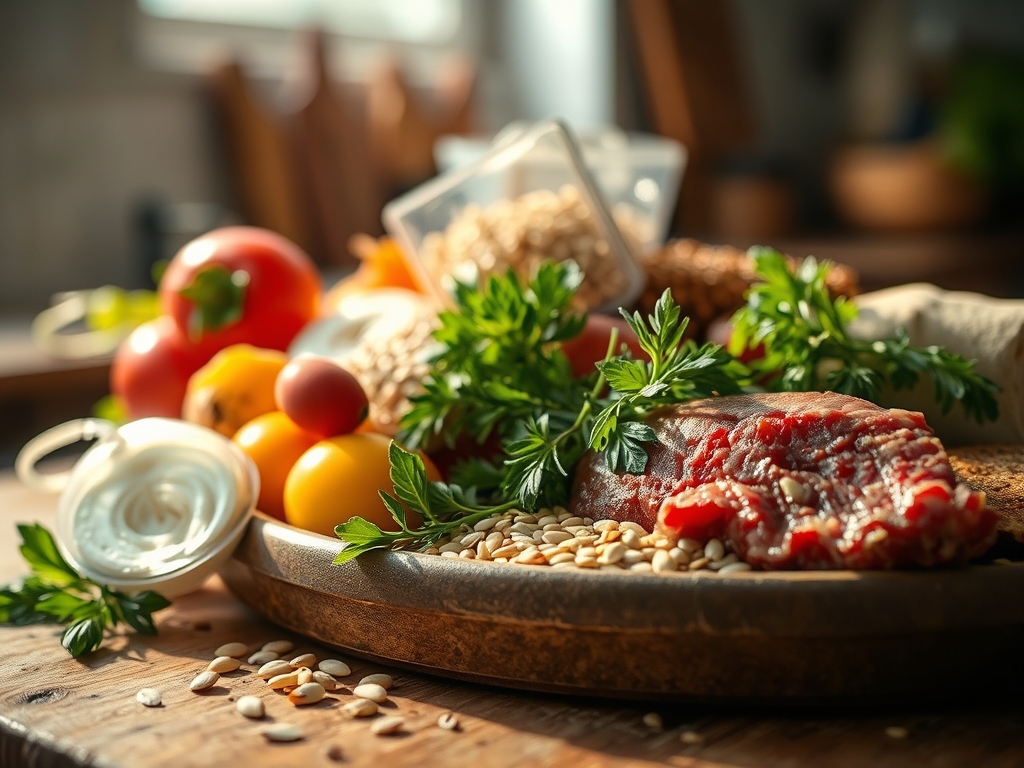
To execute these beef recipes for a crowd, your mise-en-place must be clinical in its precision. Start with your primary protein: look for cuts with significant intramuscular fat, known as marbling. For large-scale braises, the chuck roast is king because its high connective tissue content transforms into a viscous sauce. For roasting, a whole tenderloin or a top-round provides a lean, elegant canvas.
Your aromatic base should include a classic mirepoix (onions, carrots, and celery), but we are elevating it with piquant additions like smashed garlic cloves, star anise for depth, and tomato paste for umami concentration. Do not forget your liquids; a high-quality bone broth and a dry red wine are essential for deglazing your heavy-bottomed skillet to capture those precious browned bits.
Smart Substitutions: If you cannot find a massive brisket, use multiple smaller chuck roasts to ensure even cooking times. If red wine is off the table, a splash of balsamic vinegar mixed with beef stock provides that necessary acidity to cut through the fat. For a lighter profile, swap heavy cream in beef stroganoff for Greek yogurt, but whisk it in at the very end to prevent curdling.
The Clock
Efficiency is the hallmark of a professional kitchen. When managing beef recipes for a crowd, you must master the "Chef's Flow." This means identifying tasks that can be "stacked." For instance, while your beef is searing in batches, you should be using your microplane to zest citrus or grate ginger for the marinade.
Expect a total prep time of 60 to 90 minutes for most large-scale recipes, with cook times ranging from 20 minutes for high-heat roasting to 8 hours for low-and-slow braising. Always factor in a "resting window" of at least 30 minutes; this allows the muscle fibers to relax and reabsorb juices, ensuring the meat does not turn into a dry sponge the moment you slice it.
The Masterclass
1. The Sear and Seal
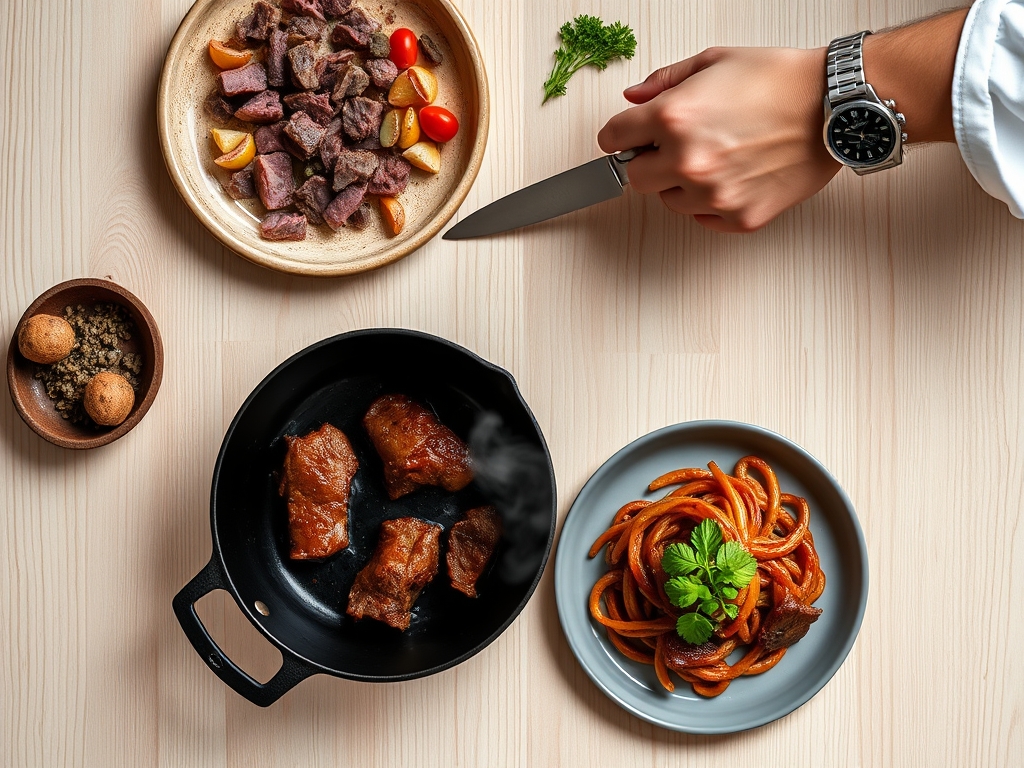
Begin by patting your beef bone-dry with paper towels. Moisture is the enemy of the Maillard reaction. Use a heavy-bottomed skillet over high heat with a high-smoke-point oil like avocado or grapeseed. Sear the meat in small batches to avoid crowding the pan, which drops the temperature and causes the meat to steam rather than brown.
Pro Tip: This browning is actually enzymatic browning, where amino acids and reducing sugars rearrange to create hundreds of different flavor compounds. If the pan is too crowded, you lose the heat necessary for this molecular transformation.
2. Deglazing the Fond
Once the meat is removed, you will see a dark crust at the bottom of the pan. This is called the fond. Pour in your wine or stock and use a bench scraper or wooden spoon to lift these concentrated flavor crystals.
Pro Tip: Deglazing is a solvent-based extraction. The alcohol in wine dissolves flavor compounds that water cannot, creating a more complex, multi-dimensional sauce.
3. Aromatics and Infusion
Add your vegetables and hard herbs (like rosemary or thyme) to the pan. Sauté until the onions are translucent and the spices become fragrant. This process allows the fat to infuse with the essential oils of the herbs.
Pro Tip: Adding a pinch of baking soda to your onions speeds up the breakdown of pectin, allowing them to caramelize and turn jammy in half the time.
4. The Low and Slow Braise
Return the beef to the pot and submerge it halfway in liquid. Cover with a tight-fitting lid or foil. Place it in a low-temperature oven (around 300 degrees Fahrenheit).
Pro Tip: Cooking at a low temperature prevents the proteins from tightening too quickly. This allows collagen hydrolysis, the process where tough connective tissue turns into melt-in-your-mouth gelatin.
5. The Rest and Carve
Once the internal temperature reaches your target, remove the meat from the heat. Let it sit on a warm platter.
Pro Tip: Use a digital scale to ensure even portions for your crowd. Resting is vital because of thermal carryover; the internal temperature will continue to rise by 5 to 10 degrees even after the meat is out of the oven.
The Deep Dive
Macro Nutrition: Beef is a powerhouse of bioavailable protein, Vitamin B12, and zinc. When cooking for a crowd, aim for 6 to 8 ounces of raw weight per person. This typically results in a 4 to 5 ounce cooked portion, providing roughly 35 grams of protein and 250 to 300 calories, depending on the cut.
Dietary Swaps:
- Keto: Serve your beef over cauliflower mash instead of potatoes and thicken sauces with a reduction rather than flour.
- Gluten-Free: Use tamari instead of soy sauce and cornstarch or arrowroot as a thickener.
- Vegan Alternative: While these are beef recipes, you can mimic the texture for one or two guests using king oyster mushrooms seared with the same aromatics.
The Fix-It:
- Tough Meat: If the beef is chewy, it hasn't braised long enough. Put it back in with more liquid. Time is the only cure for stubborn collagen.
- Salty Sauce: Do not panic. Add a peeled, halved potato to the liquid; it acts as a sponge for excess salt. Alternatively, a splash of cream or honey can balance the profile.
- Greasy Surface: Use a wide spoon or a fat separator to skim the "oil slick" off the top. You want the fat emulsified into the sauce, not floating on it.
Meal Prep: To maintain "day-one" quality, reheat beef in a covered dish with a splash of beef stock. This creates a steam chamber that prevents the meat from drying out. Avoid the microwave, which vibrates water molecules too violently and can turn tender beef into rubber.
The Wrap-Up
Cooking beef recipes for a crowd is the ultimate expression of culinary hospitality. It requires a blend of scientific discipline and creative flair. By focusing on the quality of your sear, the depth of your deglaze, and the patience of your braise, you transform a simple gathering into a landmark event. Grab your tongs, fire up the range, and let the chemistry of the kitchen do the heavy lifting for you.
The Kitchen Table
How much beef do I need per person for a crowd?
Plan for 1/2 pound (8 ounces) of raw beef per guest. This accounts for shrinkage during cooking and ensures everyone gets a generous 4 to 5 ounce serving, even after the fat has rendered and moisture has evaporated.
What is the best cut of beef for large-scale braising?
Chuck roast is the gold standard for large groups. It is budget-friendly and contains high levels of connective tissue that transform into rich gelatin, creating a self-basting environment that keeps the meat moist during long cook times.
Can I cook beef recipes for a crowd a day in advance?
Yes, braised beef dishes often taste better the next day. The flavors continue to infuse and meld as the dish cools. Simply reheat gently on the stovetop with extra broth to maintain the original moisture levels.
How do I prevent large roasts from drying out?
Always use a meat thermometer to monitor the internal temperature and pull the meat 5 degrees before your target. The most critical step is the 30-minute rest, which allows the juices to redistribute throughout the muscle fibers.