
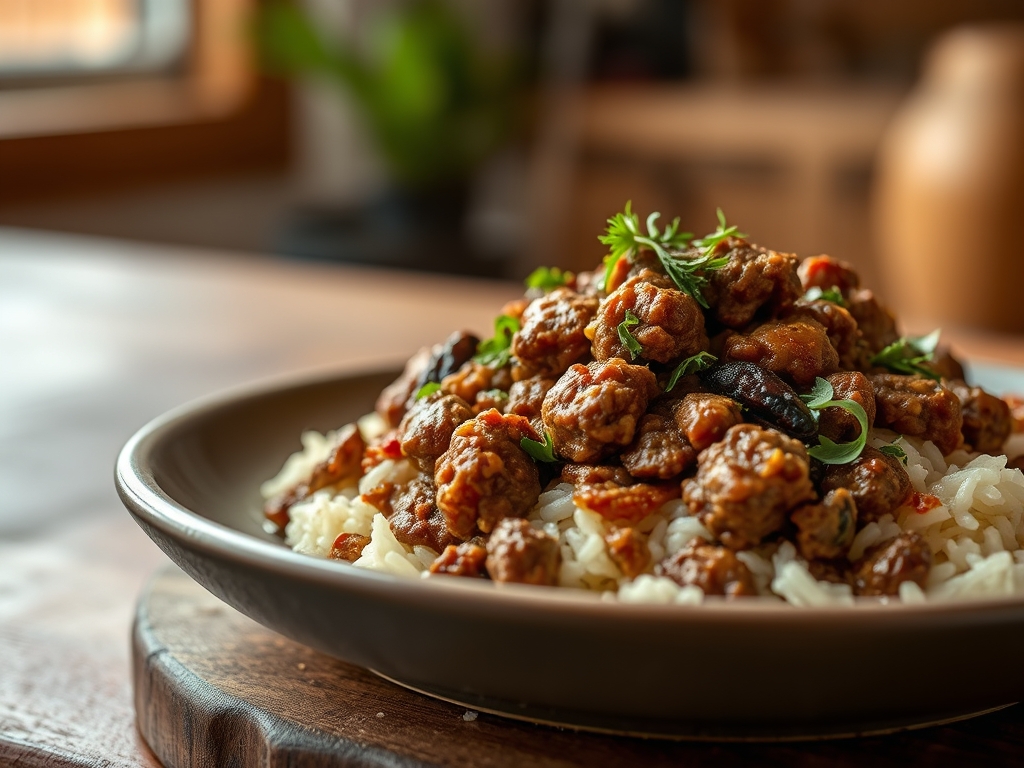
Picture the sound of a heavy-bottomed skillet meeting a high-flame burner; it is the percussion of a weeknight victory. We are moving beyond the humble skillet scramble into a world of texture and aromatic depth. These ground beef recipes over rice are the ultimate culinary canvas for those who crave the intersection of comfort and high-level technique.
The magic happens when the iron in the beef meets the starch of the grain. You are not just making dinner; you are managing a complex series of chemical reactions that turn simple proteins into a savory masterpiece. Whether you are craving the piquant kick of a Korean-inspired glaze or the rich, viscous comfort of a mushroom gravy, the foundation remains the same. It is about the crunch of the sear and the fluff of the grain. We are going to treat every ounce of 80/20 chuck like it belongs in a five-star bistro. Grab your favorite apron and a glass of something crisp; we are about to elevate your meal prep game to a professional standard.
The Gathers:
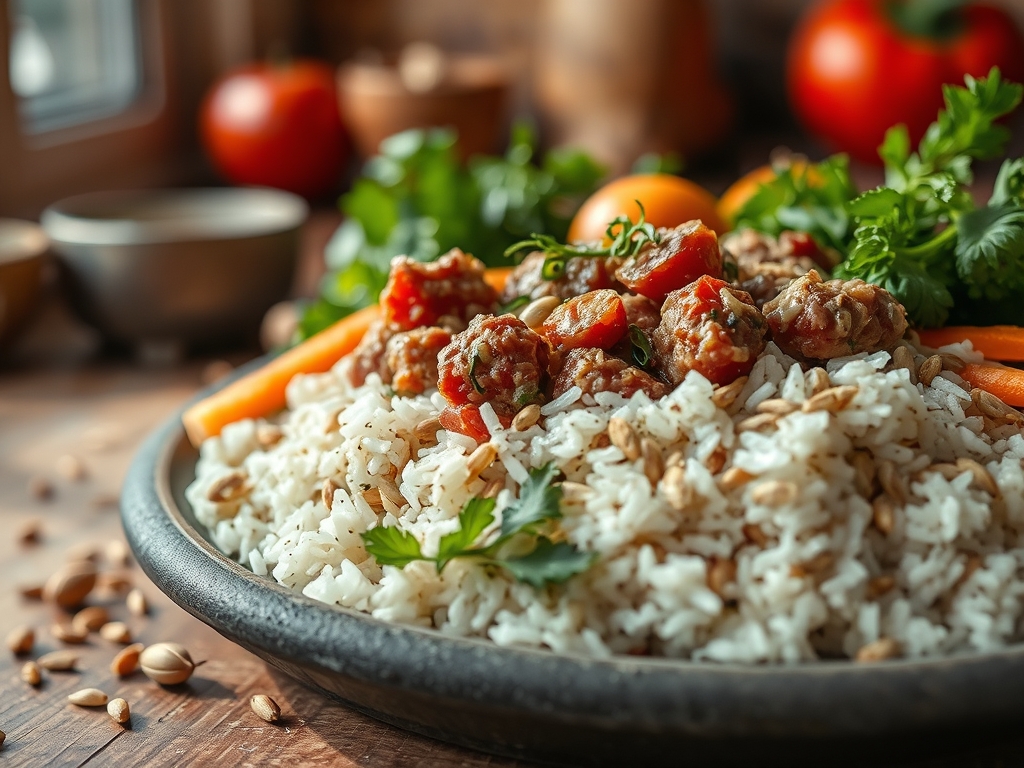
Before we ignite the range, we must master the mise-en-place. To achieve the perfect ground beef recipes over rice, your ingredients must be prepped to ensure even cooking and flavor infusion.
- The Protein: 1.5 lbs of 80/20 ground chuck. This ratio is non-negotiable for flavor; the 20 percent fat content provides the lipids necessary to render a natural cooking oil that carries fat-soluble aromatics.
- The Grain: Long-grain Jasmine or Basmati rice. These varieties contain a higher ratio of amylose to amylopectin, ensuring the grains stay distinct and do not turn into a gummy mass.
- The Aromatics: Yellow onions, fresh garlic, and ginger. Use a microplane for the ginger to create a fine paste that melts into the sauce rather than leaving woody fibers.
- The Liquid Gold: High-quality beef bone broth. This provides collagen, which gives your final sauce a silky, viscous mouthfeel that water simply cannot replicate.
- The Brightness: Rice vinegar and lime juice. Acid is the "volume knob" for flavor; it cuts through the richness of the rendered beef fat.
Smart Substitutions:
If you are looking to lighten the profile, ground turkey or chicken can be substituted, but you must add a teaspoon of neutral oil (like avocado oil) to the pan to compensate for the lack of natural lipids. For a low-carb alternative, riced cauliflower works beautifully, though you should skip the rinsing step to avoid excess moisture. If you lack bone broth, a splash of soy sauce mixed with water adds the necessary umami punch.
The Clock
Efficiency in the kitchen is about "Chef's Flow," the art of overlapping tasks to minimize downtime.
- Prep Time: 15 minutes. This includes using a bench scraper to clear your board and measuring out your liquids into a saucier.
- Cook Time: 20 minutes. The rice takes 15 minutes of passive steaming, which perfectly matches the time it takes to brown the beef and emulsify the sauce.
- Total Time: 35 minutes.
By starting your rice first, you allow the starch to hydrate while you focus on the high-heat Maillard reactions in the skillet. This ensures both components reach the "plate-ready" temperature simultaneously.
The Masterclass
1. The Starch Foundation
Rinse your rice in a fine-mesh sieve until the water runs clear. This removes surface starch, preventing the grains from sticking together. Place in a pot with a 1:1.5 ratio of water and a pinch of salt. Bring to a boil, then drop to the lowest simmer with a tight-fitting lid.
Pro Tip: This is the hydration phase. By rinsing the rice, you are ensuring that the steam can circulate between individual grains, leading to an aerated and fluffy texture rather than a dense block.
2. The High-Heat Sear
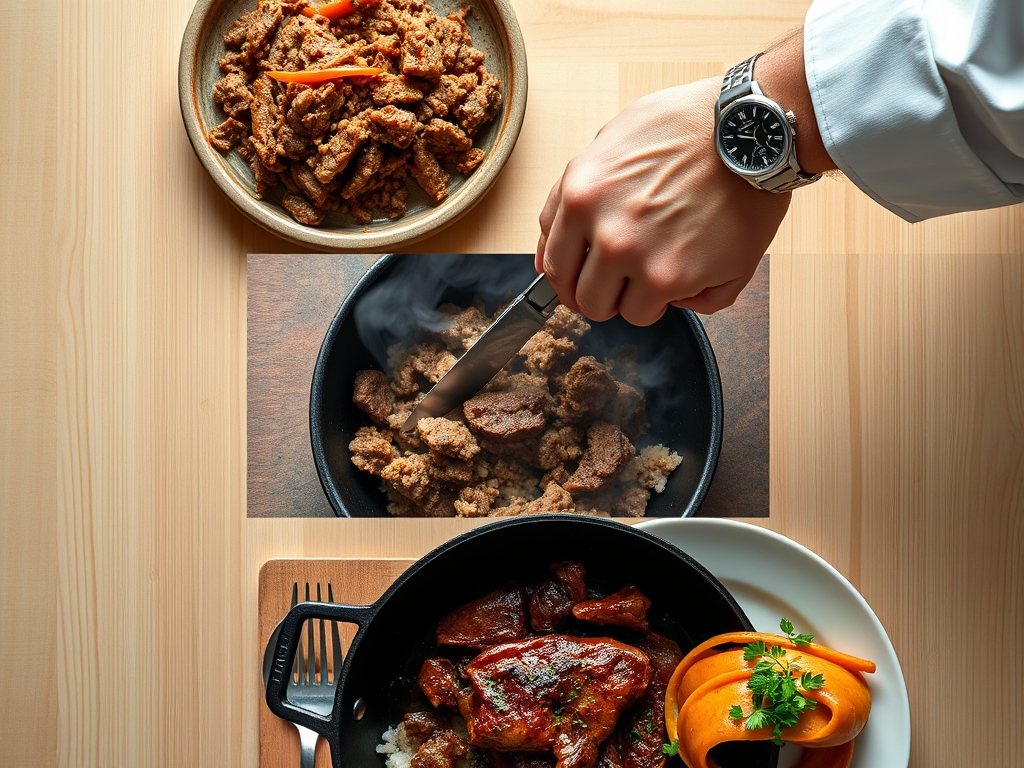
Heat your heavy-bottomed skillet over medium-high heat until a drop of water dances and evaporates instantly. Add the beef in a single layer. Do not stir it immediately. Let it sit for 3 minutes to develop a deep, dark crust.
Pro Tip: This is the Maillard Reaction. It is a chemical reaction between amino acids and reducing sugars that creates hundreds of different flavor compounds. If you stir too early, the meat will steam in its own juices instead of browning.
3. Aromatics and Infusion
Once the beef is browned, use a wooden spoon to break it into small crumbles. Push the meat to the edges of the pan and add your onions and garlic to the center. Sauté until the onions are translucent and the garlic is fragrant.
Pro Tip: This technique is called sweating. By cooking the aromatics in the center of the pan, you are using the rendered fat from the beef to extract fat-soluble flavor compounds from the garlic and onion, intensifying the overall profile.
4. Deglazing the Fond
Pour in your liquid components (broth, soy sauce, or vinegar). Use your spoon to scrape up the brown bits stuck to the bottom of the pan.
Pro Tip: Those brown bits are called fond. They are concentrated flavor. The process of deglazing dissolves these proteins back into the sauce, creating a complex, savory base that ties the meat and rice together.
5. The Emulsification
Reduce the heat and let the liquid simmer until it reduces by half. If you want a thicker sauce, whisk in a small cornstarch slurry (1 tsp cornstarch to 1 tbsp water). Stir constantly until the sauce coats the back of a spoon.
Pro Tip: This creates a stable emulsion. The starch molecules trap the water and fat together, resulting in a glossy, velvet-like coating that clings to the beef and seasons the rice perfectly.
The Deep Dive
Macro Nutrition:
A standard serving of these ground beef recipes over rice provides approximately 450 calories, 28g of protein, 40g of carbohydrates, and 18g of fat. It is a balanced "power bowl" that provides sustained energy through complex carbs and high-quality protein.
Dietary Swaps:
- Vegan: Replace ground beef with crumbled firm tofu or tempeh. Use vegetable broth and a dash of liquid smoke to mimic the beef's depth.
- Keto: Swap the rice for sautéed cabbage or cauliflower rice. Eliminate the cornstarch and use heavy cream or butter to thicken the sauce.
- Gluten-Free: Ensure your soy sauce is replaced with Tamari or coconut aminos.
The Fix-It:
- The Beef is Gray: Your pan wasn't hot enough. Next time, wait for the oil to shimmer. To fix it now, remove the meat, drain the liquid, crank the heat, and return the meat in small batches.
- The Rice is Mushy: You used too much water or over-stirred. To fix, spread the rice on a sheet tray and put it in a 300 degree oven for 5 minutes to evaporate excess moisture.
- The Sauce is Too Salty: You likely over-reduced the broth. Add a splash of water and a squeeze of lime juice; the acid will mask the perception of saltiness.
Meal Prep Science:
When reheating, the rice often becomes hard due to starch retrogradation (the crystals reforming). To restore "day-one" quality, add a tablespoon of water to the bowl, cover it with a damp paper towel, and microwave. The steam will re-gelatinize the starch, making the rice tender again.
The Wrap-Up
Mastering ground beef recipes over rice is about more than just a quick dinner; it is about understanding how heat, fat, and starch interact to create something greater than the sum of its parts. By respecting the sear and perfecting the grain, you turn a budget-friendly staple into a gourmet experience. This is your new weeknight superpower. Now, go forth and conquer that skillet!
The Kitchen Table
How do I keep ground beef from getting dry?
Avoid over-handling the meat and ensure you use 80/20 fat content. The fat provides moisture and flavor. Always finish the beef in a sauce or broth to maintain a juicy, tender texture during the final simmer.
Can I cook the rice and beef in the same pan?
Yes, this is a "one-pot" method. Toast the dry rice with the browned beef and aromatics, then add the liquid. Cover and simmer for 15 minutes. This allows the rice to absorb the beef's savory fats directly.
What is the best way to store leftovers?
Store in airtight glass containers for up to four days. Keep the rice and beef together so the grains absorb any remaining sauce, which prevents the rice from drying out and enhances the flavor profile over time.
How do I add more volume without more calories?
Incorporate high-fiber vegetables like shredded zucchini, bell peppers, or spinach. These add bulk and micronutrients to your ground beef recipes over rice without significantly increasing the caloric density or altering the fundamental flavor of the dish.