
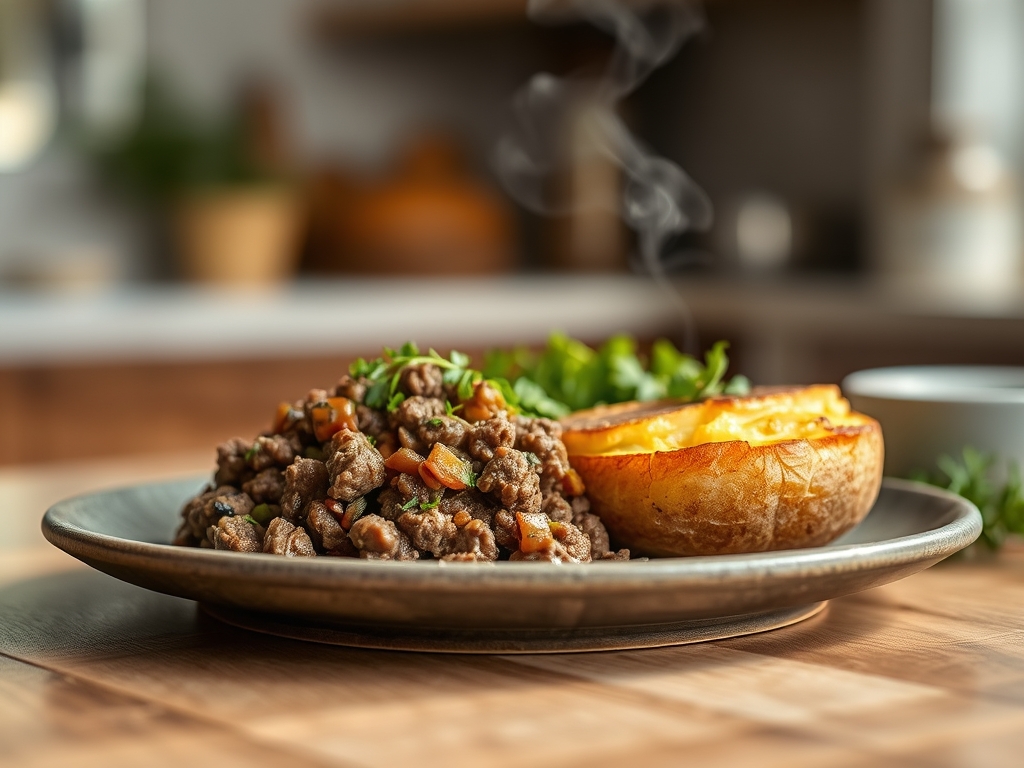
Imagine the scent of rendered fat meeting a searing hot pan; that deep, savory aroma that signals the start of something legendary. When you are craving comfort, nothing beats the structural integrity of ground beef recipes with baked potatoes. It is the ultimate culinary marriage of protein density and fluffy, starchy bliss that satisfies every primal hunger.
The secret to this pairing is not just in the seasoning; it is in the contrast of textures. You want a crust on that beef that shatters between your teeth, nestled inside a potato skin that has been salted to perfection. We are moving beyond the basic "meat and potatoes" trope to explore how molecular changes in starch and protein can elevate your Tuesday night dinner into a five-star experience. Whether you are stuffing, layering, or smashing, the goal is a perfect ratio of savory juice to absorbent tuber.
The beauty of ground beef recipes with baked potatoes lies in their versatility. You can take these ingredients on a trip through global flavor profiles, from spicy southwestern heat to rich, umami-heavy French techniques. It is about more than just filling a plate; it is about mastering the heat transfer that keeps your beef succulent while ensuring your potato interior is as light as a cloud. Let us get your mise-en-place ready and dive into the mechanics of the perfect bake.
The Gathers:
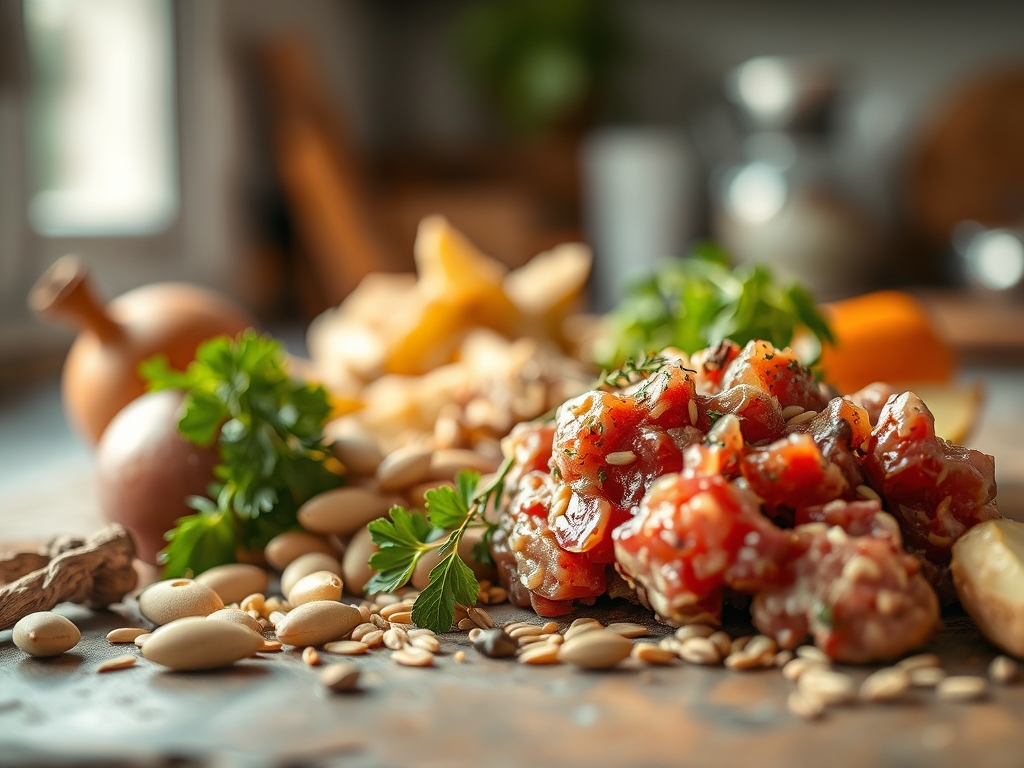
To achieve professional results, your ingredient selection must be intentional. For the foundation, choose Russet potatoes. Their high starch content and low moisture levels are critical; they aerate beautifully when baked, creating those tiny pockets of steam that result in a "fluffy" mouthfeel. For the beef, a 80/20 lean-to-fat ratio is the gold standard. The fat provides the viscous mouthfeel and carries the fat-soluble flavor compounds from your spices.
Your aromatics should include yellow onions for their high sugar content, which aids in caramelization, and fresh garlic cloves. Use a microplane to grate your garlic into a paste; this increases the surface area, allowing the pungent allicin to infuse the oil more effectively. You will also need a high-smoke-point oil like avocado oil, kosher salt for its jagged crystal structure that clings to skins, and unsalted butter to control the sodium levels during the final emulsion.
Smart Substitutions:
If you are looking for a leaner profile, ground bison offers a deep, earthy flavor with less saturated fat. For the potatoes, Yukon Golds can be used if you prefer a "waxy" and buttery texture over the classic fluff. If you are avoiding nightshades, large Japanese sweet potatoes provide a dense, creamy alternative that handles the savory beef fats with a pleasant sweetness.
The Clock
Efficiency in the kitchen is all about the Chef's Flow. You should expect a total active prep time of 15 minutes, with a passive cooking time of 60 minutes for the potatoes. The beef component takes roughly 12 to 15 minutes from the first sizzle to the final deglaze.
The trick is to stagger your tasks. While the potatoes are undergoing their thermal transformation in the oven, you have a 45-minute window to prep your vegetables, brown your meat, and clean your station. This ensures that the moment the potatoes reach an internal temperature of 205 degrees Fahrenheit, your beef is hot, rested, and ready to be loaded.
The Masterclass
1. The High-Heat Potato Prep
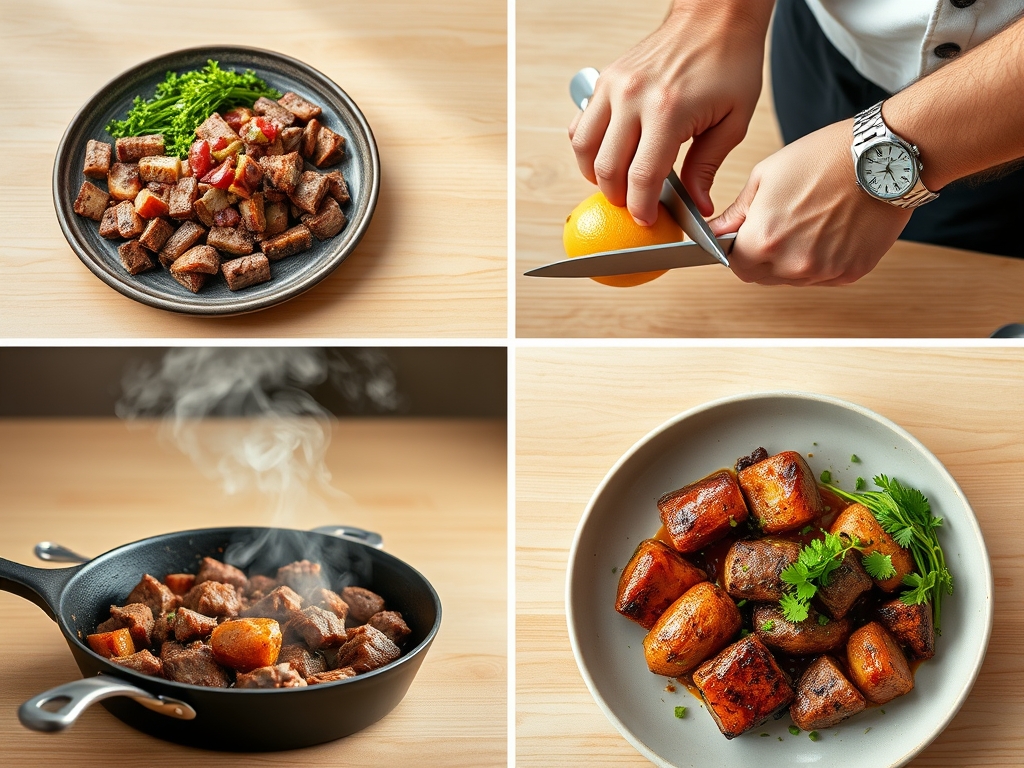
Scrub your Russets and dry them thoroughly with a lint-free towel. Prick the skins with a fork to allow steam to escape, then rub them with oil and a generous amount of kosher salt. Place them directly on the oven rack at 425 degrees Fahrenheit.
Pro Tip: This direct heat method facilitates the Maillard reaction on the skin while preventing the "steamed" texture that occurs when you wrap potatoes in foil. Foil actually traps moisture, leading to a soggy exterior.
2. Rendering and Searing the Beef
Place a heavy-bottomed skillet over medium-high heat. Add your ground beef in a single layer, resisting the urge to stir immediately. Let it sit for three minutes until a dark brown crust forms.
Pro Tip: This crust is the result of amino acids and reducing sugars reacting under heat. Moving the meat too early causes it to steam in its own juices rather than sear, resulting in a grey, rubbery texture.
3. Sweating the Aromatics
Push the meat to the edges of the pan and drop in your diced onions. Use a bench scraper to transfer your chopped veggies cleanly. Cook until translucent, then stir in your garlic paste and spices.
Pro Tip: Sweating onions in the rendered beef fat allows the fat-soluble vitamins and flavors to emulsify, creating a more cohesive flavor profile than if you used plain oil.
4. Deglazing for Depth
Once the bottom of the pan is covered in "fond" (those little brown bits), pour in a splash of beef stock or dry red wine. Use a wooden spoon to scrape the bottom of the pan.
Pro Tip: This process captures the concentrated flavor trapped on the pan surface. The liquid acts as a solvent, pulling those complex molecules back into the sauce for a piquant finish.
5. The Fluff and Fold
Once the potatoes are soft, slice them open lengthwise. Use a fork to gently mash the interior, adding a pat of butter and a splash of heavy cream.
Pro Tip: Mashing while the potato is piping hot prevents the starch granules from becoming "gummy." This is due to retrogradation, where starches crystallize as they cool; catching them hot keeps them light.
6. The Assembly
Spoon the savory beef mixture into the center of the fluffed potato. Top with sharp cheddar cheese and return to the oven for two minutes or use a kitchen torch to melt.
Pro Tip: The secondary bake allows the fats from the beef to seep into the potato flesh, creating a secondary layer of flavor through capillary action.
7. The Final Garnish
Finish with fresh chives or scallions cut on a bias and a dollop of cold sour cream.
Pro Tip: Adding fresh herbs at the very end preserves their volatile oils, which provide a bright, acidic contrast to the heavy, savory fats of the beef and butter.
The Deep Dive
From a macro perspective, this meal is a powerhouse. A standard serving provides roughly 35g of protein and 45g of complex carbohydrates. To make this Keto-friendly, swap the potato for roasted cauliflower florets. For a Vegan version, utilize a soy-based crumble and "degummed" flaxseed oil to mimic the mouthfeel of animal fats.
The Fix-It:
- Greasy Beef: If your beef is swimming in oil, tilt the pan and use a saucier or spoon to remove excess fat before adding aromatics.
- Bland Potato: If the interior tastes flat, you likely under-salted the skin. Add a pinch of fine sea salt directly into the mashed interior before adding the meat.
- Dry Meat: This happens if you cook it too long over high heat. Add a tablespoon of tomato paste and a splash of water to create a light "glaze" that rehydrates the protein.
For meal prep, store the beef and potatoes separately. When reheating, use the oven for the potato to crisp the skin again; the microwave will make it leathery. The beef can be reheated in a small pan with a teaspoon of water to restore its viscous texture.
The Wrap-Up
Mastering ground beef recipes with baked potatoes is a rite of passage for any home cook who values both science and soul. By understanding how to manipulate starches and maximize the Maillard reaction, you transform humble pantry staples into a high-density, gourmet feast. It is about the crunch of the salt, the silkiness of the mash, and the bold, savory punch of perfectly seared beef. Now, grab your skillet and let the chemistry happen!
The Kitchen Table
Can I bake the potatoes in a slow cooker?
You can, but you will lose the crispy skin. Slow cookers trap moisture, resulting in a steamed texture. For the best ground beef recipes with baked potatoes, the dry, circulating heat of an oven is scientifically superior for skin dehydration.
What is the best way to prevent the beef from clumping?
Use a stiff whisk or a potato masher in the skillet during the initial stages of browning. This breaks the protein bonds before they set, ensuring a fine, uniform crumble that integrates perfectly with the potato mash.
Why do my potatoes sometimes turn dark inside?
This is usually "after-cooking darkening," caused by a reaction between iron and chlorogenic acid. It is harmless but can be minimized by adding a tiny splash of lemon juice (acid) to the potato flesh immediately after opening it.
How do I store leftovers without them getting soggy?
Store the beef in an airtight glass container and the potatoes in a separate ventilated container. Moisture is the enemy of the potato skin; keeping them apart prevents the beef juices from migrating into the potato starch during refrigeration.