
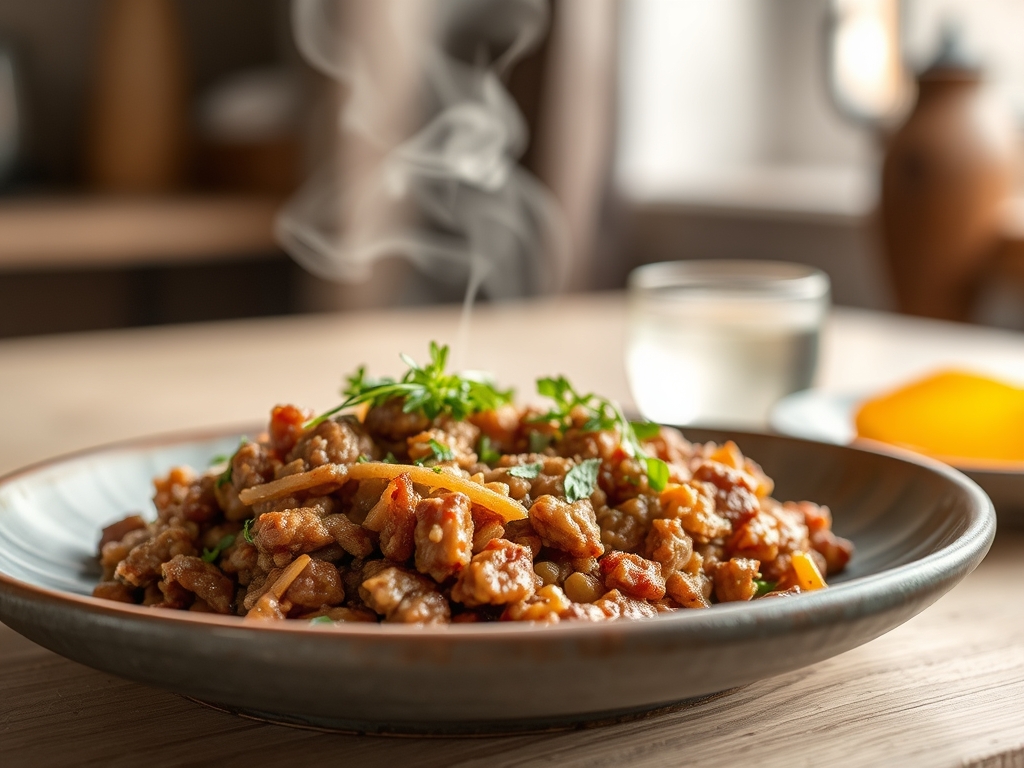
Imagine the sound of a heavy-bottomed skillet meeting a high-BTU flame. That sharp, rhythmic sizzle is the preamble to something spectacular. We often pigeonhole ground beef into the category of heavy, winter comfort foods like dense chilis or grease-slicked burgers. However, when you understand the molecular behavior of lipids and proteins, you can transform this humble staple into something ethereal. These light ground beef recipes are designed to defy gravity. We are talking about vibrant, zest-forward dishes that leave you feeling energized rather than weighed down by a food coma. By utilizing lean ratios and high-moisture aromatics, we can maintain that deep, savory umami while keeping the caloric density remarkably low. It is time to treat your cast iron like a precision instrument. We are going to deglaze, aerate, and infuse our way to a week of meals that feel like a spa day for your palate. Whether it is a Thai-inspired basil stir-fry or a Mediterranean zucchini boat, the secret lies in the balance of acidity and heat.
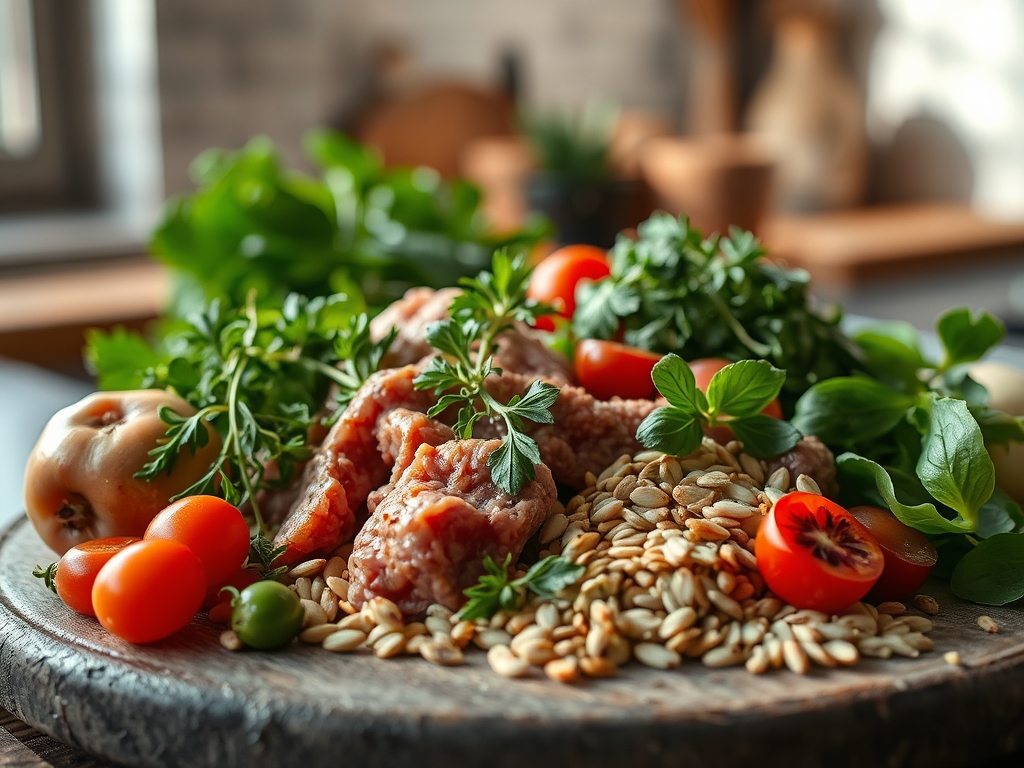
The Gathers:
To execute these light ground beef recipes with precision, your mise-en-place must be impeccable. Start with the protein. Aim for a 93/7 or 96/4 lean-to-fat ratio. While fat carries flavor, we are going to use enzymatic aromatics to provide moisture instead. Gather high-viscosity liquids like low-sodium tamari, rice vinegar, and fresh-squeezed lime juice to provide a piquant counterpoint to the beef. Your vegetable profile should include high-crunch, high-water-content items like bok choy, bell peppers, and English cucumbers.
Smart Substitutions: If you want to increase the volume of your meal without increasing the fat content, use a bench scraper to finely mince mushrooms. This technique, known as "The Blend," allows the mushrooms to mimic the texture of the beef while adding earthy polyphenols. Instead of heavy creams, utilize Greek yogurt or silken tofu blended in a saucier to create a creamy mouthfeel. Use a microplane to zest citrus directly over your ingredients; the volatile oils in the zest provide a more intense aroma than the juice alone.
The Clock
Efficiency in the kitchen is about mastering the "Chef's Flow." For these six meals, expect a total active prep time of 40 minutes if you use a digital scale for portioning. The cooking phase for each individual dish ranges from 12 to 18 minutes. The goal is to minimize the time the beef spends under direct thermal stress to prevent the proteins from becoming tough and hydrophobic. By prepping all your vegetables in one session, you ensure that the actual cooking process is a seamless transition from the skillet to the plate.
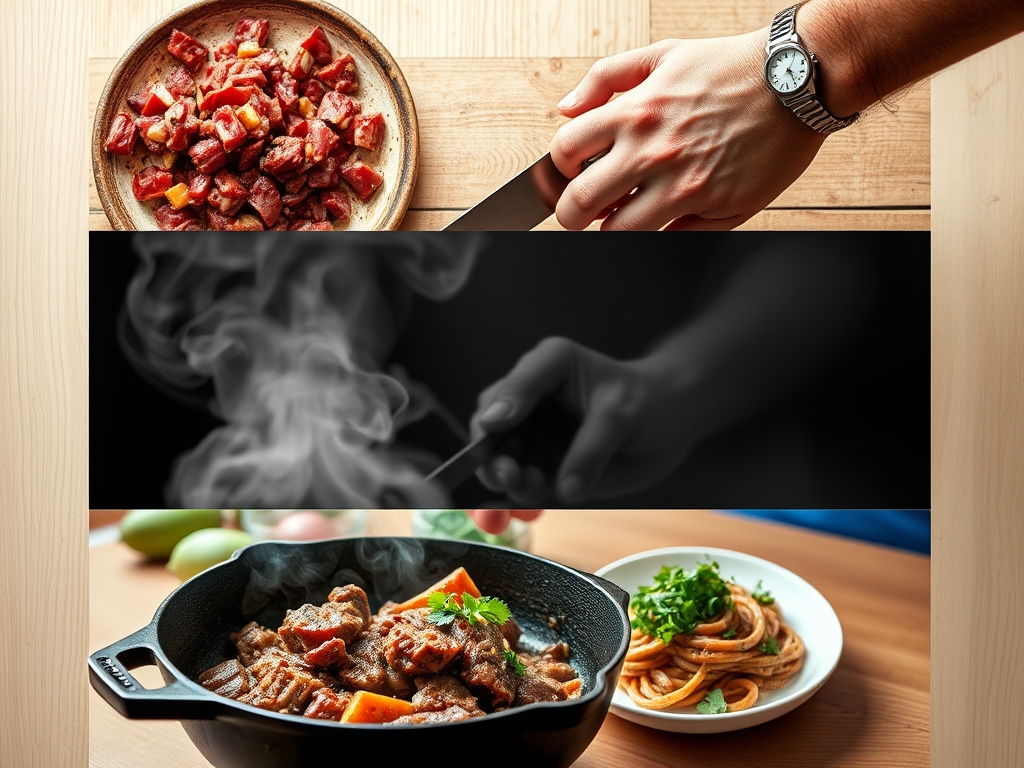
The Masterclass
1. Tempering the Protein
Before the beef touches the pan, remove it from the refrigerator for 15 minutes. This reduces the temperature gradient between the meat and the skillet.
Pro Tip: This prevents a massive temperature drop in the pan, ensuring you achieve the Maillard reaction (browning) rather than steaming the meat in its own released moisture.
2. High-Heat Searing
Use a heavy-bottomed skillet to distribute heat evenly. Spread the beef in a thin layer and do not move it for at least three minutes.
Pro Tip: Constant stirring inhibits the formation of a crust. By allowing the meat to sit, you create complex flavor compounds through amino acid caramelization.
3. Deglazing the Fond
Once the beef is browned, move it to the perimeter of the pan and pour in a splash of beef bone broth or dry white wine. Use a wooden spoon to scrape the brown bits (the fond) from the bottom.
Pro Tip: This technique incorporates the concentrated flavor back into the dish, creating a natural emulsion without the need for added oils.
4. Infusing the Aromatics
Add your ginger, garlic, and scallions during the final 90 seconds of the sear.
Pro Tip: Garlic contains allicin, which is heat-sensitive. Adding it late in the process preserves its piquant bite and prevents the bitterness associated with over-toasted garlic.
5. Managing Thermal Carryover
Remove the skillet from the heat when the beef looks slightly underdone. Use tongs to toss in your leafy greens, such as spinach or kale, allowing the residual heat to wilt them.
Pro Tip: Thermal carryover will continue to cook the beef for several minutes after it leaves the burner. Pulling it early ensures the protein remains succulent and tender.
The Deep Dive
Macro Nutrition
These light ground beef recipes are engineered for a high protein-to-calorie ratio. On average, a single serving provides 32 grams of protein, 12 grams of healthy fats, and approximately 350 calories. By swapping traditional pasta for spiralized vegetables or konjac noodles, you keep the glycemic load low, preventing insulin spikes that lead to mid-afternoon lethargy.
Dietary Swaps
For a Keto variation, replace all root vegetables with cruciferous options like riced cauliflower. For a Gluten-Free approach, ensure your soy sauce is replaced with coconut aminos or tamari. If you are hosting a Vegan friend, the same flavor profiles can be applied to "ground" walnuts and lentils, though you will need to add a teaspoon of liquid smoke to replicate the depth of the beef.
The Fix-It
- The Problem: The beef is gray and "boiled" looking. The Fix: You overcrowded the pan. Cook in smaller batches to allow steam to escape.
- The Problem: The dish tastes flat despite seasoning. The Fix: It lacks acidity. Add a squeeze of lemon or a teaspoon of apple cider vinegar to brighten the flavors.
- The Problem: The meat is too dry. The Fix: You used a fat ratio that was too lean without adding a moisture binder. Next time, fold in two tablespoons of tomato paste or pureed onions.
Meal Prep: Reheating Science
To maintain "day-one" quality, avoid the microwave if possible. Reheat your beef in a small saucier with a tablespoon of water or broth. This creates a steam-jacket effect that rehydrates the protein fibers. If you must use a microwave, cover the dish with a damp paper towel to prevent the beef from becoming "rubbery" due to rapid moisture loss.
The Wrap-Up
Mastering light ground beef recipes is about more than just cutting calories; it is about respecting the ingredient. By using professional techniques like deglazing and proper tempering, you turn a budget-friendly protein into a gourmet experience. These six meals prove that "healthy" does not have to mean "bland." Grab your favorite skillet, sharpen your chef's knife, and start experimenting with these vibrant, nutrient-dense bowls. Your kitchen is now a laboratory of flavor.
The Kitchen Table
Can I use frozen ground beef for these recipes?
Yes, but you must thaw it completely in the refrigerator first. Pat the meat dry with paper towels before cooking to remove excess ice crystals; this ensures a proper sear rather than a lackluster steam.
What is the best way to drain excess fat?
Tilt your skillet and use a spoon to pool the liquid, then soak it up with a folded paper towel held by tongs. This is safer and more precise than pouring hot grease into a container.
How long does cooked ground beef last in the fridge?
When stored in an airtight glass container, cooked ground beef remains at peak quality for three to four days. Ensure it cools to room temperature before sealing to prevent condensation and bacterial growth.
Why does my lean beef always turn out tough?
Toughness usually results from overworking the meat or overcooking it. Avoid pressing down on the beef with a spatula, which forces out the internal juices. Use a gentle hand and pull from heat early.